REVIEW · ALSACE
Alsace: Winery Tour & Tasting
Book on GetYourGuide →Operated by Domaine Sylvie Fahrer et Fils · Bookable on GetYourGuide
Alsace wine gets real fast in this one-hour visit. I like that you do more than sip: you get a guided walk through how wine is made, from cellar to underground tanks. The second thing I really enjoy is the tasting style—especially that you can keep comparing types, including dry vs sweet and even crémant.
One thing to plan for: the visit involves stairs, so wear shoes you trust on stone steps.
In This Review
- What you’re really paying for in this winery visit
- Key highlights worth choosing this tour
- Meet Domaine Sylvie Fahrer et Fils and the 4-generation story
- Inside the cellar: what you see and what it means for your glass
- Your tasting choices: guided vs blind vs pairings
- Option 1: Guided winery tour and Alsace wine tasting (12€ p/p)
- Option 2: Blind experience and winery visit (15€ p/p)
- Option 3: Wine pairings and winery visit (22€ p/p)
- Blind tasting in black glasses: fun, fair, and surprisingly effective
- Pairings, appetizers, and the kid option you should know
- Price and value: why the 1-hour format can work for you
- Getting there from Colmar and Sélestat by bus
- Who should book this Alsace winery tour
- Should you book? My practical take
- FAQ
- How long is the Alsace winery tour and tasting?
- How much does it cost?
- What’s included with each option?
- What wines can I expect to taste?
- Is there a blind tasting option?
- Are there stairs during the visit?
- What language is the guide?
- Can kids under 18 join for free?
- How do I get there if I’m coming from Colmar or Sélestat?
- Is it possible to cancel and get a refund?
- Can I reserve without paying right away?
What you’re really paying for in this winery visit
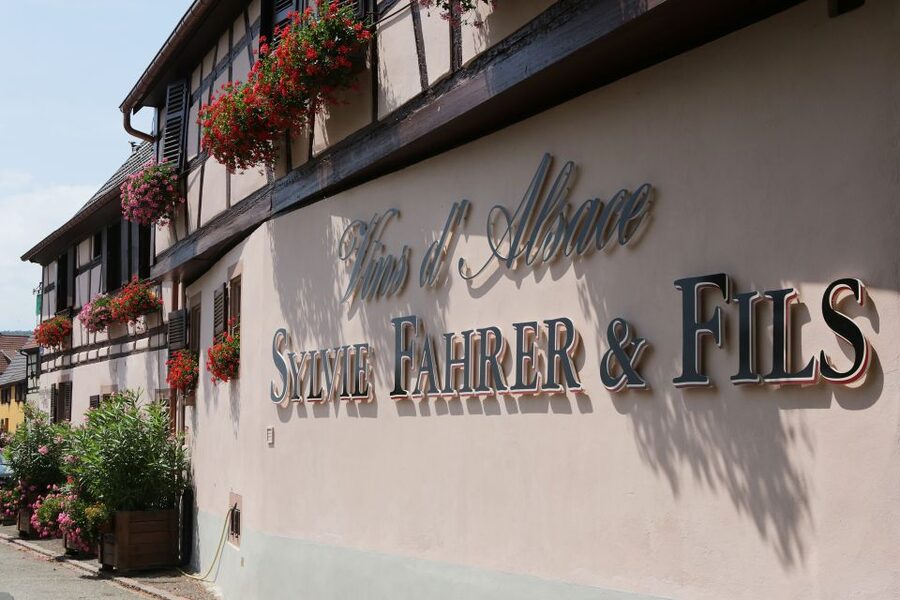
At around 12–22€ depending on the option, this feels like good value because it packages a guided tour plus wine tasting into a tight time window. You’re also not stuck on one wine moment; the structure is built for learning how the process changes what’s in your glass. If you hate group settings or want a long, slow, scenic wander, this shorter format might feel a bit intense.
Key highlights worth choosing this tour
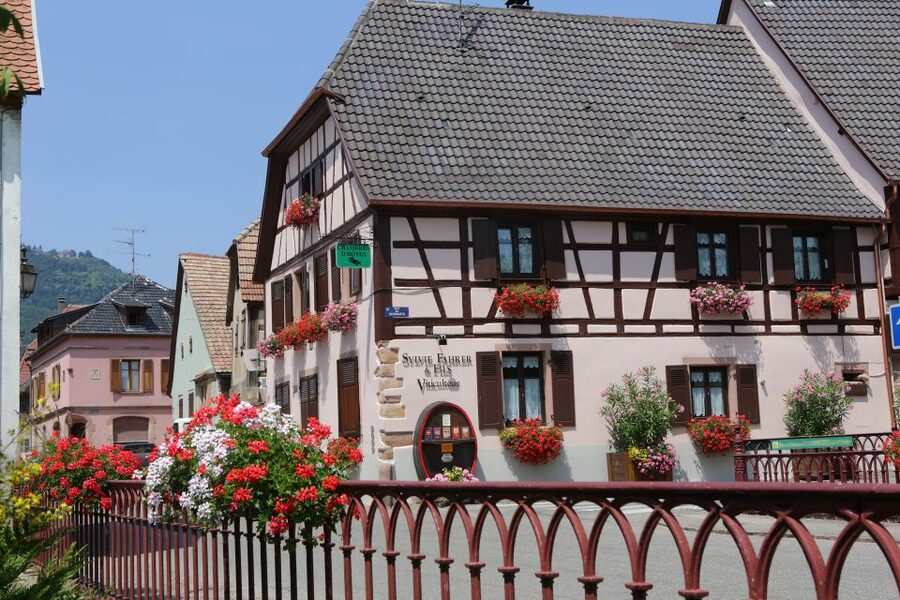
- Underground tanks and cellar walk: you see where the wine rests, not just where it’s served.
- Winemaking explained step-by-step: fermentation, maceration, and ageing all get plain talk.
- 3 different tasting styles: guided tasting, blind tasting, or wine pairings with bites.
- Generations at the winery: the tour traces the winery’s evolution up to the 4th generation.
- Flexible tasting inside the session: you can taste widely, including dry, sweet, red, white, and crémant d’Alsace.
Meet Domaine Sylvie Fahrer et Fils and the 4-generation story
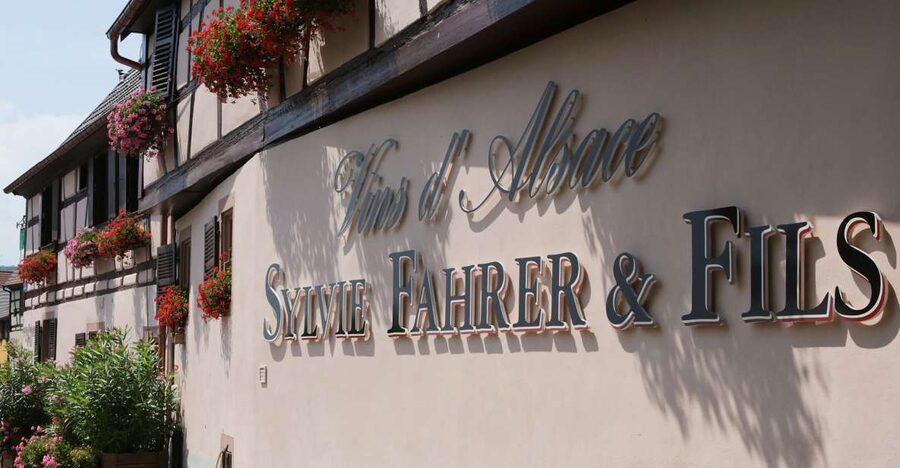
This experience takes place at Domaine Sylvie Fahrer et Fils in Alsace (Grand Est). It’s designed as a guided visit where history is not just a wall of photos—it’s tied directly to how the winery works today. The tour starts by looking at how the family business began and how it has evolved through the winery’s journey up to the 4th generation.
I like this approach because Alsace wine culture can feel confusing if you only hear about grapes. Here, you get a human timeline first, then you follow the physical steps of making wine. It helps you understand why producers have their own house style, and why Alsace often tastes more nuanced than people expect.
Expect a Spanish-speaking live guide. In the past, the guide Natália has led tours, and the teaching style seems personal and question-friendly—exactly what you want when you’re trying to learn the basics without feeling rushed.
Inside the cellar: what you see and what it means for your glass
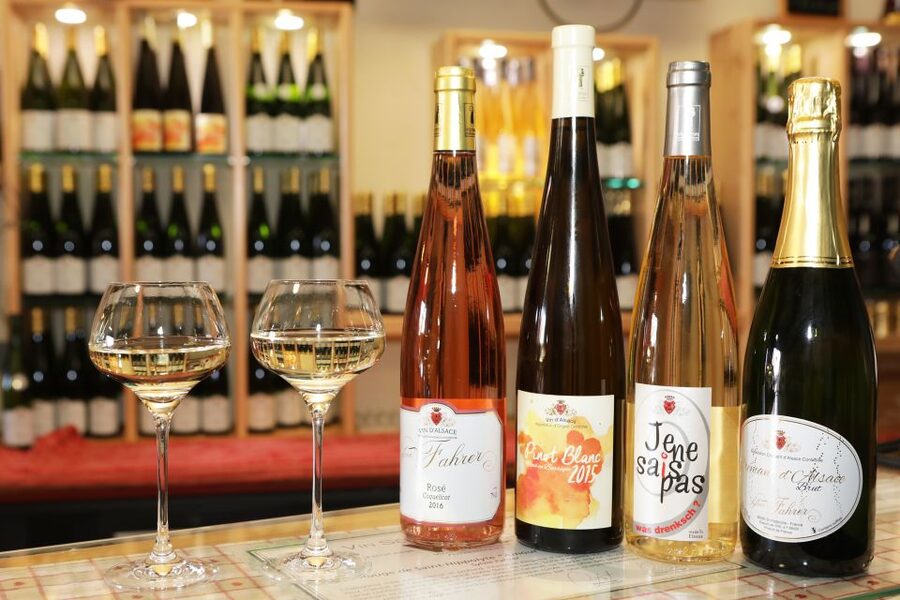
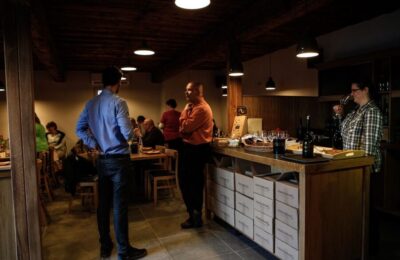
The visit follows a clear pattern: history, then a complete tour of the winery through each step of winemaking. You’ll walk through the cellar and the underground tanks, where the practical side of wine production comes into focus.
This part matters because wine tasting can turn into guesswork if you don’t know what to look for. When someone explains fermentation, maceration, and ageing in simple terms while you’re standing near the equipment, it stops being trivia. It becomes a tasting tool.
Here’s what you should pay attention to during this walk:
- Fermentation and what it changes in flavor and aroma
- Maceration and why it affects color and texture
- Ageing and why it can shift everything from fruitiness to structure
Even within a one-hour visit, this is the backbone that makes the tasting feel educational instead of random. And because the guide welcomes questions, you can ask things like why a wine tastes drier, or why sweet wines can still feel balanced.
Your tasting choices: guided vs blind vs pairings
You don’t just pick a time slot—you pick a way to learn. There are three options, each priced differently, and each one teaches you a slightly different skill.
Option 1: Guided winery tour and Alsace wine tasting (12€ p/p)
This is the classic choice. You get the winery visit and then a tasting designed to help you find your preferences. The tasting isn’t limited to one style. You can sample across categories—dry and sweet, red and white, and also their crémant d’Alsace (sparkling).
One practical upside of this option: the tasting segment is set up so you can keep comparing. In other words, you’re not stuck tasting one sip, then moving on. The experience is structured to let you notice what changes from glass to glass, which is exactly how you start building taste memory.
If you’re new to Alsace wines, this is the safest bet. You’ll leave with a shortlist of what you personally like, instead of guessing what people call good.
Option 2: Blind experience and winery visit (15€ p/p)
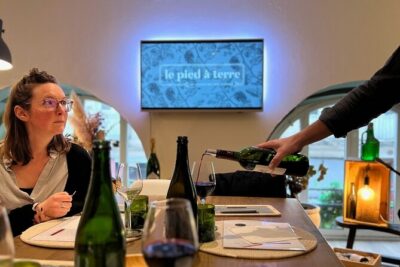
If you want something more playful—and more useful than it sounds—choose the blind tasting. You still get the guided winery visit first, then the tasting is done in black glasses so you can’t rely on sight.
The format is simple: you try to recognize a white, a rosé, and a red by aroma and flavor. Then you get a free tasting after the visit.
This option is fun, but it’s also a shortcut to better tasting. If you can identify a wine without color, you’re learning real sensory skills. And those skills travel with you; you’ll shop smarter later because you’re less dependent on labels.
Option 3: Wine pairings and winery visit (22€ p/p)
This is the more food-involved option. You visit the winery first, then taste 4 wines with their matching bites.
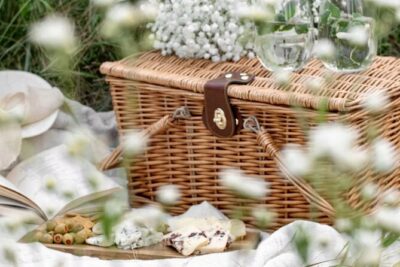
The pairing setup uses local, fresh seasonal products. You also get a tasting plate with 4 appetizers:
- pâté en croûte
- smoked salmon
- cheese
- chocolate
That mix is practical because it hits several flavor directions at once—savory, salty, creamy, and sweet. Wine pairings often fail when you only test with bland bread and water. Here, you get real taste contrast, which makes the wine choices make sense.
If you like learning through eating, this option gives you more context per minute.
Blind tasting in black glasses: fun, fair, and surprisingly effective
The blind tasting portion uses one smart trick: remove color cues. That’s why it works. Your brain stops cheating.
In this experience, you’re trying to recognize a white, a rosé, and a red using aroma and taste. Don’t worry if you feel you’re guessing at first. The goal is practice. If you’re wrong, you still learn what you based it on—sweetness level, acidity, fruit profile, or tannin-like grip.
And then there’s the bonus free tasting after the blind round. That extra time matters because it lets you connect what you learned during the challenge to what you actually enjoy. It turns a game into a mini tasting lesson.
If you’re with a friend who thinks they hate wine, this option can flip the script. The structure makes it less intimidating and more about discovering patterns.
Pairings, appetizers, and the kid option you should know
If you pick the pairings version, expect the tour to end with a more complete tasting session. You’ll taste 4 wines and the tasting plate includes 4 appetizers plus the pairing logic handled by the guide.
The appetizers are designed for contrast: pâté en croûte and smoked salmon bring salty intensity, cheese adds fat and creaminess, and chocolate brings sweetness and a dessert-like finish. Those combinations help you understand why certain wines pair well with certain flavors.
There’s also a useful note for families. Visits are free for kids under 18, but the free ticket does not include the tasting plate. If you want the kid to get the plate, there’s an extra 5€. That kid plate includes the four appetizers plus a glass of grape juice.
So if you’re traveling with teens, you can keep it simple: the visit itself is free, and you only pay extra if you want the food component for them too.
Price and value: why the 1-hour format can work for you
The activity is listed as 1 hour, which is important in Alsace. This region rewards people who can hop between stops. A long wine tour can become tiring fast, especially if you plan to see Colmar or other villages later.
Here’s how I think about value:
- You pay for both the winery walkthrough and the tasting, not just wine.
- The guide explains the winemaking steps while you’re in the actual production spaces.
- Your tasting isn’t random; it’s built around learning goals—comparison, sensory skill, or pairing practice.
Prices vary by option: 12€ for guided tasting, 15€ for blind tasting, and 22€ for pairings. If you just want wine and you already know what you like, guided tasting may be the best match. If you want a learning experience with structure, blind tasting is often the most memorable. If you want food plus wine pairing logic, the 22€ option is the one that feels most complete.
Getting there from Colmar and Sélestat by bus
A big plus is that you can reach the winery by bus from Sélestat, Colmar, and other villages. The key practical detail is that you’ll need to contact the operator for specific bus information.
Why I’m mentioning this: in Alsace, “bus available” is not always the same as “easy bus timing.” If you’re chaining this with other stops, plan your day so you’re not stuck waiting. If you’re driving, you’ll also have a straightforward route, but you only know that if you check your schedule ahead.
And yes, expect stairs once you’re on site. Plan for them with comfortable footwear.
Who should book this Alsace winery tour
This is a great fit if you:
- want a short, high-signal wine experience
- like learning the basics (fermentation, maceration, ageing) while tasting
- enjoy comparing dry and sweet styles, not just one safe bottle
- want something different from a standard tasting room
It may not be the best fit if you:
- hate stairs and need step-free access (the tour involves stairs)
- want a long scenic vineyard walk
- prefer unguided tastings with no structure
Also note the guide language is Spanish. If you don’t speak Spanish, you’ll want to check how comfortable the explanations will be for you. The experience format is guided, so language matters.
Should you book? My practical take
Book it if you want a one-hour Alsace wine lesson that actually connects production to what you taste. The underground tank + cellar tour gives context. The tasting options let you choose between comparison, sensory practice, or wine-and-food pairings.
Skip it only if stairs are a dealbreaker or if you want a slower, more outdoors-focused vineyard day.
If you’re deciding last-minute, I’d pick based on your goal:
- First-time wine tasting: guided tour (12€)
- Fun learning with real sensory training: blind tasting (15€)
- Wine plus local bites: pairings (22€)
FAQ
How long is the Alsace winery tour and tasting?
The tour lasts 1 hour.
How much does it cost?
There are three options: 12€ per person for the guided tour and tasting, 15€ per person for the blind experience, and 22€ per person for wine pairings with the tasting.
What’s included with each option?
All options include a guided tour of the winery and a wine tasting. The pairings option also includes tasting plates with appetizers.
What wines can I expect to taste?
The tasting can include a mix of dry and sweet wines, red and white, and their crémant d’Alsace (sparkling).
Is there a blind tasting option?
Yes. The blind option uses black glasses and includes a tasting where you try to recognize white, rosé, and red wines.
Are there stairs during the visit?
Yes, the tour involves stairs.
What language is the guide?
The live tour guide is Spanish.
Can kids under 18 join for free?
Yes. Tickets are free for children under 18, but the free ticket does not include the tasting plate. If you want the plate for a kid, there is an extra 5€.
How do I get there if I’m coming from Colmar or Sélestat?
There are buses from Sélestat and Colmar that arrive at the winery. You should contact the operator for the information you need.
Is it possible to cancel and get a refund?
Yes. Free cancellation is available up to 24 hours in advance for a full refund.
Can I reserve without paying right away?
Yes. There’s a reserve now & pay later option.