REVIEW · OLLIGNAN
Aosta Valley: Visit and wine tasting at the Grosjean winery
Book on GetYourGuide →Operated by Grosjean Vins · Bookable on GetYourGuide
Aosta Valley wine tastes like altitude. The Grosjean winery visit is interesting because you see mountain viticulture up close, then taste the styles that define the valley, led by a third-generation family team.
I really like that the tour is built around how wine is made, not just what it is. You move through the aging and bottling cellar, then the barrel cellar, and finally the sparkling wine production room.
One consideration: if your group overlaps with another group, you may not catch every detail from the guide at the same volume. It’s not a dealbreaker, but it can affect how clearly you hear the explanations.
In This Review
- Key Highlights Worth Marking
- Mountain Grape Magic at Grosjean (Why This Tour Feels Practical)
- The Guided Walk Starts in the Aging and Bottling Cellar
- Barrel Cellar and Sparkling Wine Room: Where Styles Become Clear
- Meet the Third Generation: The Human Side of the 19-Hectare Vineyards
- The Tasting: Petite Arvine, Torrette Superieur, and Fumin
- Cheese and Cold Cuts: Aosta Valley Pairing That Helps You Taste Better
- Price and Value: Is $33 Worth It for 2 Hours?
- Languages, Timing, and Where to Start (So You Don’t Lose Minutes)
- Who This Tour Suits Best (And Who Should Skip)
- Should You Book the Grosjean Aosta Valley Wine Tasting?
- FAQ
- How long is the Grosjean winery visit and wine tasting?
- What wines are included in the tasting?
- Are cheeses and cold cuts included?
- What languages is the live tour guide available in?
- Where do I meet the tour?
- What is the price per person?
- Can I reserve and pay later?
- Is free cancellation available?
Key Highlights Worth Marking
- Cellar-to-glass flow: start in aging/bottling, then barrel aging, then the sparkling production room
- Three Aosta DOC wines to taste: Petite Arvine, Torrette Superieur, and Fumin
- Food pairing is included: local cheeses and cold cuts from the Aosta Valley
- Family winery scale: vineyards have grown to 19 hectares over time
- You get real guide support in English, French, or Italian
- High satisfaction signal: 4.8 rating from 24 reviews
Mountain Grape Magic at Grosjean (Why This Tour Feels Practical)
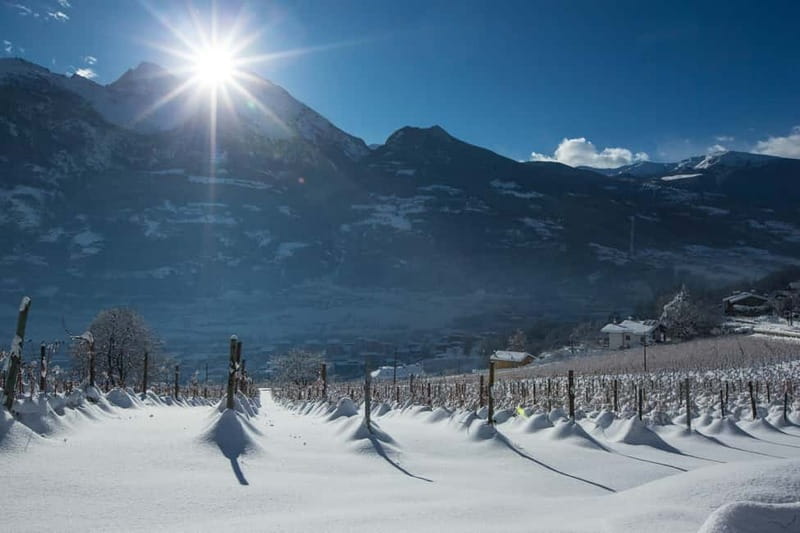
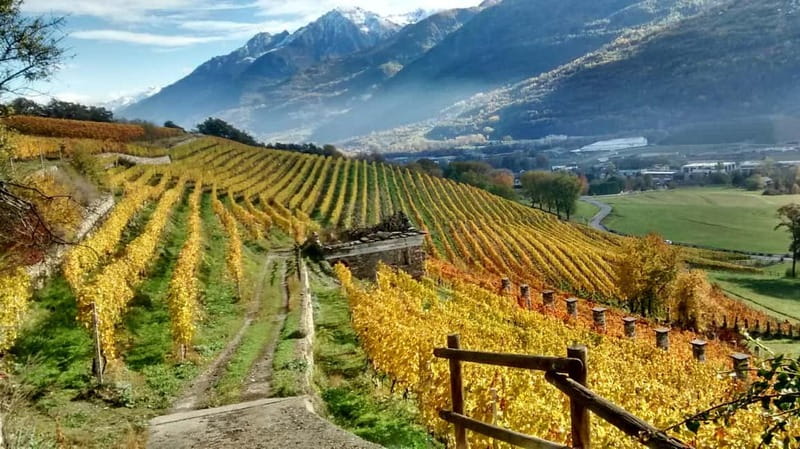
If you’ve ever tasted a “cool climate” wine and wondered what makes it tick, this is a nice way to connect the flavor to the place. The Aosta Valley sits in a mountain setting, and that shows up in the character of the wines you’ll be served.
I like how this tour stays grounded in process. You don’t just stand around and sip. You walk through key production spaces, and you’re told what happens there. That makes the tasting portion feel easier to understand, even if you’re new to wine.
Also, I appreciate that the lineup focuses on Aosta classics. Instead of random bottles, you taste wines that represent the territory: VDA DOC Petite Arvine, VDA DOC Torrette Superieur, and VDA DOC Fumin. If you want to leave knowing what the valley is about, this format helps you do that.
The Guided Walk Starts in the Aging and Bottling Cellar
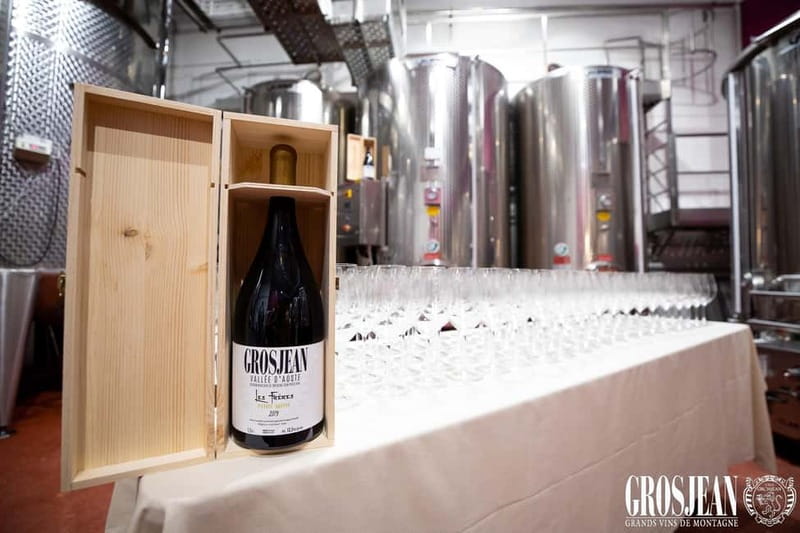
Your visit begins where wine spends serious time: the aging and bottling cellar. This is the part that often gets overlooked on casual winery stops, but it’s where you can learn why wine tastes the way it does later on.
Here’s what to watch for during the explanation. You’ll hear about the winemaking processes starting in this area, so you’ll build a mental map before you get to the barrel cellar. For you, that usually means fewer “blank spots” while you taste.
I also like that you start at the aging/bottling stage instead of jumping straight to grapes or vineyard scenery. It’s a strong choice for a 2-hour experience because it compresses the story. You’ll get the big ideas early, then refine them as you move through the next rooms.
One more practical note: the meeting point is right at the Grosjean family aging cellar, at the entrance gate. Arrive a few minutes early so you’re not rushing to match up with the group.
Barrel Cellar and Sparkling Wine Room: Where Styles Become Clear
After the aging and bottling cellar, the tour moves to the barrel cellar and then into a sparkling wine production room. That sequence matters. Wine changes based on what’s happening during storage and production, and those rooms give you visible anchors for the differences.
I like the structure because it mirrors how you taste. When you sample wines, you’re essentially comparing outcomes. The barrel cellar part helps you understand what barrel aging can do, while the sparkling room gives you a look at a different production approach.
This is also where the guide’s role becomes important. A good explanation in a winery setting is about making complex steps feel obvious. You’ll be welcomed by the third generation of winemakers, and you can expect the tour to connect “what you see” to “what you’ll taste.”
Meet the Third Generation: The Human Side of the 19-Hectare Vineyards
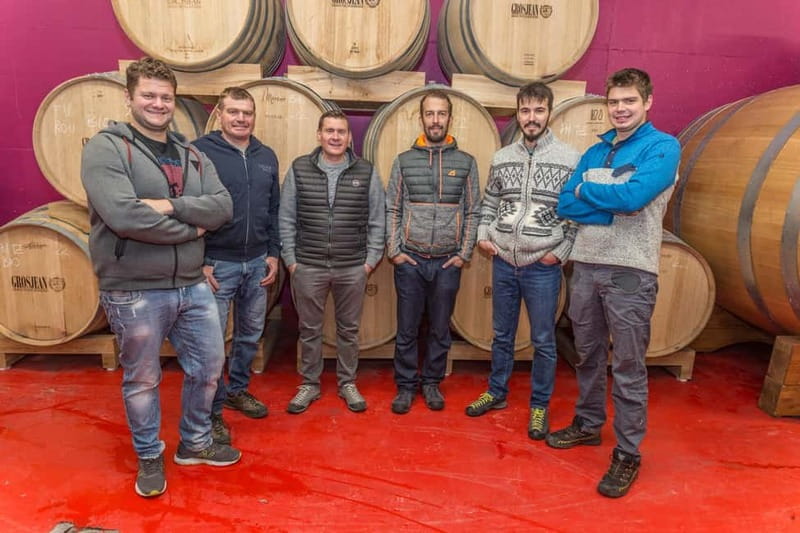
Grosjean is a historic family winery, and the tour is led by a winemaking team from the third generation. That’s not a marketing detail on paper—it changes the way the experience comes across.
You’ll hear how passion and work over the years helped expand the vineyards to 19 hectares. For you, this is one of those quiet-but-useful facts: it helps you understand why the winery focuses on representative Aosta wines instead of trying to be everything to everyone.
The tone from a family-run team often feels more direct. You get fewer vague statements and more “here’s why we do it this way.” And because the tour is in multiple languages (English, French, Italian), it’s easier to follow the story without needing a wine degree.
The Tasting: Petite Arvine, Torrette Superieur, and Fumin
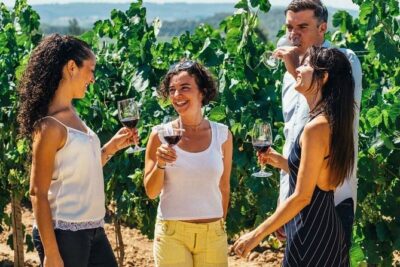
The tasting is where the tour earns its keep. You’ll sample different wines that are typical of the Aosta Valley, with the three named wines forming the core of the session.
Here’s how I’d approach it so you get more out of those pours:
- Petite Arvine (VDA DOC): Taste it first with the goal of identifying its signature “Aosta” feel. Don’t judge too quickly. Let the taste settle, then compare it to what comes next.
- Torrette Superieur (VDA DOC): This one is a chance to notice how the valley’s style can shift while staying recognizably Aosta.
- Fumin (VDA DOC): Use this last pour to check what you already learned. If you’re paying attention, you’ll start connecting production steps you saw in the cellars to what you’re tasting in the glass.
I especially like that the tasting is directly tied to the territory. When a tour includes a clear set of regional wines, you can build confidence fast. You’ll know what the area tastes like instead of leaving with a handful of random impressions.
Also, the tour is guided, so you’re not stuck trying to decode wine on your own. If you care about learning, the guided tasting format helps.
Cheese and Cold Cuts: Aosta Valley Pairing That Helps You Taste Better
Wine tours can sometimes forget the food. Not here. Your tasting includes local cheeses and cold cuts from the Aosta Valley, served alongside the wines.
This is valuable for you in two ways. First, the food gives your palate something to react against, which makes tasting differences easier to notice. Second, it turns the experience from a quick sip session into a more complete local meal moment.
Try not to treat the cheeses and cold cuts like an afterthought. Eat between sips and pay attention to how the wine changes. The pairing is part of learning the region’s flavor profile, not just a snack.
If you like practical souvenirs, this is one of the best: once you understand what the cheeses and cold cuts taste like with Aosta wines, you can translate that into a great meal later in town.
Price and Value: Is $33 Worth It for 2 Hours?
At $33 per person for a 2-hour guided visit and tasting, the value depends on what you want from your time. If you’re looking for a quick photo stop or just a couple of casual sips, this might feel like “too much structure.”
But if you want a real guided experience—cellars, production rooms, and a tasting that includes multiple wines plus local food—this is priced like an efficient cultural stop.
You’re paying for three things:
- A guided walk through production spaces (aging/bottling, barrel, sparkling room)
- A tasting of representative Aosta Valley wines (Petite Arvine, Torrette Superieur, Fumin)
- Included local cheeses and cold cuts
That package matters. The tasting isn’t just “here’s a glass.” It’s paired with regional food and set up with a guided explanation, so you can actually connect the dots.
With a 4.8 rating from 24 reviews, there’s also enough positive feedback to suggest the experience is consistently delivered.
Languages, Timing, and Where to Start (So You Don’t Lose Minutes)
The tour runs for 2 hours, and you can check starting times based on availability. A live guide leads the experience in English, French, or Italian, which is a big deal in a wine setting where details can get technical.
Meeting point is straightforward: the Grosjean family aging cellar, right at the entrance gate. Showing up on time helps. A cellar tour is mostly about flow—moving from room to room without delays—so late arrivals can throw off the schedule for everyone.
One more tip based on real-world feedback: if you want the best chance to hear clearly, position yourself so you can see the guide while they’re explaining. If groups overlap, your best defense is a better vantage point.
Who This Tour Suits Best (And Who Should Skip)
This is a strong pick if you want a focused, regional wine education without spending half a day. You’ll get production context, a tasting of core Aosta wines, and included local food in a compact format.
It’s especially good for you if you:
- like learning how things work (not just what they taste like)
- want a clear Aosta “starter pack” wine tasting: Petite Arvine, Torrette Superieur, Fumin
- enjoy pairing wine with local cheeses and cold cuts
It’s not suitable for pregnant women and children under 18. Since wine tasting is part of the experience, it’s understandable that the tour is limited.
Should You Book the Grosjean Aosta Valley Wine Tasting?
I’d book this if your goal is straightforward: learn how a mountain winery works and taste what the Aosta Valley actually does. The best part is the connection between rooms and glasses. You walk through the cellar spaces, then you taste wines that represent the territory—plus you get local cheeses and cold cuts that make the whole thing more than just a drink.
You might skip it if you’re aiming for a very casual outing with minimal talking. Also, if you’re sensitive to group noise, keep in mind the occasional issue when another group overlaps—choose a spot where you can follow the guide.
If you want a practical, high-value introduction to Aosta wine culture, this is one of those tours that delivers more learning than you expected for the time and price.
FAQ
How long is the Grosjean winery visit and wine tasting?
The experience lasts 2 hours.
What wines are included in the tasting?
You’ll taste wines representative of the Aosta Valley, including VDA DOC Petite Arvine, VDA DOC Torrette Superieur, and VDA DOC Fumin.
Are cheeses and cold cuts included?
Yes. The tasting includes a selection of typical regional cheeses and cold cuts from the Aosta Valley.
What languages is the live tour guide available in?
The live tour guide is available in English, French, and Italian.
Where do I meet the tour?
You meet right at the Grosjean family aging cellar, at the entrance gate.
What is the price per person?
The price is $33 per person.
Can I reserve and pay later?
Yes. You can reserve now and pay later.
Is free cancellation available?
Yes. You can cancel up to 24 hours in advance for a full refund.