REVIEW · ARANDA DE DUERO
Aranda de Duero: Martín Berdugo Winery – Tour and Tasting
Book on GetYourGuide →Operated by MARTÍN BERDUGO - SINGLE VINEYARD ESTATE · Bookable on GetYourGuide
A real vineyard visit beats a slideshow. At Martín Berdugo you see the winery sitting right inside its own vineyard, then taste two wines with local cheese. I like that the tour is structured enough for first-timers, but still detailed when you want to ask questions.
I especially like the hands-on feel of the visit: you walk through the estate, get the story behind minimal-intervention practices, and hear how grapes move from harvest to winemaking. The guided tastings are also a strong value, with two different styles paired with traditional bites.
One thing to consider: if you go in the coldest months, the vines may be in a slower, rest phase. That can limit what you’ll see happening in the vineyard day-to-day, even though the cellar and wine explanations stay very worthwhile.
In This Review
- Key takeaways before you go
- Martín Berdugo in Ribera del Duero: 90 minutes that actually makes sense
- Starting at Bodega y Viñedos Martín Berdugo: get your bearings fast
- Vineyards first: what it means that the winery is in the vineyard
- Minimal-intervention philosophy: what you learn on the vineyard walk
- Winemaking in the winery: gravity technology and the fruit-first idea
- The barrel cellar: quiet atmosphere that helps aging
- Tasting two Martín Berdugo wines with local cheese and bread sticks
- Vegan option: easy if you tell them in advance
- Who this tour fits best (and who might want something else)
- Price and value: why $21 can feel fair
- Timing tips: when the vineyard is in parón and what to expect
- The guides make the difference: what to look for during your tour
- Should you book? A quick decision guide for your Ribera del Duero day
- FAQ
- How long is the Martín Berdugo tour and tasting?
- What’s included in the tasting?
- How many people are in a group?
- What days and start times are available?
- Is the tour language Spanish?
- Are pets allowed?
Key takeaways before you go
- Vineyard-to-winery proximity: the winery is located within the estate so the tour feels immediate
- Minimal-intervention focus: you’ll hear how soil and natural balance shape the wines
- Gravity winemaking: the production story includes how gravity is used in the process
- Barrel cellar atmosphere: a calmer room designed for maturation
- Tasting + local pairing: two Martín Berdugo wines with local cheese and bread sticks
- Small group size: minimum 2, maximum 16 people, for a more personal pace
Martín Berdugo in Ribera del Duero: 90 minutes that actually makes sense
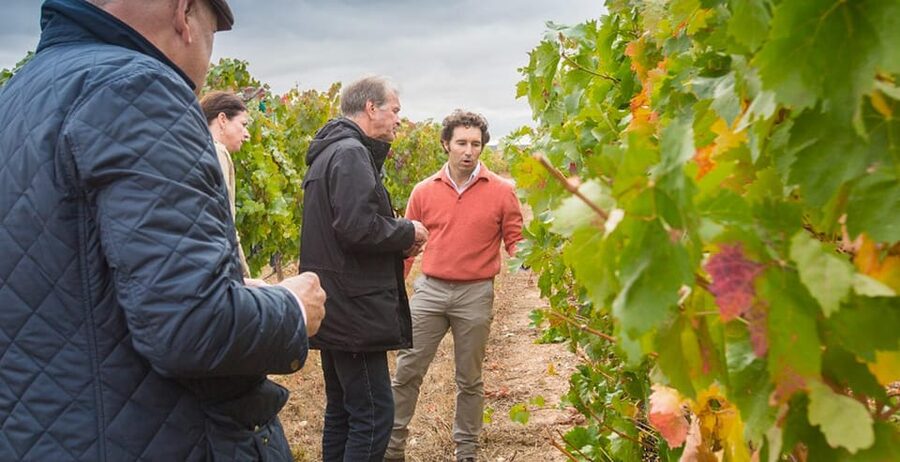
This tour is built for people who want more than a generic wine label explanation. In about 1 hour 30 minutes, you get a guided pass through the vineyard and winery, then a guided tasting with food. It’s long enough to learn real details, but short enough that you won’t feel stuck on a bus all day.
The timing matters, too. You can usually pick between a midday start and a late afternoon start (Monday to Saturday). If you’re planning a day around other sights in Castile and León, the schedule fits neatly without forcing you into a full afternoon commitment.
And since the group is capped at 16, the experience stays conversational. That’s a big deal if you’re not a wine expert. You’ll still get the explanations, but you’re not competing with a room full of people for the guide’s attention.
Starting at Bodega y Viñedos Martín Berdugo: get your bearings fast
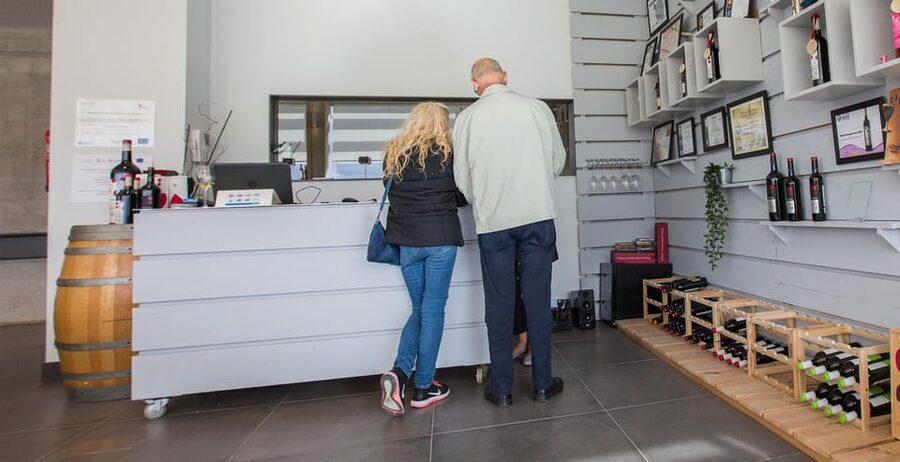
You’ll meet at the main door of the warehouse area, on the left side as you enter your vehicle. The door is normally open, but if it isn’t, there’s an intercom you can use. It’s a straightforward setup, which helps because you’re arriving expecting to step straight into the winery world—not hunt around for a sign.
One practical point: the tour is run with a live guide in Spanish, so if you speak a bit of the language, you’ll catch more of the nuance. If not, you’ll still likely follow the flow because the visit is guided visually—vineyards outside, winemaking spaces inside, and then tasting at the end.
The tour is also wheelchair accessible, so it’s not one of those experiences that quietly assumes everyone can manage uneven terrain. (Still, if you need specific help, it’s worth checking in advance so the team can plan for you.)
Vineyards first: what it means that the winery is in the vineyard
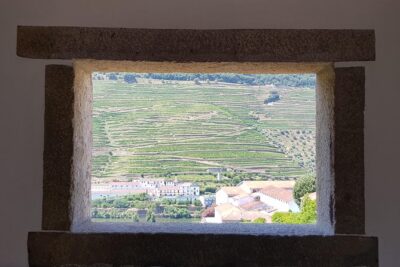
The biggest “why this place” factor is the setting. Martín Berdugo is described as a Single Vineyard Estate, and the winery is within the vineyard itself. That changes the tone of the visit.
Instead of the usual pattern—park your car, walk to a building, hear a story, taste wine, leave—you’re moving through the actual environment that shapes the grapes. You’ll see how the people behind the wines treat the land as part of the final product.
It also makes the talk feel grounded. When the guide points out farming choices or soil differences, you’re looking at them in real time. It’s easier to connect cause and effect because you’re physically in the place where decisions get made.
Minimal-intervention philosophy: what you learn on the vineyard walk
A key theme you’ll hear is minimal intervention. The tour frames it as more than a buzzword: it influences everything from the soils to the winemaking process.
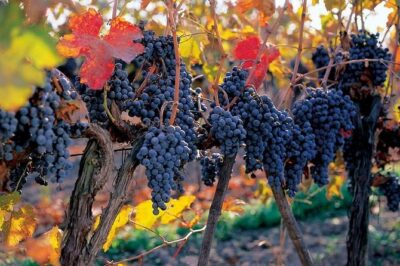
During the vineyard portion, you’ll walk through different alluvial soils that make up the estate. That detail is more than geology trivia. Soil influences how water behaves, how vines handle stress, and how grapes ripen—so it’s the kind of information that helps you stop thinking of wine as magic and start thinking of it as careful work.
You’ll also get the environmental angle. The estate emphasizes protecting the surrounding natural balance and its wildlife. Even if you’re not a hardcore eco-minded traveler, it’s still useful to hear how a winery treats the land. It’s the difference between a visitor experience that feels like branding and one that feels like actual practice.
If you’re traveling in a colder month, plan your expectations. In January, for example, the vineyard may be in a pause due to cold, so the outside “activity” you might hope to see could be limited. The good news: the overall tour still makes sense because the guide connects what you can see to how the wines are made and cared for.
Winemaking in the winery: gravity technology and the fruit-first idea
After the vineyard walk, you shift indoors to the winemaking spaces. One of the most specific points you’ll get is that gravity technology is used in the winemaking room. The tour describes this approach as being designed to stay unobtrusive and help preserve the fruit.
That matters because it’s not just a technical fact. It explains the care mindset. If you’re the kind of traveler who likes to understand why choices get made, gravity winemaking offers a simple story: you’re trying to reduce the rough handling of the grapes and keep the process gentler.
Inside the winemaking room, the guide guides you through how picked grapes reach the winery and how they get vinified into different styles. You won’t just hear the final results; you’ll get the chain of steps, which is a big part of what makes the tour feel educational rather than only promotional.
The barrel cellar: quiet atmosphere that helps aging
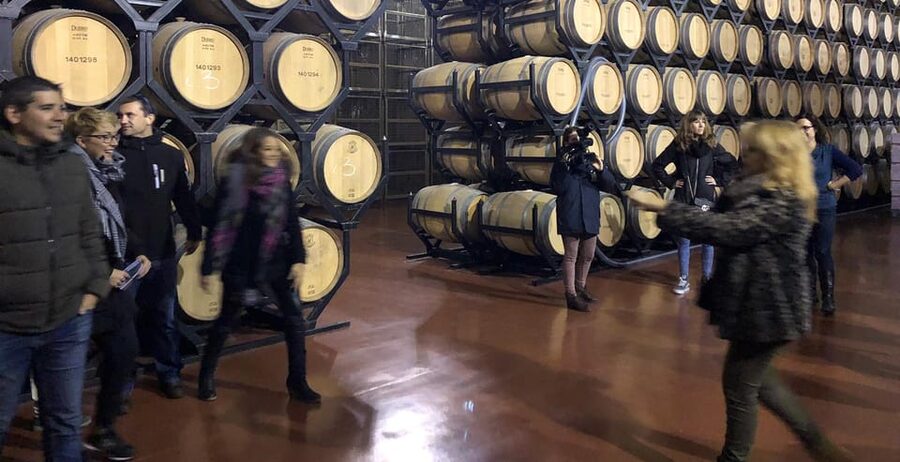
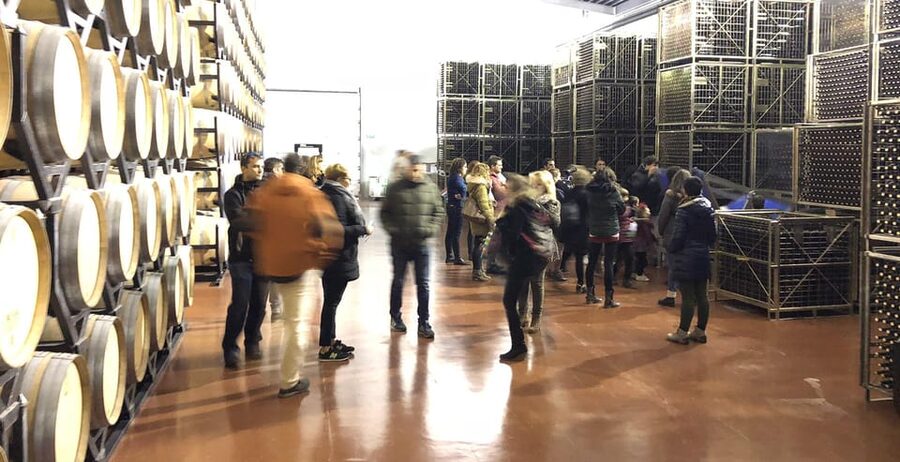
Then comes the barrel cellar, described as a quiet, restful space. That tone isn’t random. It fits the purpose of aging, when you’re not constantly doing the “active” work but waiting while the wine changes inside the barrels.
Even if you’re not a cellar person, this stop helps you understand that winemaking is both action and patience. The guide frames the cellar experience in a way that keeps it practical: how maturation connects to the styles you’ll taste at the end.
This is also where you’ll likely appreciate the pacing. The tour structure moves you from active outdoors, to explanation-heavy indoor winemaking, to a calmer room meant for waiting. It keeps the visit from feeling rushed, which is especially helpful if you’re visiting with kids or you just prefer a slower pace.
Tasting two Martín Berdugo wines with local cheese and bread sticks
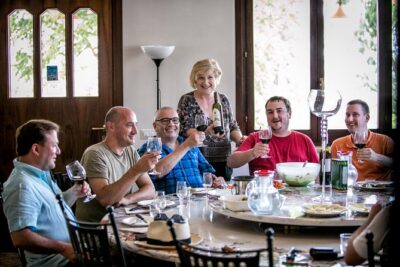
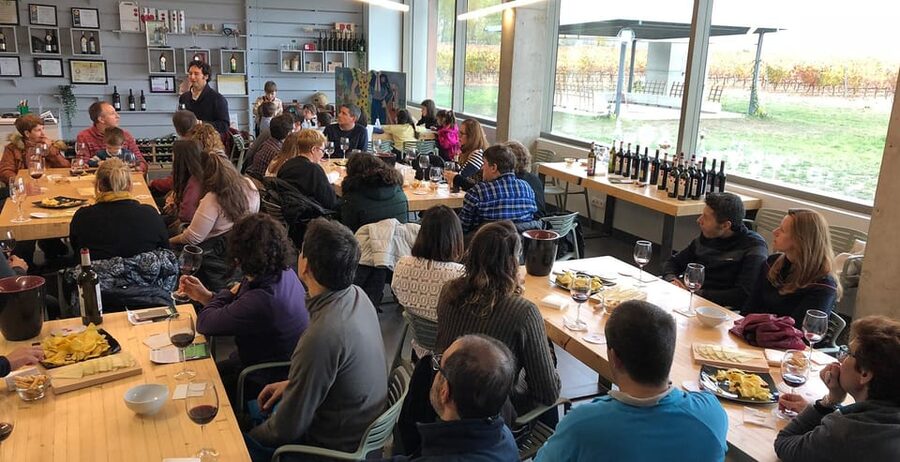
The tasting is guided and pairs 2 Martín Berdugo wines with traditional local cheeses and bread sticks. That pairing setup does two useful things:
- It gives you something to focus on beyond pure flavor notes.
- It helps you compare the wines in a real, food-friendly way.
The tour’s tasting is designed for a comparison mindset. You’ll taste a younger wine and another wine that shows barrel aging or crianza style characteristics, which gives you a clear “before and after” feel. If you’re a first-time wine tourist, this structure is beginner-friendly: you’re not trying to interpret a dozen bottles at once.
The cheese and bread sticks also make the tasting feel less like a formal sit-down and more like a local table moment. For me, that’s part of the value: you’re not only paying for wine knowledge, you’re getting traditional food along with it.
Vegan option: easy if you tell them in advance
If you need a vegan option, you can request it, but you have to tell the team in advance. That’s an important heads-up because the tasting includes cheese and bread sticks by default, so the vegan option likely means adjusting the pairing.
If you’re traveling with dietary needs, I’d treat this as a simple planning task: message ahead so the guide can set up the right alternative before you arrive. It makes the tasting smoother and helps you avoid the uncomfortable moment of figuring it out on the spot.
Who this tour fits best (and who might want something else)
This is a strong match if you want:
- a vineyard + winery experience in one package
- a guided tasting with food, not just a quick sip
- explanations that work even if you don’t know wine terms
It also works well for families. The tone of the visit seems to handle mixed groups, including people traveling with kids, because the guide’s job is to make the information clear and engaging. If you’re a parent, that’s not a small thing—it’s often the difference between a “fun outing” and a long afternoon of polite boredom.
One more fit question: if you’re visiting at the coldest time of year, you may see less vineyard action. That doesn’t make the tour bad; it just changes the visual rhythm. If your goal is lots of outdoor vine visuals, you might enjoy warmer months more. If your goal is the process—soil, minimal-intervention approach, winemaking, aging, tasting—then you’ll still get plenty.
Price and value: why $21 can feel fair
At $21 per person, this tour feels like solid value for what you get. You’re paying for three parts that usually cost money separately:
- a guided visit to both vineyard and winery
- a guided explanation of how grapes become wine (including the gravity process)
- a tasting of two wines plus traditional food pairing
Also, the small group size (up to 16) keeps your experience from turning into a lecture. More attention means the wine talk is more likely to land, and you’ll likely leave with a better understanding rather than just a souvenir taste.
Compared with tours that only focus on tasting, this one adds real context. Compared with the super long “whole day” wine circuit, it’s less exhausting and easier to fit into an existing itinerary.
Timing tips: when the vineyard is in parón and what to expect
One review-style lesson you can carry into your planning: in January, the vineyard is in a colder rest phase. The guide may still take you through the estate and explain how the process works, but you shouldn’t expect the same “active season” sights as in peak months.
So decide based on your priorities:
- If you want to see maximum vineyard activity, go when the vines are working.
- If you want a calm, educational visit with the winemaking story and tasting, the cold season can still be rewarding.
The good news is that the tour’s indoor components stay engaging—winemaking room explanations and the barrel cellar atmosphere are consistent. And since the tasting is the final stop, the experience keeps moving toward something tangible.
The guides make the difference: what to look for during your tour
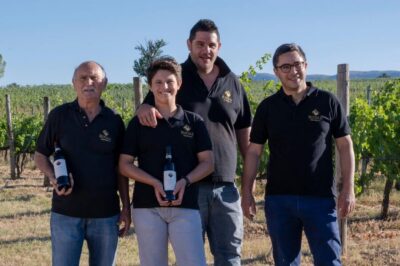
A standout element here is the guide quality. Names you might hear include Emma/Ema, and you’ll likely feel the difference in how the tour is delivered. The emphasis is on clarity, patience, and a friendly way of teaching.
You can also get a practical clue from the way they speak: the explanations are tailored for people who aren’t specialists. If you’re curious but not confident in wine language, that matters. You don’t have to pretend you know what barrel aging means; the guide’s job is to explain it step by step and keep it enjoyable.
So during your visit, don’t be shy about asking simple questions. This kind of tour is built on conversation as much as it is on walking from one room to the next.
Should you book? A quick decision guide for your Ribera del Duero day
Book this tour if you want a real winery + vineyard experience in a tight time window, with a guided tasting that doesn’t feel rushed. It’s especially worth it if you care about process—soil, minimal-intervention practices, gravity in winemaking, and how aging shapes the final styles.
Consider another option if your trip is timed specifically for maximum vineyard season visuals and you’re hoping for lots of outdoor, hands-on energy. If you’re visiting in winter and expecting the vines to look like summer, you may find the vineyard part is calmer than you imagined.
If you do book, go with curiosity and good timing: check available start times, plan around your other stops, and let them know about a vegan request ahead of time. With that, you’ll walk away understanding what you tasted and why it tastes that way—exactly what a good wine tour should do.
FAQ
How long is the Martín Berdugo tour and tasting?
The experience lasts about 90 minutes.
What’s included in the tasting?
You’ll taste 2 Martín Berdugo wines. The tasting is accompanied by traditional local cheeses and bread sticks, and there is a vegan option if requested in advance.
How many people are in a group?
The group size is minimum 2 and maximum 16.
What days and start times are available?
The tour runs Monday to Saturday, with starting times listed as 12:00 and 4:30 pm.
Is the tour language Spanish?
Yes. The tour guide language is Spanish.
Are pets allowed?
Pets are not allowed, but assistance dogs are allowed.