REVIEW · BAROLO
BAROLO: GUIDED VISIT TO THE WINERY AND TASTING WITH THE PRODUCER
Book on GetYourGuide →Operated by Virna Borgogno Winery · Bookable on GetYourGuide
A Barolo lesson, led by the producer. This 1-hour visit at Virna Borgogno Winery pairs a walk through the oak-barrel aging rooms with a focused tasting of four Barolos, including Cannubi and Sarmassa. I like how the guide ties each wine back to terroir using the official Barolo map, and I like that the experience feels personal rather than like a checklist. One watch-out: it moves at a quick pace, and the tasting portion is light on food, so $47 may feel steep if you want a long, meal-like outing.
You start in Barolo at Via Alba 73, then step into the working rhythm of a three-generation farm. The sisters Ivana and Virna Borgogno run the estate today, and Virna is especially notable for being the first woman in Italy to earn the title of Enologist, with a winemaking style aimed at purity and elegance in Nebbiolo.
In This Review
- Key Points You’ll Care About
- Barolo Tastes Like Terroir, Not Just a Grape
- Starting at Via Alba 73: A Quick, Straightforward Schedule
- The Virna Borgogno Farm Story: Three Generations, Two Sisters, One Style
- Walking Through the Cellar: Vinification, Bottling, and Bottle Aging
- Oak Barrels and 18-Month Patience
- The Official Barolo Map: Soils, History, and Why MGA Matters
- Tastings in a Brick-Vaulted Room: Four Barolos, One Terroir Lesson
- Price and Value: Is $47 Fair for This One-Hour Experience?
- Who This Tour Suits Best (and Who Might Prefer Something Else)
- Quick FAQ
- FAQ
- How long is the Barolo guided winery visit and tasting?
- How much does the tour cost?
- What Barolos do you taste during the tour?
- Where is the meeting point?
- What languages are the live guides available in?
- Is cancellation possible for a full refund?
- Should You Book This Barolo Visit at Virna Borgogno?
Key Points You’ll Care About
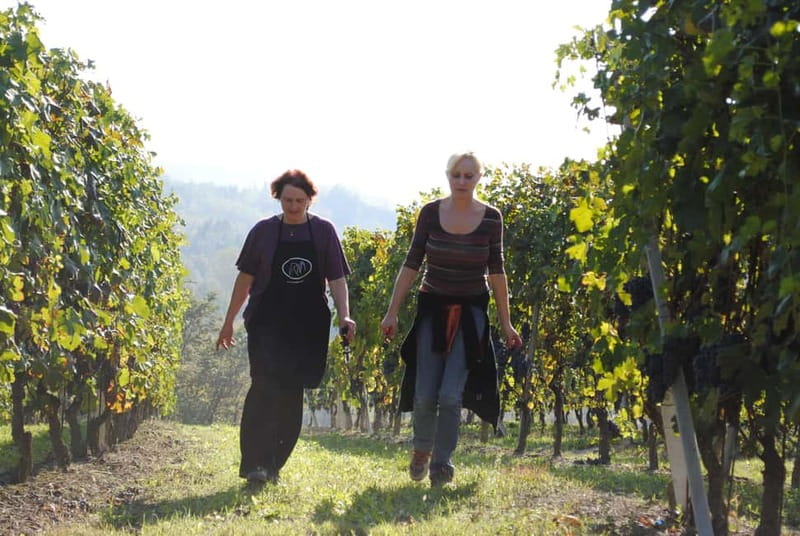
- Virna Borgogno is led by sisters Ivana and Virna Borgogno, with Virna recognized as the first Italian female Enologist.
- You see where Barolo actually ages, including oak barrels and rooms designed for long maturation.
- Barolo spends at least 18 months in oak before the final steps that shape the wine’s character.
- The tasting covers four distinct expressions: MGA Cannubi, MGA Sarmassa, Barolo DOCG Noi, and Barolo from the municipality of Barolo.
- You get a producer-style conversation, including history and soil details tied to what’s in your glass.
Barolo Tastes Like Terroir, Not Just a Grape
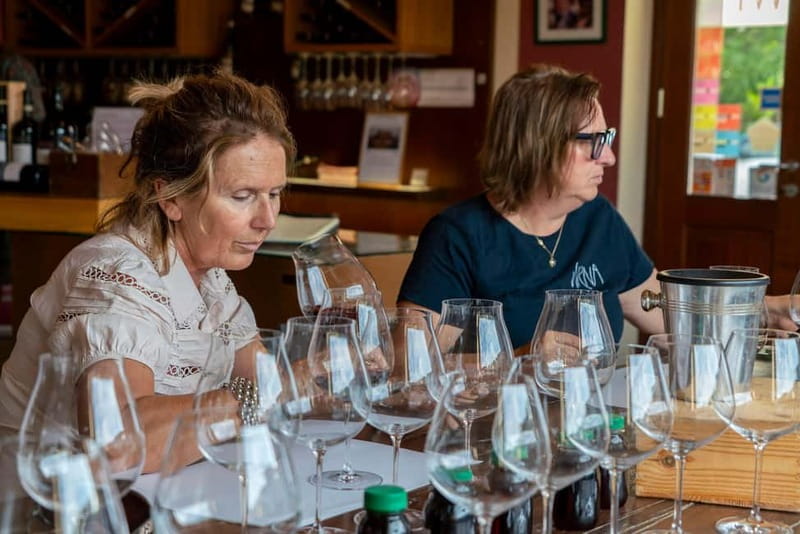
Barolo is built on Nebbiolo, but the cool part is how strongly place matters. On this tour, you’re not just drinking. You’re learning how the same grape can behave differently depending on slope, exposure, and soil types around Barolo.
The winery frames Barolo as a result of the territory. That sounds obvious until you’re tasting side-by-side: MGA Cannubi vs MGA Sarmassa, then a step into Barolo DOCG Noi, and finally a municipal bottling from the town itself. It’s the kind of structure that helps you stop thinking of Barolo as one flavor and start thinking of it as a map.
You’ll also get an easy primer on why people talk about Cru and MGA so much in the Langhe. The goal isn’t to overwhelm you with labels. It’s to make the differences feel practical while you’re tasting, so you can remember what to buy later.
Starting at Via Alba 73: A Quick, Straightforward Schedule
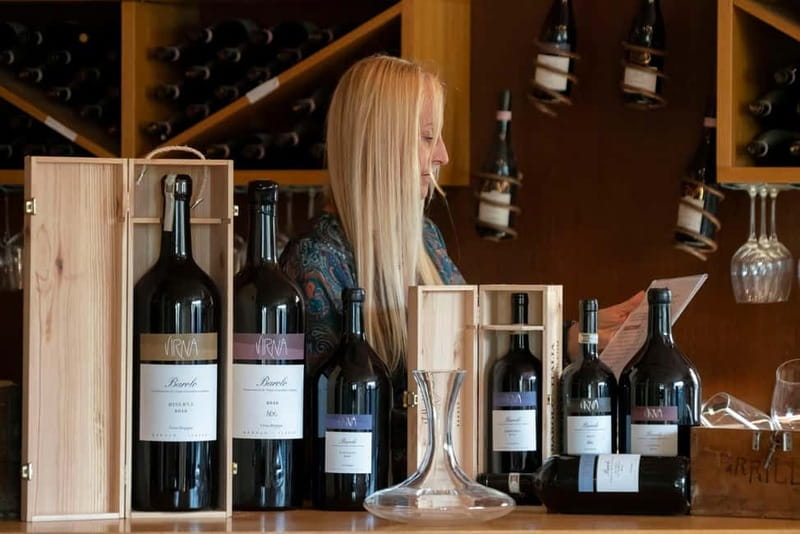
The tour starts at Via Alba, 73 in Barolo. From there, you head into the winery and keep things tight: about one hour total for the guided visit and tasting.
That short timing is both a plus and a warning. The plus is focus. You don’t burn half a day moving between viewpoints and waiting around. The warning is that you’ll need to pay attention from the first pour, because there isn’t time for a slow stroll through every corner of the property.
If you’re pairing this with other Piedmont stops, you’ll like how easy it is to slot in. Barolo can be packed with tastings, so a one-hour option can help you spread your spending across more than one winery.
The Virna Borgogno Farm Story: Three Generations, Two Sisters, One Style
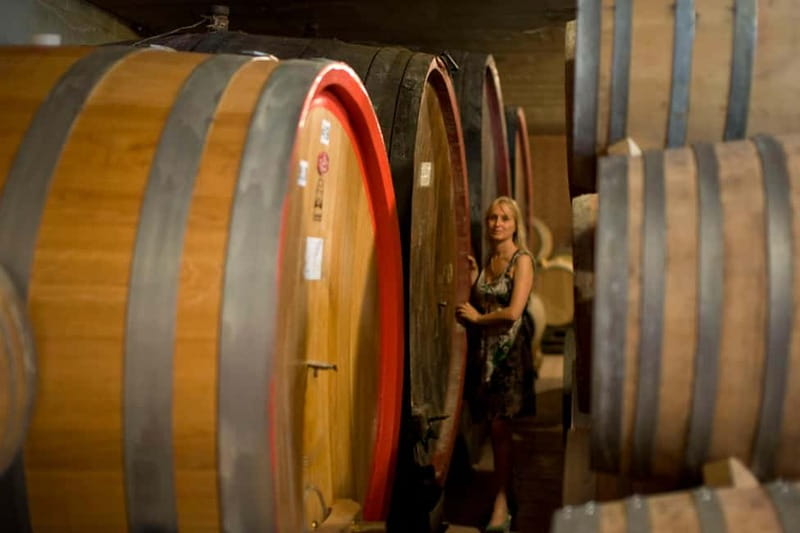
This isn’t a huge industrial operation. The Virna farm has produced wines for three generations, and today it’s run by sisters Ivana and Virna Borgogno.
Virna’s background is part of the tour’s personality. She was the first woman in Italy to earn the title of Enologist, which gives you extra context for why the wine is presented with attention to craft and precision. The winery also emphasizes a feminine touch in its approach—purity and elegance in Nebbiolo—so you’ll hear the philosophy while you’re standing among the barrels and later tasting.
You’ll notice the way the guide connects the story to production steps. That matters because Barolo can feel mysterious if all you do is read about it. Here, the narrative ties back to what you can see: vinification, aging, bottling, and the dedicated rooms where the wine rests in glass.
Walking Through the Cellar: Vinification, Bottling, and Bottle Aging
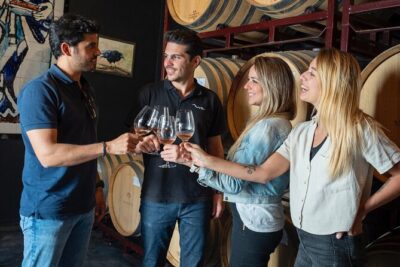
One of the best parts of this tour is how complete the walkthrough feels for the time you spend. You’re shown more than just the barrel room. You also get to see the bottle aging areas, plus the workflow around aging and bottling.
The bottle aging room is especially memorable because you can admire a collection of historic bottles of Barolo dating back to the 1960s. Even if you don’t know the specifics of each vintage, it gives you a sense of how long this wine’s story can last.
Practical tip: if you like wine history, arrive ready to look closely. This is the kind of room where the details stick because they’re visual—bottles stacked like time capsules.
Oak Barrels and 18-Month Patience
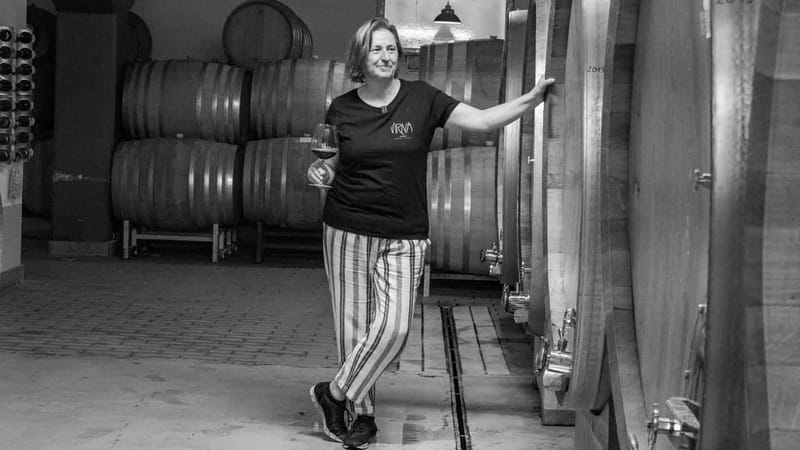
Barolo is famous for time in wood, and the tour doesn’t treat that as trivia. You’ll visit the aging rooms with oak barrels, where Barolo matures for at least 18 months.
That length is a big deal because it explains why the wine’s character changes as it ages. You’re not just tasting four different bottles on a whim—you’re tasting different stages of what the winery believes Nebbiolo should become with extended maturation.
What you should listen for during the explanation is how oak influences structure and texture, while terroir keeps steering the style. If you’ve ever tasted Barolo that seemed too harsh or too soft, this is the kind of process talk that helps you understand why bottles can land differently.
This is also where the tour feels most grounded. You can point to the barrels and talk about why that’s the heart of the work.
The Official Barolo Map: Soils, History, and Why MGA Matters
In the tasting portion, the guide shifts from wood to geography. You’ll see the official map of Barolo and learn about the history of the area and the soil characteristics that shape the wine.
This part is valuable because it gives you a framework you can reuse. After the tour, you should be able to glance at a wine list and understand what Cru and MGA usually signal, even if the bottle names vary.
And because the tour is structured around four tastings, the map doesn’t feel like a lecture you forget. You can connect what you’re hearing about soils to what you taste in the glass, in sequence.
If you want a Barolo experience that helps you buy smarter (instead of just buying what sounds fancy), this map-and-soil step is one of the key reasons the tour works.
Tastings in a Brick-Vaulted Room: Four Barolos, One Terroir Lesson
The tasting happens in a brick-vaulted tasting room, which helps the experience feel like a real stop on a working estate rather than a museum show.
You’ll taste four different Barolos:
- Barolo MGA Cannubi
- Barolo MGA Sarmassa
- Barolo DOCG Noi
- Barolo from the municipality of Barolo
Here’s why this lineup is smart for your palate. MGA Cannubi and MGA Sarmassa give you two strong, recognizable expressions to compare. Then Noi and the municipal Barolo broaden the lesson beyond just two famous names. You’re training your tongue to notice differences in where the wine comes from, not just differences in what you happen to like.
If you’re a Nebbiolo fan, you’ll likely enjoy how the tasting order helps you track the logic. If you’re newer to Barolo, don’t stress about memorizing every detail. Just focus on what you notice first: aroma intensity, tannin feel, and how the finish lingers.
Also, pay attention to the conversation. One of the strongest signals from past visitors is that the guide and producer explanations can be excellent, including time to talk like it’s a real winery conversation.
Food note: one review pointed out the accompaniment can be minimal, like a few grissini. That means you may want a snack beforehand if you get hungry during tastings.
Price and Value: Is $47 Fair for This One-Hour Experience?
$47 per person is not a bargain, but it can be fair value depending on what you want.
You’re paying for three things at once:
- A guided winery visit that includes production areas and aging rooms
- A tasting of four Barolos
- Explanations tied to the map, soils, and terroir rather than generic winery talk
For a one-hour format, the inclusion of four wines is a key part of the math. If you’ve done tastings where you get fewer pours for similar money, the value here usually improves because you’re getting more direct comparisons.
The trade-off is that the tour is short and may feel rushed if you prefer lingering or slower pacing. Also, if you expect a more substantial snack pairing, you might find the experience lighter on food than you’d like. One visitor also felt it was pricey for what was tasted and toured, which is the main type of downside to keep in mind.
My take: this is good value if you want terroir context and real producer access. It’s less good value if you mainly want a long winery walk plus a relaxed meal.
Who This Tour Suits Best (and Who Might Prefer Something Else)
This tour fits you well if:
- You love Barolo or you’re actively trying to learn it through tastings
- You want a producer-led experience rather than a generic tourist circuit
- You like to buy bottles with a reason, not just because a label looks beautiful
- You’re the type who enjoys seeing barrels and bottle aging rooms, not only tasting at a counter
You might want a different option if:
- You expect a long, unhurried visit with lots of food pairing
- You don’t want to feel on a schedule (one hour is compact)
- You’re sensitive to price and prefer to negotiate or compare more time at the cellar
Quick FAQ
FAQ
How long is the Barolo guided winery visit and tasting?
It lasts about 1 hour.
How much does the tour cost?
The price is $47 per person.
What Barolos do you taste during the tour?
You taste four Barolos: Barolo MGA Cannubi, Barolo MGA Sarmassa, Barolo DOCG Noi, and Barolo from the municipality of Barolo.
Where is the meeting point?
The tour starts at Via Alba, 73 in Barolo.
What languages are the live guides available in?
The live tour guide can be in Italian, English, or French.
Is cancellation possible for a full refund?
Yes. You can cancel up to 24 hours in advance for a full refund.
Should You Book This Barolo Visit at Virna Borgogno?
If you’re choosing among Piedmont tastings and you want something focused, this is a strong pick. The combination of a winery walk (including oak barrels and bottle aging), plus a structured tasting of four Barolos that map directly to terroir, is exactly the kind of learning-by-tasting experience that helps you understand what you like.
Book it if you value producer conversation and want a non-touristy feel in Barolo. Skip it if you mainly want a long leisurely outing with heavy food pairing, or if you’re worried that a one-hour schedule might feel rushed.
In short: for Nebbiolo learners and Barolo buyers, this one-hour format is practical, and the cellar access makes the tasting feel earned.