REVIEW · AUXERRE
Chablis: Visit of the Grand Cru vineyard
Book on GetYourGuide →Operated by Domaine Céline et Frédéric Gueguen · Bookable on GetYourGuide
Chablis Grand Cru education should be this practical. This 2-hour visit pairs a guided Grand Cru vineyard walk with a tasting of 5 wines, using the AOC system to explain why Chablis tastes the way it does. I especially like how the walk turns the “terroir” word into something you can actually picture, and how the tasting connects each pour to origin, aging potential, and grape variety.
One thing to consider: you’ll be on your feet, and the experience can shift a bit if conditions are rough (one guest noted a weather-related reduction in the tasting and added stops).
In This Review
- Key points to know before you go
- What makes this Chablis Grand Cru visit worth your time
- Starting at Domaine Céline et Frédéric Gueguen (and how the timing works)
- The 50-minute Grand Cru walk: what you should focus on
- Practical tip while walking
- How AOC rules shape the wine in your glass
- The tasting of 5 wines: what to watch for
- What you can do to get more out of the tasting
- When conditions change
- Price and value: does $58 feel fair?
- Weather, walking stamina, and comfort considerations
- Who should book this Chablis Grand Cru tour?
- Who might want to skip
- Should you book the Chablis Grand Cru vineyard and tasting?
- FAQ
- How long is the Chablis Grand Cru vineyard visit?
- Where does the tour start?
- What is included in the price?
- Are the wines from Gueguen?
- What language is the guide available in?
- Do I need walking shoes?
- Will I see the Grand Cru vineyards during the tour?
- How many wines do I taste?
- Is there free cancellation?
- Can I book without paying right away?
Key points to know before you go
- Grand Cru vineyard walk led at a human pace, not a rushed sprint
- 5-wine tasting focused on origin (Chablis or Auxerre), aging, and grape variety
- AOC system context so the rules make sense once you taste
- Comfort matters: you’ll want proper walking shoes
- Friendly, question-friendly guide from the start to the last sip
What makes this Chablis Grand Cru visit worth your time
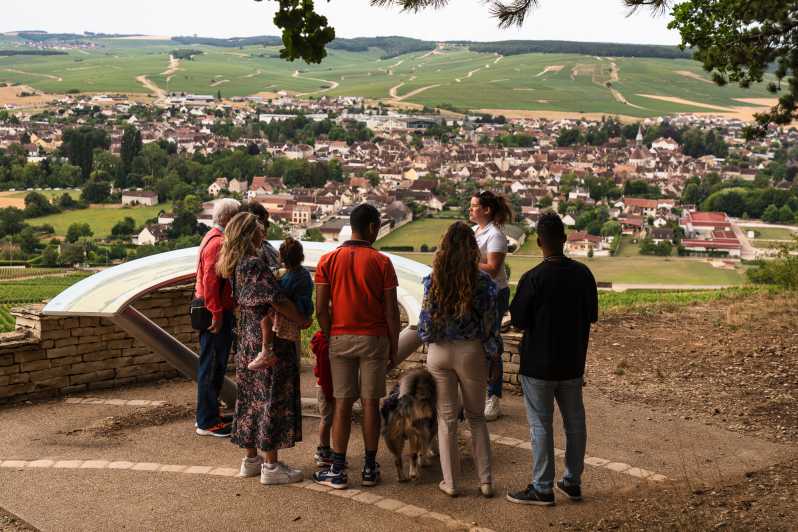
Chablis can feel like a big name on a wine label. This tour makes it smaller and more real. You start with the vineyard setting, then you translate what you saw into what you taste.
I like that the teaching stays tied to the grapes in your glass. The guide uses the Appellation d’Origine Contrôlée (AOC) system as the backbone, so the big-picture rules of Chablis don’t float around as theory. You’ll get a clear sense that winemaking is a year-round job, and the vineyard is the starting point for everything.
At the same time, this isn’t a lecture only for experts. It’s designed for normal wine curiosity, including people who just want to understand why certain bottles age well and why some taste more like place than like style.
Starting at Domaine Céline et Frédéric Gueguen (and how the timing works)
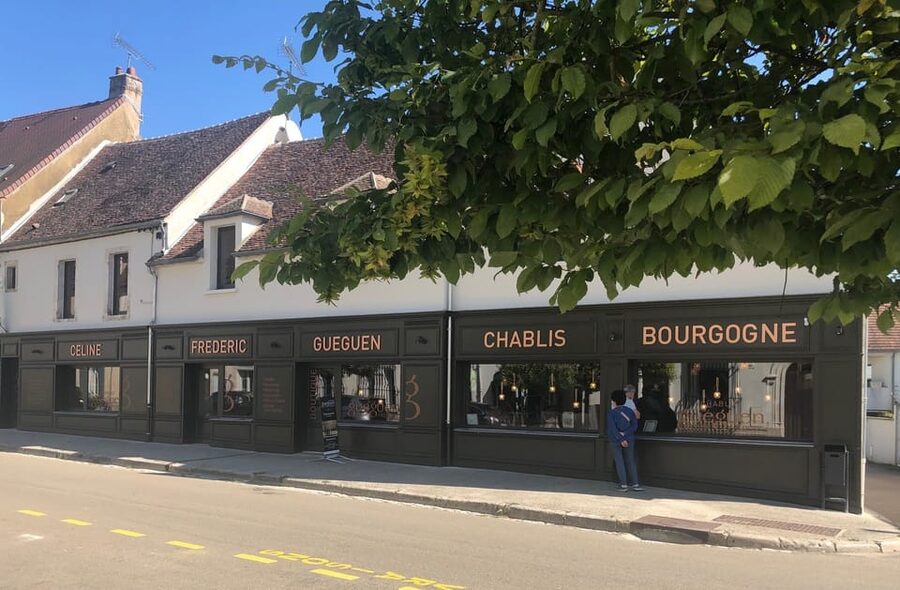
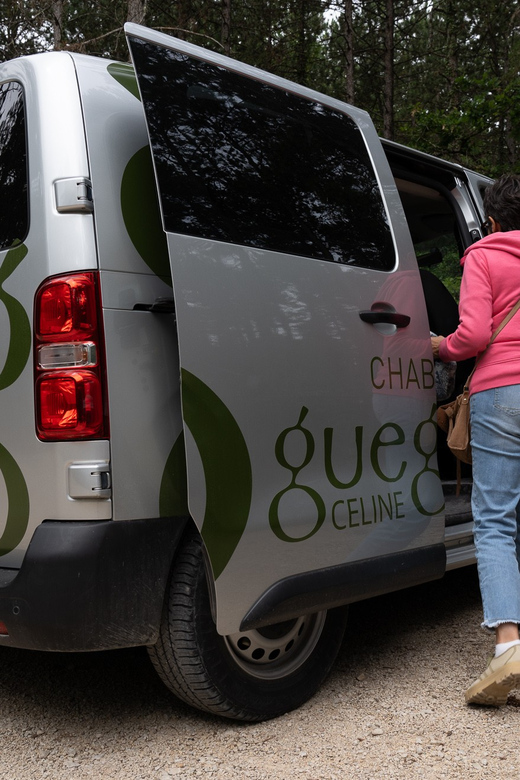
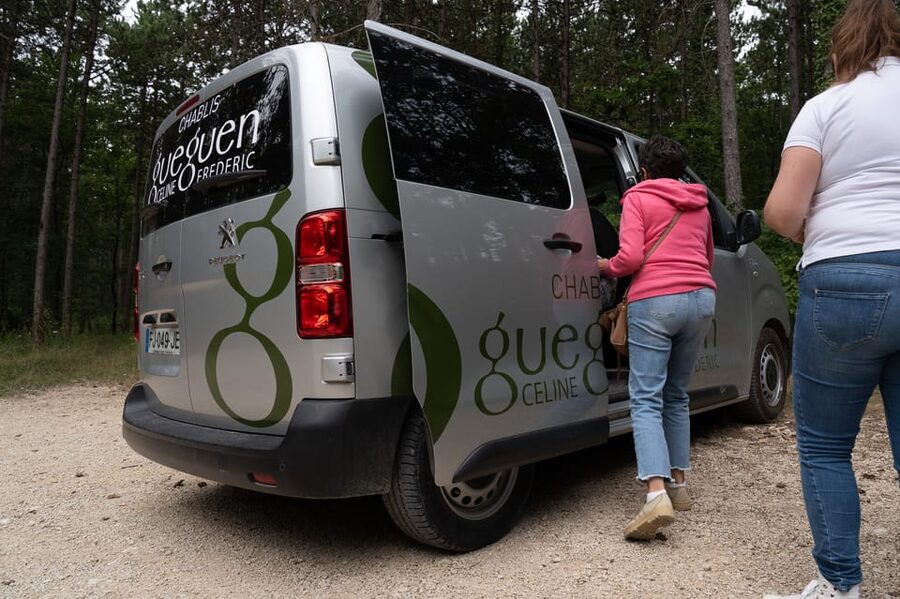
The experience meets at Céline et Frédéric Gueguen. You’ll get set up there before a short van transfer. Expect a quick start, with about 5 minutes by van before you’re out where the vines are.
This matters because it saves you from the “how do I get there?” problem. You’re not trying to interpret signage while also juggling a tasting plan. Once you’re at the vineyard, you spend the majority of your time where it counts.
The route is built around a simple rhythm: a short ride, a longer walk, then you return. One more 5-minute van gets you back after the vineyard portion.
The 50-minute Grand Cru walk: what you should focus on
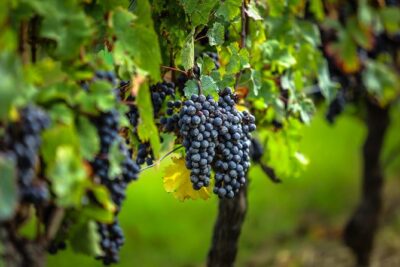
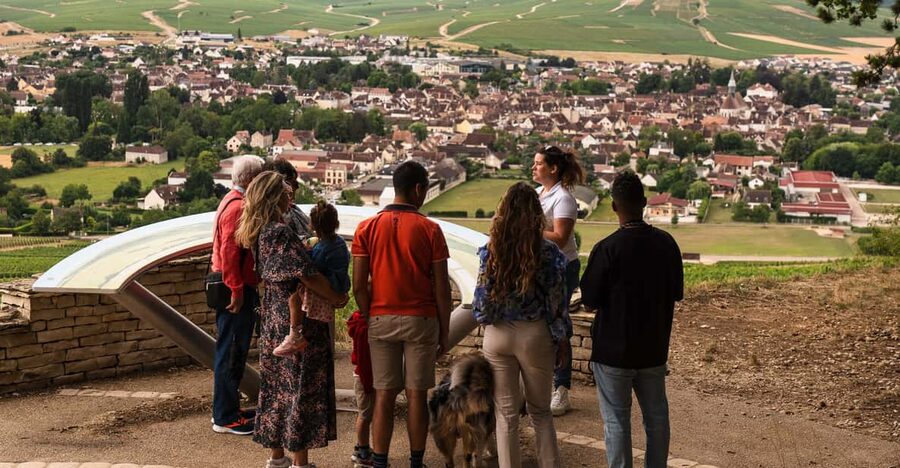
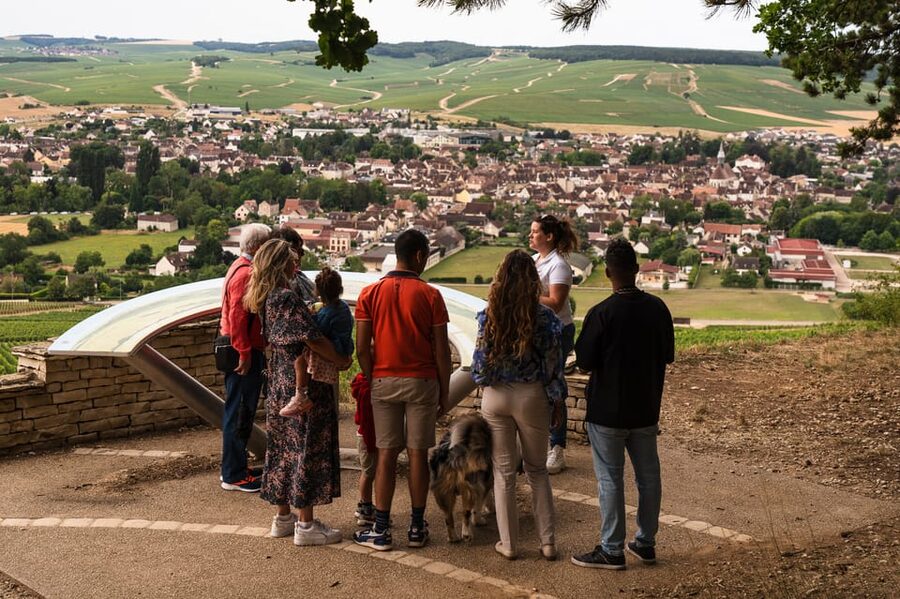
The heart of the tour is the commented walk in the Chablis Grand Cru vineyard, about 50 minutes. The pace is walk-and-look, with sightseeing and scenic views along the way.
Bring walking shoes. It sounds obvious, but in vineyards you really feel the difference between flexible soles and smooth city shoes. If your feet get tired, your attention drops, and this tour only works if you stay present for the explanation happening in the rows.
During the walk, you’re learning viticulture as a craft, not just as a romantic idea. That means you’ll hear about what’s done in the vineyard and how the work supports what ends up in the bottle later. The goal is to help you connect the vines you’re seeing with the flavors you’ll taste afterward.
Practical tip while walking
Use the walk time to think like a taster. Ask yourself: which parts of the explanation sound like they affect structure and aging? Those are the ideas you’ll want fresh in your mind when the tasting starts.
How AOC rules shape the wine in your glass
AOC can sound like paperwork. On this tour, it’s treated like a map. The guide explains the intricacies of the AOC system as part of how viticulture decisions translate into wine character.
Why that’s valuable: when you taste a wine later, you can stop guessing. You’ll have a framework for what’s allowed, what’s expected, and how “place” is protected. Even if you don’t remember every detail, you’ll remember the concept: the rules don’t replace nature, they steer it.
You’ll also hear how winemaking is tied to the calendar. Several guests highlight that the guide talks about the winemaker’s year-round dedication and that answers come naturally during Q&A. If you like asking questions, this format is friendly to it.
This portion is also a good bridge for first-timers. Instead of learning random wine facts, you learn the logic connecting vineyard choices to wine style.
The tasting of 5 wines: what to watch for
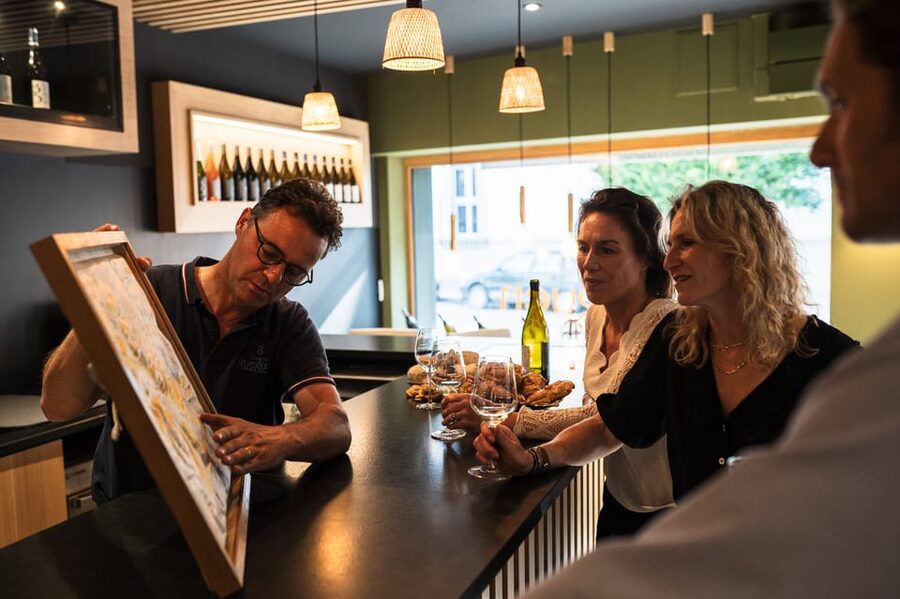
After the vineyard walk, you head back and do a commented tasting of 5 wines, all from Gueguen’s lineup. This is where the tour becomes practical: you can test the ideas from the vineyard explanation against actual wine in your hand.
The tasting isn’t just pass/fail. The guide walks you through the unique profiles of each wine, including:
- origins from Chablis or Auxerre
- ageing potential
- the distinct grape varieties that define the selections
That list is the sweet spot for most wine visitors. Origin tells you to think place. Aging potential helps you understand structure, not just flavor. Grapes help you stop treating all white wine the same.
What you can do to get more out of the tasting
- Take notes on origin and aging. Even quick notes help you recognize patterns later in Burgundy.
- Smell once, then sip slowly. The guide’s comments will start to make sense only after you give the wine time.
- If you care about temperature and glass presentation, pay attention. One guest had a complaint about glasses and wine temperature not being ideal, so it’s worth using your senses and asking if anything feels off.
When conditions change
Bad weather can affect timing. One guest described a reduced or altered flow and smaller tasting pours when the weather didn’t cooperate. If it looks gloomy, go with flexible expectations and focus on learning rather than volume.
Price and value: does $58 feel fair?
At $58 per person for 2 hours, you’re paying for two specific things: guided vineyard time and a guided tasting of 5 wines. That’s not just “show up and drink.” You’re paying for context that connects the vineyard to the bottle.
Value depends on your goal:
- If you like structured wine education, this is a strong fit. The tour uses the AOC system and terroir-focused commentary to give you tools you can reuse when you shop for bottles later.
- If you only want a big tasting with lots of liquid and minimal explanation, the price can feel steep. One guest felt it was priced too high and noted that buying bottles is part of the experience.
Also, 2 hours is a good length for a vineyard + tasting combo. It’s short enough that you won’t lose the day to wine logistics, but long enough for you to move from vineyard observations to wine understanding.
My advice: if you enjoy asking questions and you want your tasting to have a purpose, this price is easier to swallow.
Weather, walking stamina, and comfort considerations
This is a vineyard walk, so weather is real. If rain, wind, or slick ground shows up, the tour can shift. One guest mentioned a weather day with a quicker view from a lookout point and an added visit related to winemaking equipment, plus smaller tasting amounts.
You don’t get details on how often plans change, so the best move is to plan for the possibility. Bring shoes you trust on uneven ground, and dress in layers so you can handle shifting conditions.
Group tours also mean you’re not controlling pacing. If you’re the type who wants quiet, solo time in the vines, you might find it less relaxing than a self-guided stroll. But if you like moving with a guide and getting answers in the moment, that structure is a plus.
Who should book this Chablis Grand Cru tour?
This tour fits best if you’re in one of these categories:
- You want a guided vineyard walk instead of only tasting.
- You’re curious about how AOC rules and viticulture choices shape what you’ll drink.
- You enjoy tastings where the guide discusses origin, aging potential, and grape variety.
- You speak English or French and prefer a live guide.
It’s also a decent choice if you’re visiting Burgundy for the first time and want one clear, focused experience rather than trying to stitch together vineyard visits on your own.
Who might want to skip
Skip or reconsider if you hate walking, or if your main goal is maximum pour volume with minimal instruction. Also, if you’re highly sensitive to tasting setup—glass shape, temperature, and attention to service—keep your expectations flexible. The tour is generally well regarded, but one guest raised an issue on these points.
Should you book the Chablis Grand Cru vineyard and tasting?
I think you should book if you want a smart, compact Chablis experience: Grand Cru vineyard context plus a guided tasting of 5 wines. For the money, the value comes from the explanations that connect AOC, terroir, and what’s in the glass. You’ll leave with a clearer way to think about Chablis (and Auxerre) instead of just a list of bottles you sampled.
If you’re deciding last minute, use this quick checklist:
- You’re comfortable wearing walking shoes.
- You enjoy guided learning, not just drinking.
- You want to understand origin and aging potential, not only taste notes.
- You can handle the occasional adjustment if weather interferes.
If those are true, this is a worthwhile afternoon in Chablis.
FAQ
How long is the Chablis Grand Cru vineyard visit?
The experience lasts 2 hours.
Where does the tour start?
It starts at Céline et Frédéric Gueguen.
What is included in the price?
You get a commented walk in the Chablis Grand Cru vineyard and a commented tasting of 5 wines.
Are the wines from Gueguen?
Yes. The tasting features 5 wines from Gueguen.
What language is the guide available in?
The live tour guide is available in English and French.
Do I need walking shoes?
Yes. Walking shoes are recommended since the visit includes a vineyard walk.
Will I see the Grand Cru vineyards during the tour?
Yes. The tour includes a guided Grand Cru vineyard walk.
How many wines do I taste?
You’ll taste 5 wines during the tasting session.
Is there free cancellation?
Yes. You can cancel up to 24 hours in advance for a full refund.
Can I book without paying right away?
Yes. There is a reserve now & pay later option so you can book and pay nothing today.