REVIEW · BARBERINO TAVARNELLE
Chianti: Vineyard to Bottle Winery Visit with Tastings
Book on GetYourGuide →Operated by Soc Agr Casa Sola · Bookable on GetYourGuide
A wine tasting with a view beats a spreadsheet. This Chianti vineyard-to-bottle visit at Casa Sola Winery mixes a vineyard walk, a cellar tour, and a guided tasting in a family-run estate setting. You’ll get the story behind the bottles without feeling rushed, and you’ll leave with a better sense of what makes this part of Tuscany taste like Chianti.
What I like most is the hands-on pace: you start outside in the vineyards and olive groves, then shift into the winemaking process underground. I also really enjoy the tasting lineup—Chianti Classico, Chianti Classico Riserva, and Montarsiccio I.G.T., finished with Vin Santo, plus olive oil and balsamic on Tuscan bread.
One thing to consider: it’s about 1.5 hours total, so it’s not a long sit-and-savor meal experience. If you’re hoping for extra time at the table or a full charcuterie spread included, you’ll likely want to add food on site.
Key highlights (quick hit list)
- Vineyards + olive groves walk: guided stroll with scenic views and growing methods explained
- Cellar access: you’ll step into the winemaking space, not just look at labels from the gift shop
- Tasting with real comparisons: Chianti Classico vs Riserva, plus Montarsiccio I.G.T. as the twist
- Vin Santo finish: dessert wine is part of the core tasting, not an optional extra
- Olive oil and balsamic pairing: served with Tuscan bread for a practical taste lesson
In This Review
- Casa Sola Winery: what this Chianti visit gets you in 1.5 hours
- The warm welcome and your 40-minute vineyard walk
- What the cellar tour adds to the Chianti story
- The tasting lineup: Chianti Classico, Riserva, Montarsiccio, and Vin Santo
- Olive oil, balsamic, and Tuscan bread: the practical pairing lesson
- Timing and pacing: how to fit this into a Chianti day
- Price and value: why $37 makes sense for this format
- Who this tour fits best (and who might want something else)
- Book it or skip it: my straight advice
- FAQ
- How long is the Casa Sola Chianti vineyard-to-bottle visit?
- What does the tour include?
- Which wines are served during the tasting?
- Is transportation included?
- Is there food included besides wine?
- Can kids join the tour?
- What languages is the guide available in?
- Does the tour run in bad weather?
- Where do we meet?
Casa Sola Winery: what this Chianti visit gets you in 1.5 hours
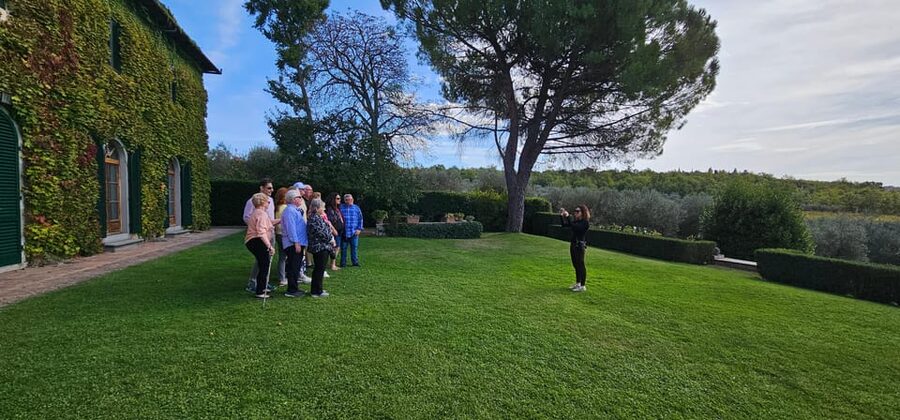
Casa Sola Winery sits in the Chianti area between Florence and Siena, and the whole experience is built around one idea: you should understand the vineyard and the cellar as one story. It’s a family boutique estate, and the tour leans personal rather than corporate.
At $37 per person for about 1.5 hours, this is the kind of tasting that feels like good planning, not a splurge. You’re paying for a guided sequence (walk → cellar → tasting), plus multiple food-and-drink elements: a sit-down tasting of several wines, and tastings of extra-virgin olive oil and balsamic dressing on Tuscan bread.
The overall vibe is intimate. Even with a group setting, the pacing is designed so you can actually follow what the guide is explaining. In the past, guides like Andrea have been singled out for being friendly and upbeat, which matters because wine tours can get dry if the guide isn’t connecting it to your senses.
The warm welcome and your 40-minute vineyard walk
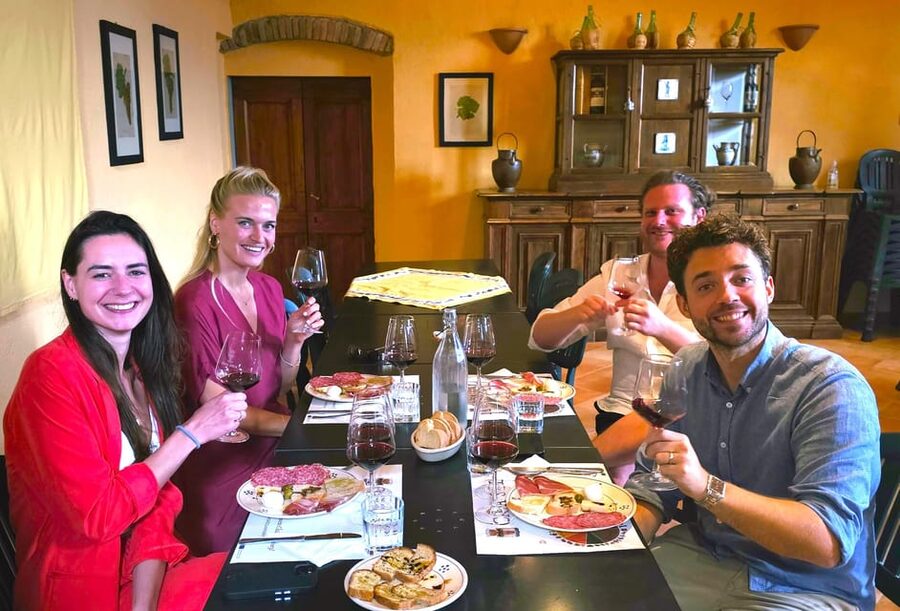
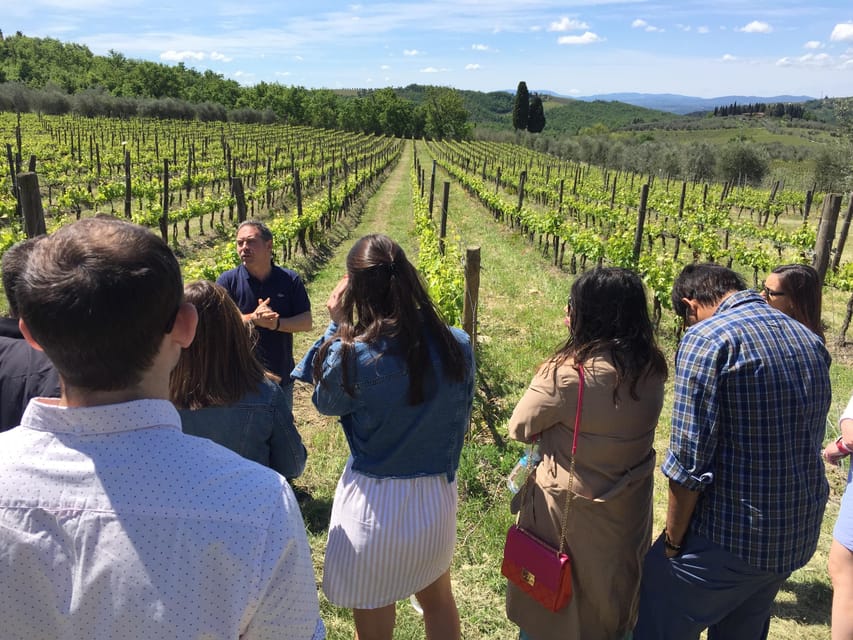
The tour starts at the front entrance of Casa Sola, where you’ll get a hearty welcome before you head out. This first stretch matters more than it seems. When you arrive straight after parking or getting your bearings, your brain is still in city mode. The walk flips you into countryside mode fast.
You’ll spend about 40 minutes on a guided stroll through the vineyards and olive fields, with scenic views along the way. The guide talks about growing methods and the way the Chianti area develops over time. Since the winery is described as organic, you also get hints of what that means in practice—how attention to farming affects the flavor in the glass later.
Comfort tip: bring comfortable shoes. You’re walking on estate paths, and you’ll want stable footing so you can enjoy the scenery instead of watching your step the whole time.
A practical upside of the walk: it gives you context for the tasting. By the time you return to the winery, “Chianti” isn’t just a label anymore. You’re already thinking in terms of terrain, vines, and what the grapes might be responding to.
What the cellar tour adds to the Chianti story
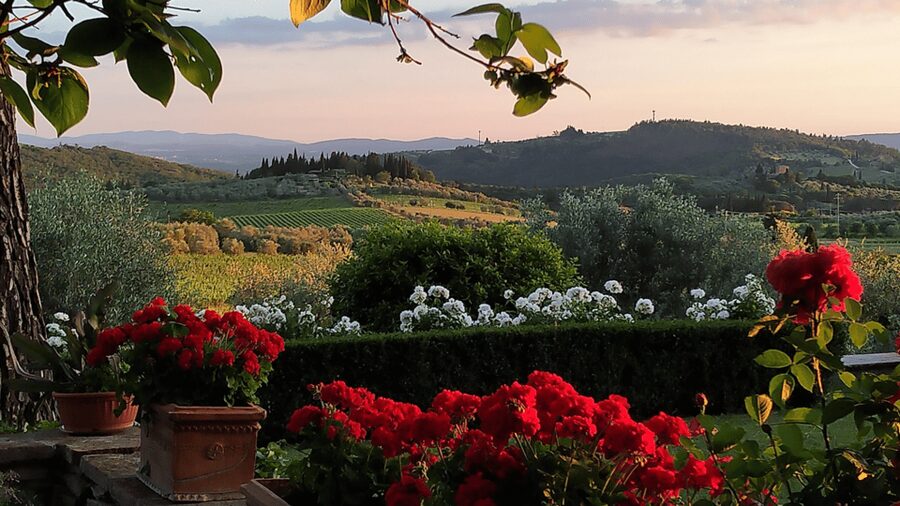
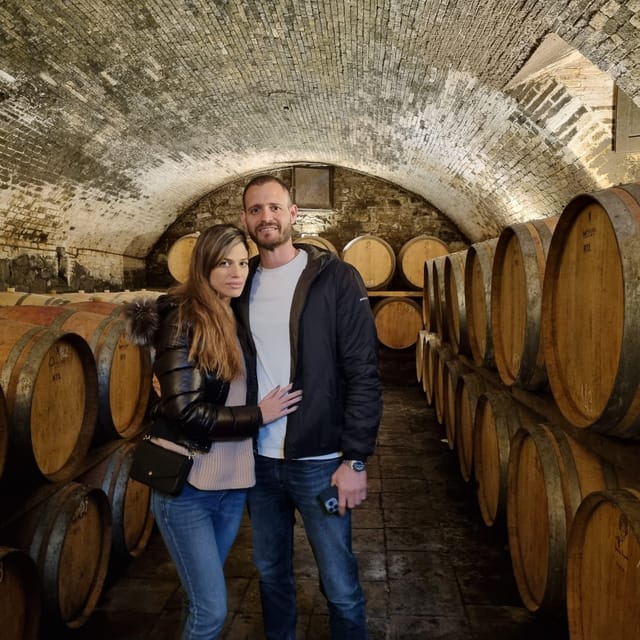
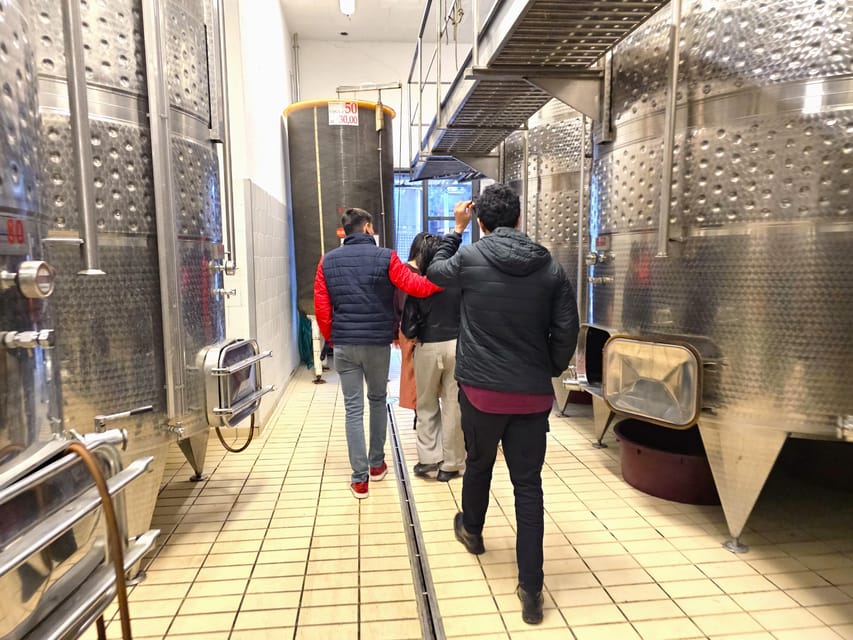
After the vineyard and olive grove portion, the tour moves into the wine cellar for a guided look at how the wines are made and aged. This is where the experience becomes more than a tasting.
You’ll hear about winemaking steps like fermentation and the craft behind aging in different types of barrels. Even if you’re not a wine geek, you can connect the dots quickly: the cellar is where the raw fruit becomes something more structured and complex. It’s also the place where you can ask questions and get answers in plain language.
Access to the cellar is a big part of why this tour feels atmospheric. Being in the working environment (instead of just standing in a tasting room) makes the whole process feel real. The setting also helps you slow down and pay attention to what changes between vines, tanks, barrels, and bottles.
One potential drawback: if you’re the type who wants a lot of technical depth or extra detail about specific aging schedules, this tour may feel more “guided overview” than lab report. Still, for most visitors, the balance is right.
The tasting lineup: Chianti Classico, Riserva, Montarsiccio, and Vin Santo
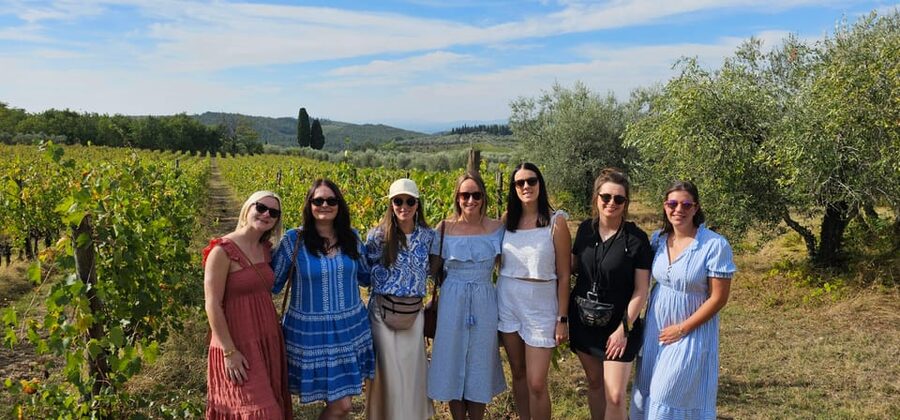
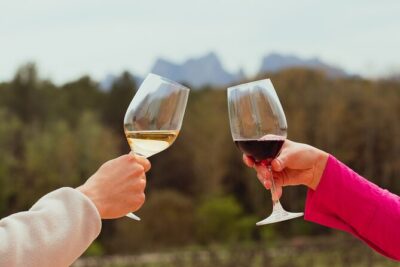
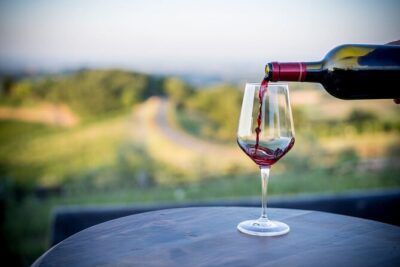
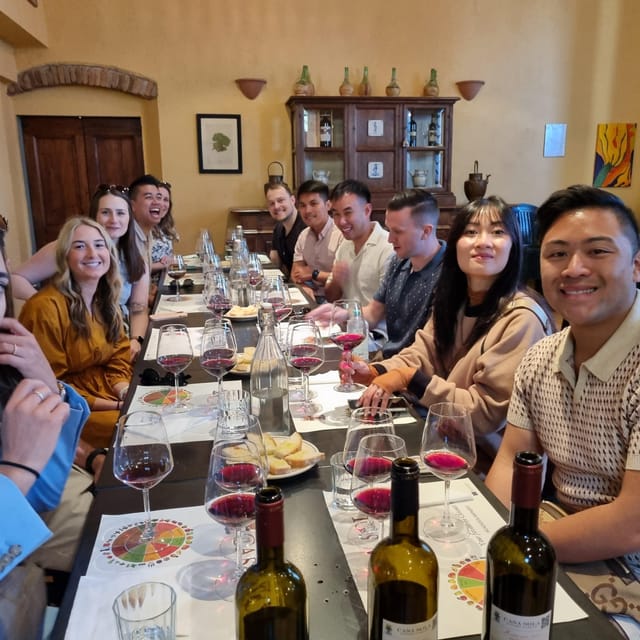
The tasting is the centerpiece, and it’s thoughtfully structured. You’ll sit down for three Casa Sola red wines plus one dessert wine. The wines named for this experience are:
- Chianti Classico
- Chianti Classico Riserva
- Montarsiccio I.G.T. (a Supertuscan style)
- Vin Santo (dessert wine)
Here’s why that lineup is useful for your taste education. Many tastings hand you three similar bottles and call it variety. This one compares categories. You can taste how Chianti Classico differs from Chianti Classico Riserva, and you can see how a Montarsiccio I.G.T. leans into a different style. The guide will also walk you through what to look for in flavor and aroma so you know what to notice instead of just drinking.
A well-run guide helps you learn faster. In the German-language feedback, visitors highlighted learning lots of interesting facts about wine production and enjoying great Chianti Classico. In English and French feedback, the theme is consistent: friendly, informative guidance paired with delicious wine.
Then comes the finish: Vin Santo. Dessert wine can be hit-or-miss on tours, but here it’s part of the standard tasting. It gives you a satisfying end note and helps you understand the broader Tuscan tradition beyond table reds.
Olive oil, balsamic, and Tuscan bread: the practical pairing lesson
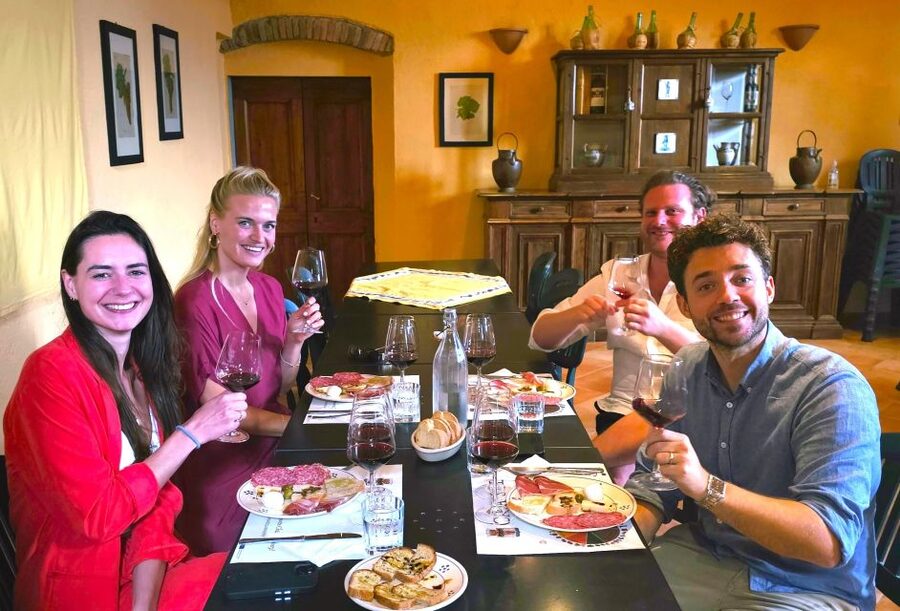
The tasting doesn’t stop at wine. You’ll also sample extra-virgin olive oil and balsamic dressing, served with traditional Tuscan bread, plus a Tuscan baked product.
This matters because olive oil and vinegar aren’t just side items in Tuscany—they’re part of everyday flavor culture. When you taste them alongside wine, you start thinking like a local cook rather than like a collector.
Balsamic dressing especially helps you understand acidity and sweetness in a different way than wine does. Olive oil gives you a texture and aroma component that changes how the wine feels in your mouth. After you try both, the next time you eat in Tuscany, you’ll spot why simple bread and oil can taste so good.
If you’re hoping for a bigger snack board—cheese, bruschettas, and charcuterie are available on request and paid on site. So plan to treat this as a tasting-first experience, with the option to extend it if you want more food.
Timing and pacing: how to fit this into a Chianti day
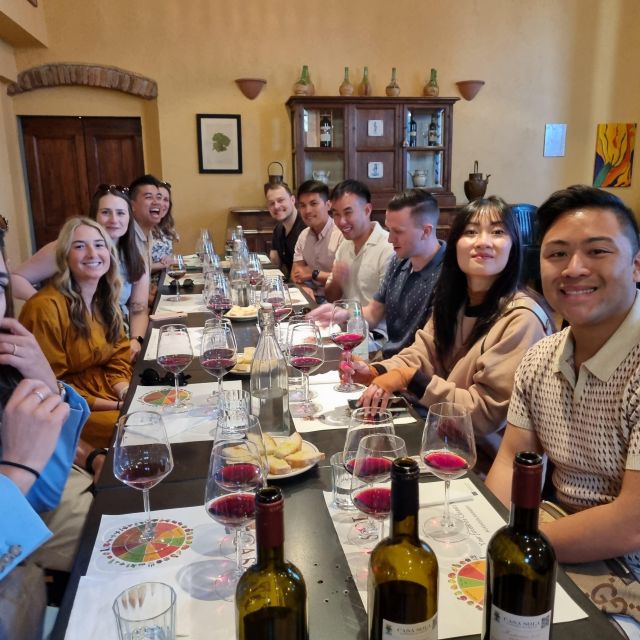
The total duration is listed as 1.5 hours, which is a sweet spot. Long enough to do the walking, cellar time, and the sit-down tasting. Short enough that it won’t eat your whole day.
The structure is clear:
- Start outdoors in the vineyards and olive fields
- Then head into the cellar for the production story
- Finish with a guided tasting sitting down
That pacing helps because it reduces the “tour fatigue” you can get when everything is indoors. You get light exercise, then you get to focus. Rain or shine, the tour runs, and the provider may modify the itinerary if conditions are bad—so you’ll want to check the day-of weather and plan layers.
Practical tip: since it’s a guided experience with multiple tastings, you’ll enjoy it more if you keep your day’s schedule calm around it. Don’t stack it back-to-back with something that requires you to be mentally sharp right afterward.
Price and value: why $37 makes sense for this format
Let’s talk value in plain terms. At $37 per person, you’re paying for:
- Guided vineyard and olive grove visit
- Cellar tour
- Sit-down tasting of four wines (three reds + Vin Santo)
- Tastings of extra-virgin olive oil and balsamic dressing
- Tuscan baked product and still water
For a Chianti experience, the key value driver isn’t just that you get multiple sips. It’s that you get multiple contexts: the vineyard setting, then the cellar process, then a curated tasting lineup. That’s what turns “wine tasting” into actual understanding.
If you find cheaper tastings, they often skip the vineyard walk or keep the cellar part minimal. Here, the estate walk and the cellar access are built into the main plan. That’s the difference between a quick stop and a real experience.
Who this tour fits best (and who might want something else)
This works especially well if you:
- Want an easy-to-follow guided tour with clear explanations in English, French, or Spanish
- Prefer a family-run estate vibe over a large, production-line style tasting
- Like the idea of tastings that include both wines and local food flavors (olive oil, balsamic, Tuscan bread)
It’s also a smart choice if you want a taste of Chianti without planning transportation into the countryside for a half-day. Because it’s just 1.5 hours, you can usually fit it into a larger itinerary between Florence and Siena.
Kids are welcome, but no wine will be served. So this is family-friendly in terms of admission and activities, but it’s still a wine-focused program.
If you’re the type who wants a longer meal with wine pairings and a slow, lingering afternoon, you might feel time-limited here. Think of it as a focused introduction that you can build on, not a full day of gourmet dining.
Book it or skip it: my straight advice
I’d book this if you want a balanced Chianti education with the practical stuff you can taste: wine, olive oil, balsamic, and a cellar that makes the process feel real. The guided vineyard walk plus the sit-down tasting is a strong combo for the time and price, and guides like Andrea being friendly and informative is exactly the kind of quality that improves your experience.
Skip it if you’re searching for an extended, food-heavy lunch with lots of free time. This tour is about doing the essentials well in a short window. It doesn’t pretend to be a three-course wine feast.
If your goal is to leave feeling like Chianti makes sense—vineyard to bottle—you’ll likely be happy you booked.
FAQ
How long is the Casa Sola Chianti vineyard-to-bottle visit?
It lasts about 1.5 hours.
What does the tour include?
You get a guide, a tour of the vineyards and olive fields, a cellar tour, and a sit-down wine tasting of three red wines plus one dessert wine. You also taste extra-virgin olive oil and balsamic dressing with Tuscan bread, plus still water and a Tuscan baked product.
Which wines are served during the tasting?
The tasting includes Chianti Classico, Chianti Classico Riserva, Montarsiccio I.G.T., and Vin Santo (dessert wine).
Is transportation included?
No, transportation is not included.
Is there food included besides wine?
You’ll have Tuscan baked product and Tuscan bread with extra-virgin olive oil and balsamic dressing. Cheese, bruschettas, and charcuterie are available on request for payment on site.
Can kids join the tour?
Children are welcome, but no wine is served to children.
What languages is the guide available in?
The live tour guide is available in English, French, and Spanish.
Does the tour run in bad weather?
Yes, it runs rain or shine, and the provider may modify the itinerary if conditions are adverse.
Where do we meet?
You meet at the front entrance of Casa Sola Winery.