REVIEW · PORTO
Douro Valley: Winery Tour at Quinta do Tedo and Tastings
Book on GetYourGuide →Operated by Quinta do Tedo · Bookable on GetYourGuide
One hour here makes Douro wine click. At Quinta do Tedo, an 18th-century estate above the Douro–Tedo confluence, you get a guided look at the vineyards and cellars and then taste Porto and red wine. I love the estate-grown organic grapes and the way the guide connects each production step to what ends up in your glass.
I also love the over-the-river tastings in a renovated old tasting room. The main drawback: this is a tight, focused visit, so if you want a long, slow tasting session or heavy food pairing, you may feel a bit rushed.
In This Review
- Key things you will notice fast
- Quinta do Tedo: terraced vines above the Douro–Tedo meeting point
- The guided tour: vineyards, olive orchards, and real estate farming
- Lagares, old cellars, bottling, and hand-labeling: what you learn before you taste
- The tasting in the renovated 18th-century room
- Organic grapes and Class A vineyards: what that rating means in plain terms
- Shopping time: 5 minutes is enough if you go in with a plan
- Price and timing: does $42 buy enough wine education?
- Who should book this Quinta do Tedo tour
- Before you go: languages, meeting point, and how scheduling works
- Should you book the Douro Valley Winery Tour at Quinta do Tedo?
- FAQ
- Where is the meeting point?
- How long is the experience?
- What happens during the tour?
- What wine do you taste?
- What languages are available for the guide?
- Is the tour wheelchair accessible?
Key things you will notice fast
- Douro–Tedo confluence views from an 18th-century winery setting
- 100% estate-grown organic grapes, from 37 acres rated Class A
- A full guided walk through vineyards and olive orchards
- Clear explanations of Porto and red wine production, including foot-treading in lagares and aging in old cellars
- Portos and red wines tasted at the end, plus a short window for shopping
Quinta do Tedo: terraced vines above the Douro–Tedo meeting point
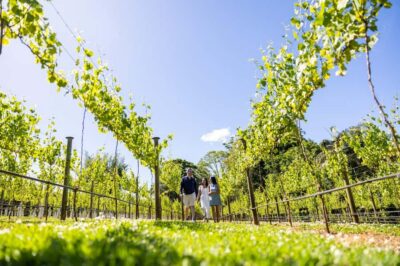
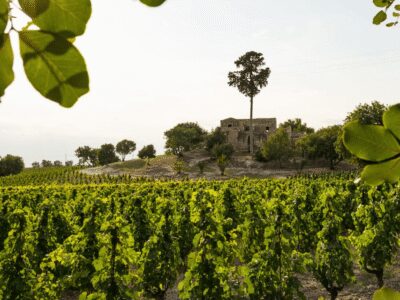
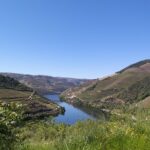
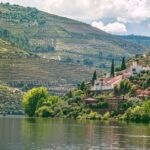
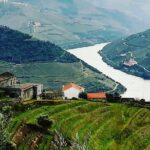
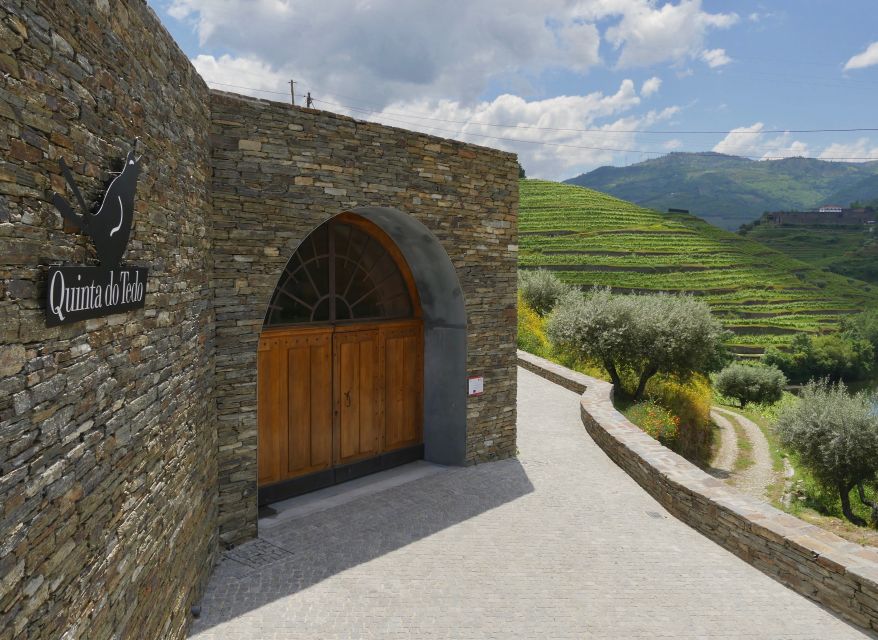
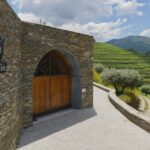
Quinta do Tedo sits in Viseu District, in the Douro Valley, where terraced vineyards climb up above the dramatic meeting of the Douro and Tedo rivers. That setting matters. You are not stuck in a warehouse feeling. You’re standing where the wine work happens, with the view doing half the job of making everything feel real.
The meeting point is at Quinta do Tedo, about 5 minutes east of Folgosa, at the intersection of EN222 and M512. It’s a straightforward start, but this is the kind of place where arriving a few minutes early helps you get your bearings.
Expect the visit to be tightly scheduled. You get a guided tour first, then you taste, then there’s a short shopping stop. Plan your day around that rhythm instead of treating it like a drop-in tasting bar.
You can also read our reviews of more tours and experiences in Porto.
The guided tour: vineyards, olive orchards, and real estate farming
Your time starts with a guided tour of about 35 minutes at Quinta do Tedo. The best part is that it’s not just a quick peek. You get a full walk that includes explanations of the vineyards and also olive orchards, which adds variety if you think of the Douro Valley only as grape country.
The guide’s job is to connect the landscape you see to the wine you’ll drink later. You’ll hear how the estate is organized and what makes these vineyards important. For me, the value here is that you come away with a mental map: where the grapes come from, what gets done after harvest, and why the estate approach matters.
A possible drawback is timing: the tour is built to fit the full experience into a short visit. You might want more back-and-forth questions if you’re a true wine nerd. The upside is that it stays focused and efficient.
Lagares, old cellars, bottling, and hand-labeling: what you learn before you taste
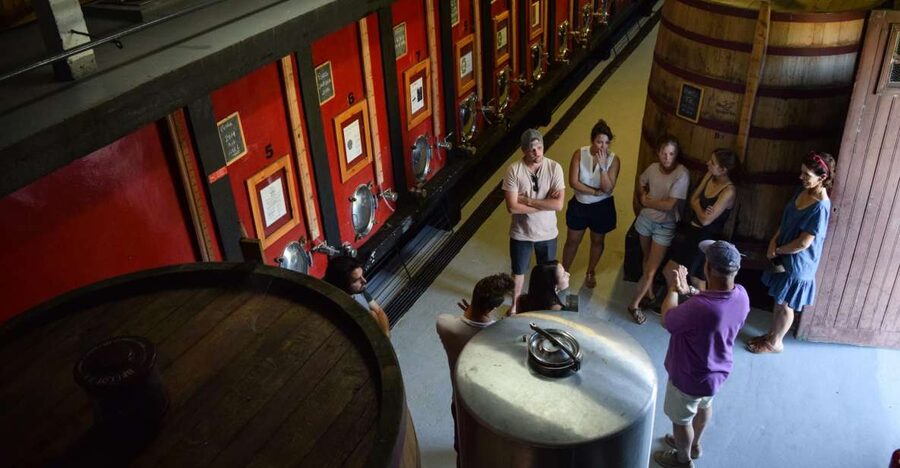
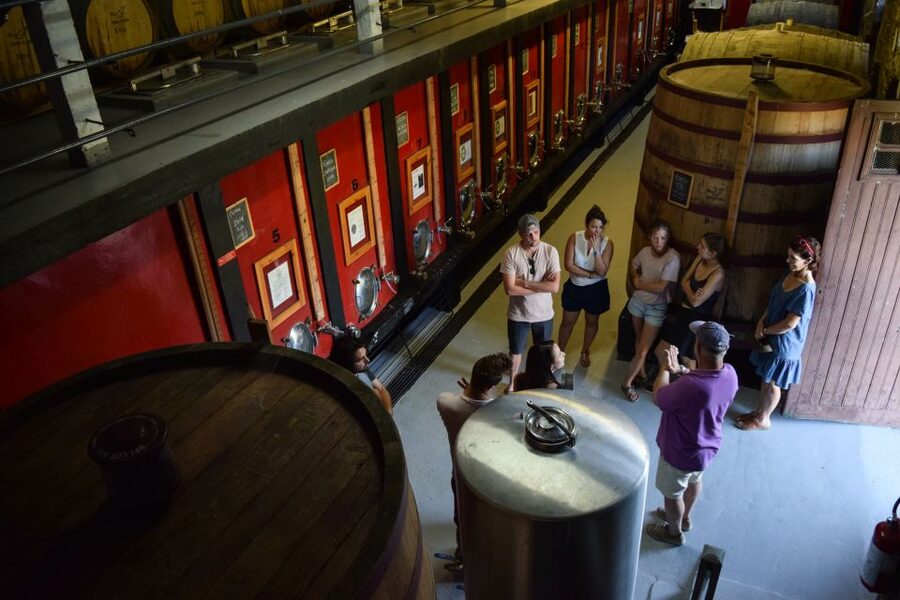
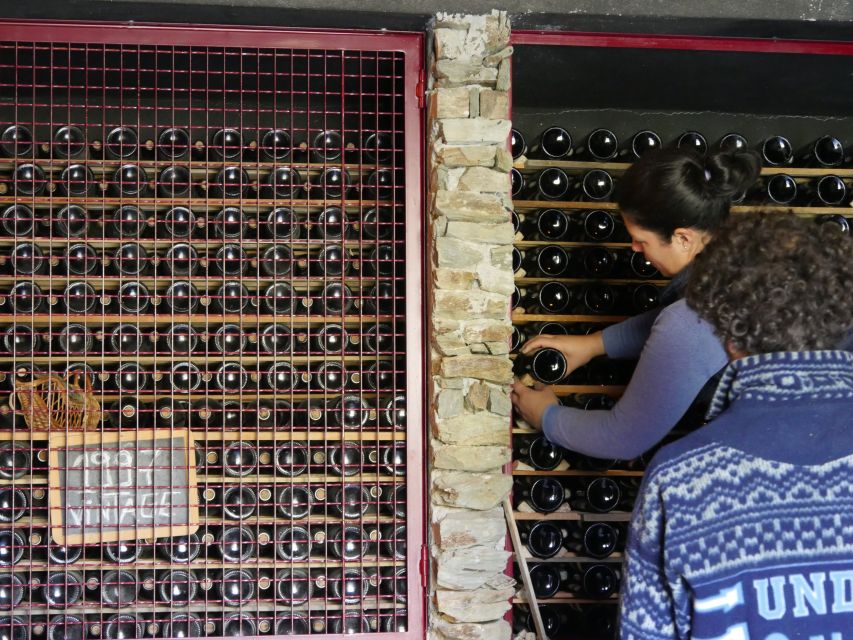
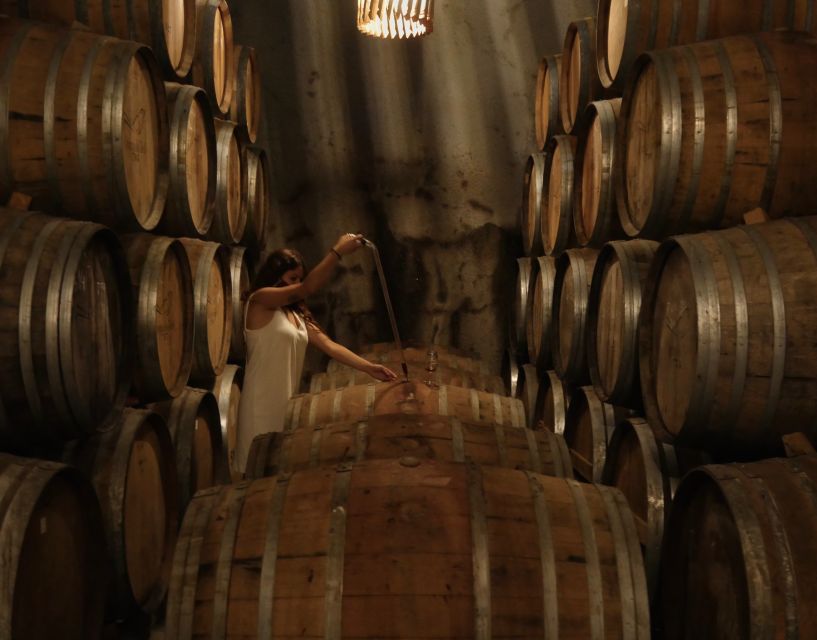
After the vineyard walk, the tour moves into how Porto and red wine production work. This is where the experience gets more hands-on in description. You’ll learn about foot-treading in the lagares, then you’ll hear how the wine ages in 18th-century cellars.
It’s also not a one-topic tour. You’ll get to the end of the process, including bottling and hand-labeling. That last part may sound small, but it’s the detail that makes the wine feel less like a product and more like a craft.
Why this matters for you: tasting wine becomes easier when you understand the basic workflow. Without that, you often end up guessing what you’re supposed to notice. With it, you can pay attention to the style choices—fortified versus not, and the role aging plays in the final flavors.
If you’re someone who likes clear explanations, your experience can really hinge on the guide. One guide named Bruno has been described as excellent for presenting the information well—so if you see that name on your tour schedule, I’d treat it as a good sign that the session will feel lively and understandable.
The tasting in the renovated 18th-century room
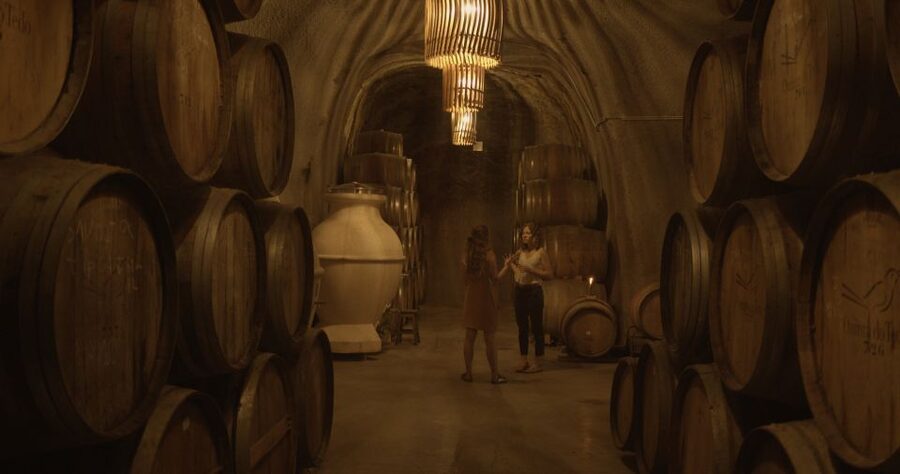
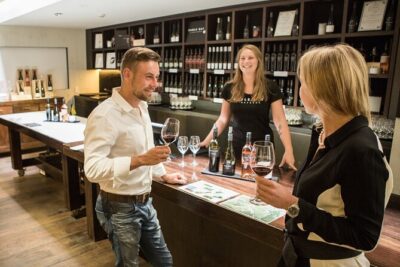
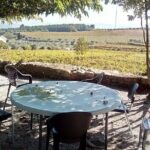
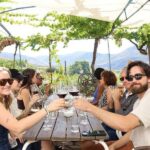
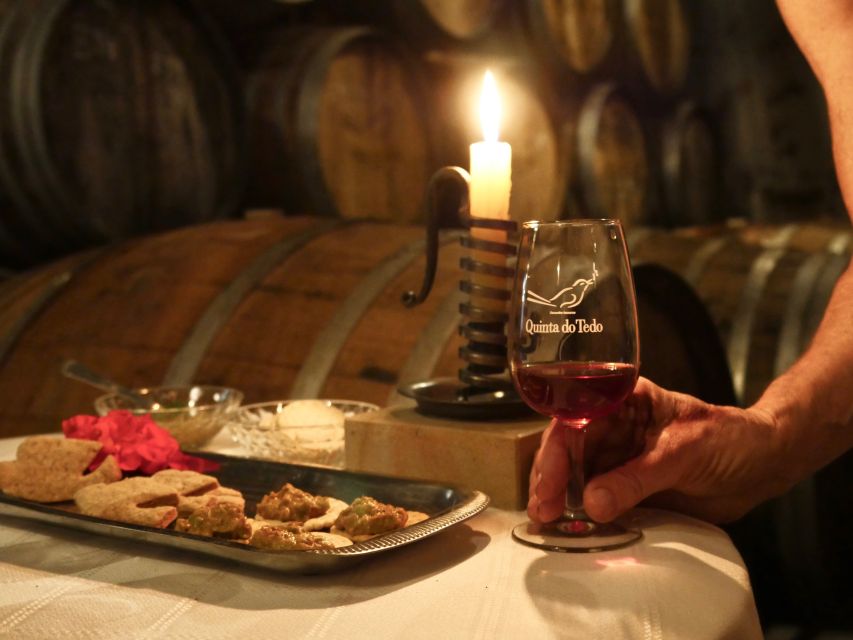
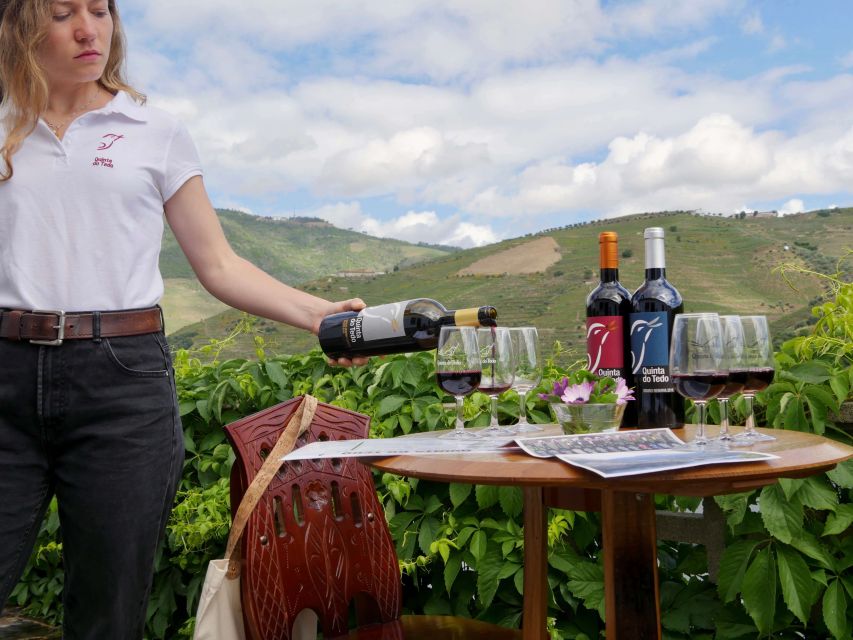
At the end, you get a 30-minute wine tasting with Portos and red wines. The tasting happens in a renovated 18th-century tasting room, and the big bonus is the setting: you’re tasting while looking out over the Douro River.
This is the payoff moment. After learning about grapes, lagares, and old-cellar aging, you can start tasting with context instead of just sipping and hoping.
Also, keep your expectations aligned with the format. This is not a seminar tasting with dozens of pours. It’s a guided tasting that wraps the story you just learned. That’s perfect if your goal is to understand the estate style in a single pass.
Organic grapes and Class A vineyards: what that rating means in plain terms
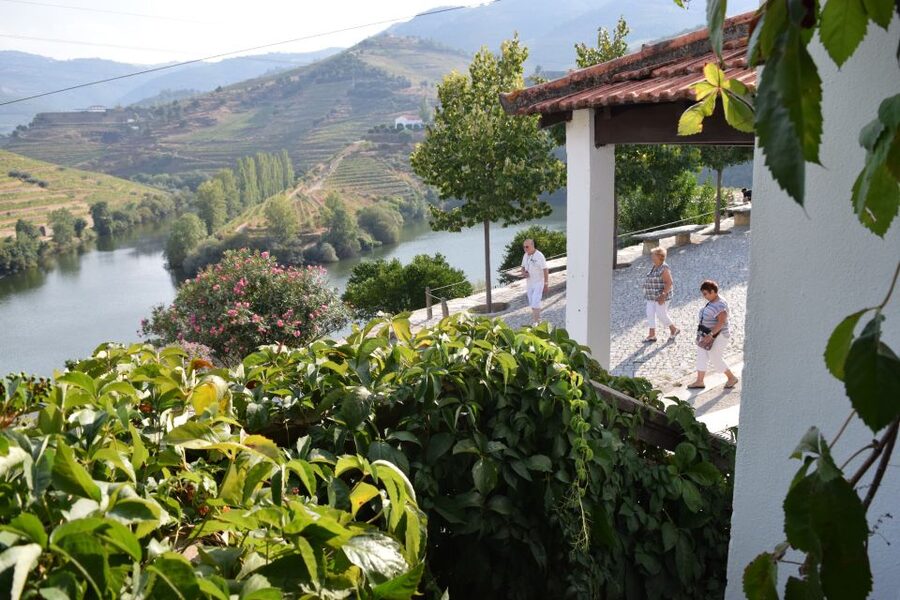
Quinta do Tedo uses 100% estate-grown organic grapes from 37 acres of vineyards rated Class A. The tour information frames this as the top rating from the Portuguese Instituto do Vinhos do Douro e Porto, with a comparison to France’s Grand Cru level.
You don’t need to memorize the institutional details to benefit from it. Here’s the practical takeaway: a top-rated vineyard classification usually points to consistent quality potential, and using organic grapes signals an intent to grow in a particular way. That combination is part of why the tasting feels purposeful rather than random.
For value, this matters because the tour isn’t just selling wine. You’re being shown the source—vineyard blocks, the wider estate, and the production sequence. When you can connect what you taste to where the grapes were grown and how the estate handles them, the experience earns its $42 price tag more easily.


Shopping time: 5 minutes is enough if you go in with a plan
There’s a short 5-minute shopping window at the end. That’s not long enough to browse like you’re shopping in a town center, so treat it like a chance to buy a bottle you already feel good about.
If you want a bottle to bring home, do it based on what you actually liked in the tasting. If you’re unsure, ask the guide to point you toward the best match between the wine styles you tasted and what you want to serve later.
The practical trick: decide what you want before you start the tasting, like Porto for sipping after dinner, or a red for normal meals. Then you’re not standing around under pressure with only a few minutes left.
Price and timing: does $42 buy enough wine education?
The price is listed at $42 per person, and the tour runs about 1 hour based on the schedule: 35 minutes tour + 30 minutes tasting + 5 minutes shopping.
For me, that timing makes sense for two kinds of travelers:
- You want a meaningful winery stop without losing half your day.
- You want enough instruction to understand what you’re tasting, not just a quick pour.
Is it “cheap”? No. But you’re paying for three things bundled together: a guided estate tour, a structured tasting in the tasting room, and a visit to an estate with organic vineyards and an 18th-century production setting. When a winery experience includes production context like lagares and old-cellar aging, it feels more like learning than just consumption.
The main consideration is that the format is brief. If you want lots of wine options or a long, slow tasting with extra pours, you may feel like you touched the surface.
Who should book this Quinta do Tedo tour
This tour fits best if you:
- Like wine education but don’t want a full-day commitment
- Want a Douro estate experience with views at the Douro River
- Prefer a well-structured visit over a free-form tasting bar
- Care about organic practices and want the story tied to the vineyard
It may not be ideal if you:
- Need a long tasting with many different styles and extra time to compare
- Want heavy food pairing or a cooking-focused experience (none of that is part of the stated program)
If you’re doing multiple Douro stops in one trip, this is a strong “anchor” visit: you get context, then you get to taste, and you move on.
Before you go: languages, meeting point, and how scheduling works
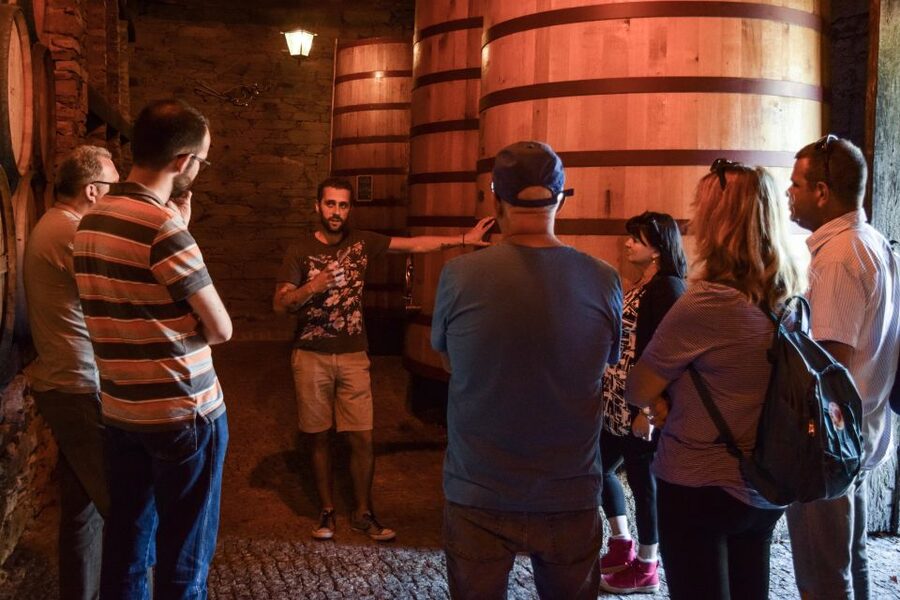
The tour includes a live guide in English, Portuguese, or French. That’s helpful if you’re moving through the Douro Valley where language can get mixed across small towns.
You’ll meet at Quinta do Tedo at the intersection area of EN222 and M512 (about 5 minutes east of Folgosa). After you book, the local partner contacts you by email to schedule your visit time, and the experience only runs after that time is confirmed. So don’t assume you can arrive whenever you want.
Plan around the fact that this is a fixed-length program. If your day is already tight, this schedule-friendly setup makes it easier to fit into your itinerary without chaos.
Should you book the Douro Valley Winery Tour at Quinta do Tedo?
I think you should book this if you want an efficient, estate-centered introduction to Douro wine. The combination of organic estate grapes, a guided walk through vineyards and olive orchards, and production explanations that reach back to lagares and 18th-century cellars is exactly the sort of structure that makes a tasting more satisfying.
Don’t book it if you’re craving a long, sit-stay-and-sip experience. This tour is made to be tight and clear, not drawn-out.
One last practical check: if you care about the exact timing of your day, make sure you respond to the email scheduling message quickly. That small step keeps this from becoming the one stress point of your trip.
FAQ
Where is the meeting point?
Meet at Quinta do Tedo, about 5 minutes east of Folgosa, at the intersection of EN222 and M512.
How long is the experience?
The experience runs about 1 hour total, with 35 minutes for the guided tour, 30 minutes for tastings, and 5 minutes for shopping.
What happens during the tour?
You’ll do a guided tour that includes explanations of the vineyards and olive orchards, learn about Porto and red wine production (including foot-treading in lagares), and see aging in 18th-century cellars plus bottling and hand-labeling.
What wine do you taste?
The tasting includes Quinta do Tedo’s Portos and red wines, taken in the renovated 18th-century tasting room with views over the Douro River.
What languages are available for the guide?
The live tour guide is available in English, Portuguese, and French.
Is the tour wheelchair accessible?
Yes, the activity is wheelchair accessible.