REVIEW · TROGIR
Family-run Vineyard Tour & Award Winning Wine Tasting/Delicacies
Book on Viator →Bookable on Viator
Wine and olives with a family heartbeat. This is a small-group tour in Kaštela where you walk olive and almond groves and vineyard rows, then taste wine right from fermentation tanks. I love how the explanations stay practical, rooted in the hard work behind extra virgin olive oil and award-winning wine, and I love how the tasting turns into a full orchard-side meal with homemade drinks and delicacies.
One catch: it is not recommended for children under 18, so if you’re traveling with teens or kids, this may feel more like an adult food-and-wine evening than a family outing.
In This Review
- Key highlights at a glance
- Bijaći to Kaštela: why the setting matters
- The 3.5-hour flow: orchard walk, cellar tasting, and a full meal
- Olive and almond grove time: the effort behind extra virgin olive oil
- Vineyard learning: award-winning wine starts with the boring work
- In the cellar: fermentation-tank pours and the tools of the trade
- The tasting-and-food moment: Dalmatian classics with smart pairings
- Rakija, limoncello, and the fun bits you’ll actually talk about later
- Music and costume: when the culture hits without a script
- Price and value: what $225.18 really covers
- Practical tips so you enjoy it more
- Who should book this tour, and who should skip it
- Should you book this family vineyard tasting from Trogir?
- FAQ
- Where does the tour take place?
- How long is the tour?
- What time does it start?
- Is pickup available?
- What language is the tour in?
- How big is the group?
- What’s included in the tasting and food?
- Do you tour the vineyard and olive areas?
- Is there an age limit?
- Are service animals allowed?
- What is the cancellation policy?
Key highlights at a glance
- Family-run Kaštela estate in the historical Bijaći area, with longtime olive and grape work
- Orchard + vineyard walking route that shows pruning, care, and harvest effort
- Cellar tastings from fermentation tanks plus talk of grappa distilling tools and process
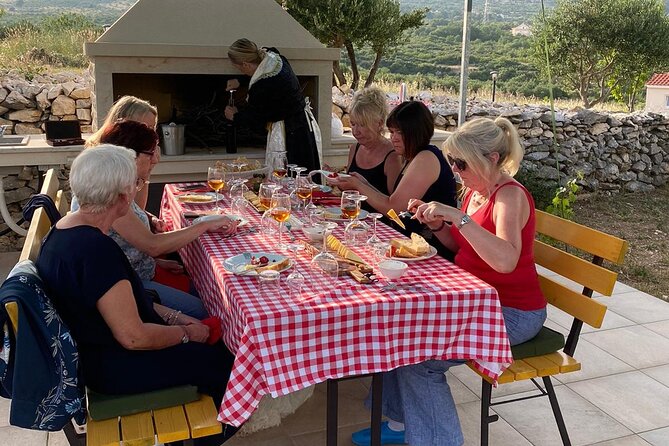
- Three-wine pairing and seven liquors, served with classic Dalmatian homemade bites
- Traditional music moment with Kathrin in local costume playing the accordion
- Limited to 8 people, so questions stay easy and the pace stays human
Bijaći to Kaštela: why the setting matters
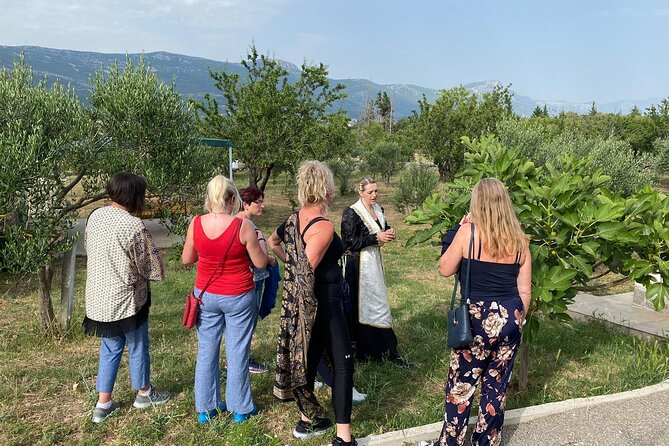
The tour starts in Kaštela, but it begins in a place with a strong sense of place: the historical area of Bijaći. The guide ties the neighborhood to the early roots of Croatian history, including the year 852 and Prince Trpimir’s Charter, which first mentioned the word Croat. You do not sit in a museum. Instead, you’re on farm ground, surrounded by the same kinds of landscapes that shaped local life for centuries.
That matters because this is not just about sipping. It’s about understanding how farming connects to identity here. When you walk past olive trees and almond branches, you start to grasp why people keep working these slopes season after season. In Croatia’s coastal region, wine and oil are not background products. They are the work.
Also, you’ll be hosted in the family estate in Bijaći. That home-to-table feel is the point. You’re not doing a quick factory stop. You’re stepping into a working rhythm.
The 3.5-hour flow: orchard walk, cellar tasting, and a full meal
The timing is tight enough to feel like you did something real, but not so long that you burn the whole day. Expect about 3 hours 30 minutes, starting at 11:00 am and finishing back at the meeting point.
Here’s the rhythm you’ll follow:
- First, you move through olive and almond orchards and vineyard rows, with explanations along the way.
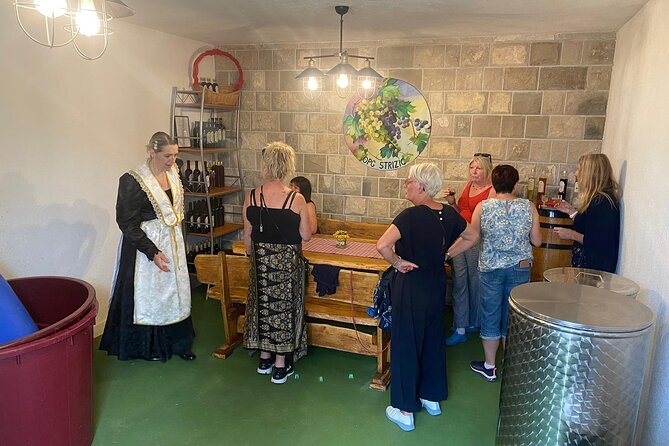
- Then you head down into the wine cellar to taste and learn about how wine is made, including tasting wine directly from fermentation tanks.
- Finally, you settle into a serene outdoor dining setting between the olive and almond orchards for a meal built around wine and homemade liquors, with music in the background.
This structure works well for you because it gives context first, then reward. If you’re the type who likes to know how things are made before you taste them, this will click fast.
Olive and almond grove time: the effort behind extra virgin olive oil
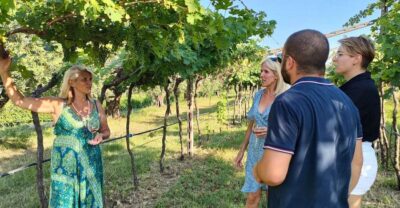
The most grounding part is the walk through the orchard. You see olive trees and almond trees in their working environment, not as postcard scenery. The guide focuses on the reality of the job: pruning and care, and the effort required just to produce quality.
Olive oil quality is not magic. It’s timing and work. The explanations help you notice details you’d otherwise miss: how a grove is maintained, how the trees are treated, and why harvest season is so important. Even if you’ve visited other olive oil tastings, this one feels more like a farm lesson than a sales pitch.
One more thing I appreciate: the views are part of the teaching. As you look out toward the Bay, it becomes easier to understand why grapes, olives, and almonds grow where they do. Farms here are not flat. You earn every row.
Practical note: wear shoes you trust on uneven ground. This isn’t a paved stroll.
Vineyard learning: award-winning wine starts with the boring work
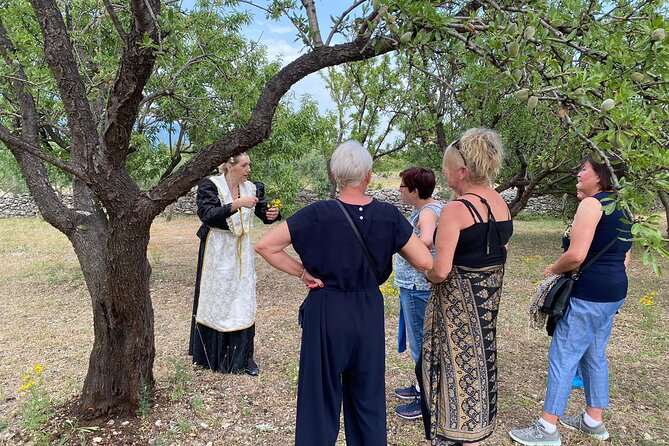
After the orchard, you shift to the vineyard. This part explains how much labor goes into producing wine that reaches award level. That means pruning decisions, careful vineyard care, and the patience behind growing grapes that can handle the region’s rhythm.
What I like about this is that you don’t just get a history lesson. You get the kind of farming talk that makes tasting make sense later. When you learn what it takes to grow the fruit, you taste with a different mindset. You stop treating wine like a random beverage on a menu and start tasting like a student.
The small group size (maximum 8 travelers) helps here. You can ask questions without waiting for a microphone or getting rushed along by a big bus schedule.
In the cellar: fermentation-tank pours and the tools of the trade
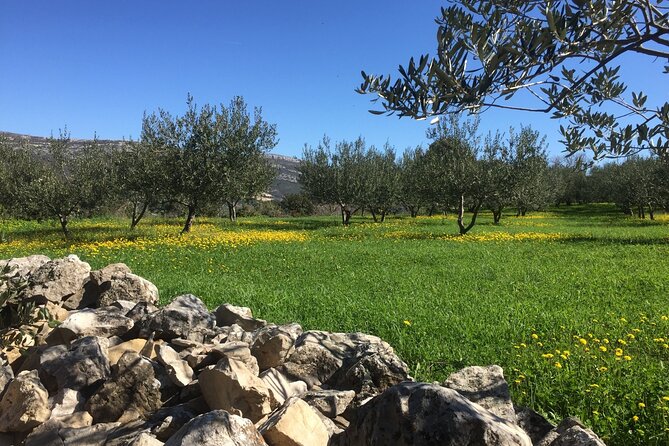
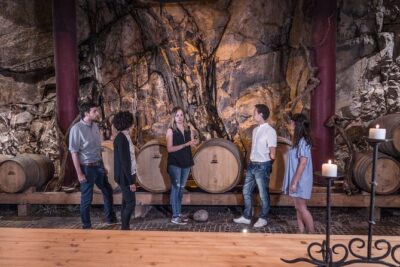
The cellar stop is where the tour gets extra interesting. You go underground to where wine production tools live, and the tasting includes wine directly from fermentation tanks. That’s not the usual bottle-on-a-counter experience. It’s a chance to hear how the process shapes the final wine.
The guide also explains the tools used in wine making and touches on the grappa distilling process. Even if you don’t drink spirits every day, learning how distilling fits into the farm’s overall production picture gives you a clearer view of the full “from harvest to glass” pipeline.
This is also where the tour feels most hands-on. You’re close enough to understand that this is a working production space, not a staged tasting room.
The tasting-and-food moment: Dalmatian classics with smart pairings
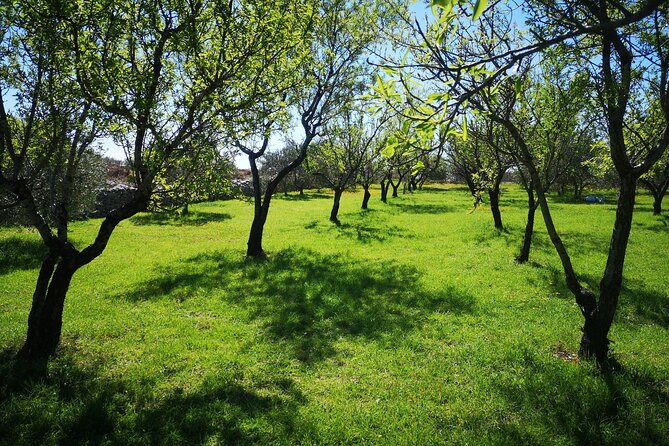
After the cellar, you move to the dining area between the olive and almond orchards. This is the part you’ll remember on the flight home, mostly because the food is not generic. It’s built from classic Dalmatian ingredients and homemade touches.
The sample menu includes a lineup like:
- Prosciutto and aged cheese
- Peka bread, sardines, and olives
- Filled bell peppers
- Extra virgin olive oil featured in a very direct way
- Dried figs
- Sugar-coated almonds and orange peels
Drinks are part of the plan, too. You’ll get three wines paired with what you’re eating, plus seven liquors. That is a lot of tasting variety for about half a day, so pace yourself. Take small sips. Try one new liquor, then switch back to a wine or a bite so your palate has time to reset.
This kind of meal is valuable because it turns the tour into a complete experience. You’re not just walking and tasting in isolation. Everything connects: farming, production, then a table built from the same world.
Rakija, limoncello, and the fun bits you’ll actually talk about later
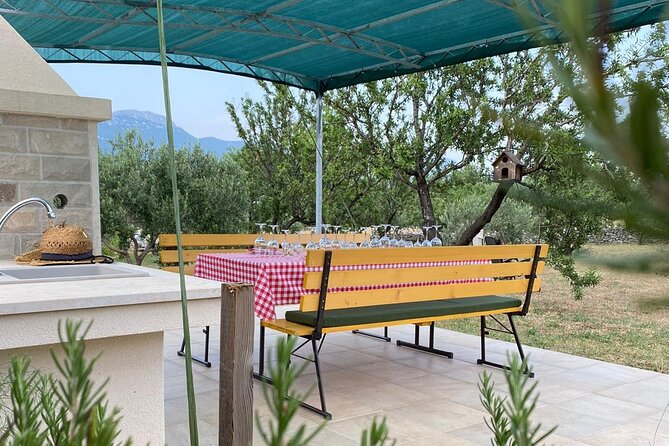
A big payoff here is the rakija and other homemade spirits. The tour includes tastings of multiple liquors, and one standout mentioned is green walnut rakija, plus homemade limoncello.
I also like that the experience doesn’t treat spirits like an afterthought. The guide frames them as part of the same farm logic: fruit, production, and local tradition. That makes the tastings feel meaningful rather than random.
One especially memorable extra is that you may get to bottle your own wine in the cellar. That’s not just a souvenir trick. It gives you a sense of involvement you normally don’t get on short tasting tours.
If you’re the type who likes taking a story home (not just a bottle), this is a great fit.
Music and costume: when the culture hits without a script
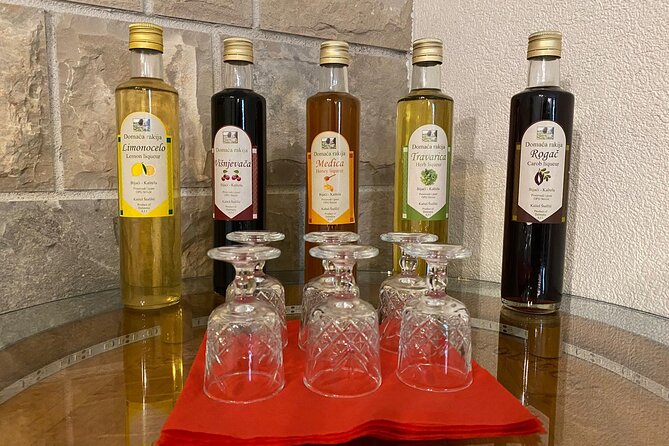
Food and drink are the headline, but culture is part of the delivery. Kathrin hosts the evening and plays traditional Croatian songs on the accordion, wearing local costume.
It’s not just background entertainment. It adds to the feeling that you’re in the middle of a family’s working life and traditions, not in a performance hall. In a small group, you can really feel the personal warmth and the pride behind what’s being served.
And because the group is capped at 8, you’re not shouting over ten different conversations. It’s easier to hear stories, ask questions, and enjoy the moment.
Price and value: what $225.18 really covers
At about $225.18 per person for roughly 3.5 hours, this is not a budget stop. But it also isn’t a bare-bones tasting.
You’re paying for:
- A guided walk through olive, almond, and vineyard areas
- A cellar visit with tastings that include wine from fermentation tanks
- Three wines and seven liquors
- A full orchard-side meal built from Dalmatian homemade delicacies
- A host-led cultural moment with accordion music and traditional costume
- Small-group attention (max 8)
So the value isn’t just the drinks. It’s the combination of access, instruction, and abundance. If you’re trying to taste wine in Croatia without learning anything and without eating, you’ll find cheaper options. But if you want a real farm education plus a meal that actually feels like it belongs to the place, the price starts to make sense.
This is also the kind of tour where you avoid wasting time in tourist traps. You trade generic samples for something more personal and more specific to Kaštela and its farming culture.
Practical tips so you enjoy it more
- Plan for a walking tour. You’ll be moving through orchards and vineyard ground. Comfortable shoes matter.
- Eat before you go if you’re hungry. The meal is included, but you’ll also be drinking. You’ll enjoy it more if you’re not starting with an empty stomach.
- Go easy on the pace of tastings. With three wines plus seven liquors, your goal is enjoyment, not speed.
- Bring water and a light layer. Even in pleasant weather, orchards can mean changing shade and temperature.
- Expect pickup and a mobile ticket. If pickup is offered on your booking, use it. The mobile ticket helps you get seated and moving on time.
- Note the age guidance. It is not recommended for children under 18, mainly because the experience is centered on wine and liquors.
Who should book this tour, and who should skip it
This is best for you if you:
- Want an authentic, family-run experience instead of a rushed tasting room
- Like your wine tours with real context about growing olives and grapes
- Enjoy pairing food with wine and spirits
- Prefer small groups where you can actually ask questions
You might skip it if you:
- Are traveling with children under 18
- Want a very short stop or minimal alcohol focus
- Prefer only bottled tastings with no hands-on production setting (the fermentation-tank element is part of the experience)
Also, if you hate walking on uneven farm ground, consider your comfort level in advance. It’s not extreme, but it is not flat, either.
Should you book this family vineyard tasting from Trogir?
If your ideal day includes farm walking, a cellar visit that actually explains the process, and a meal built from local ingredients, book it. This tour earns its price by combining three things you rarely get together: orchard-and-vineyard education, cellar access with fermentation-tank tastings, and a serious table of Dalmatian food plus wine and homemade liquors.
The decision comes down to one point: adult timing and alcohol focus. If that fits your trip style, you’ll leave with stories you can’t get from a quick sip-and-snap tour.
FAQ
Where does the tour take place?
It’s in Trogir, Croatia, with the experience hosted in the Bijaći area of Kaštel Novi.
How long is the tour?
The duration is about 3 hours 30 minutes.
What time does it start?
The start time is 11:00 am.
Is pickup available?
Pickup is offered, depending on your booking.
What language is the tour in?
The tour is offered in English.
How big is the group?
The tour has a maximum group size of 8 travelers.
What’s included in the tasting and food?
You’ll have wine tastings and homemade drinks, plus a meal with Dalmatian delicacies. The sample includes three wines and seven liquors paired with the food.
Do you tour the vineyard and olive areas?
Yes. You walk through olive and almond orchards and the vineyard, learning about pruning, care, and the effort behind olive oil and wine.
Is there an age limit?
It is not recommended for children under 18.
Are service animals allowed?
Service animals are allowed.
What is the cancellation policy?
You can cancel for a full refund if you cancel at least 24 hours before the start time. If you cancel less than 24 hours before, the amount paid is not refunded.