REVIEW · CAFAYATE
From Salta: Local Landscape, Winery, and Culture Tour
Book on GetYourGuide →Operated by TIAMAR TRAVEL EVT · Bookable on GetYourGuide
Salta Province has a way of feeling bigger than the map. This 4-day route strings together Andean scenery, wine country, and UNESCO-level indigenous heritage without wasting much time. You get a guided ride through red rock roads and cactus parks, plus free time to wander historic towns.
I particularly like the mix of wow-factor stops and real-world structure. First, you’ll have a winery visit in Cafayate with wine samples, including Argentina’s famous Torrontés. Second, you’ll walk through places tied to early Andean life, from Purmamarca to the Tilcara ruins museum.
The main trade-off is physical comfort and driving time. You’ll spend hours on roads that include about 2 hours of low-quality dirt roads, and the tour is not suitable for people with back problems.
Key highlights to expect
- Cafayate winery tasting, with Torrontés on the menu
- La Quebrada de las Conchas viewpoints with famous rock formations
- Parque Nacional de los Cardones and its cardon grande cacti
- Purmamarca’s Hill of 7 Colors, plus crafts and historic sites
- Quebrada de Humahuaca (UNESCO) and the Salinas Grandes salt flats
In This Review
- A 4-Day Salta Route That Actually Makes Sense
- Day 1: From Lerma Valley to Cafayate’s Wine Stops
- Day 2: Route 33, Cuesta del Obispo, and the Cardones National Park
- Day 3: Purmamarca’s Hill of 7 Colors and Tilcara’s Inca-Era Ruins
- Day 4: UNESCO Quebrada de Humahuaca and Salinas Grandes
- Price and Value: Is $130 Worth It?
- Comfort, Timing, and What to Bring for Andean Roads
- Should You Book This Tour?
- FAQ
- Is lunch included?
- What’s included in the price?
- How long is the tour?
- What language will the guide speak?
- What should I bring?
- Is this tour suitable for kids?
A 4-Day Salta Route That Actually Makes Sense
This tour works because it builds in contrast. You start with valleys near Salta, then move into dramatic canyon drives, then into cactus country, and finally up toward the salt flats. That rhythm helps you avoid the fatigue of doing only one kind of place for four days.
You also get a guide, not just a bus. A certified bilingual guide is a big deal here because the route includes indigenous history and local customs, not just photo stops. And on long, winding roads, you want someone organized and calm.
Finally, you get real breaks. Each day includes free time for lunch (not included) and wandering in towns like Cachi, Purmamarca, and Tilcara. It’s not a constant shuffle from one window to another. You’ll be able to stretch your legs, find a café, and browse local crafts.
Day 1: From Lerma Valley to Cafayate’s Wine Stops
Your day begins with pickup at a downtown hotel in Salta. You meet your guide, then settle into an air-conditioned minivan for the ride out of town. One nice touch: pickup happens within 40 minutes after your chosen start time, so build in a little patience and be ready early.
From Salta, the route moves through the Lerma Valley, where you’ll see farms and tobacco plantations. That agricultural start matters because it makes the later rock country feel even more dramatic when it arrives.
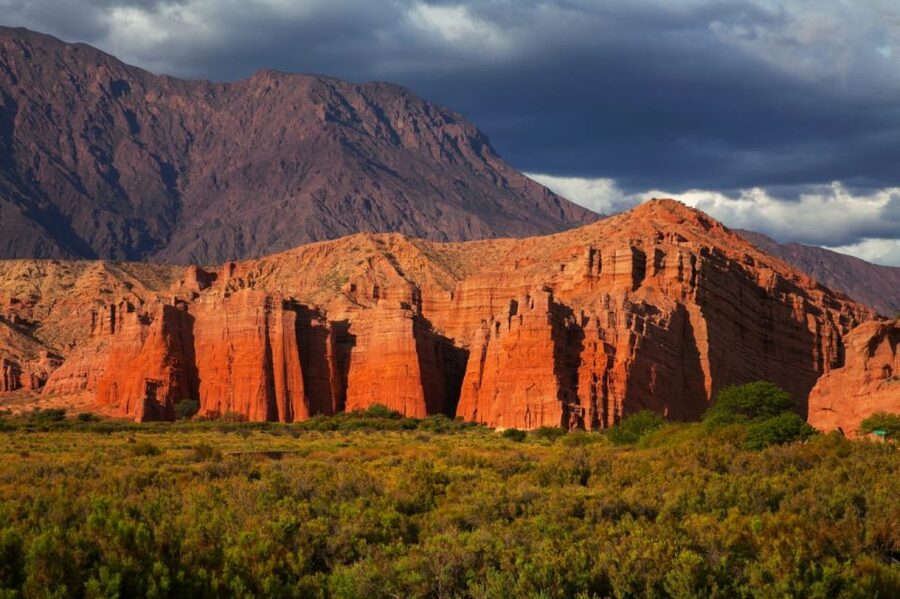
Next come the famous red mountains and rock formations associated with La Quebrada de las Conchas. You’ll pass through a cluster of striking features along the way, including the Devil’s Throat and the Parrots’ House. Even if you’re not an expert in geology, it’s the kind of scenery that makes you stop talking for a minute.
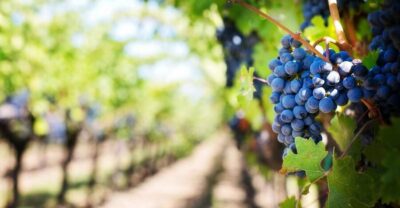
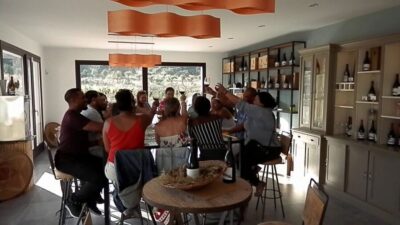
Then you reach Cafayate, the wine town that anchors the day. You’ll visit a winery where you learn about the local wine industry and sample different wines. The highlight here is Torrontés, a variety that originated in Argentina. If you like tasting tours, this is a straightforward, easy win: you don’t have to arrange anything on your own, and it’s built into the day’s travel.
On the way back toward Salta, the scenery shifts again, so the return drive doesn’t feel repetitive. It’s one of the reasons this tour is more than a single-day sightseeing loop.
What to watch for: this is a full travel day. If you’re sensitive to long drives, pack snacks and wear layers. The air-conditioned van helps, but high-elevation regions can change fast.
Day 2: Route 33, Cuesta del Obispo, and the Cardones National Park
Day 2 is the road day where Salta Province shows off. You head out via Provincial Route 33, then you’ll enjoy views of the Escoipe River’s dramatic gorge and Los Laureles. These stops are there for a reason: they give you landmarks so you feel like you’re moving through a real corridor, not just sitting in traffic.
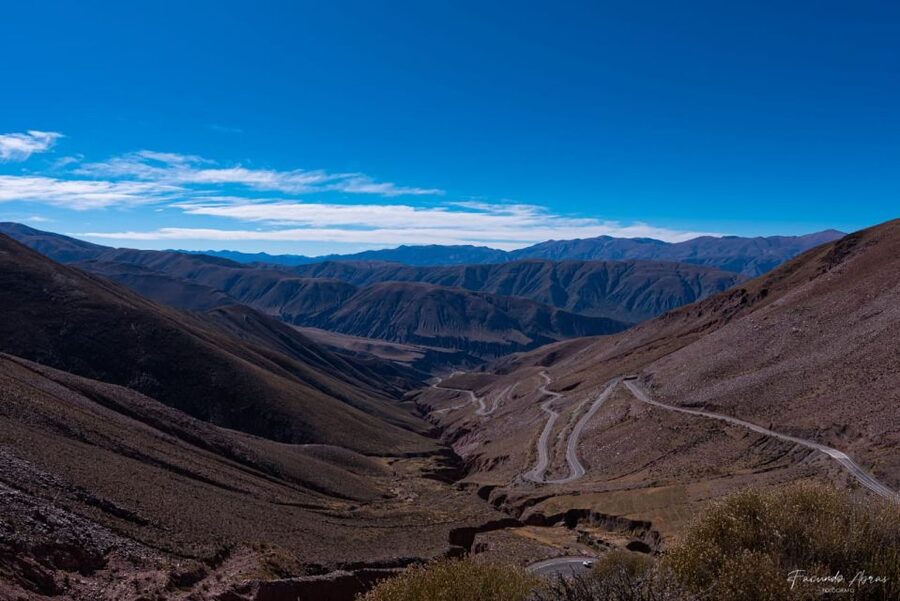
Then comes Cuesta del Obispo, a winding road with rock formations rising along the drive. This is where your camera will get a workout. But don’t just shoot through the glass—if your guide offers short photo moments, take them. The rock shapes and lighting are the whole point.
After that, you enter Parque Nacional de los Cardones, known for its abundance of cardon grande cactus bushes. This is one of those places where the vegetation tells the story. You see how people adapt to harsh conditions in the high Andes—wide skies, intense light, and plants built for dry weather.
In Cachi, you get time to explore and have lunch on your own (lunch isn’t included). The town’s colonial-style architecture gives you a different vibe from the canyon roads. You can wander around Central Plaza, check out the church, or visit a museum devoted to local history if you want more context.
You’ll also have time to browse shops and look for souvenirs. If you like handmade items, this day is a good chance to pick something up without rushing.
Potential drawback: the ride between stops adds up. You’ll be comfortable if you’re okay with a long day of sitting, plus the day’s mix of viewpoints and time in towns.
Day 3: Purmamarca’s Hill of 7 Colors and Tilcara’s Inca-Era Ruins
Day 3 is the art and history day.
You’ll visit Purmamarca, where the Hill of 7 Colors rises behind the town. It’s a classic Andean scene: strong colors, steep slopes, and a view that looks different depending on where the sun hits. The tour also gives you time to see works by local craftsmen in the main square, so you’re not only buying postcards—you’re meeting the people behind the goods.
You can also visit the church, connected to local history. That matters here because Purmamarca isn’t just scenery. It’s a living town where traditions continue alongside tourism.
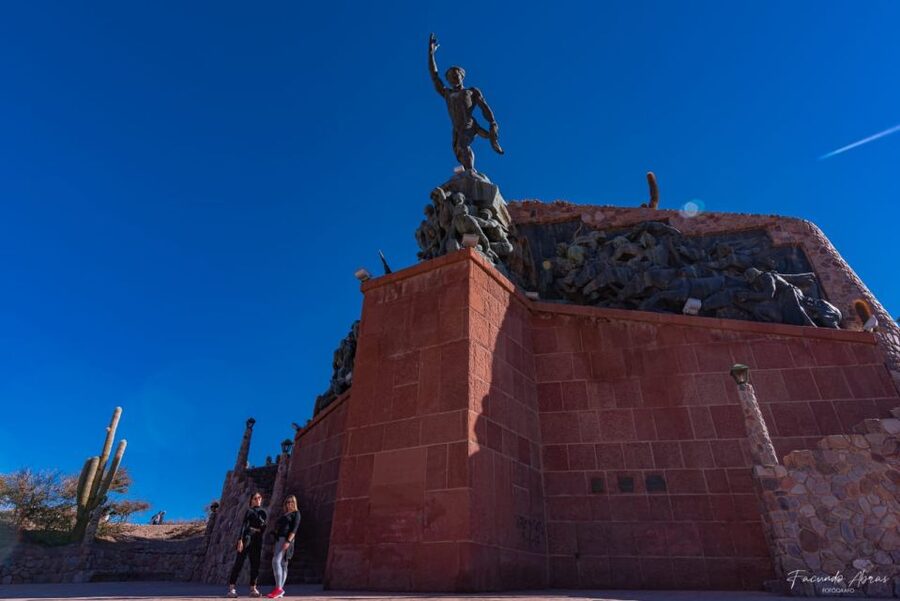
You’ll break for lunch in town (again, lunch isn’t included), then keep exploring. From the road, you can admire the Paleta del Pintor hill, and you’ll also see the Monumento de la Independencia. These points are simple on paper, but they help you connect the landscape to national and regional identity.
Then there’s a standout stop: a chapel built 700 years ago, with an altar covered in gold. This is the kind of detail that makes you slow down. It also fits the tour’s theme of indigenous and early cultural layers in the region.
You’ll also encounter priceless paintings of the Cusco School and a small monument marking the Tropic of Capricorn. Even if you don’t know the art styles or astronomy bits, you’ll understand quickly that this area sits at a crossroads of culture, faith, and geography.
In the afternoon, you head to Tilcara. You get time for a walk through the main square and the church, then the day ends at Las Ruinas Incaicas del Pucara de Tilcara. There’s a museum on site that explains the people who first lived on the site, which helps the ruins feel less abstract.
What you’ll appreciate here: pacing. You get both town wandering and a guided-feeling ending at an archaeological site, instead of ending on another long drive with no payoff.
Day 4: UNESCO Quebrada de Humahuaca and Salinas Grandes
The final day heads toward Jujuy, passing through towns like Volcán and Tumbaya along the way. You’ll then experience Quebrada de Humahuaca, a UNESCO World Heritage Site. The tour frames it as a place that once served as a major trade route thousands of years ago, and that idea gives the scenery a new layer. You’re not just looking at mountains—you’re moving along a corridor shaped by history.
After that, you return toward Purmamarca. If you missed some of the town highlights earlier, the schedule helps you catch the main square and potential souvenir shopping at craft stands.
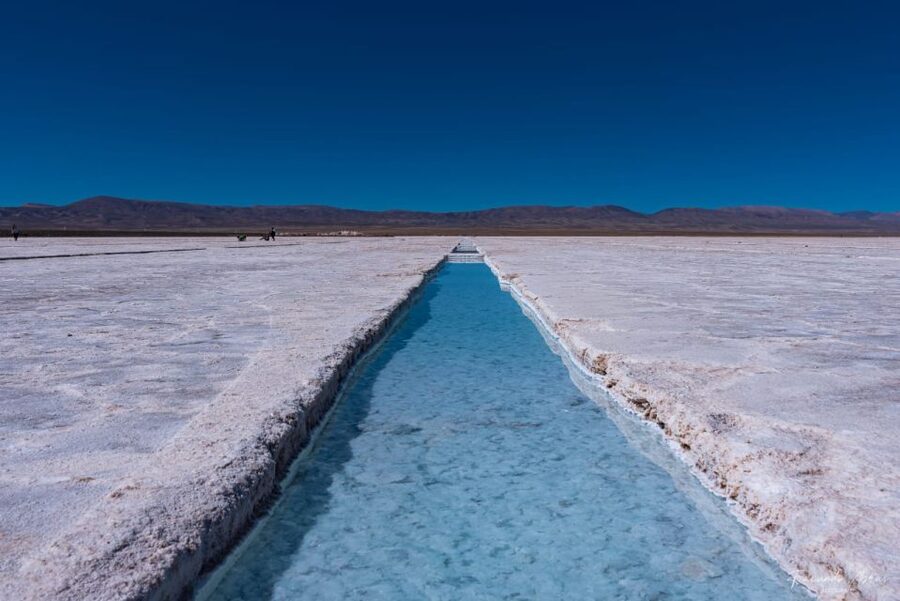
You’ll see the Hill of 7 Colors again and then continue up the Cuesta del Lipan. This is the road that leads you to one of the biggest payoff moments of the whole tour: the Salinas Grandes salt flats, described as one of the 7 Wonders of the Argentine Republic.
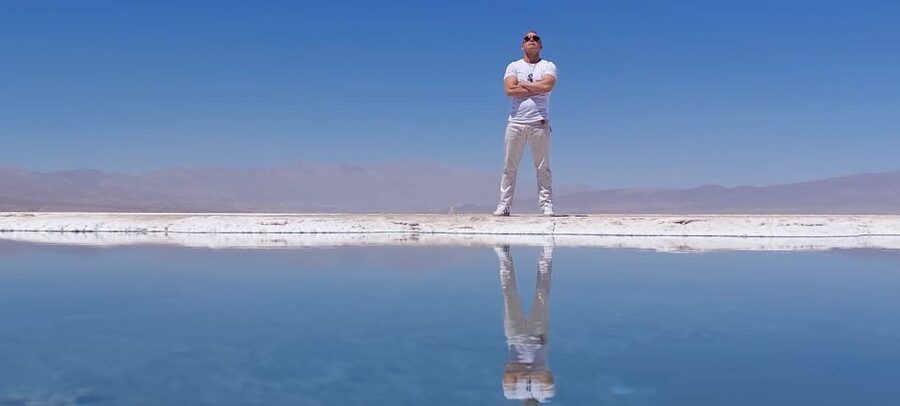
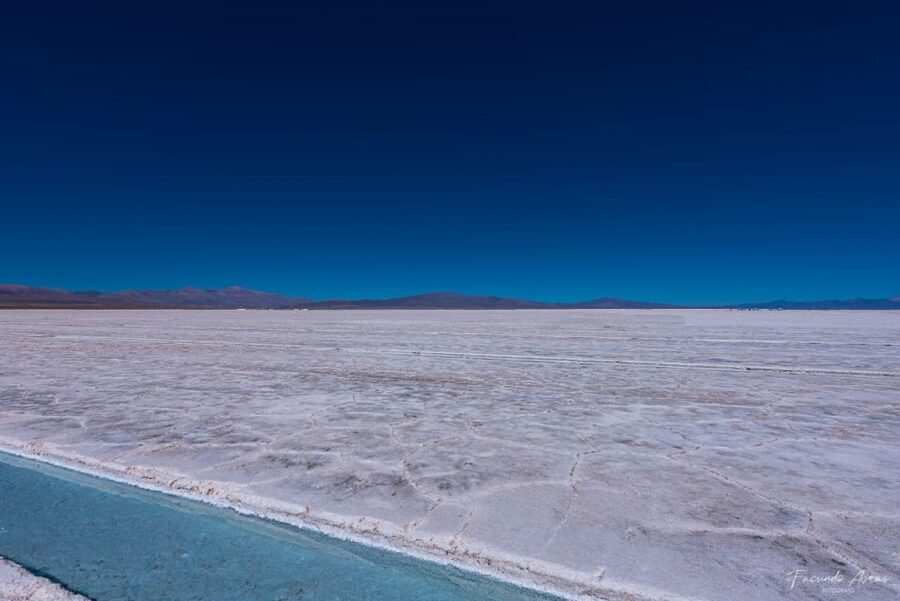
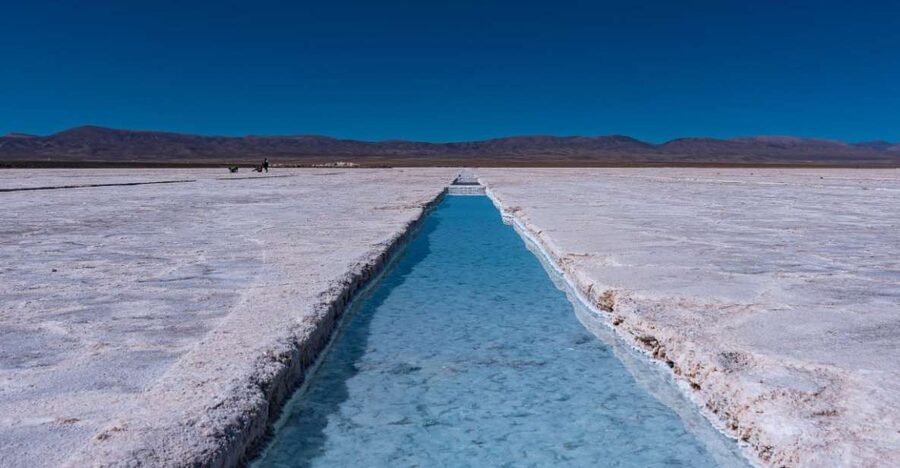
At Salinas Grandes, you’ll get free time to admire the unique salt planes and famous pools. This is where the scenery turns minimalist: huge sky, pale ground, and that surreal feeling you only get in places made by extreme conditions.
Back in Purmamarca, you’ll have more time for lunch at traditional restaurants (not included) and some extra town exploration before returning to Salta.
Main consideration: distance and elevation vibes. Your day includes multiple drives plus time in open areas. Dress in layers, because bright sun plus wind on higher ground can feel sharp.
Price and Value: Is $130 Worth It?
At $130 per person for a 4-day tour, the value comes from what’s packed in.
You’re paying for:
- pickup and drop-off at downtown hotels
- air-conditioned minivan transportation
- a certified bilingual guide
- entry to a winery
- multiple big-name regions and historic towns across Salta Province and into the Quebrada de Humahuaca area
If you tried to build this yourself—wine tasting plus long-distance route driving plus museum/ruins access—you’d likely spend more on transport and coordination alone. The route also reduces decision fatigue. You know you’ll reach the key places, and you won’t need to piece together driving plans day by day.
The one thing that isn’t included is lunch, and that’s normal for multi-stop tours. Plan on budgeting for meals each day. If you do that, the pricing feels fair for the scale.
Comfort, Timing, and What to Bring for Andean Roads
This tour is a good fit if you like organized days, strong scenery, and some walking in towns and at ruins. It’s not a good fit if your back gets grumpy on uneven ground.
Here are the practical pieces that matter most:
- It involves about 2 hours of traveling through low-quality dirt roads plus around 2 hours on the highway on the way back.
- It’s not suitable for people with back problems.
- Bring a passport or ID card and wear comfortable clothes.
- Unaccompanied minors are not allowed.
One more logistics point: the order of excursions can change depending on availability. That’s common on routes with fixed driving constraints, and it usually doesn’t change the overall quality—you’ll still hit the core highlights.
Also, if you like souvenirs, build in mental time for Purmamarca shopping. A lot of travelers put this on their list for a reason: the town makes it easy to buy crafts without feeling like you’re rushing through a single stall.
Should You Book This Tour?
I think this is a smart booking if you want a guided way to see major parts of Salta Province and the Andes without turning your trip into a driving project. You get wine tasting in Cafayate, cactus national park time, iconic Andean viewpoints like the Hill of 7 Colors, and a UNESCO site at Quebrada de Humahuaca—all stitched together with guided context.
Skip it if you hate long days in a van or you’re sensitive to rough roads. And budget for lunch, because meals aren’t included.
If your priority is seeing real places—wine country, colonial towns, Andean ruins, and the salt flats—in four days, this tour hits a good balance of big sights plus enough wandering time to make it feel human.
FAQ
Is lunch included?
No. Lunch is not included during the tour, so you’ll have free time to eat on your own in towns along the route.
What’s included in the price?
Pickup and drop-off at downtown hotels, transportation by air-conditioned minivan, a certified bilingual guide, and entry to a winery are included.
How long is the tour?
It runs for 4 days. Starting times vary, so you’ll need to check availability for the exact departure you want.
What language will the guide speak?
The live guide speaks English and Spanish.
What should I bring?
Bring your passport or ID card and wear comfortable clothes.
Is this tour suitable for kids?
Unaccompanied minors are not allowed. Children under 2 can travel for free if they do not occupy a separate seat.