REVIEW · ARENI
From Yerevan: Khor Virap Monastery, Winery & Birds Cave Tour
Book on GetYourGuide →Operated by Hyur Service LLC · Bookable on GetYourGuide
One mountain view can change the whole day. This Yerevan-to–Vayots Dzor loop strings together Khor Virap pilgrimage history, jaw-dropping Mount Ararat photo stops, ancient discoveries in Areni-1, and the striking architecture of Noravank.
I especially like the way the day moves from big spiritual sites to real archaeology. You get a guided walk at Khor Virap and then a guided look at Areni-1’s findings, including the oldest leather shoe ever found. I also love the wine piece: a visit to Hin Areni with a guided tour and tasting (with admissions handled for you).
One thing to consider: it’s a long day with walking and steps, including at Noravank, and you’ll need practical shoes and weather-appropriate clothing (no shorts or short skirts).
In This Review
- Quick hits before you go
- From Hyur Service to Khor Virap: the day’s pacing starts at 10 AM
- Khor Virap Monastery: pilgrimage history and Mount Ararat photo time
- Birds Cave (Areni-1): dried grapes, ropes, and the oldest leather shoe
- Hin Areni village winery: tasting Armenia one stop after another
- Lunch in a spectacular natural setting: budget cash and choose your meal
- Noravank Monastery: two-storey St Astvatsatsin in a dramatic setting
- Road trip details: big-group reality, WiFi, and keeping comfy
- Price and value: $36 plus lunch cash, wine included
- Who should book this tour, and who should skip it
- Should you book this Yerevan to Khor Virap, Birds Cave, Hin Areni, Noravank tour?
- FAQ
- What time does the tour start, and how long is it?
- Where do I meet the tour?
- How much does it cost?
- Is lunch included in the price?
- What’s included in the tour price?
- Do I need cash during the day?
- What languages are the guides?
- What should I wear?
- Is this tour wheelchair accessible?
Quick hits before you go
- Khor Virap’s 17th-century story plus a clear Mount Ararat photo moment when conditions cooperate
- Birds Cave (Areni-1) visit on the Areni River, with finds like dried grapes and the world’s oldest leather shoe
- Hin Areni winery tour and tasting included, with light refreshments onboard
- Noravank’s two-storey St Astvatsatsin Church, plus multiple churches in one stop
- Bilingual guiding (English and Russian) with well-run timekeeping and lots of commentary
- Plan for a full 10 hours and pay lunch separately in cash
From Hyur Service to Khor Virap: the day’s pacing starts at 10 AM
The tour begins at 10:00 AM with pickup from Hyur Service on Nalbandyan Street in Yerevan. I’d aim to show up 15–30 minutes early, not because the process is tricky, but because you’ll get checked in, settled, and ready before the long drive begins.
You’ll travel by air-conditioned transport through Vayots Dzor Province. The schedule is built for a single-day hit list: pilgrimage site, cave/archaeology, winery area, then Noravank before returning to Yerevan. That means you won’t linger all day in one place, but you also won’t feel like you missed the key landmarks.
The day runs about 10 hours total, so bring a snack habit mindset even if you’re getting water and sweets with the group. A few practical things you can do: wear comfortable shoes, carry cash for lunch, and keep your camera accessible for Ararat viewpoints and Noravank’s dramatic church views.
Khor Virap Monastery: pilgrimage history and Mount Ararat photo time
Khor Virap is the famous pilgrimage site in Armenia, and the tour gives you more than a quick look. You’ll get a guided tour of the monastery and learn how it was built in the 17th century. That backstory matters, because Khor Virap isn’t just scenery—it’s tied to the religious imagination of the country.
Then comes the real “Ararat moment.” You’ll be able to admire the view of the Biblical Mount Ararat from the monastery area, with time built in for photos and walking around. If Ararat is clearly visible, you’ll understand why this spot is on almost every first-time itinerary. If clouds roll in, you’ll still get a powerful sense of place and valley views.
This is also where the guiding style really counts. Multiple guides on this route are praised for clear explanations and keeping the group moving without feeling rushed. Names that pop up include Arpina, Karen, and Marina, and that’s a good signal: the commentary tends to be both organized and engaging.
Dress matters here, too. Monasteries are open and exposed in places, and you’ll be walking. The tour also doesn’t allow shorts or short skirts, so plan clothing that looks respectful and also won’t make you miserable in the sun or wind.
Birds Cave (Areni-1): dried grapes, ropes, and the oldest leather shoe
After Khor Virap, you’ll head to Areni-1 Cave, often referred to as Birds Cave, located on the left bank of the Areni River. The stop is a big reason this tour scores so highly: it combines a guided visit with genuinely mind-blowing archaeological findings.
You’ll explore the cave’s three halls. A notable detail is that a large part of the cave is still unexplored, which gives the visit a live-science feel—this isn’t a sealed museum story. Inside, you’ll hear about recovered items like dried grapes, rope, dishes, clothing, and the oldest leather shoe found to date.
What I like about this stop for practical travelers is how it turns “Armenia is ancient” into something tangible. The artifacts connect everyday life—food storage, clothing, tools—to a time far back in human history. And the cave area is also linked to an ancient winery story, which you continue to learn about as the day goes on.
Expect the guide to explain what the findings suggest and why they matter. If your group includes people who aren’t hardcore history buffs, this is still accessible: you can stand there, look at the cave space, and follow the thread from grapes to wine to daily life.
Hin Areni village winery: tasting Armenia one stop after another
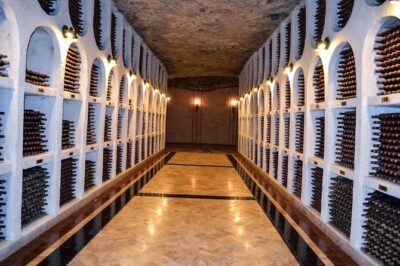
Next you’ll visit the Hin Areni Winery area, including a guided tour and tasting. This is the part of the day where the story shifts from excavation to flavor—how Armenia made wine long before modern labels and marketing.
You’ll also get context for why Hin Areni wines matter, and you’ll have a chance to taste. The tour includes wine tasting, and that’s one of the best value adds here because it’s not just “watch someone pour and move on.” It’s guided, with enough explanation to help you understand what you’re tasting.
Some tasting formats on this route can include multiple glasses, and you may notice that tasting quality can vary depending on what’s included for your group. For you, the key takeaway is simple: if you drink wine, you’ll leave with more than a vague impression. You’ll leave with a reference point for what Armenian wine can taste like.
Also, this stop is timed to fit the day’s pace. You won’t be stuck waiting around for hours, and you’ll still have enough time to enjoy the architecture later at Noravank.
Lunch in a spectacular natural setting: budget cash and choose your meal
Lunch is not included in the tour price. The tour gives you a lunch break at a cozy restaurant in a natural setting, and you can choose between three meal options. You pay on the spot, with lunch costing about $8–11, and it’s important to bring cash for this part.
This setup is practical: your guide can keep the group moving, and you’re not stuck with a one-size-fits-all menu. It’s also a good moment to refuel after the cave and before Noravank’s walking and steps.
A small tip: if you’re sensitive to timing, aim to order quickly once you sit down. The day is structured, so long lunch gaps can cut into the monastery time. You’ll want a clear head for the church architecture and sculptural work at the end of the day.
If you prefer dietary control, ask about options when you arrive. One standout detail from the experience is that a vegan option has been available, so it’s worth checking early rather than hoping.
Noravank Monastery: two-storey St Astvatsatsin in a dramatic setting
Noravank is the payoff for the late-day drive. It’s one of the brightest examples of 13th-century Armenian architecture, and it doesn’t feel like a generic stop. The monastery sits in an area where the stonework and views work together.
You’ll visit several churches: St Karapet, St Gregory the Illuminator, and St Astvatsatsin (Holy Mother of God). The highlight is St Astvatsatsin’s two-storey design, and it’s known for its sculptural and architectural details.
This is also where the tour’s walking demands show up. There’s uphill walking with steps and steep road elements, so it’s not a “sit on a bench and enjoy” type of stop. You’ll want shoes with grip, and you’ll want to take your time on the approach paths. If you’re traveling with knee issues, plan your pace and consider whether you’ll feel comfortable on uneven ground.
The guiding here matters again. A strong guide will connect the church designs to the bigger story of Armenian architecture and explain what you’re seeing instead of leaving you to guess. The good news: guides on this route are repeatedly praised for being organized and keeping people on track through the busy group schedule.
Road trip details: big-group reality, WiFi, and keeping comfy
This is a bus tour format, and group size can be large. One review snapshot shows a group around 45–50 people, and that usually means the guide has to balance commentary for everyone while keeping the timeline under control. It can still be enjoyable, but it’s not the quiet, private-tour vibe.
Seats are also not fixed in advance, so you might end up wherever the bus assigns you that day. If you care about the window view for Ararat moments and the scenic stretches toward Noravank, get there early and be ready to settle quickly after pickup.
WiFi is listed as included, but don’t assume it will work perfectly the entire time. One passenger noted that USB ports and WiFi didn’t work on their trip, while another said the bus had WiFi. Think of it as a bonus, not a guarantee.
Air-conditioning is included via the transport, and that helps a lot on a long drive. Even so, you’ll want layers. Late in the day, temperature shifts can make a comfortable bus suddenly feel chilly or stuffy once you step out.
For comfort, remember the tour includes light refreshments—bottled water and sweets. That covers basic needs, but it’s smart to still be hydrated and to pace yourself with the day’s food schedule.
Price and value: $36 plus lunch cash, wine included
At $36 per person, this tour’s value is strongest when you count what’s bundled. You get air-conditioned transport, a bilingual guide in English and Russian, admissions, light refreshments, WiFi, and wine tasting. You also get a skip-the-ticket-line advantage, which saves time at busy stops.
Then there’s lunch, which is the main extra cost: $8–11 paid in cash at the restaurant. So your real on-the-day budget is closer to about $44–47 if you take the typical lunch price range.
For me, the value argument is simple: you’re paying once for transportation plus multiple major stops that would each take significant time to arrange independently. You also get guided context at Khor Virap, the cave/archaeology component at Areni-1, the winery tasting, and the Noravank architecture. That combination is hard to replicate with just a taxi and a self-guided plan in one day.
If you only care about monasteries and skip wine or cave archaeology, it might feel like too much. If you like a mix of spiritual sites, archaeology, and local food and drink, it’s priced like a practical Armenia sampler.
Who should book this tour, and who should skip it
This tour fits best if you want a packed day that covers the big emotional and historical highlights of southern Armenia without stress. It’s also a strong match if you enjoy guided storytelling. Multiple guides are praised by name for being attentive and well-documented, including Arpina, Karen, Marina, and Hayk, with drivers like Aro/Aram/Spartak also mentioned for smooth, calm rides.
You should also book if you’re the type who likes variety: monastery views, underground archaeology with artifacts like the oldest leather shoe, and a winery tasting that turns those stories into something you can actually taste.
Skip it—or at least think hard—if you’re sensitive to walking steps and steep road sections. It’s also not suitable for wheelchair users based on the tour’s info. If your mobility is limited, you’ll likely struggle at Noravank, which is the biggest walking demand of the day.
One more reality check: the group can be big. If you’re hoping for personal, quiet time with guides, you might prefer a smaller-group option. If you’re fine with an organized crowd day and want a strong time plan, you’ll likely be happy.
Should you book this Yerevan to Khor Virap, Birds Cave, Hin Areni, Noravank tour?
I’d book this if you want one day that feels like three different Armenia experiences: sacred history at Khor Virap, archaeology at Birds Cave (Areni-1), and wine + architecture at Hin Areni and Noravank. The included wine tasting and admissions make the $36 price feel fair, and the bilingual guiding is built into the deal.
I wouldn’t book it if you hate long days, stepping around on uneven ground, or you need a very small-group pace. This is a structured, full schedule trip. It’s not slow travel.
If you’re ready to do a lot in one day, with good shoes and some cash set aside for lunch, this is a solid value way to see Vayots Dzor without guessing logistics.
FAQ
What time does the tour start, and how long is it?
It starts at 10:00 AM and runs for about 10 hours total.
Where do I meet the tour?
Pickup is from the local operator’s office at 96 Nalbandyan St, Yerevan 0010. Arrive 15–30 minutes early for check-in.
How much does it cost?
The price is $36 per person.
Is lunch included in the price?
No. Lunch costs about $8–11 and is paid in cash on the spot. You choose between three meal options.
What’s included in the tour price?
The tour includes an English/Russian bilingual guide, air-conditioned transport, light refreshments (bottled water and sweets), WiFi, admissions, and wine tasting.
Do I need cash during the day?
Yes. You must bring cash for lunch. You should also consider bringing cash for any extra purchases beyond the included tasting.
What languages are the guides?
The tour is guided in English and Russian.
What should I wear?
Wear comfortable shoes and weather-appropriate clothing. Shorts and short skirts are not allowed.
Is this tour wheelchair accessible?
No, it is not suitable for wheelchair users.