REVIEW · GRADANI
Građani: Winery Tour and Tasting at Winery Lipovac
Book on GetYourGuide →Operated by KNEZ LIPOVAC SHIPS · Bookable on GetYourGuide
Skadar Lake slopes make wine taste different. At Winery Lipovac, you get both the practical winemaking tour and the wow-factor of qvevri and amphora methods, and I like that you taste wines tied to Montenegro grape tradition rather than generic labels; one heads-up though: the tasting spot may not match what you expect from promotional photos.
You’ll spend about 1.5 hours moving from vineyards to cellars and then into a guided tasting. Expect a 45-minute walk-through of the site and process, then a 45-minute tasting of four wines with local cold cuts, in a setting that feels more serious than touristy.
In This Review
- Key highlights you’ll care about
- Lipovac Winery on the Skadar Lake slopes
- The 45-minute guided tour: vineyards, bottling tech, and the 60-meter cellar
- Qvevri and amphora aging: the tour’s most memorable contrast
- What the tasting includes (and how to read the wines)
- Price value: what $35 buys you in real learning time
- Views, pacing, and group vibe: what to expect on arrival
- Buying bottles and grappa at the cellar
- Who should book this tour—and who should skip it
- A quick fit-check for you
- Should you book the Lipovac Winery Tour and Tasting?
- FAQ
- Where is Winery Lipovac located?
- How long is the winery tour and tasting?
- What is the price per person?
- What happens during the guided tour?
- How many wines are included in the tasting?
- What wines are tasted?
- Are snacks included with the tasting?
- What languages is the live tour guide available in?
- Can I buy wine or grappa on site?
- Is there free cancellation?
Key highlights you’ll care about
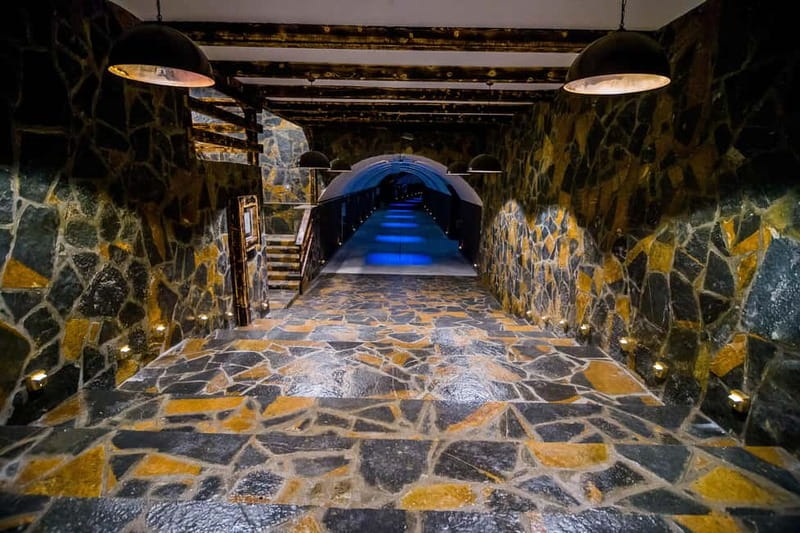
- UNESCO-linked qvevri in-ground aging: Georgian-style clay vessels, right where the wine rests.
- Amphora time machine effect: Italian terracotta amphora traditions that connect you to ancient Greek and Roman practice.
- A real production tour, not just rooms: a technological bottling hall plus a long underground cellar.
- Skadar Lake reserve views: vineyard walks with mountain scenery and wild nature around you.
- Tasting built around autochthonous grapes: especially Vranac, plus Chardonnay and a Vranac/Syrah premium red.
Lipovac Winery on the Skadar Lake slopes
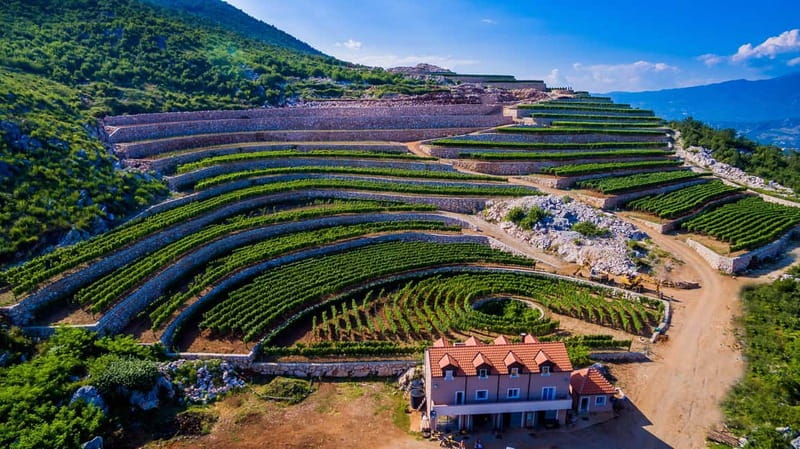
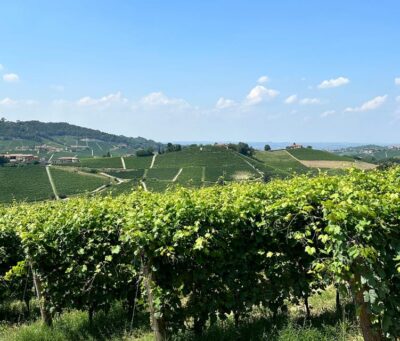
Lipovac Winery is in Montenegro, perched on the mountain slopes overlooking the Skadar Lake reserve. That setting matters more than you might think. When you’re tasting in the same hills where the grapes grow, the flavors make more sense, and the tour feels like you’re understanding a system, not just sampling drinks.
This is also the largest private winery in Montenegro, and it leans into long-running tradition. The tour explains that winemaking traditions here trace back to at least the 3rd century BC, based on amphorae and jugs found during archaeological excavations. Even if you skip all the lectures, the place itself helps you grasp why these methods lasted: it’s a landscape built for storing and protecting wine.
The 45-minute guided tour: vineyards, bottling tech, and the 60-meter cellar
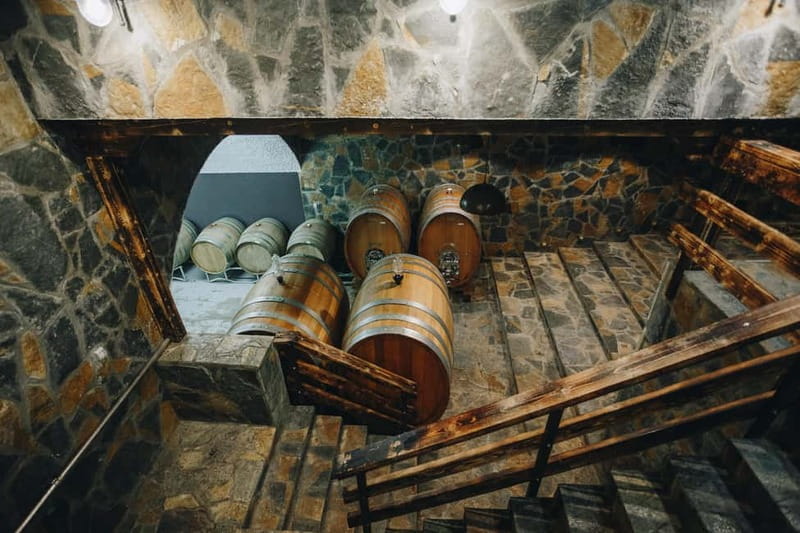
The tour portion is about 45 minutes, and it moves fast enough to feel energizing but slow enough to ask questions. You start with the vineyards first, where the guide talks through Montenegro’s autochthonous grape varieties and points out what’s special about growing them in this part of the country. You’ll get mountain views and a sense of wild nature, the kind of backdrop that makes the whole day feel less like a scheduled stop.
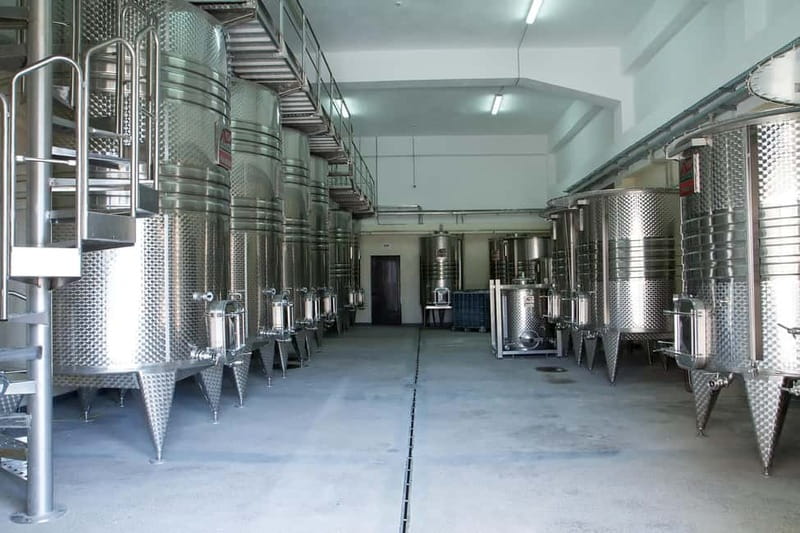
Next comes the technological side: a technological hall with professional high-tech bottling lines. This is where the tour becomes genuinely useful for people who care about how wine is made, not just what it tastes like. You see that Lipovac isn’t stuck in the past; it keeps the craft, then pairs it with modern production so the wine can be handled consistently.
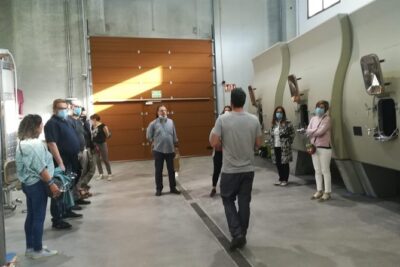
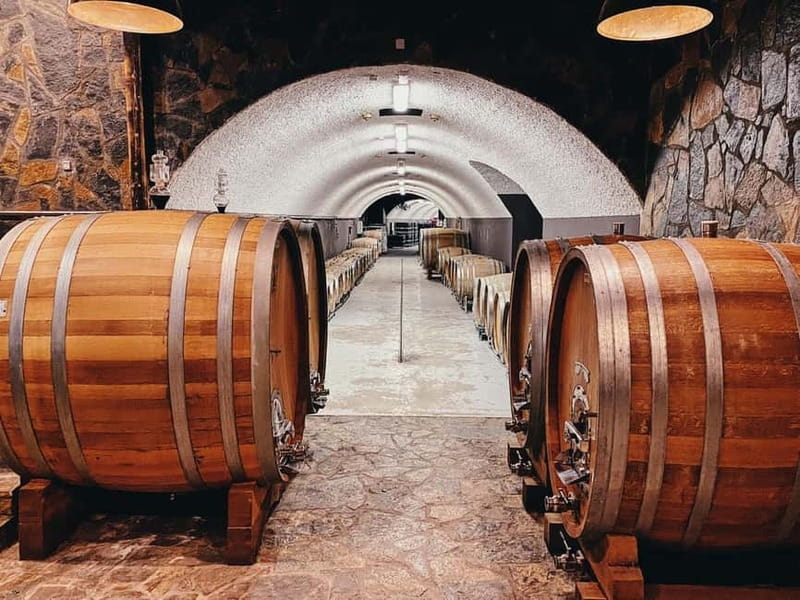
Then you go underground to the 100% man-made cellar, which is listed as 60 meters long and 10 meters deep. In practical terms, it means stable cool conditions for storage and aging. You’ll also see many barriques and botties—French oak barrels with capacities of 2 tons or more—so you can connect oak aging to what you later taste in the glass.
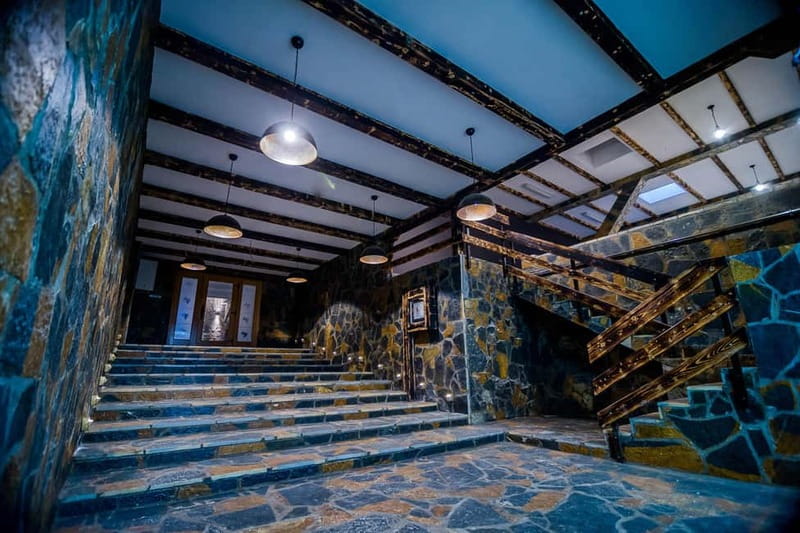
Potential drawback here: if you’re expecting a slow, grand walk like an old-world estate, you might find the pacing more functional. One detail from a recent booking points out that the tasting location may not look as majestic as a photo, so keep expectations flexible and focus on what’s actually happening on the ground.
Qvevri and amphora aging: the tour’s most memorable contrast
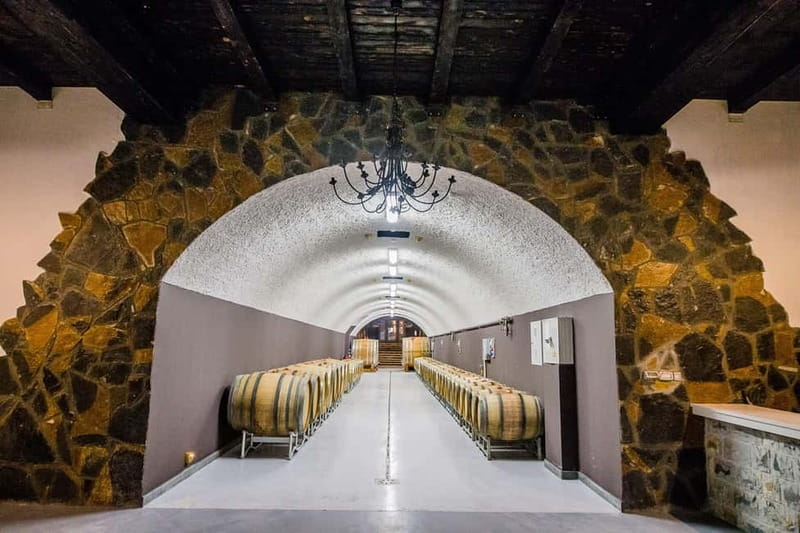
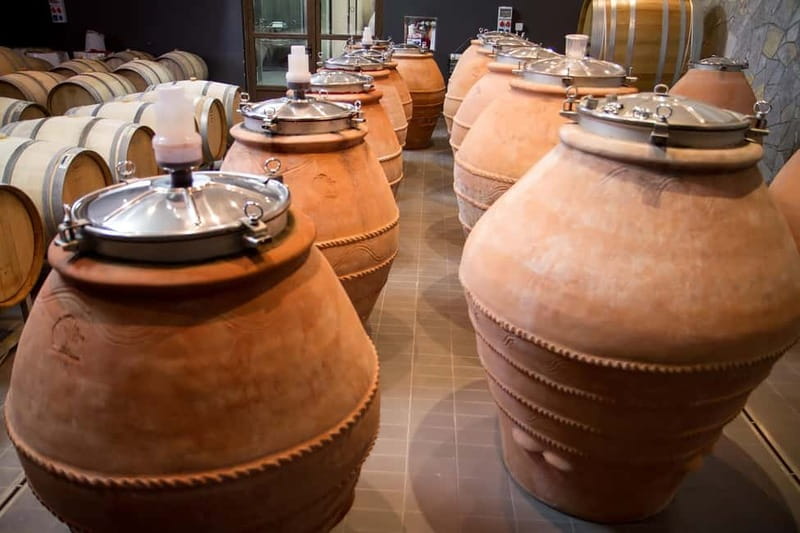
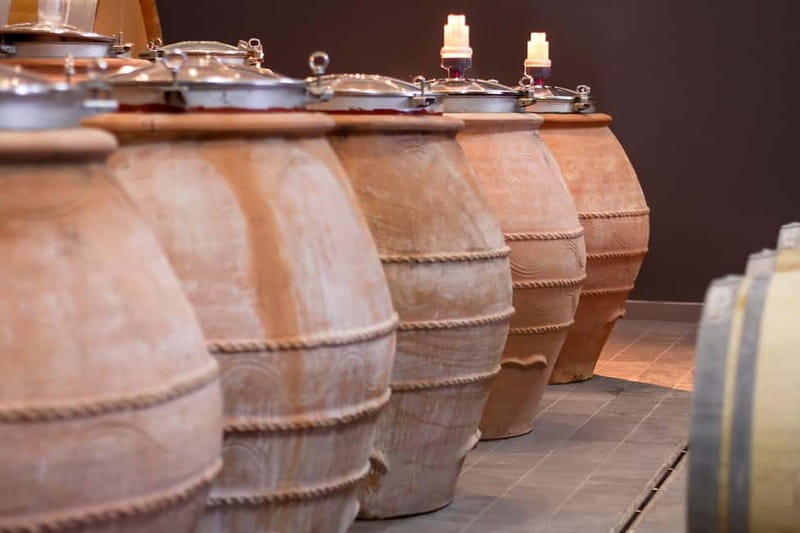
The signature part of this winery experience is seeing and hearing about ancient-style containers still in use. You’ll encounter two big categories: Georgian qvevri and Italian terracotta amphorae.
The qvevri are ancient clay vessels located directly in the ground. Lipovac explains that since 2011, this method is included in the UNESCO Intangible Cultural Heritage list. That matters because it’s not just a cool-looking artifact. It’s a living technique with a philosophy behind it: the container shapes the aging environment, and the process changes how the wine develops.
Then you’ll see the Italian amphorae—terracotta vessels used through traditions perfected by ancient Greeks and Romans. The tour frames this as a time machine, and honestly, it comes through because amphora storage isn’t the same vibe as barrels or stainless steel. You can feel the difference in how it’s presented: this section isn’t about selling a theme, it’s about showing a method.
One practical tip: when you reach the qvevri and amphora areas, pay attention to how the guide explains what you should look for in the tasting later. Even a short cue like what flavors might show up can make the tasting more meaningful.
What the tasting includes (and how to read the wines)
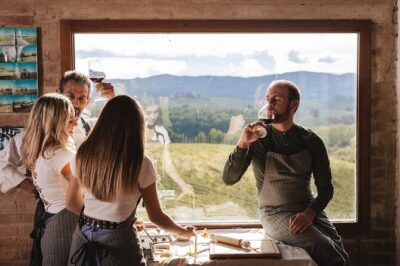
The tasting portion is about 45 minutes. It includes four wines plus exclusively created tasting snacks: prosciutto, Montenegrin cheese, and olives. That pairing is a smart choice for learning purposes. The salt and fat in cheese and prosciutto help you notice fruit, structure, and acidity without the flavors getting overwhelmed.
Here are the wines you’ll taste:
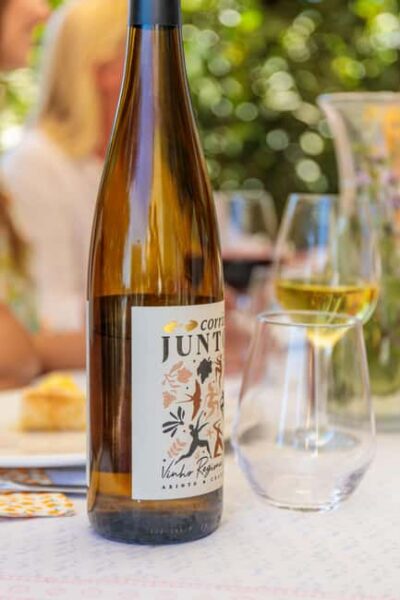
- Lipovac Idea: a dry white barrique Chardonnay with a light golden color. The guide highlights structure and complexity, with notes of fresh flowers and white peach.
- Lipovac Harmonia: a dry rosé made from grapes Vranac, using classical rosé technology. Expect raspberry and wild strawberry notes, plus good structure.
- Lipovac Concept: a dry red wine with ruby red color, medium structure, and notes of ripe fruit that add juiciness.
- Lipovac Model: a premium dry red with garnet color, described as elegant yet firm in structure. It’s intended for longer bottle aging, and the aroma emphasizes fruit.
If you’re not a hardcore wine person, you’ll still get something out of this lineup because it covers a range of styles without feeling random. You start with a Chardonnay-based white to reset your palate, then you move into Vranac rosé, and finish with two reds that show how Vranac can shift from a more medium-structured style to a premium, aging-focused style. The rosé also helps you understand Vranac beyond red wine expectations.
One more thing: the snacks aren’t an afterthought. Prosciutto, local cheese, and olives give you savory anchors. I find that helps you separate sweetness-like ripe fruit from actual sweetness in the wine, because savory food keeps your palate honest.
Price value: what $35 buys you in real learning time
At $35 per person for roughly 1.5 hours, you’re paying for more than a glass-and-walk experience. The value comes from three things you usually don’t get together at this price point:
1) a structured tour that includes production areas,
2) a cellar visit with serious aging materials, and
3) a tasting designed to teach you how Montenegro’s grapes show up across styles.
You also get a live guide speaking English, Russian, or Serbian. Language matters because wine tours can become confusing if you can’t follow even one or two core points. A live explanation turns the tasting from a checklist into a learning moment.
There’s also a small but important value factor: some sites let you do a basic tasting only. Here, at least one recent booking mentions an expanded option that included 8 wines from the domaine. You might not always see that option available, but it signals there can be room for a longer, more in-depth sampling if you want it.
Views, pacing, and group vibe: what to expect on arrival
Lipovac is popular enough to have plenty of bookings, and it has an average rating around 4.8 out of 5 from 40 bookings. The tone in that feedback pattern is consistent: people like the setting and the hosting, and they appreciate when the experience doesn’t feel over-choreographed.
One clear theme is that the setting hits you immediately, even before you’re deep in the tour. If you like scenery, you’ll likely appreciate this. One recent booking even calls out that the place can surprise you right away, and that the host makes the experience feel welcoming.
Pacing is another factor. This isn’t a slow, multi-hour crawl. You’re doing vineyards, cellar tech, ancient container viewing, then tasting. If you want a quick win—one stop that covers a lot—this works well. If you want long pauses to linger and take photos in every corner, you may wish you had more time on site.
Buying bottles and grappa at the cellar
After the tour and tasting, the info you’re given includes that you may have the chance to buy wine and grappa directly from the cellar. That’s not a small detail. Buying on-site is often the only way to take a wine home while it’s fresh in your memory, and it also helps you match the bottle to what you liked in the tasting.
If you’re planning to bring bottles back, ask staff how purchases work and how they handle it. (Your ability to carry liquids across borders depends on your own travel plans, so it’s smart to confirm before you commit.)
Who should book this tour—and who should skip it
This is a good pick if you want a genuine mix of wine culture and practical process. You’ll especially like it if you care about how old techniques like qvevri and amphora aging can coexist with modern bottling, and you want to taste Vranac in more than one style.
It may be a poor fit if you have mobility limitations. The tour is noted as not suitable for people with mobility impairments. It also isn’t suitable for children under 18, so keep it for adult-only travel days.
A quick fit-check for you
- Best for: wine lovers who like learning, and people who want to understand Montenegro’s autochthonous grapes
- Not ideal for: anyone who needs step-free, fully accessible routes or a stroller-friendly setting
- Good if you have limited time: you get vineyards, cellar, and tasting in 1.5 hours
Should you book the Lipovac Winery Tour and Tasting?
I’d book it if you want one solid, well-rounded winery stop in Montenegro. For $35, you’re not just paying for a drink—you’re paying to see the full chain: vineyard context, modern production, underground storage, and then a tasting that translates those choices into what you taste in the glass.
Book it especially if Vranac is on your radar, or if you like the idea of tasting wine aged in containers that are older than most wine styles you’ll see at home. Skip it only if accessibility needs or a preference for slow, purely scenic visits are dealbreakers for you.
If you’re deciding between a quick tasting elsewhere and a tour like this, Lipovac has the advantage of showing you how the wine is made, not just what it tastes like. And that’s the difference between a fun stop and a memorable one.
FAQ
Where is Winery Lipovac located?
It’s in Montenegro, on the mountain slopes of the Skadar Lake reserve.
How long is the winery tour and tasting?
The total duration is 1.5 hours.
What is the price per person?
The price is $35 per person.
What happens during the guided tour?
You’ll get a guided visit that includes Lipovac vineyards with autochthonous grape varieties, a technological hall with bottling lines, and a long underground cellar with barriques and botties, plus Georgian qvevri and Italian terracotta amphorae.
How many wines are included in the tasting?
The tasting includes four wines.
What wines are tasted?
The tasting list includes Lipovac Idea (Chardonnay), Lipovac Harmonia (Vranac rosé), Lipovac Concept (dry red), and Lipovac Model (premium dry red).
Are snacks included with the tasting?
Yes. The tasting includes local cold cuts: prosciutto, Montenegrin cheese, and olives.
What languages is the live tour guide available in?
The live guide is available in English, Russian, and Serbian.
Can I buy wine or grappa on site?
There is a possibility of buying wine and grappa directly from the cellar.
Is there free cancellation?
Yes. Free cancellation is available up to 24 hours in advance for a full refund.