REVIEW · VIENNA
Grape Grazing: Wachau Valley Winery Biking Tour
Book on GetYourGuide →Operated by Vienna Explorer · Bookable on GetYourGuide
Sipping wine while pedaling sounds perfect. This Wachau Valley bike-and-tasting day turns the postcard scenery into a real plan: train out of Vienna, easy rides between vineyards, and wine stops with local stories (plus time in Dürnstein). I love how the cycling is paced with frequent breaks, so you’re not grinding all day.
My second big win: you get wine tastings at small, family-run spots and the famous Domäne Wachau, not just a quick pour-and-go. One thing to plan for is that lunch costs extra (17€ cash only), so bring a bit of spending money even though the tastings and bike are included.
In This Review
- Key Moments You Should Not Miss
- Why This Wachau Bike Day Works So Well
- The Morning Start From Vienna: Train, Bike Fit, and Quick Setup
- Krems-to-Dürnstein: Vineyards, Tasting #1, and Medieval Atmosphere
- Dürnstein Free Time: Castle Ruins or Just Let the Town Win
- Weißenkirchen, the Danube Ferry, and Rossatz-Arnsdorf Tasting #2
- Lunch in the Valley and the Bonus Hike Options After
- The Danube Cooling-Off Moment: Swim or Skip with Confidence
- Bikes, Pace, and Weather: What to Wear and How Hard It Really Is
- Wine Tastings That Feel Human, Not Rush-Through
- Price and Value: Is It Worth $163
- Who Should Book This Tour (and Who Might Skip It)
- Should You Book the Grape Grazing Tour?
- FAQ
- FAQ
- How long is the Wachau Valley Grape Grazing bike tour?
- What does the tour cost, and what’s included in that price?
- Is lunch included?
- How much biking is involved, and is it strenuous?
- Do I need an e-bike?
- What should I bring for weather and comfort?
- Does the tour operate in bad weather?
- What language is the guide?
Key Moments You Should Not Miss
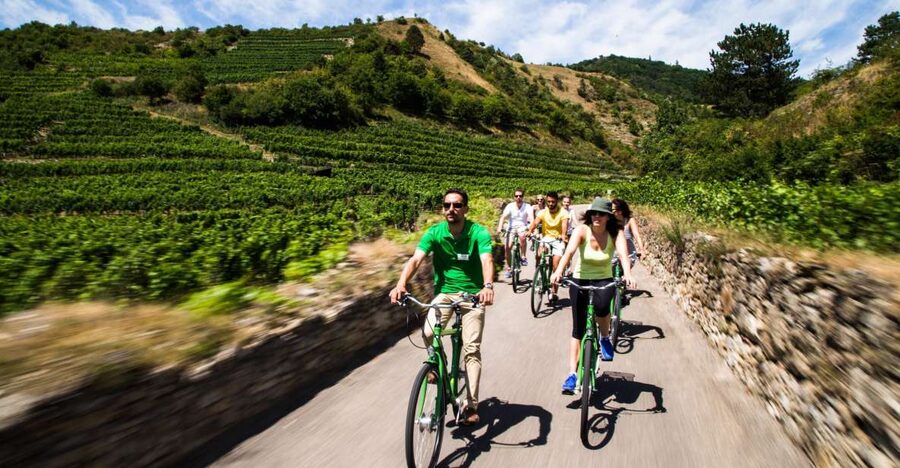
- Domäne Wachau + family wineries: real vineyards and real people, not a conveyor belt.
- Dürnstein time: either stroll the town or go up to castle ruins tied to Richard the Lionheart.
- Short ride legs: the longest stretch without stopping is about 30 minutes.
- Danube energy: a ferry crossing and a chance to cool off in the river.
- Guides with names you’ll hear: Tim, Zana, Nicholas, Miguel, Tomas, Felipe, and Szana show up in recent bookings.
Why This Wachau Bike Day Works So Well
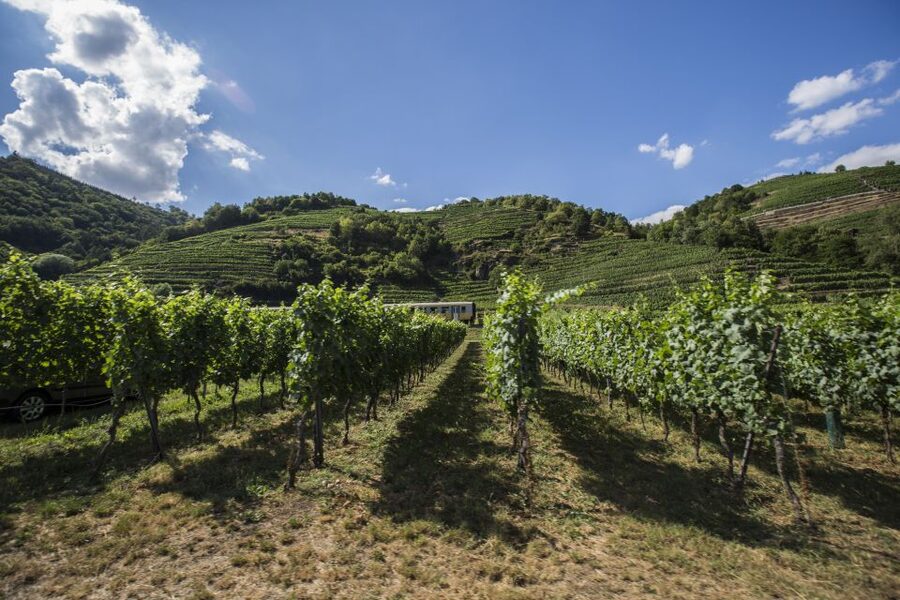
The Wachau Valley is famous for a reason: steep vineyard slopes, river bends, and villages that look like they’ve been paused mid-summer postcard. What makes this tour smart is that it doesn’t try to do everything. It does enough riding to make the scenery feel earned, then slows down for the good stuff—wine, history, and downtime in Dürnstein.
I also appreciate the balance. You’re not stuck in a bus window all day, and you’re not pushed into a hardcore bike challenge either. The ride is described as non-strenuous and suitable for all ages, with plenty of stops to reset your energy and your focus.
Finally, this is one of those days where logistics don’t eat your time. You start with train transportation from Vienna and return by train at the end, so you’re not wrangling parking, transfers, or figuring out which wineries are actually open.
You can also read our reviews of more tours and experiences in Vienna.
The Morning Start From Vienna: Train, Bike Fit, and Quick Setup
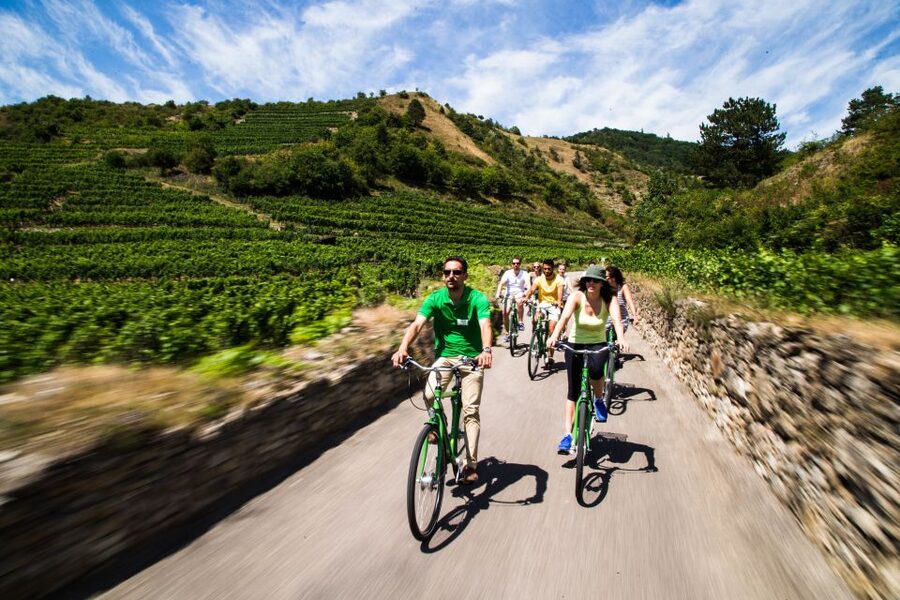
You meet the guide at the Vienna Explorer tour office, then it’s train time out of the city (about an hour). In the field, this part matters because it sets the tone: you get your gear handled early, and the group can roll into the valley without chaos.
At the bike rental shop, you’ll have a little buffer with Wi-Fi and snacks. Bikes come with helmets and rain ponchos, which is a big deal because the tour runs in all weather conditions. You won’t be stuck improvising a plan if clouds roll in—ponchos are ready.
One practical tip: wear comfortable shoes from the start. You’ll be on and off the bike, walking a bit in towns, and doing small climbs. Even though it’s not strenuous, your day still includes steps.
Krems-to-Dürnstein: Vineyards, Tasting #1, and Medieval Atmosphere
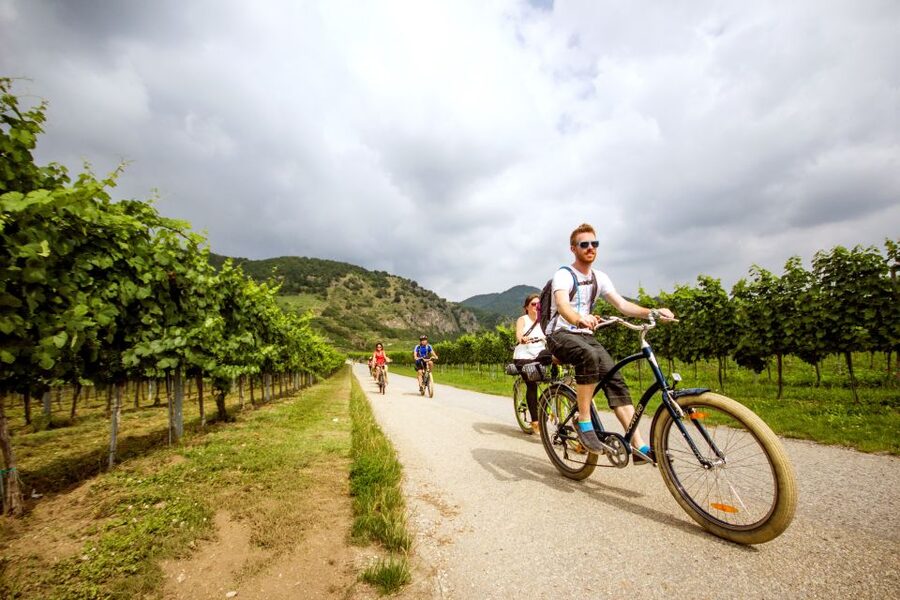
Your first real bike segment takes you from Krems an der Donau (about 45 minutes) and sets up the classic Wachau rhythm: pedal, pause, look around, and then taste. This matters because the valley’s views reward slow attention. When you’re not rushing, you’ll notice the vineyard layout, how the river shapes the landscape, and how the villages sit along the bends.
Then comes Dürnstein with your first wine tasting (about an hour). This is where the day becomes more than scenery. You’ll sample world-renowned white wines—often dry and also fruity styles—and you’ll hear what makes the local grapes and winemaking style tick.
A small bonus: the Domäne Wachau stop is a highlight. Even if you’re not a wine “nerd,” this kind of stop helps you connect the taste to the place. It turns the bottle into a geography lesson.
Dürnstein Free Time: Castle Ruins or Just Let the Town Win
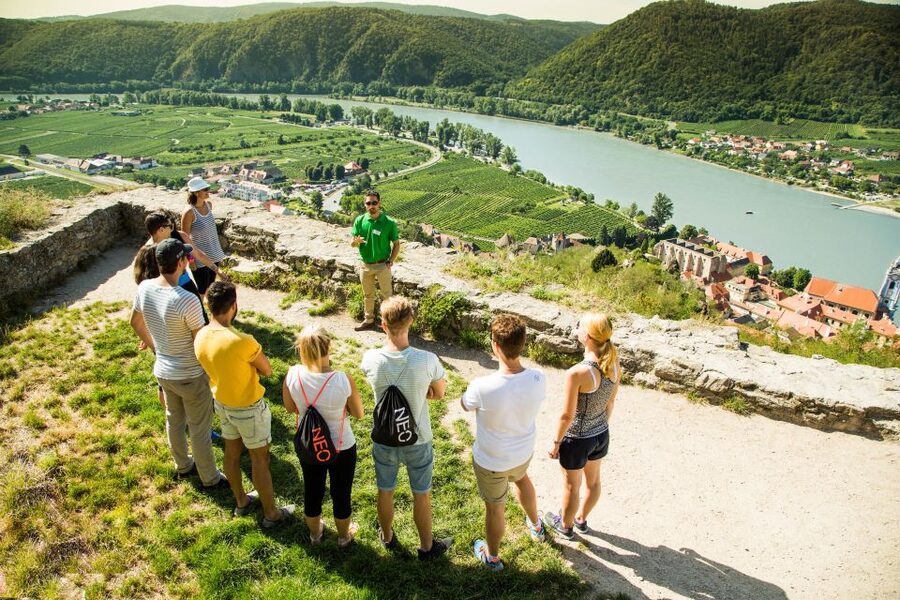
After tasting, you get free time in Dürnstein (about 45 minutes). This is your chance to wander without a strict script. The town itself is part of the experience, but the star feature is the castle story tied to Richard the Lionheart.
Many guides recommend a hike up to the castle ruins for the view. It’s not described as a grueling trek, and recent guests have called out that it’s worth it for the panorama. If you’re traveling with older family members or you just want a low-effort option, you can still enjoy Dürnstein by strolling the core streets and soaking up the river-town vibe.
One small consideration: if weather turns rough, you might trade the hike for a slower town loop. The tour is designed for all-weather days, but you’ll still choose what makes sense for your energy that day.
Weißenkirchen, the Danube Ferry, and Rossatz-Arnsdorf Tasting #2
Next you ride toward Weißenkirchen in the Wachau for a shorter bike leg (about 30 minutes). This is a good section to reset. The rides keep coming in manageable chunks, which helps you stay fresh for the tastings and lunch later.
Then you cross by ferry (about 15 minutes). That ferry moment is more than a transport detail. It’s a mini-break where you can take photos, watch the river move, and get a different angle on the valley.
From there you head to Rossatz-Arnsdorf for another wine tasting (about an hour). This second tasting stop is where you’ll feel the “gape grazing” theme more clearly—multiple winery visits, different styles, and time to compare. If you like learning through taste (instead of just buying a bottle and hoping for the best), this structure is ideal.
Lunch in the Valley and the Bonus Hike Options After
Lunch is part of the rhythm, but it isn’t included in the tour price. You’ll pay 17€ cash only directly to the guide on the day of the tour, and other lunch options may be suggested. The choice to keep lunch separate can feel annoying if you like everything bundled, but it also means you’re flexible depending on your appetite and the day’s conditions.
Where lunch lands you in the valley matters. It’s in a village setting, not a far-off restaurant with no connection to the scenery. That keeps the day feeling local.
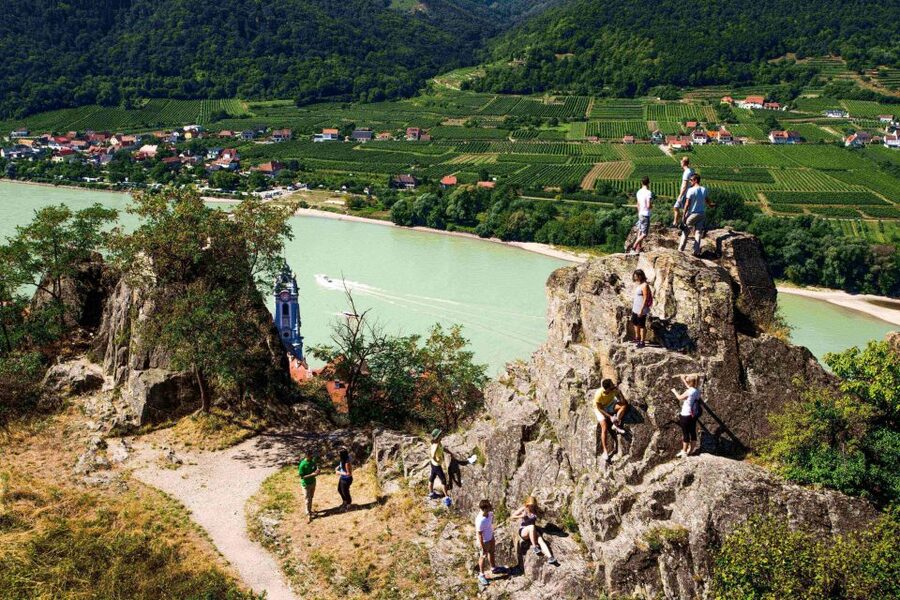
You may also get a bonus hike recommendation after lunch. In recent experiences, guests have mentioned an added climb toward castle-related views in Dürnstein, and others have noted a hike option tied to a monastery ruin. The exact “bonus” will depend on the day and the guide’s plan, but the pattern is consistent: you’re given a chance to turn your free time into a viewpoint.
If you’re not into hikes, no stress—pick the option that matches your energy.
The Danube Cooling-Off Moment: Swim or Skip with Confidence
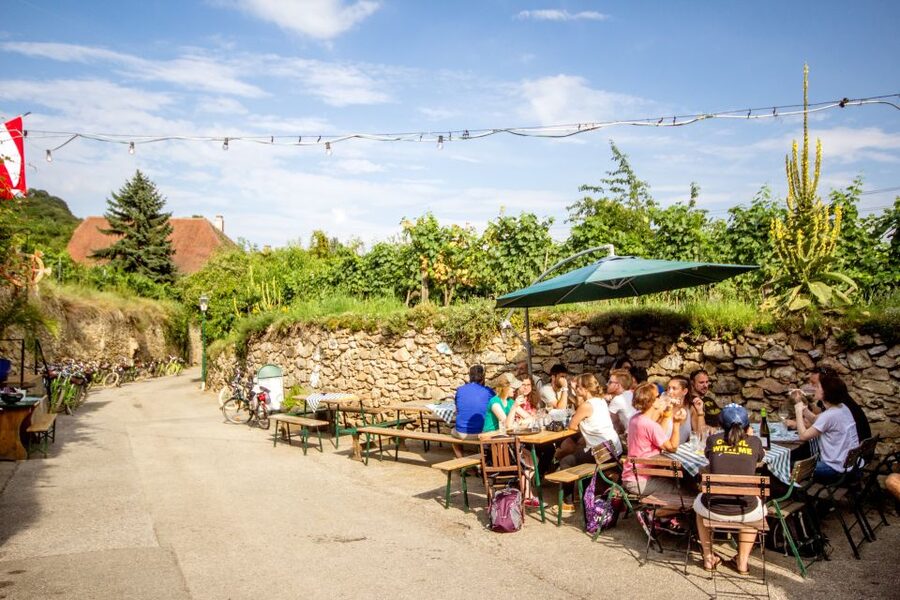
There’s time built in for cooling off in the River Danube. You might be told to bring swimwear and a towel, and those are smart items to pack. That said, water conditions matter. In one case, guests noted local advice discouraging swimming due to current and cleanliness concerns, so it’s smart to treat “cool off” as optional, not mandatory.
My practical advice: if you see strong current, signs, or you just don’t feel good about the water, skip the swim. Use the time to stretch, take photos, or enjoy the river view from the bank.
Even without swimming, the Danube is still doing its job here. The ferry crossing and river-town pacing make it feel like the day’s main character.
Bikes, Pace, and Weather: What to Wear and How Hard It Really Is
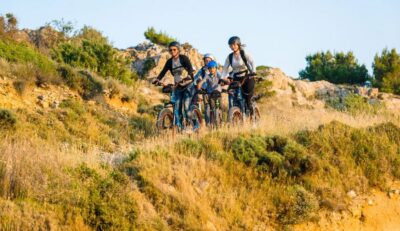
The bike route is about 14 miles (25 kilometers) total. That sounds like a lot until you realize the day is broken into several short rides with winery stops and town time. The longest chunk without stopping is described as about 30 minutes, depending on wind direction.
This is a “you’ll work a little” ride, not a “sweat through your soul” ride. You should still expect some small hills and some effort, especially if you’re tired or it’s windy. But multiple guests have pointed out it’s manageable, including for families (with the usual caveat: everyone’s comfort threshold is different).
Weather is the other big factor. The tour operates in all weather conditions. Rain ponchos are provided, so you won’t be stuck without protection, but you should still pack sunscreen and a sun hat. Even rainy days in the valley can swing between gray and bright fast.
Pack list that actually makes sense:
- Comfortable shoes (you’ll walk in towns)
- Sun hat and sunscreen
- Camera
- Swimwear and a towel (optional, but easy to bring)
- A small bag that can handle wine tasting flasks and personal items
Wine Tastings That Feel Human, Not Rush-Through
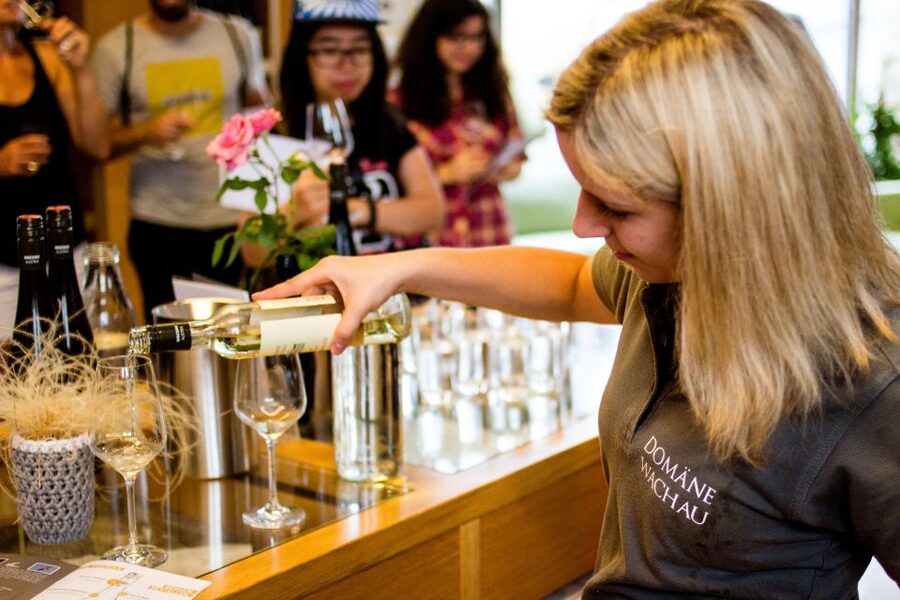
This is a wine tour, but it’s not only about drinking. The best part is how the day pairs tastings with context. In recent bookings, guests have praised the way guides explain the region’s history and culture alongside what’s in the glass.
You’ll also get the sense that the wineries are happy to see a group that actually shows interest. Several guests mentioned meeting the owners and learning directly from the people behind the bottles. That’s why these stops matter more than a generic tasting room visit.
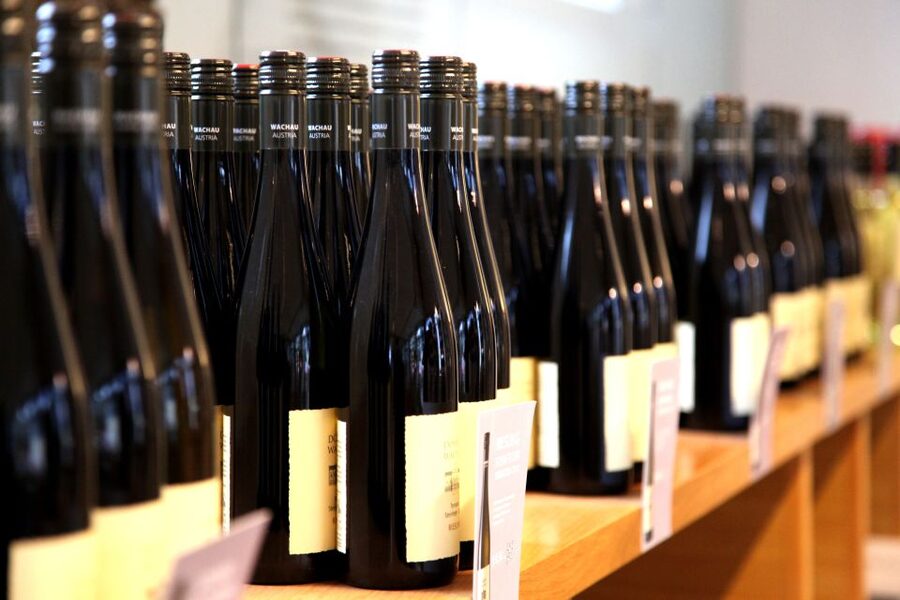
If you’re wondering what you’ll taste, the day is framed around world-renowned white wines, including dry styles and fruit-forward options. You may also encounter local extras like apricot-based products (jams and liqueurs came up in the tour description). That’s the Wachau flavor language beyond just grape varieties.
One small suggestion based on guest feedback: if you snack lightly, you can enjoy the tastings more comfortably. One guest wished there were cheese or crackers alongside wine. The tour does include Wi-Fi and snacks at the rental shop, but it doesn’t promise a full snack pairing at each winery.
Price and Value: Is It Worth $163
At $163 per person for an 11-hour day, the value question is really about what you don’t have to plan and pay for yourself. Here’s what’s included:
- Train transportation from Vienna
- Tasting fees at all wineries
- An expert live guide
- Bike rental, helmets, and rain ponchos
- Wi-Fi and snacks at the rental shop
- Hot and cold drinks available for purchase at the rental shop
What’s not included:
- Lunch (17€ cash only)
- Electric bikes
So you’re paying for an organized day where you don’t need to:
- book train logistics,
- worry about bike rentals and safety gear,
- find open wineries,
- pay tasting fees separately.
That’s a real cost saver in wine country, where “trying a few places” can quickly become a time sink. The added benefit is that the guide helps connect your tastings to the valley’s vineyards and history, which is harder to replicate solo unless you know exactly where to go and when.
My bottom line: this price is fair if you want a smooth, guided day and you plan to drink at least a little. If you just want the scenery, you might find cheaper ways to bike locally—but you’d give up the tasting access and the historical context.
Who Should Book This Tour (and Who Might Skip It)
This tour fits best if you want a classic day trip from Vienna that feels active and local. You’ll like it if:
- you enjoy cycling at an easy pace,
- you care about wine but don’t want a classroom-heavy tour,
- you want time in a memorable village like Dürnstein,
- you’d rather ride the river corridor than stay stuck in the city.
It might not be ideal if:
- you need a fully packed-in lunch included in the price (you’ll pay 17€ cash),
- you rely on electric bikes (they aren’t included here),
- you want lots of uninterrupted riding time (the ride is short legs with frequent stops).
On the other hand, if you’re flexible, this tour’s pacing is exactly what makes it enjoyable.
Should You Book the Grape Grazing Tour?
I’d book it if your idea of a great Austria day is part cycling, part wine tasting, and part history that doesn’t feel like homework. The structure—train from Vienna, easy cycling, tastings in small winery settings, and Dürnstein time—creates a full day without forcing you into long, exhausting stretches.
Before you go, do two things to make the day smoother: bring cash for lunch (17€), and pack swimwear and a towel only if you’re genuinely interested in the Danube cooling-off option. And if you care about castle views, plan to take the hike when conditions allow.
If that sounds like your kind of day, this is one of the better ways to see the Wachau Valley without turning it into a complicated research project.
FAQ
FAQ
How long is the Wachau Valley Grape Grazing bike tour?
It runs for about 11 hours.
What does the tour cost, and what’s included in that price?
The price is $163 per person, and it includes train transportation from Vienna, tastings fees at all wineries, a live expert guide, and bike rental with helmets and rain ponchos.
Is lunch included?
No. Lunch is available for an extra 17€ per person and is cash only.
How much biking is involved, and is it strenuous?
The bike route is about 14 miles (25 km). It’s not strenuous, with stops throughout the day and a longest stretch of about 30 minutes without stopping.
Do I need an e-bike?
Electric bikes are not included.
What should I bring for weather and comfort?
Bring comfortable shoes, a sun hat, sunscreen, a camera, and swimwear plus a towel if you want the Danube cooling-off option. Rain ponchos are provided.
Does the tour operate in bad weather?
Yes. The tour runs in all weather conditions, and rain ponchos are provided.
What language is the guide?
The live tour guide is in English.