REVIEW · GREVE IN CHIANTI
Il Molino di Grace: Vineyard & Cellar Tour with Wine Tasting
Book on GetYourGuide →Operated by Tenuta Agricola Il Molino di Grace · Bookable on GetYourGuide
Four pours. One hour. Honest wine education.
At Tenuta Agricola Il Molino di Grace in Tuscany, you get a tight, guided route from vines to the cellar, ending with a structured tasting that helps you connect flavors to what the winery actually does. Even better, it is timed for people who want a real experience without losing the whole day.
I especially liked the way the tour explains what makes the estate wines taste the way they do. You start in the vineyards, then move through the winemaking rooms, and finally taste the results, so nothing feels random.
One consideration: it is a 1-hour format, so if you want long, deep technical back-and-forth, you will need to ask your key questions early and keep an eye on the pace. Also, the vineyard stroll is weather permitting.
In This Review
- Key highlights you should care about
- A one-hour winery visit that actually connects dots
- Entering Il Molino di Grace: what the experience is really built to teach
- Vineyard stroll: weather is the variable
- Vineyard walk: history, grapes, terroir, and sustainable farming in plain language
- Cellar tour: fermentation to barrel aging, with equipment and process explained
- What you should pay attention to during the cellar walkthrough
- The guided tasting of 4 estate wines: how to get the most from the pours
- How the tasting is paced for beginners and enthusiasts
- Bonus tastings: EVO olive oil and balsamic
- Price and value: is $35 worth it for this 1-hour format?
- What I’d recommend this tour for (and who should choose differently)
- Notes from real visits: the kind of welcome you can expect
- Should you book Il Molino di Grace? My take
- FAQ
- How long is the Il Molino di Grace vineyard and cellar tour?
- What does the tasting include?
- Is the tour only in the cellar?
- What language is the tour guide?
- What should I wear or bring?
- Is there free cancellation?
- Can I book without paying right away?
- How many wines are tasted?
- Is the vineyard visit guaranteed?
- Is the tour wheelchair accessible?
Key highlights you should care about
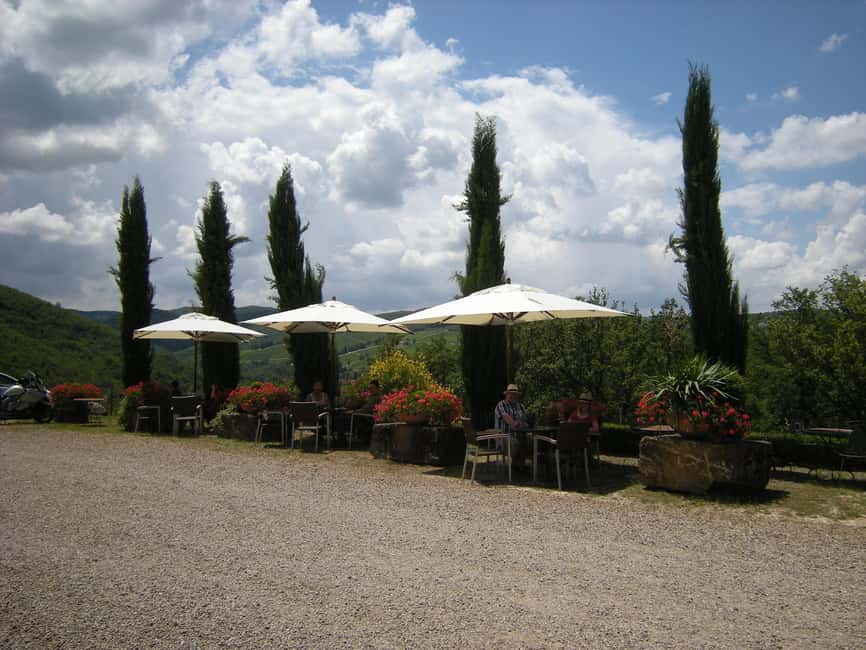
- 4 estate wines in one guided tasting, usually chosen to show different styles or growing approaches
- Vineyard walk for terroir and grape variety context, tied directly to what you taste
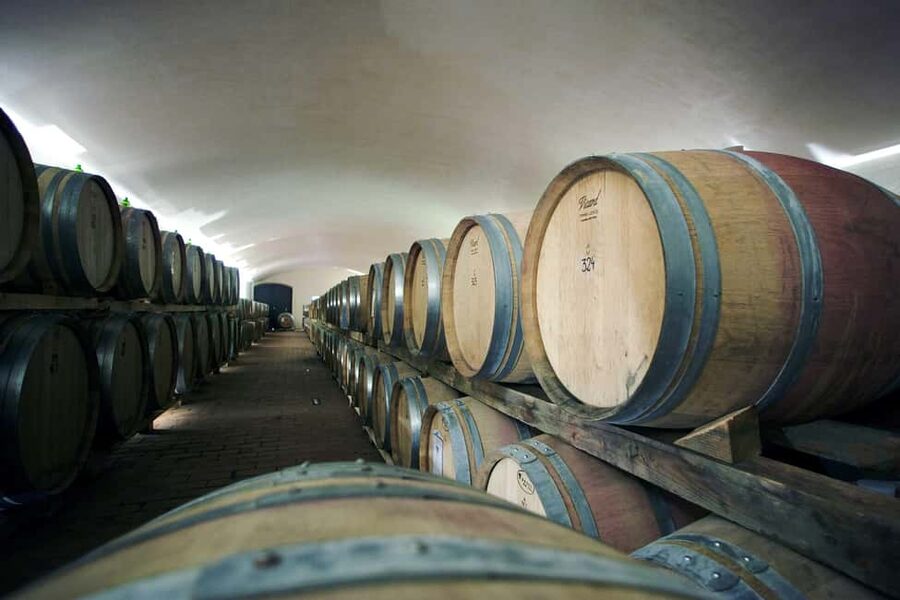
- Cellar visit to see barrels and tanks, with explanations of fermentation, aging, and bottling
- EVO olive oil and balsamic tasting, which adds a local-food lens to the experience
- English or Italian tour guide, plus a helpful note from past visitors that some staff may speak Polish
A one-hour winery visit that actually connects dots
This is the kind of tour that works when you want Tuscany wine culture without turning your day into a transport mission and a waiting game. The duration is 1 hour, which means you will cover the main story arcs—vineyard, cellar, then tasting—without getting lost in details that do not affect what you end up drinking.
For me, the best part is how the structure is designed around understanding. You learn about the estate’s history, grape varieties, and terroir first, and then you taste four estate-made wines with a guided explanation for each. That order matters, because your brain remembers flavors better when you know what you are looking for.
And yes, it also feels like a real winery moment. You are not just standing in a tasting room. You walk through growing and production spaces, including the barrel aging area, so you can picture where wine changes between picking and bottling.
Entering Il Molino di Grace: what the experience is really built to teach
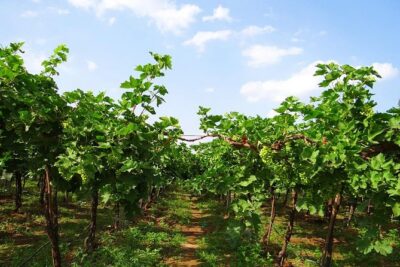
Before you taste anything, you are guided into the story of the estate. The tour begins with a stroll through the vineyards, where your guide explains the winery’s background, the grape varieties grown there, and the character of the land—soil, climate, and how those factors influence the wine.
You also get the practical side of viticulture: the growing process, the challenges faced in the vineyard, and why sustainable farming practices matter for quality. Even if you are not a wine-nerd, you will notice the difference between tasting wine that is just good and tasting wine that comes from a method.
This vineyard start is valuable because it turns the tasting into interpretation. When you later smell and sip, you are not guessing. You have a map in your head: what they grow, what they fight against, and what the soil-and-weather mix is shaping.
Vineyard stroll: weather is the variable
The vineyard component is listed as weather permitting. If conditions are not ideal, you might not get the full outdoor portion, so wear comfortable shoes and dress for the day you actually get—not the forecast you hoped for.
Vineyard walk: history, grapes, terroir, and sustainable farming in plain language
The vineyard segment is where the tour earns its keep. You learn about the estate’s history and how the vineyard fits into that bigger story, but it is not just lore. The guide ties the history to practical choices: which grapes they cultivate and how the site influences the wine.
You will hear about terroir in practical terms—soil and climate, and how those shape growth and ripening. You will also learn about sustainable farming practices and why they are important to producing quality wines. In real life, that often means fewer shortcuts and more careful vineyard management, but the tour keeps it grounded in what it means for the bottle.
If you like learning through movement, this part hits a sweet spot. You are walking among the vines while someone explains what to look for. And because the tasting later includes multiple wines, the vineyard talk helps you start comparing styles instead of treating every pour as its own universe.
Cellar tour: fermentation to barrel aging, with equipment and process explained
After the vineyard, you head into the cellar spaces where the transformation happens. This is not just a photo-op tour. The guide explains key stages: fermentation, aging, and bottling, and you get a look at the equipment used and the traditions followed to create wines with character and complexity.
You will see barrels and tanks, which is the moment many people remember later. Barrels relate to aging choices and flavor development, while tanks connect to controlled aging and different stylistic results. Even without getting overly technical, seeing both helps you understand why wineries may produce different textures and flavor profiles from the same grape family.
This section is a major value point because it makes the tasting feel logical. You learn where time and temperature decisions happen, then you taste wines that reflect those choices.
What you should pay attention to during the cellar walkthrough
If you want the tasting to land better, focus on a few simple things:
- Listen for the part that links process to style (for example, what they emphasize in aging).
- Ask one question about how they choose barrel versus tank approaches.
- Keep track of what grape varieties the tasting wines represent, since your guide will connect flavors back to them.
The guided tasting of 4 estate wines: how to get the most from the pours
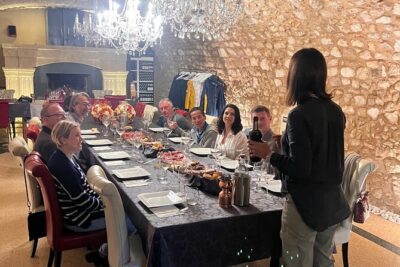
At the end, you sit down for a guided tasting of four estate wines. The selection is typically chosen to represent different styles or wine-growing techniques, so it is not just a random flight. You are tasting with an agenda: differences should make sense by the time your glass hits the light.
Each wine comes with a story about its creation. That story is what turns sipping into learning. Your guide walks you through aroma and flavor profile, and ties it back to what you saw and heard earlier—vineyard practices, the estate’s approach, and what happened in the cellar.
How the tasting is paced for beginners and enthusiasts
The tour is designed to work for both wine beginners and people who already know basic terms. You can ask questions, and there is room to discuss preferences—what you like, what you want to understand more, and how the flavors connect to the choices behind them.
If you are new to wine tasting, this format is helpful because you are not left with a brochure and a shrug. The guide leads the process, so you learn how to look for aromas and how to think about taste beyond sweetness or dryness.
Bonus tastings: EVO olive oil and balsamic
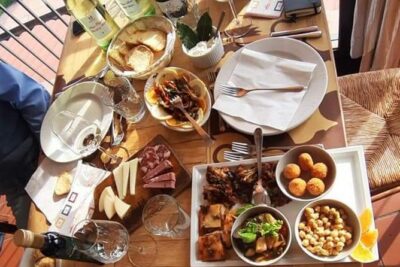
You also get a tasting of EVO olive oil and balsamic. This is a smart addition for Tuscany. It grounds the experience in local food culture and gives your palate a different kind of reference point than wine alone.
In practice, oil and balsamic tasting can help you notice acidity and balance—qualities that also show up in wine. It also makes the experience feel more like Tuscany than a generic international wine stop.
Price and value: is $35 worth it for this 1-hour format?
The price is $35 per person for a 1-hour experience. The good news: you are not paying just for a pour. You are paying for three connected pieces: a vineyard walk (weather permitting), a cellar tour that explains production stages, and a guided tasting that includes 4 estate wines plus EVO olive oil and balsamic.
For a time-limited itinerary, this is strong value. Tours that cost similar amounts often focus only on one area—either the tasting room or a general walk-through. Here, you get a cause-and-effect sequence: vines and farming → fermentation and aging → wines you taste.
Is it a bargain? It is priced like a focused, structured winery visit rather than a long, luxury-style tour. If you want a slower pace, a larger tasting flight, or deeper cellar technical training, you may feel limited by the 1-hour window. But for most people trying to fit Tuscany into a busy travel day, $35 for this package is a fair trade.
What I’d recommend this tour for (and who should choose differently)
This fits best if you:
- want a quick Tuscany winery hit that still teaches you something
- like the idea of tasting while you understand the process behind it
- prefer small, guided structure over wandering on your own
It may not be the best choice if you:
- want a long, leisurely tasting with extra pours
- plan to take lots of notes on very specific winemaking lab details
- need a fully flexible schedule (the vineyard part is weather permitting)
If you are traveling with limited time between sights, this kind of tour is a good anchor stop. You will leave with bottles-worth of context in your head, not just a few empty glasses.
Notes from real visits: the kind of welcome you can expect
The overall feedback points to two practical strengths. First, people describe the welcome as positive and professional, with staff engagement that makes the tour feel organized. Second, the tasting and tour content seems to hit a useful depth for the time you spend.
One useful tip from past visitors: some staff members may speak Polish, which can make a big difference if you want clearer explanations and easier back-and-forth questions. Even if you choose the tour for English or Italian, it is worth knowing that extra language support may be available on-site.
Should you book Il Molino di Grace? My take
I would book this tour if you want a short, well-structured introduction to an estate winery in Tuscany. The combo of vineyard + cellar + 4-wine guided tasting is the kind of format that helps you remember what you drank and why it tasted the way it did.
If your goal is a relaxed half-day in wine country, you might want a longer tour elsewhere. But if you want value, structure, and a direct link between what you see and what you taste, this one-hour experience is a solid choice.
One last practical note: wear comfortable shoes and plan for outdoor walking. Even when the cellar is the highlight for many people, you are starting outside.
FAQ
How long is the Il Molino di Grace vineyard and cellar tour?
The experience lasts 1 hour.
What does the tasting include?
You’ll taste 4 estate-made wines during a guided session, plus EVO olive oil and balsamic.
Is the tour only in the cellar?
No. You’ll visit the vineyards first (weather permitting), then tour the winemaking room and barrel aging room.
What language is the tour guide?
Tours run with a live guide in English and Italian.
What should I wear or bring?
Bring comfortable shoes and dress in weather-appropriate clothing.
Is there free cancellation?
Yes. You can cancel up to 24 hours in advance for a full refund.
Can I book without paying right away?
Yes. The option offered is reserve now & pay later, meaning you can book and pay nothing today.
How many wines are tasted?
You’ll taste four estate wines.
Is the vineyard visit guaranteed?
It is listed as weather permitting, so outdoor sections may depend on conditions.
Is the tour wheelchair accessible?
Yes, it is listed as wheelchair accessible.
If you tell me where you’re staying in Tuscany (and which day), I can suggest how to slot this into a realistic itinerary with nearby stops.