REVIEW · LOIRE VALLEY
Loire Valley: Vouvray Vineyard Tour and Wine Tasting
Book on GetYourGuide →Operated by Rendez-Vous dans les Vignes · Bookable on GetYourGuide
Vouvray tastes better with a view. This small-group winery tour starts in the village of Chançay and turns a simple tasting into a full “vine to wine” lesson, from vineyard work to a man-made limestone cellar.
I especially like that you learn while you walk: the guide explains the French appellation system and what vine growing looks like across the year, not just how wine ends up in your glass. I also love the pairing style at the end, where the wines come with real Loire bites, from fish rillettes to cheese and desserts, and the pours feel generous.
One drawback to plan around: this is a walking-focused experience and it’s not recommended for people with limited mobility.
In This Review
- Key highlights you’ll care about
- Vouvray in Chançay: meet the winemaker’s family
- Vineyard walk and the logic of appellation rules
- From grapes to wine: harvest paths and pressing
- The man-made rock-hewn cellar: why limestone matters here
- Vouvray sparkling wine: the traditional method in action
- The six-wine tasting with Loire finger food
- Price and what $68 buys you in real value
- Practical tips before you go to Vouvray
- Should you book this Vouvray vineyard tour?
- FAQ
- How long is the Vouvray vineyard tour and tasting?
- What is the group size?
- Where do I meet for the tour?
- What wines and how many will I taste?
- What food is included with the wine tasting?
- Is transportation to and from the winery included?
- Is the tour suitable for limited mobility?
Key highlights you’ll care about
- Vineyard walk in Vouvray with clear talk about appellation rules and terroir
- Rock-hewn, limestone cellar that fits Vouvray’s traditional winemaking world
- Six-wine tasting spanning sparkling, rosé, dry white, and sweet white wines
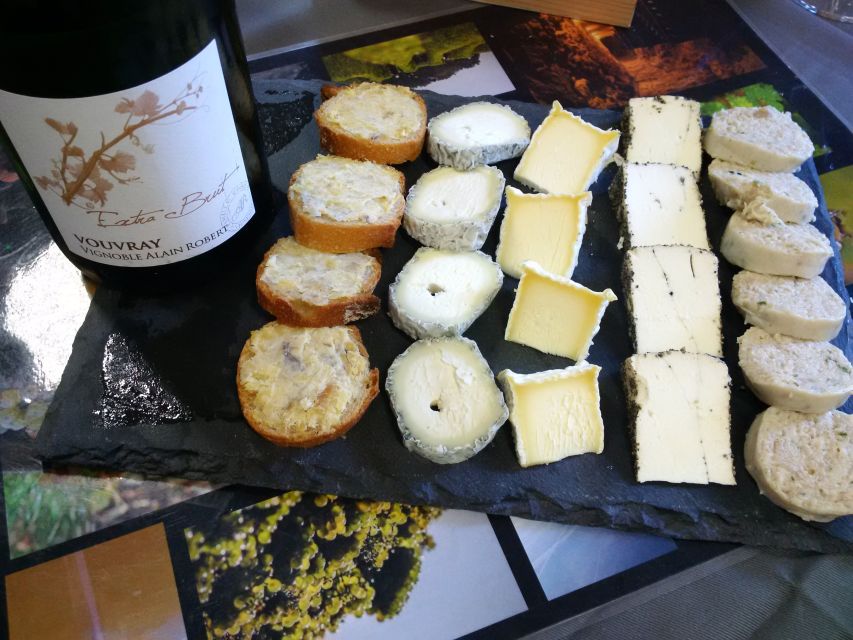
- Loire finger food pairing like fish rillettes, charcuterie, cheeses, and local desserts
- Family connection through the guide, Myriam, and a winemaker husband
Vouvray in Chançay: meet the winemaker’s family
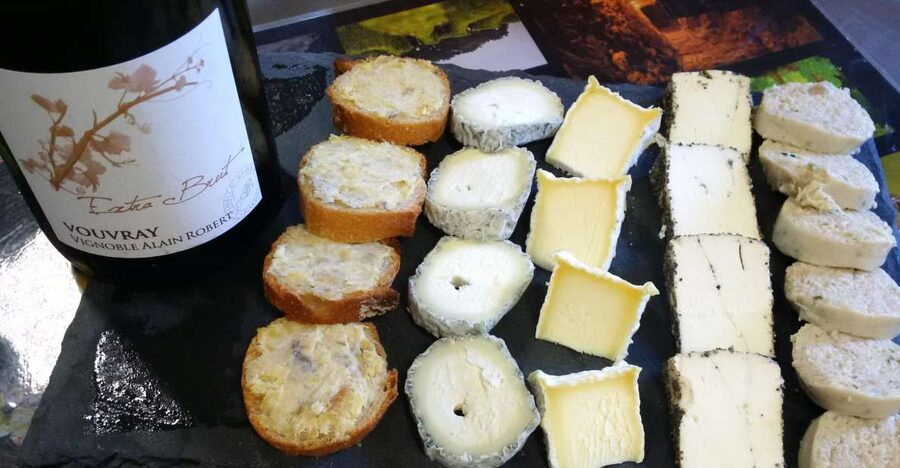
This tour is centered around Chançay, right in the heart of Vouvray. The meeting point is at Vignoble Alain Robert, with parking on the place or the grass opposite the entrance, which keeps things easy if you’re driving yourself.
You meet Myriam, the wife of the winemaker at the family-owned estate. She’s the kind of host who can answer questions without rushing you, and the backstory matters here: the winery has been in the family since 1973 through her in-laws, so you’re hearing how the place has worked over time. That long family continuity changes the tone. It’s not a scripted brochure tour.
You’ll also get a practical mix of English and French from the guide. Even if your French is basic, the pacing helps you catch the key points about how Vouvray wine is made and categorized.
Vineyard walk and the logic of appellation rules
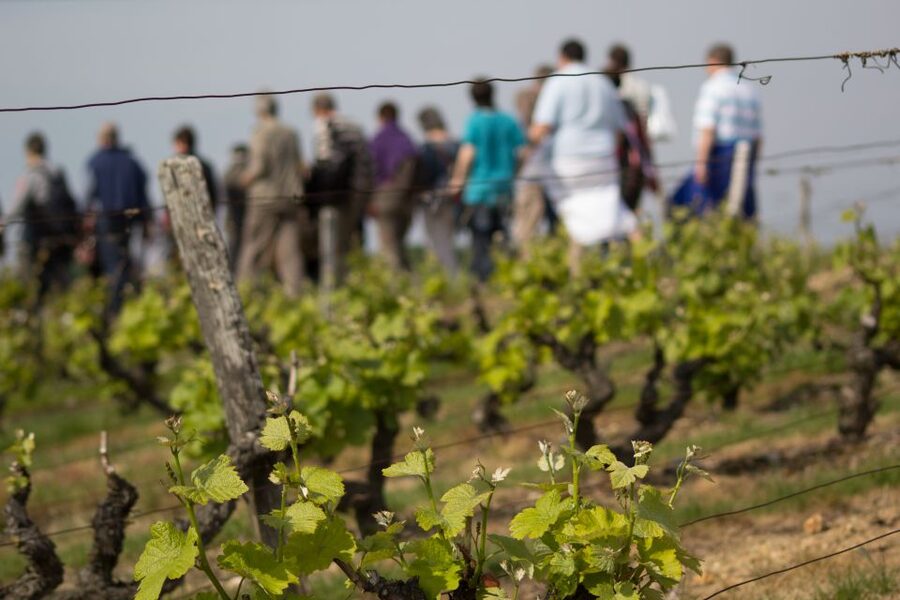
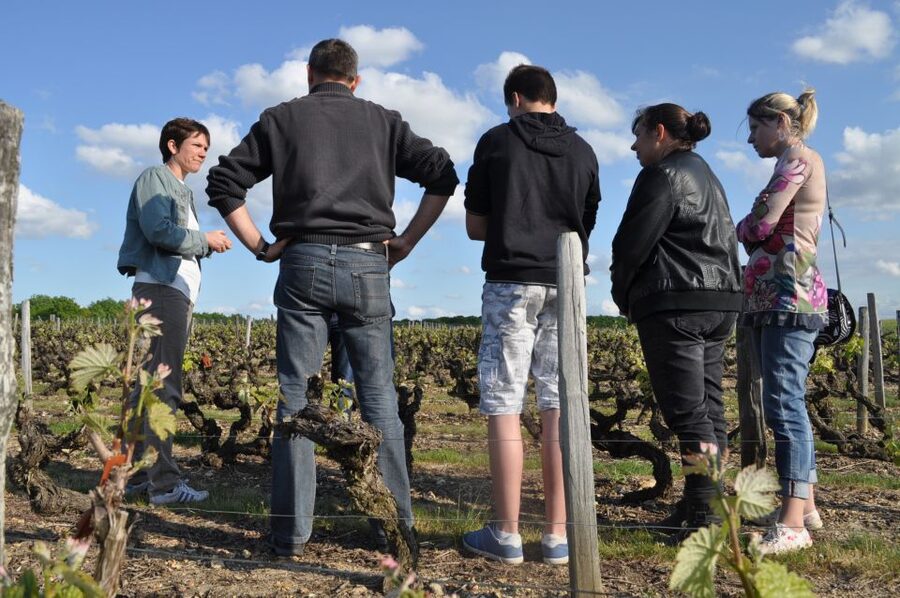
The tour begins with a guided walk through the vineyards surrounding the winery. This is where the experience earns its place on your itinerary, because the guide connects what you see—rows of vines, the slopes, the distance between plots—to how the French appellation system works.
You’ll learn that Vouvray isn’t just a label you recognize on a bottle. It’s a set of strict rules, with expectations for grape growing and production choices. The walk is your context. Without it, you’d taste six wines and still wonder why they taste the way they do.
You’ll also get a sense of how vine growing changes through the year. The guide explains what winemaking decisions depend on, season by season, so you can understand why two wines from the same region can still feel different on the palate.
And yes, you’ll see plenty of vineyard views—plus the winemaker’s houses and the cellars that make this area recognizable. It’s one of those “oh, this is why they built it like this” moments.
From grapes to wine: harvest paths and pressing
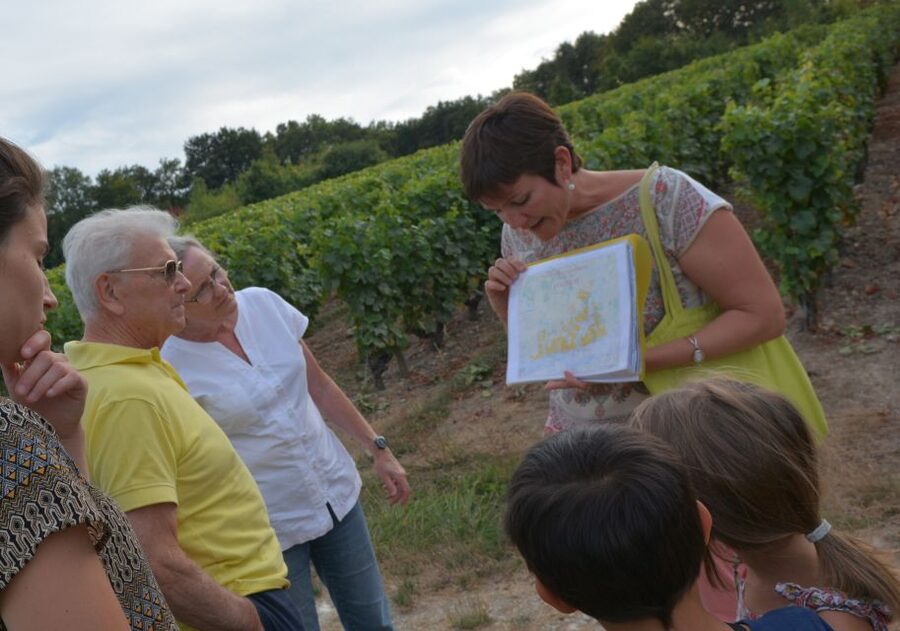
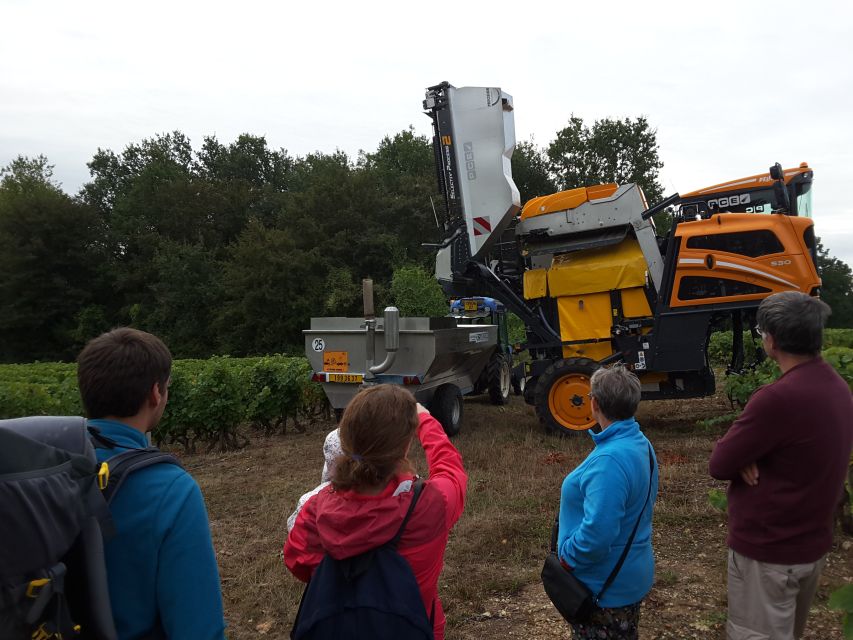
After the vineyard walk, the tour shifts from outdoors to the production side. You’ll follow the path that grapes take at harvest time—moving from the vines to the winery, where they’re pressed.
That single concept—grapes moving through the process—helps you connect the tasting later. When you understand that pressing and early handling decisions happen right away after harvest, the tasting stops being random and starts being explainable.
You’ll also learn about different winemaking techniques. The tour doesn’t only tell you what to taste; it shows why these wines end up as sparkling white, sparkling rosé, dry whites, and sweet whites. It’s a smart way to keep a wine tasting from becoming a blur of flavors and alcohol.
You’ll likely ask yourself, as I would: why does Vouvray produce styles that range from dry to sweet, and from still to sparkling? The production stops help answer that, because you can connect the technique to the final style rather than treating each pour as a totally separate product.
The man-made rock-hewn cellar: why limestone matters here
The cellar visit is a highlight, especially if you like traditional winemaking tools and places with texture. The family’s wine cellar is dug into rock, and you’ll see how this kind of space fits local practice.
This isn’t an abstract history lesson. It’s the physical environment where wine processing happens, and it connects to the region’s identity. Seeing the rock-hewn design makes you realize why Vouvray wineries often look the way they do—practical structures built for the realities of production.
During this part of the tour, you’ll understand more about what the family has built and maintained over decades. That matters because you’re not just observing winemaking once. You’re seeing the infrastructure that has supported it since 1973.
The guide ties in how the grapes get transformed inside the cellar and how the space supports the winery’s workflow. You’ll come out of the cave with the sense that the estate’s rhythm is built into the stone.
Vouvray sparkling wine: the traditional method in action
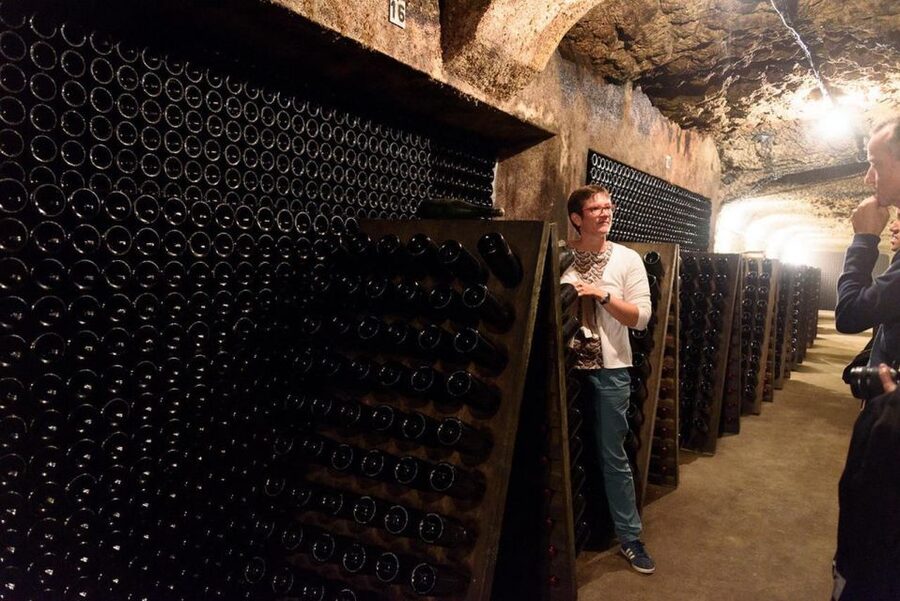
Vouvray is famous for sparkling wine, and this tour points you directly to how that style is made locally. You’ll learn about the traditional method used in the area to create these famous sparkling bottles.
The key value here isn’t memorizing technical wording. It’s realizing that sparkling wine isn’t just sparkling water with bubbles added. It’s a specific process with decisions that shape texture, flavor development, and the final experience.
When you reach the tasting portion, you’ll have an anchor. You’ll be able to connect the sparkling pours to the tradition you just heard about in the cellar. That makes the tasting more fun, because you’re listening as much as you’re sipping.
If you’re the kind of person who enjoys figuring out why a wine tastes the way it does, this part is worth the price by itself.
The six-wine tasting with Loire finger food
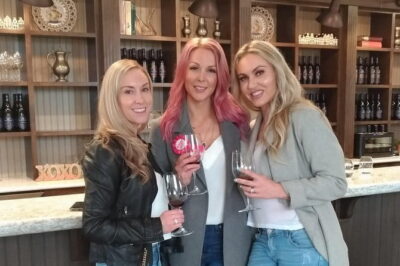
Now comes the part most people picture: tastings. You’ll taste six wines from the winery, covering a range that spans sparkling white and sparkling rosé, plus dry and sweet white styles. That variety is a smart way to show what one estate can do.
You’ll notice that the tasting is paired with local delicacies served with the wines. This isn’t only about taste. It’s about learning how Loire flavors and wine match up, so you understand why certain combinations feel right.
The food includes Loire fish rillettes, charcuteries, cheeses, and local desserts. These are classic choices that help cleanse the palate and highlight different wine characteristics—salty and savory with the whites, creamy textures with cheese, and sweet notes with the dessert course.
This is also where the tour feels generous. The pacing gives you time to notice differences between styles rather than rushing you through like a flight at the airport.
If you’re worried about how much you’ll drink, don’t overthink it. The tour is built for a relaxed 3-hour experience. You’ll taste six wines, but it’s paired with food and guided explanations, so it stays lively and not chaotic.
And if you’re curious about what to take home, the tour ends with a chance to buy wine at cellar-door prices. That’s one of the best advantages of a family estate stop: you’re not just tasting—you’re making a practical purchase decision with context.
Price and what $68 buys you in real value
At $68 per person for a 3-hour tour, the value depends on what you want out of wine travel. If you’re only looking for a quick glass and a view, you can find cheaper stops. But if you want a structured “why” behind what you’re drinking, this one is fair.
Here’s what you actually get for the money:
- A small group capped at 14 people, so you can ask questions and hear the guide
- Vineyard walking time plus cellar time, so it’s not just a tasting room
- A 6-wine tasting from the estate, not random regional pours
- Local finger food pairing, including fish rillettes, charcuterie, cheese, and desserts
- Family-guided perspective from Myriam, plus the winemaking link through her husband
That combination is the value story. You’re paying for context and access, not just alcohol. And the duration matters too. Three hours is long enough to cover vines, production, and tasting without dragging into a half-day.
If you’re doing multiple regions during your Loire trip, this also makes sense as a focused stop in one place. You’ll leave with a coherent understanding of Vouvray and a clear set of wines to compare.
Practical tips before you go to Vouvray
Wear comfortable shoes. The tour is walking-focused, and you’ll want stable footing for the vineyard paths and the transitions into and around the cellar areas.
Bring a jacket. Even if you’re dressed for warm weather above ground, cellar visits and the general stone-and-air feel can make you want another layer.
Plan for no hotel pickup. You’ll need to get yourself to the meeting point at Vignoble Alain Robert in Chançay. That sounds basic, but it’s important for timing: you’ll want to arrive a few minutes early so you’re not rushed at the start.
Also keep expectations realistic about mobility. This experience isn’t recommended if you have mobility impairments, since it involves walking and moving between vineyard and cellar spaces.
At the end, if you’re buying wine, think ahead. Prices at the cellar door can be good, but you’ll still want to balance what you liked most with how you’ll transport it back. The tour gives you the info to choose confidently; you just need to handle the practical side.
Should you book this Vouvray vineyard tour?
Book it if you want more than tasting notes. This tour is for people who like explanations tied directly to what they’re seeing: the appellation rules in the vineyards, the production path from harvest to pressing, and the rock-hewn cellar that anchors Vouvray’s traditional style.
It’s also a great fit if you enjoy food and pairing. The Loire finger foods aren’t treated like an afterthought, and the wine range keeps you engaged rather than repeating the same style six times.
Skip it if you want a low-walking experience or you need step-free accessibility. The tour isn’t built around limited mobility.
If you’re visiting the Loire Valley and you want one winery stop that connects place, process, and glass in a way that feels personal, this is an easy “yes.”
FAQ
How long is the Vouvray vineyard tour and tasting?
The tour lasts 3 hours.
What is the group size?
It’s a small-group tour with a maximum of 14 people.
Where do I meet for the tour?
You meet at Vignoble Alain Robert. You can park on the park place or on the grass opposite the entrance to the winery.
What wines and how many will I taste?
You’ll taste 6 wines from the family winery, including sparkling white and rosé, plus dry and sweet white wines.
What food is included with the wine tasting?
Finger food local specialties are included, such as Loire fish rillettes, charcuteries, cheeses, and local desserts.
Is transportation to and from the winery included?
No. Drive to and from the winery is not included, and there is no hotel pickup or drop-off.
Is the tour suitable for limited mobility?
This tour is not recommended for people with limited mobility.