REVIEW · MARTHA S VINEYARD
Martha’s Vineyard: All Island Tour
Book on GetYourGuide →Operated by HomeGrown Tours · Bookable on GetYourGuide
A single island, many stories to walk through. This Martha’s Vineyard All Island Tour blends local narration with four step-off stops so you’re not stuck staring out a window the whole time. You’ll also get a front-screen view of how key places looked in the 1800s, which makes the scenery feel like a living timeline.
I especially like the way the guide-led storytelling connects big events to everyday island life, from Methodist camp history in Oak Bluffs to African American heritage and underground railroad routes. The group is led by islanders such as Stan, Deedee, and David, and you can feel how they translate the island for first-timers without turning it into a lecture. The one drawback to consider is value: at $70 per person for 3 hours, it’s a bus tour price, so you’ll want to show up ready to participate in the stops and make the most of the narration.
In This Review
- Key takeaways before you go
- Getting Your Bearings at Oak Bluffs (meeting point matters)
- The big value: four step-off stops, not just sightseeing from a bus
- Oak Bluffs and the Methodist Campgrounds: Cottage City + history you can see
- Vineyard Haven (Tisbury): old ports, fire scars, and a ransacking you’ll never forget
- Westward views: rolling hills and ancient stone walls
- African American heritage and the Underground Railroad stop you can feel
- Indigenous peoples and Thomas Mayhew: conversion stories with a sharp lens
- The southern edge and Elizabeth Islands: where the water multiplies the story
- Aquinnah cliffs, a lighthouse moment, and the feeling of a different coast
- Jaws on the bus: film locations made practical with sound and a screen
- Edgartown whaling village: mansions, captains, and why wealth shaped the streets
- Interpreting American Sign Language’s story on the island
- Guides like Stan, Deedee, and David: why the human voice is the point
- Price and timing: is $70 for 3 hours worth it?
- Comfort, rules, and what to pack so the day stays easy
- Who should book this tour (and who might be happier elsewhere)
- Should you book the HomeGrown Tours All Island Tour?
- FAQ
- FAQ
- How long is the Martha’s Vineyard All Island Tour?
- Where is the meeting point in Oak Bluffs?
- Do I need a ferry ticket to join the tour?
- What’s included with the tour?
- Is the tour wheelchair accessible?
- Is this tour good for young children?
Key takeaways before you go
- Four step-off stops: you get out, stretch your legs, and take pictures instead of just riding past.
- Oak Bluffs to Edgartown to Aquinnah: a fast route that still hits the island’s biggest historical and scenic themes.
- A screen showing the 1800s view: it’s a simple trick that makes changes over time click.
- Jaws filming moments built into the ride: the sound system and clips help turn the movie locations into something you can actually spot.
- Local, multi-generation guides: you get island details and personal context, not just dates and names.
- Wheelchair accessibility: the tour is specifically described as the only wheelchair accessible option on Martha’s Vineyard.
Getting Your Bearings at Oak Bluffs (meeting point matters)
Your day starts in Oak Bluffs at 1 Seaview Ave. You’ll meet across from the Oak Bluffs Steamship Authority ticket office, parked along the police station, right under the big American Flag, with a small shuttle marked HomeGrown Tours on the side.
This part sounds tiny, but it can make or break your first 10 minutes. Bring your ticket so it’s ready to be scanned. If your ferry schedule changes (it can happen), the tour may delay until 11am, but they say you won’t be picked up in Vineyard Haven if the ferry diverts—so plan your arrival based on the stated pickup rules.
The big value: four step-off stops, not just sightseeing from a bus
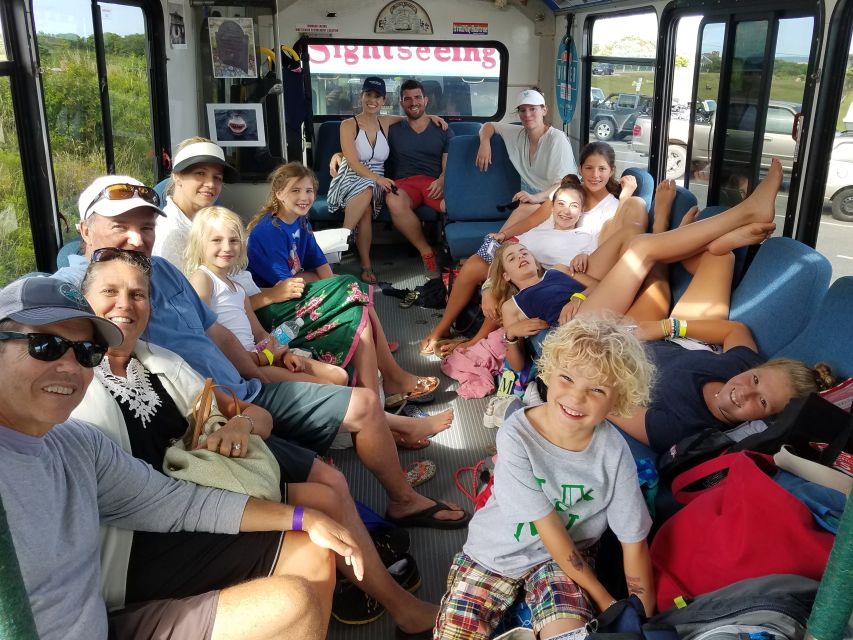
A lot of “island tours” are mostly driving. This one is different because it’s built around four step-off stops, meaning you get time to actually explore at specific points. That matters on Martha’s Vineyard because the island rewards short walks: a view turns into a photo, a cliff becomes a story, and stone walls tell you more than a roadside sign ever will.
Also, the format helps your attention. If you’re the kind of person who tunes out when a guide talks non-stop, stepping off briefly keeps things fresh and makes the narration easier to follow.
Oak Bluffs and the Methodist Campgrounds: Cottage City + history you can see

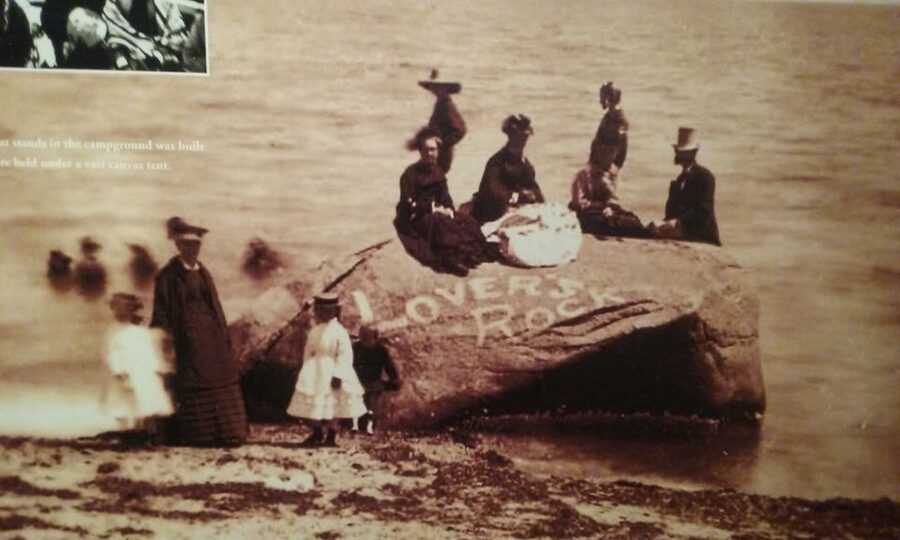
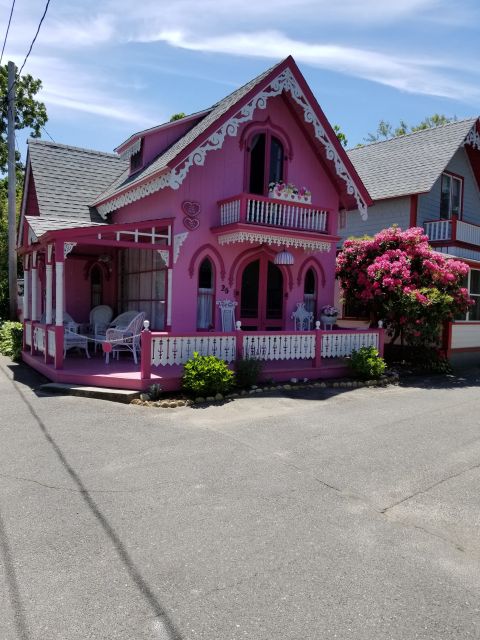
Oak Bluffs is where the tour’s “welcome to the Vineyard” energy starts. The area was once known as Cottage City, and the guide ties that identity to the Methodist Campgrounds and how religious tourism helped shape modern Oak Bluffs.
One of the tour highlights is time connected to the Gingerbread Cottages in the Wesleyan Grove Campgrounds, with a starting point noted as 1835. Even if you know nothing about the island, these cottages are the type of place where history becomes visible. You’re not just learning that a place grew—you’re watching it.
Practical note: this is one of the moments where comfortable shoes pay off. You’ll likely be navigating uneven ground and focusing on details for photos, and the trip is short enough that you don’t want sore feet cutting your exploration time.
Vineyard Haven (Tisbury): old ports, fire scars, and a ransacking you’ll never forget
Next comes Vineyard Haven, also called Tisbury. The tour frames it as the island’s oldest port, with roughly 200 years of port life discussed. Then it hits the island’s harsh past: a fire in 1888 that devastated the area, and a 1778 ransacking by General Grey.
Why this stop matters: Vineyard history isn’t just “pretty place” history. The guide’s approach connects those events to why people lived the way they did—what it took to survive on an island where a single disaster could change everything. You’ll hear how hardship shaped the community, which helps later when you notice how the island still holds onto traditions.
Westward views: rolling hills and ancient stone walls
As you head toward the western side, you’ll get the scenery side of the story: rolling hills, ancient stone walls, and gorgeous vistas. These are the places that look postcard-perfect, but the tour keeps you from treating them like just background.
Stone walls, for example, are one of those “you’ve seen them before” island features until someone explains what they represent in how land was worked and divided. You start looking at the landscape as evidence—of agriculture, property boundaries, and long-term use.
African American heritage and the Underground Railroad stop you can feel

A major thread in this tour is African American heritage brought to the Vineyard by escaped enslaved people. The narration focuses on how the island became connected to the Underground Railroad, and it positions the topic as part of Vineyard identity rather than an add-on.
You also get an explanation that touches the bigger story of escape, shelter, and community formation on an island that’s far from the mainland but not unreachable. If you’re trying to understand Martha’s Vineyard as more than leisure, this is one of the strongest parts of the ride.
Indigenous peoples and Thomas Mayhew: conversion stories with a sharp lens
The tour also covers Indigenous peoples of Martha’s Vineyard and the role of Thomas Mayhew, including his conversion efforts tied to Christianity. This isn’t presented as a side note; it’s part of the island’s layered timeline of cultures.
Here’s the value for you: when you connect Indigenous history to colonization, you understand why so many island place stories involve names, missions, and power. It may be heavy, but it’s essential context if you want your Vineyard visit to feel real—not just scenic.
The southern edge and Elizabeth Islands: where the water multiplies the story
The route moves past the south shore and through viewpoints that frame two sounds and a chain of islands called the Elizabeth Islands. Even if you don’t spend time hopping islands that day, the sweeping water views give you orientation.
It also helps you understand why shipping, fishing, and coastal travel mattered. The island is surrounded by water on multiple sides, and the tour uses that geography to explain patterns of movement.
Aquinnah cliffs, a lighthouse moment, and the feeling of a different coast
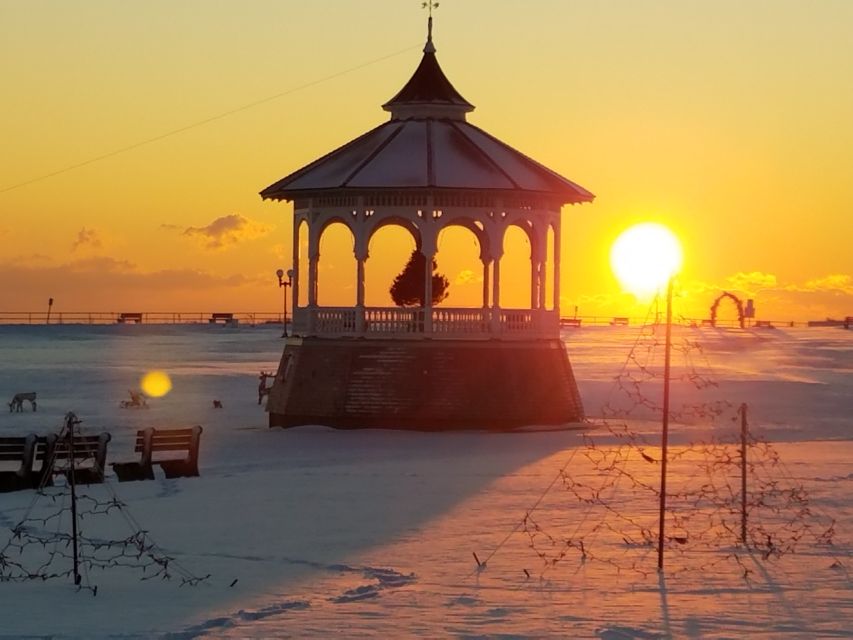
On the western and southern ends, you’ll see dramatic cliffs associated with Aquinnah. One of the tour’s most praised scenery elements is the Aquinnah Cliffs—the kind of place where photos don’t capture how wide the sky feels or how textured the coast is.
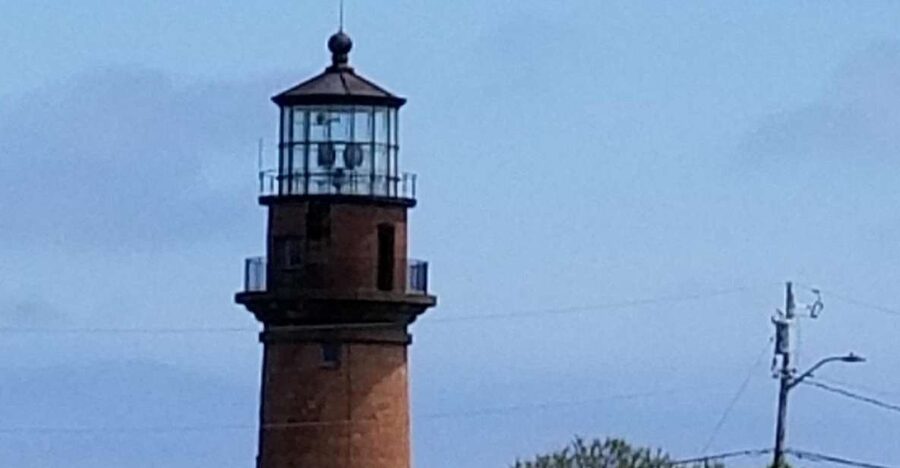
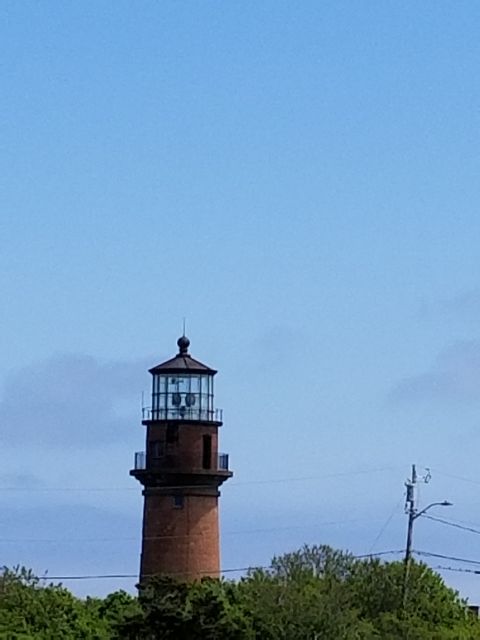
Some departures also give enough time for the guide to point out what to look for around the lighthouse area in Aquinnah. If you like landscapes that look like they belong in a movie, this is where Martha’s Vineyard stops acting like a vacation brochure and starts acting like a place with attitude.
Jaws on the bus: film locations made practical with sound and a screen
If you’re a Jaws fan, you’ll like how the tour handles it. The guide points out many spots where Jaws was filmed, and the narration is enhanced with a new sound system plus movie clips. The day also frames Jaws as a major moment—especially with the tour emphasizing the upcoming 50th celebration of the film’s making.
There’s a practical advantage here: instead of only hearing that something was filmed somewhere, you get help spotting the view. The front screen that shows what sites looked like in the 1800s also pairs well with the idea of visual confirmation. You start connecting time periods and camera angles at the same time.
Edgartown whaling village: mansions, captains, and why wealth shaped the streets
In Edgartown, the tour turns to the island’s whaling era. You’ll see the whaling village and the “exquisite mansions” tied to past whaling captains.
This is one of those stops where the guide helps you see the difference between today’s vacation town and what it once was—a place where trade and risk brought in money, and where that money helped build a lasting architecture. It’s a good reminder that the Vineyard’s charm didn’t come only from tourism. It also came from industry.
Interpreting American Sign Language’s story on the island
One of the tour highlights is learning how American Sign Language came to be used. The tour weaves this topic into the larger story of island life and communication, which is a different angle from the usual “just tell me where to stand for photos” approach.
If you care about accessibility and language history, this inclusion is a plus. Also, I like that this kind of topic shows up on a tour that also covers geology, local religion, and major cultural shifts. It gives your day more shape than a typical sightseeing loop.
Guides like Stan, Deedee, and David: why the human voice is the point
The strongest praise in the information is about the people doing the talking. Guides such as Stan (often called Stan the Man), Deedee, David, and others are repeatedly described as friendly, funny, and full of personal perspective. In at least one case, an ASL interpreter was provided, which shows the tour can support different ways of understanding the day.
You can also tell the guides structure their narration to keep it moving. Multiple people highlight that the guide talked through the full ride and kept going even when sound equipment issues happened. That’s not just comforting—it means you’re less likely to lose the thread of the story.
Price and timing: is $70 for 3 hours worth it?
At $70 per person for 3 hours, you’re paying for speed, local guiding, and included transport. The tour includes ferry pickup and drop-off, runs in an air-conditioned vehicle, and adds extra presentation tools like the screen with 1800s visuals and Jaws audio clips.
So the value depends on your goal. If you want a quick orientation and you’re the type who learns faster with stories, this is a strong use of time. If you’re hoping for long scenic stops and deep walking time, you might feel the bus time more than the viewpoints.
One more timing reality: traffic can affect how much “extra” time you feel you get at each stop. The good news is the tour is designed as a tight island snapshot, so you’re usually not stuck trying to fill gaps.
Comfort, rules, and what to pack so the day stays easy
Bring comfortable shoes and sunglasses. The tour notes no smoking in the vehicle, which is standard, but it’s still good to know before you settle in.
Also keep in mind that bus comfort can vary by weather and equipment—some people mention the need for cooler air. If you’re heat-sensitive, dress with layers in mind and avoid anything that makes you sweat quickly.
Who should book this tour (and who might be happier elsewhere)
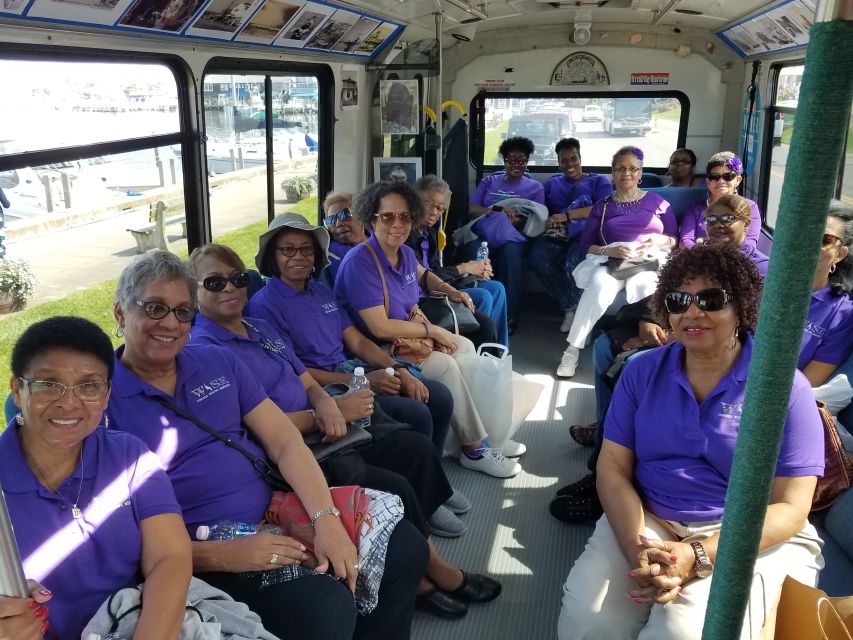
You’ll likely love this tour if it’s your first time on Martha’s Vineyard and you want a guided route across the island’s main historical themes in one morning or afternoon. It’s also ideal if you want a mix of scenery + culture + film connections, and you like learning from islanders with multi-generation ties.
If you already know you only want beaches or only want one town deeply, a shorter or more specialized plan might feel better than a “see everything” loop.
Should you book the HomeGrown Tours All Island Tour?
Yes—if your priority is getting your bearings fast while still learning the Vineyard’s real stories. The combination of four step-off stops, the 1800s visuals, the guide-driven narration by people like Stan and Deedee, and the Jaws-related viewing is a practical package for a short visit.
Book it especially if you want your time to feel structured: you’ll leave knowing where the island’s major districts sit, what the cliffs mean culturally and geographically, and how the island connects to Indigenous history, African American heritage, and major turning points.
FAQ
FAQ
How long is the Martha’s Vineyard All Island Tour?
It runs for about 3 hours.
Where is the meeting point in Oak Bluffs?
Meet at 1 Seaview Ave, Oak Bluffs, MA 02557. You’ll be across from the Oak Bluffs Steamship Authority ticket office, parked alongside the police station under the big American Flag, in a small shuttle with HomeGrown Tours on the side.
Do I need a ferry ticket to join the tour?
Yes. You’ll need a ticket ready to be scanned to board the bus. If you can’t print it or have phone problems, the team says they can help if you call.
What’s included with the tour?
The tour includes ferry pickup and drop-off, air-conditioned vehicles, a screen showing what certain sites looked like in the 1800s, and live English narration.
Is the tour wheelchair accessible?
The tour is described as the only wheelchair accessible tour company on the Vineyard.
Is this tour good for young children?
It’s not suitable for children under 5 years.