REVIEW · POLLONIA
Milos Island: Kostantakis Winery Wine Tasting Experience
Book on GetYourGuide →Operated by Kostantakis Milos Winery · Bookable on GetYourGuide
A cave cellar on Milos makes wine taste better. At Kostantakis Winery in Pollonia, you’ll get a family-run tour plus a serious tasting: vineyard walk, a cave storage visit, and 7 wines with 1 grape distillation paired with local bites. I like that it’s small-group and personal, and I love the mix of old-school winemaking stories with what’s happening in their vineyards right now. One thing to consider: there’s no hotel transfer, so you’ll want to plan your ride or be ready to walk in from Pollonia.
This isn’t the big, polished, bus-stop kind of wine tour. It’s more like showing up at a working family estate where the people doing the work also explain it. You’ll meet the owner’s family members (often the son of the winemaker), hear about more than 50 years of making their own wines, and see how Milos’ volcanic conditions shape what grows and what gets bottled.
In This Review
- Key Moments That Make This Milos Tasting Worth Your Time
- Why Milos Wine Tastes Different in a Cave Cellar
- Meeting the Kostantakis Family: Stories You Can Actually Use
- Vineyard Walks on an Island: Indigenous Grapes and Real Challenges
- Inside the Winery and Cave Storage: Where Traditional Methods Show Up
- The Seven Wines Plus Grape Distillation Tasting Plate
- How the 2-Hour Pace Feels in Real Life
- Price and Value: Is $68 Worth It?
- Getting There From Pollonia (and When You Need a Taxi)
- Who This Tour Fits Best (And Who Might Skip It)
- Should You Book Kostantakis Winery Wine Tasting?
- FAQ
- How long is the Kostantakis Milos wine tasting experience?
- What do you do during the tour?
- What’s included in the ticket price?
- Is hotel transfer included?
- Where is the meeting point?
- Is the tour suitable for children?
- How big is the group?
- What languages is the tour offered in?
- FAQ
- Is the experience wheelchair accessible?
- Can I cancel for a full refund?
Key Moments That Make This Milos Tasting Worth Your Time
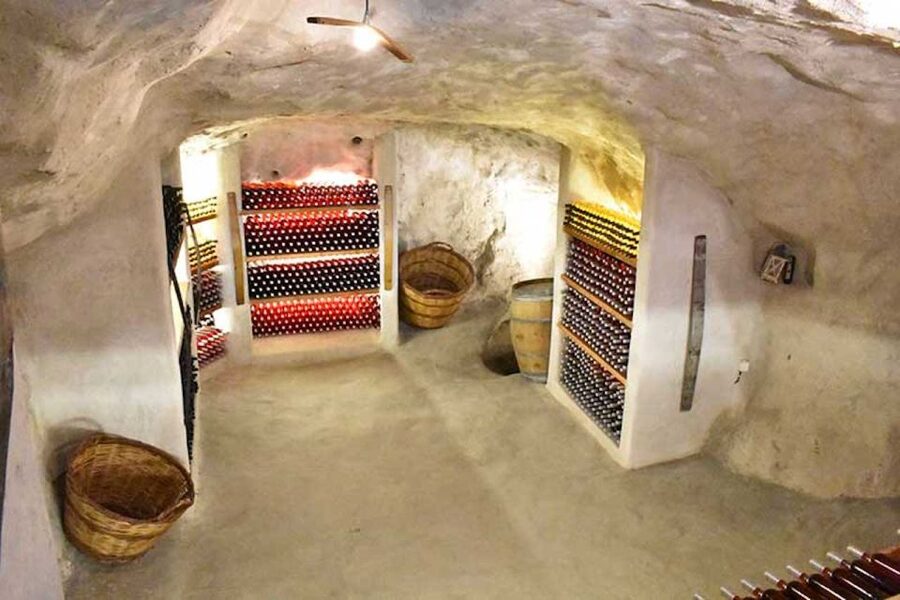
- Cave winery visit in Milos: wine storage underground, with that cool, quiet feel
- Family-led storytelling: you’ll hear history from the winemaking crew, including the owner’s son
- Indigenous grapes and island growing: they focus on local varieties suited to Milos
- Seven wines + one grape distillation: a tasting that goes beyond a standard flight
- Local cheese and snack plate pairings: food that actually helps you taste
- Small group size (max 8): more questions, less rushing, better pacing
Why Milos Wine Tastes Different in a Cave Cellar
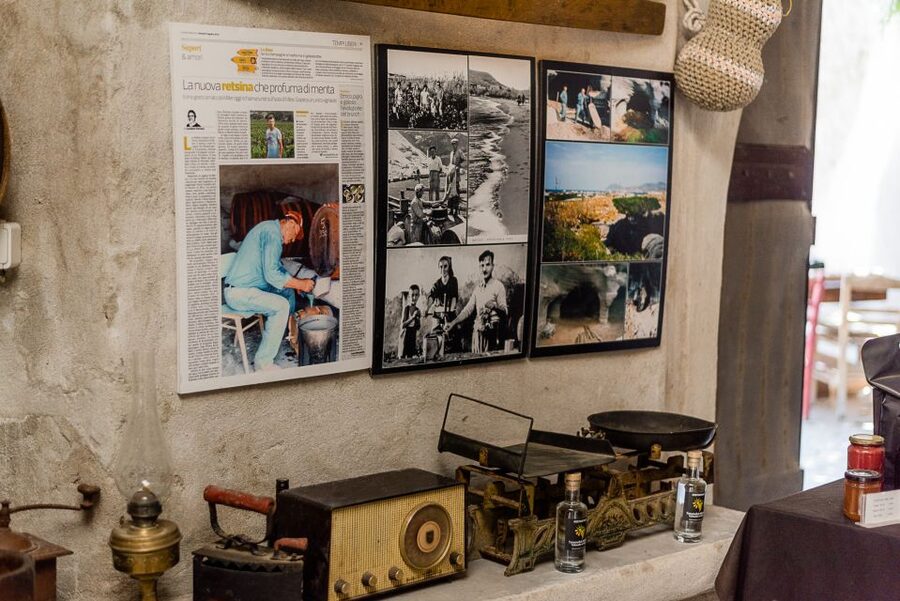
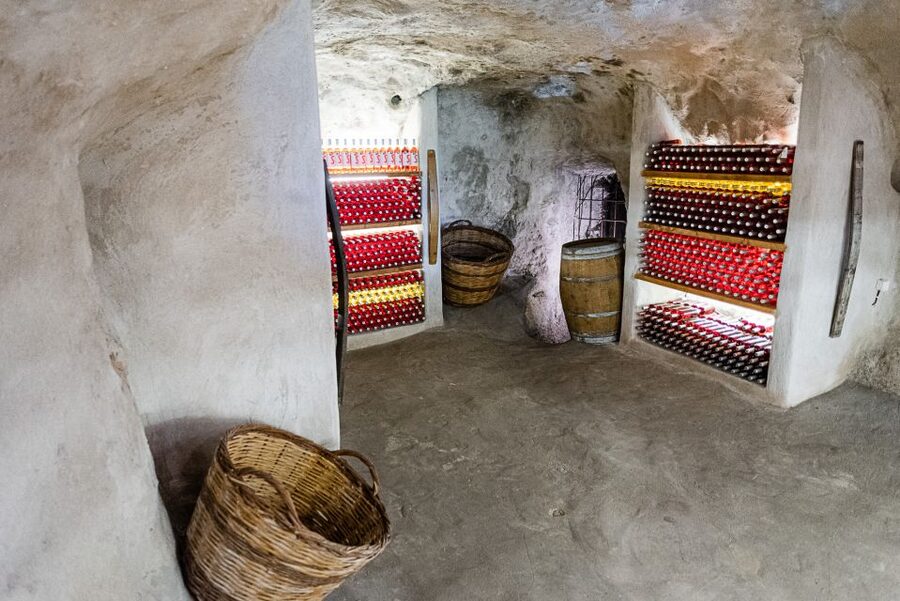
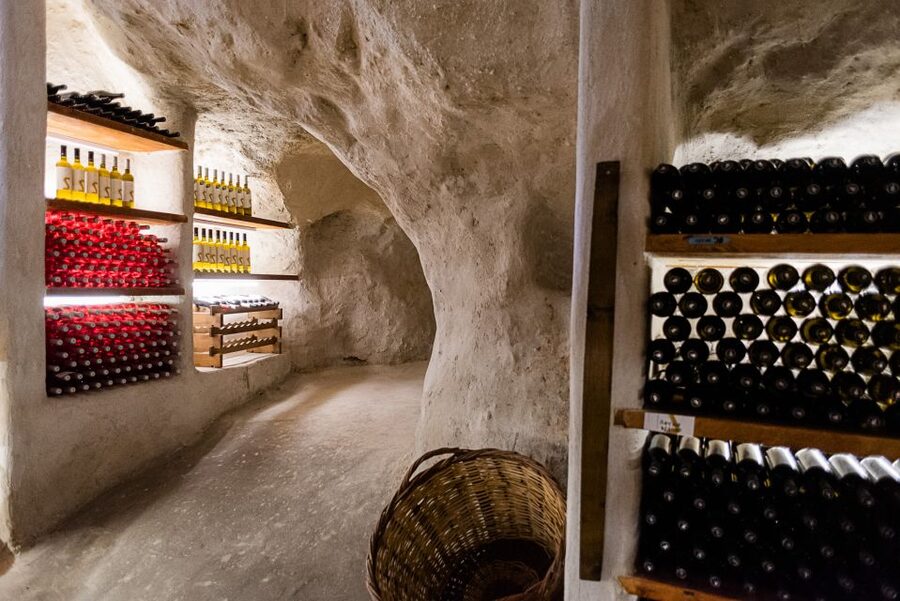
Milos is famous for stark beauty, but the real twist here is how it affects wine. Kostantakis is built around traditional production, and the most memorable part is the cave winery/storage area. The tour leads you into the natural cave used for storing wine, where the temperature stays steady and the setting changes your whole rhythm.
I like that this isn’t just a photo stop. The guide uses the cave space to explain why storage matters for flavor, and how their small production approach stays tied to the island’s conditions. Even if you don’t geek out about cellar science, the experience feels real: cool air, stone walls, and wine literally resting underground.
If the weather turns (rain happens in Milos), the cave also helps the tasting feel cozy instead of chaotic. That matters because many wine tours live or die by good weather; this one has a built-in fallback.
Meeting the Kostantakis Family: Stories You Can Actually Use
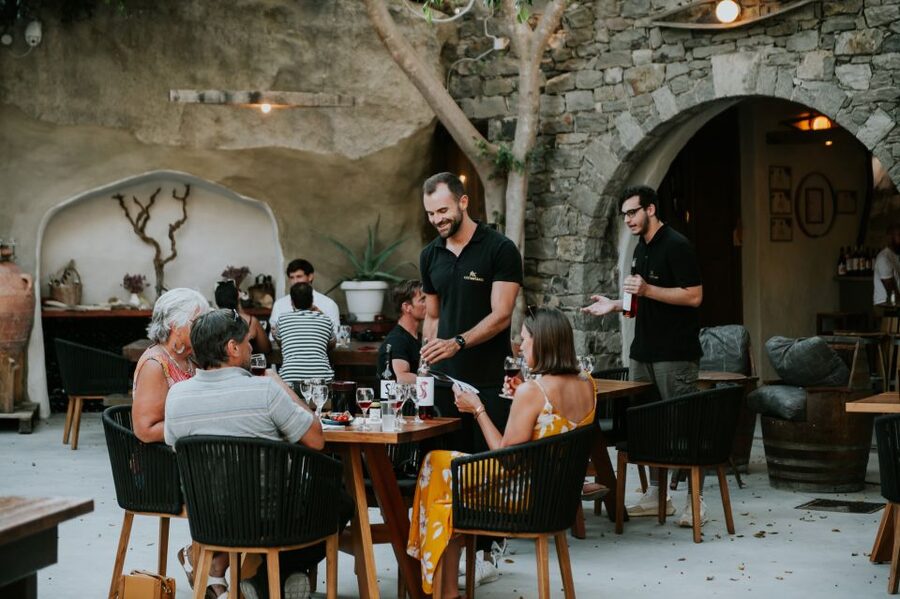
What makes this winery tour feel different is the people. You’ll start at Kostantakis Winery & Residence, then get a guided walk-through with the winemaking family. Several tour guides are family members or closely tied to the family business, including guides like Sofia, George, Petros, and Jason (names you may hear depending on your day). The common thread is clear: you’re not just touring a business; you’re learning from the household that built it.
You’ll hear how winemaking on Milos evolved through generations—more than 50 years of making their own wine. You’ll also learn about what’s happening now, including challenges in their vineyards. One nice detail from guests: guides tell the history in a way that feels connected to the present, not like a memorized lecture.
And yes, you’ll have a chance to meet the owner and son during the experience. That human element is why the tour doesn’t feel generic, even though the schedule is tight and the tasting is the main event.
Vineyard Walks on an Island: Indigenous Grapes and Real Challenges
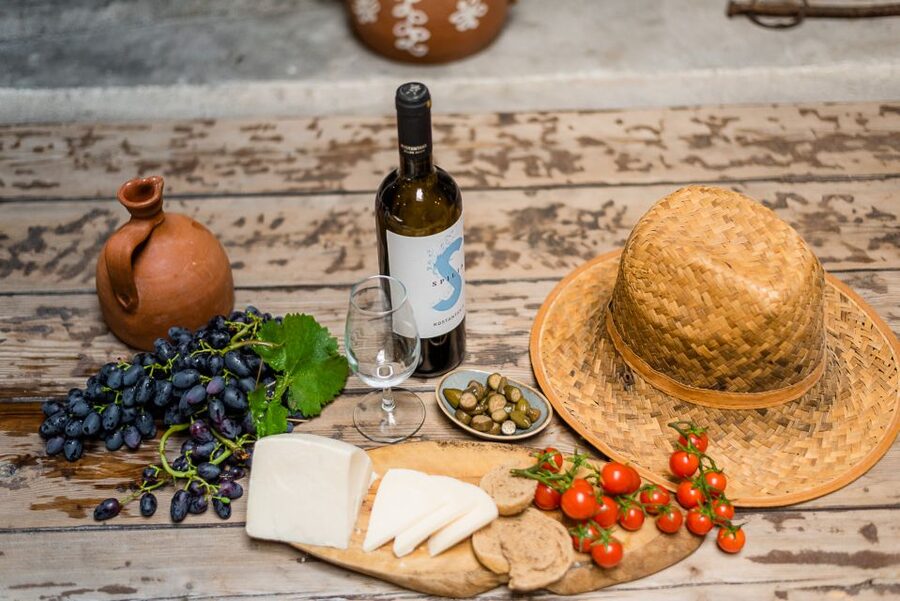
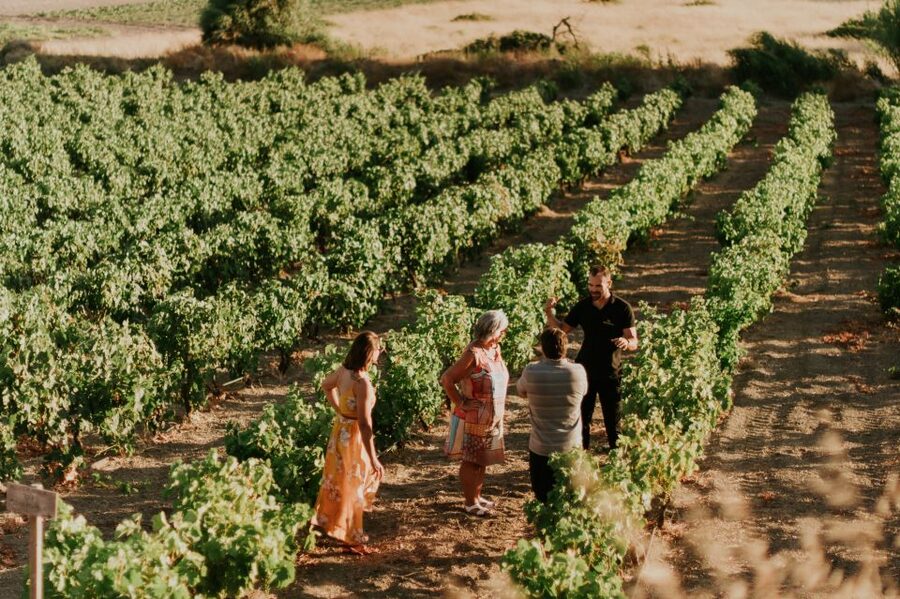
After the initial winery portion, you’ll walk through the vineyards. This is where the tour makes its point: Milos isn’t a mainland-scale grape factory. You’re learning how the island environment shapes farming decisions—wind, sun, soil, and the practical reality of working with limited land.
The winery focuses on indigenous grape varieties, and that’s a big deal for anyone tired of tasting wines that feel like they could be from anywhere. Indigenous grapes are less familiar for most visitors, so the guide can connect taste to origin: how the grapes grow, how they’re handled, and why they matter to the island.
One practical note: the vineyards can get hot in the summer. Some groups have mentioned that the guide adapted the intro portion with shade, fans, and cold water. So even if you book for peak season, expect the experience to be flexible enough to keep you comfortable while still walking the vines.
Inside the Winery and Cave Storage: Where Traditional Methods Show Up
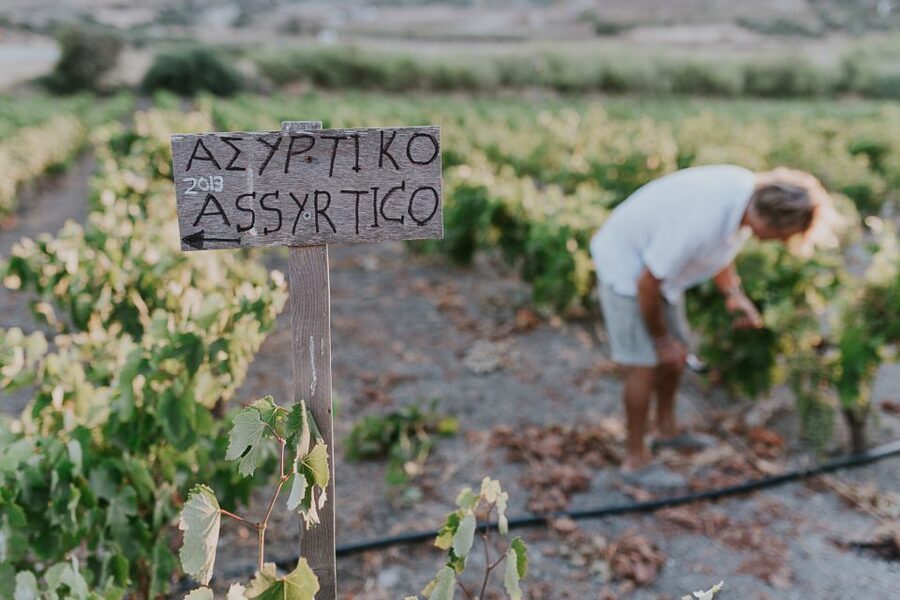
The guided winery portion is short but focused—think of it as the “how it works” part. You’ll see traditional machines and facilities used in their winemaking process. It’s not a factory tour with a lot of walk-and-guess energy; the guide points out what’s relevant and ties each step back to the final glass.
Then comes the cave. In many wine regions, you visit a winery, taste wine, and you’re out. Here, the cave is a centerpiece. It’s where the wines are stored, and it adds a sense of patience and restraint to the whole day. You can feel the difference between making wine right now and storing it while it changes quietly over time.
I also like that the cave setting makes it easy to slow down. You don’t have to fight bright sun, and you can listen without shouting over a crowd. For a small-group tour, that’s a big quality-of-life win.
The Seven Wines Plus Grape Distillation Tasting Plate
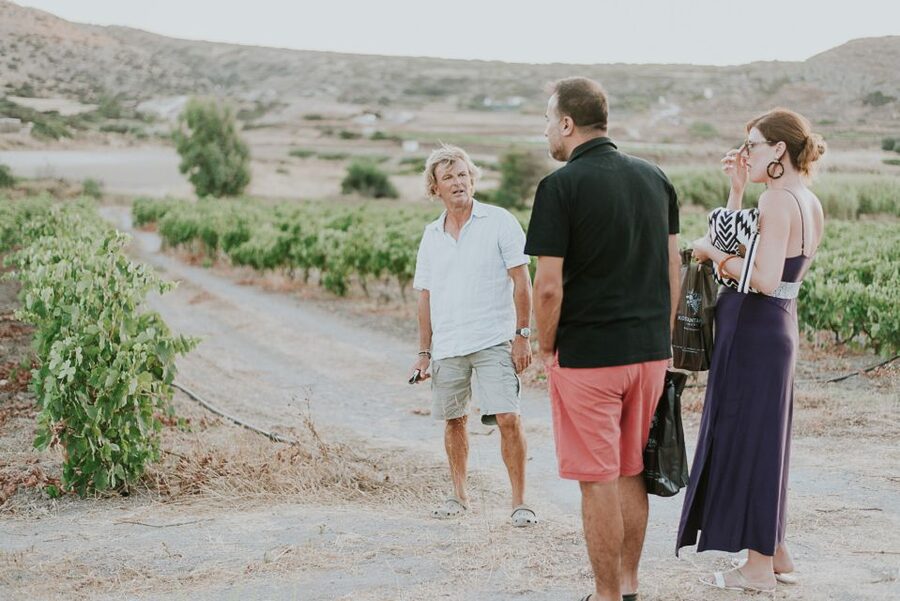
Now for the part you came for: tasting. The experience includes eight tastings total—seven wines plus one grape distillation. That distillation step is especially interesting because it widens the story beyond wine. You’ll get a taste of their work with grapes in another form, and the guide can connect why they do it this way on Milos.
The tasting is paired with a local cheese and snack plate. Guests repeatedly mention the tastings feel generous—more than just tiny sips—and the food helps you move from one flavor to the next without tasting fatigue. It also gives you something to do if you arrive hungry, because this isn’t a dry, sitting-in-a-room-only experience.
A few practical tips that will make this section smoother:
- Pace yourself on the first few pours. The guide will explain differences, and it’s easier to follow if you’re not already on pour five.
- If you’re not feeling every glass, you can slow down. Guests have noted there’s flexibility if you want to pour out extra wine rather than force it.
- The tasting is designed to be enjoyable, not high-stakes. You’re there to learn and taste, not to race through.
And yes, winery cats can pop up during the tour. It sounds like a small detail, but it’s exactly the kind of human-scale charm that makes the afternoon feel less like an activity and more like a memory.
How the 2-Hour Pace Feels in Real Life
This is a 2-hour experience, built around a guided tour and tasting. In practice, that means you won’t be stuck for half a day, and you’ll still leave with enough knowledge to talk about what you tasted.
The pacing is typically:
- A guided tour of the winery portion (about 40 minutes)
- Then the main tasting session (about 100 minutes)
Because the group is limited to 8 participants, you can ask questions without feeling like you’re competing for attention. This matters more than it sounds. In wine tours with bigger groups, you often get the same explanation no matter what you care about. Here, the smaller setting makes it more likely you’ll get answers tied to your questions.
Also, the experience is live-guided in English and Greek. If you’re trying to pick up a few local terms, the guide often makes it easier by repeating key ideas clearly.
Price and Value: Is $68 Worth It?
At $68 per person for about two hours, the price works best if you value a real winery tour plus a multi-glass tasting. You’re not only getting a short walk and a couple of sips—you’re getting a cave visit, a vineyard segment, and seven wines plus a distillation, plus a snack plate.
Here’s the value logic I’d use to decide:
- If you normally spend a similar amount on a “tasting-only” stop, this gives you more context (vineyards + facilities + cave storage).
- If you’re the type who likes to taste widely (not just one red and one white), the tasting structure fits you.
- If you want to keep it casual, the small-group size helps the experience feel less scripted.
One thing to know for planning: the winery’s production is limited, and wine may not always be available for shipping. Guests have mentioned that they couldn’t ship wine in their situation. If you’re buying bottles to send home, ask directly during your visit so you aren’t disappointed later.
Getting There From Pollonia (and When You Need a Taxi)
Kostantakis Winery & Residence is easy to reach by car or taxi, and there are signs on the road. One helpful detail: the winery is about 5–7 minutes on foot from the bus station in Pollonia.
Hotel transfer is not included, so plan your ride if you’re staying farther out (like Adamas area) or if you’re arriving by cruise tender. Some cruise-day logistics can turn a simple afternoon into a small puzzle. If you’re traveling by cruise, build extra time for transport and confirm what taxi options look like when the ship tenders.
For many people staying in Pollonia, this is still straightforward since it’s close to the village center. Either way, I’d treat transportation as part of the “tour readiness,” not an afterthought.
Who This Tour Fits Best (And Who Might Skip It)
This experience is a strong match if you:
- Enjoy wine but also want the story of how it’s made on the island
- Want something more local than a big commercial tasting room
- Like indigenous grapes and want to taste what Milos actually grows
- Prefer small-group, conversation-friendly tours
It’s also a good fit for couples and friend groups who want a calm pace and a social vibe. Several guests have described it as intimate and homey, and the small size helps that.
It may not be the right choice if:
- You’re traveling with kids: children can only observe and won’t be offered alcohol, and it’s not suitable for children under 18
- You want a long, landscape-heavy hike: the focus is the winery, cave storage, and tasting—not a long trekking day
- You’re looking for exported wines you can find everywhere: this is more about Milos-specific production and local flavors
Wheelchair accessible is noted, so if mobility is a factor, this can be workable. Just keep in mind you’ll still be moving through the winery and cave areas where surfaces may be uneven.
Should You Book Kostantakis Winery Wine Tasting?
I’d book this if you’re spending time in Pollonia and you want an authentic Milos wine experience that goes beyond a basic tasting flight. The combination of cave winery storage, a vineyard walk, and eight tastings (7 wines + distillation) for a set 2-hour visit makes it feel like real value. Plus, the family-led explanations—often by people like Sofia, George, Petros, or Jason—add a personal layer that many larger wineries can’t match.
I’d think twice only if transport is a hassle for your specific schedule, or if you need a kid-friendly alcohol experience (this one is adults-focused by design). If you’re prepared with a ride plan and you’re excited to taste wines tied to Milos, Kostantakis is one of the best ways to spend a Milos afternoon.
FAQ
How long is the Kostantakis Milos wine tasting experience?
It lasts about 2 hours.
What do you do during the tour?
You visit the winery, tour the vineyards and winery facilities, explore the cave where wine is stored, and then do a tasting of seven wines and one grape distillation paired with local snacks.
What’s included in the ticket price?
The experience includes a winery tour, a vineyard tour, the wine tasting, and a snack plate.
Is hotel transfer included?
No. Hotel transfer is not included.
Where is the meeting point?
You start at Kostantakis Winery & Residence. It’s reached by car or taxi, with road signs, and it’s about 5–7 minutes on foot from the bus station in Pollonia.
Is the tour suitable for children?
No, it’s not suitable for children under 18. Children can only observe and won’t be offered alcoholic beverages.
How big is the group?
The group is small, limited to 8 participants.
What languages is the tour offered in?
The live guide speaks English and Greek.
FAQ
Is the experience wheelchair accessible?
Yes, it is listed as wheelchair accessible.
Can I cancel for a full refund?
You can cancel up to 24 hours in advance for a full refund.