REVIEW · MONTEFALCO
Montefalco: Winery and Vineyard Tour and Private Tasting
Book on GetYourGuide →Operated by Azienda Agricola Bocale · Bookable on GetYourGuide
Some places feel like a winery tour. This one feels like family time. You get vineyard views, a guided walk through the working side of the cellar, and a tasting that stays focused on Montefalco rather than turning into a wine lecture marathon.
I particularly love the hands-on flow: vineyard first, then vinification and aging rooms, then tasting with local bites. I also like that the host, often Valentino, keeps the story personal—company history, wine philosophy, and what they’re doing now in the vineyard.
One thing to consider: the experience won’t be worth it if you’re only looking for transport or a full-day program. This is a tight 1.5-hour tasting and walk, so you’ll want to plan your day around that.
In This Review
- Key things to notice before you go
- Limite Mad.della Stella start: the easy, no-fuss kickoff
- Azienda Agricola Bocale: a family business with an organic agenda
- Vineyard walk: where the wine story becomes physical
- Vinification and aging rooms: see the middle step, not just the finish
- The tasting menu: three grapes that explain Montefalco fast
- Food pairing that actually helps you taste
- Montefalco wine history: the region explained without the textbook
- Shopping time: bring home a bottle (or two)
- Who this tour fits best in Umbria
- Price and value: is $29 fair for what you get?
- Quick practical tips so you enjoy the full 1.5 hours
- Should you book this Montefalco wine tour?
- FAQ
- How long is the Montefalco winery and vineyard tour and private tasting?
- What wines are included in the tasting?
- Is food included?
- What does the tour include besides tasting?
- What languages is the guide available in?
- Is this a private group?
- Is the tour wheelchair accessible?
- Does the price include transportation?
- Where is the meeting point?
- What if plans change and I need to cancel?
Key things to notice before you go
- Organic conversion started in 2020, so you’re tasting from a farm with a clear direction
- Three very specific bottles: Trebbiano Spoletino, Montefalco Rosso, and Montefalco Sagrantino
- You’ll walk through vineyard + cellar process, not just stand in a tasting room
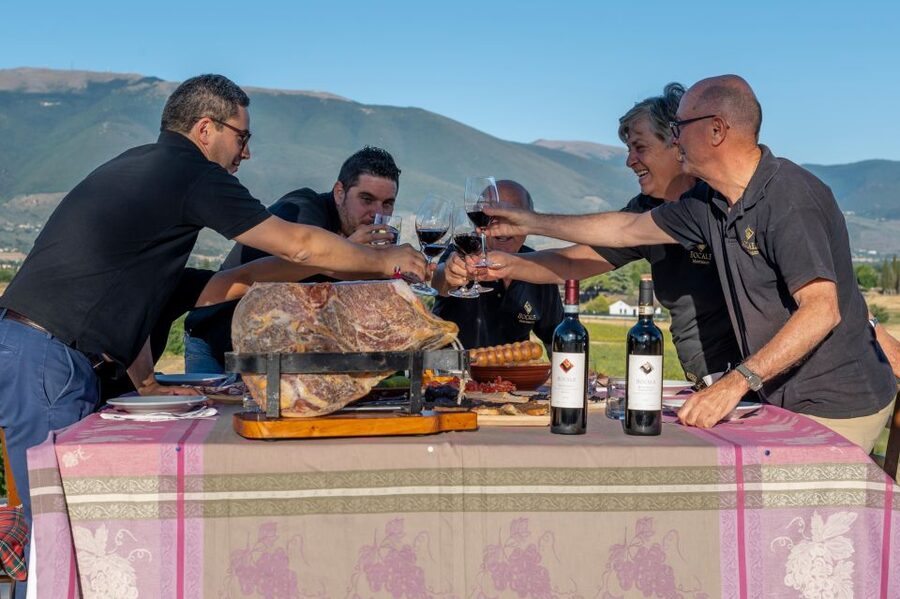
- Food pairing is practical: extra virgin olive oil and bruschetta alongside local produce
- Warm, personal hosting (including entertaining stories from Valentino in recent visits)
- Quick pace, private group feel for a short 1.5-hour stop
Limite Mad.della Stella start: the easy, no-fuss kickoff
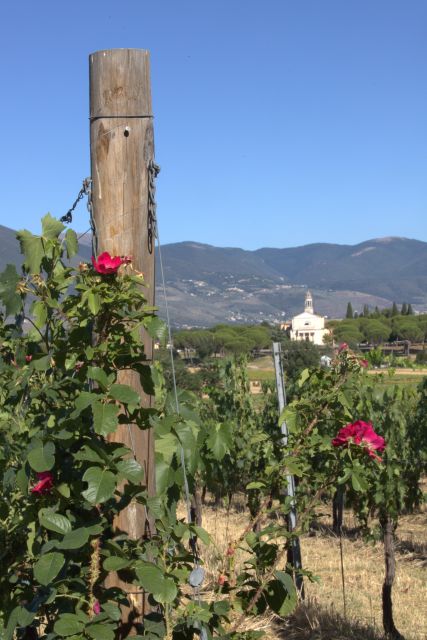
You start at Limite Mad.della Stella, and the meeting point is simple: get there about 5 minutes early and you’ll be ready to roll. Because the tour is only 1.5 hours, that early arrival matters—you don’t want to lose minutes before the vineyard and cellar parts begin.
This is also where the tone sets. You’re not being herded into a big crowd. It’s a private group setup, so you’ll likely get questions answered in the moment instead of waiting your turn.
Azienda Agricola Bocale: a family business with an organic agenda
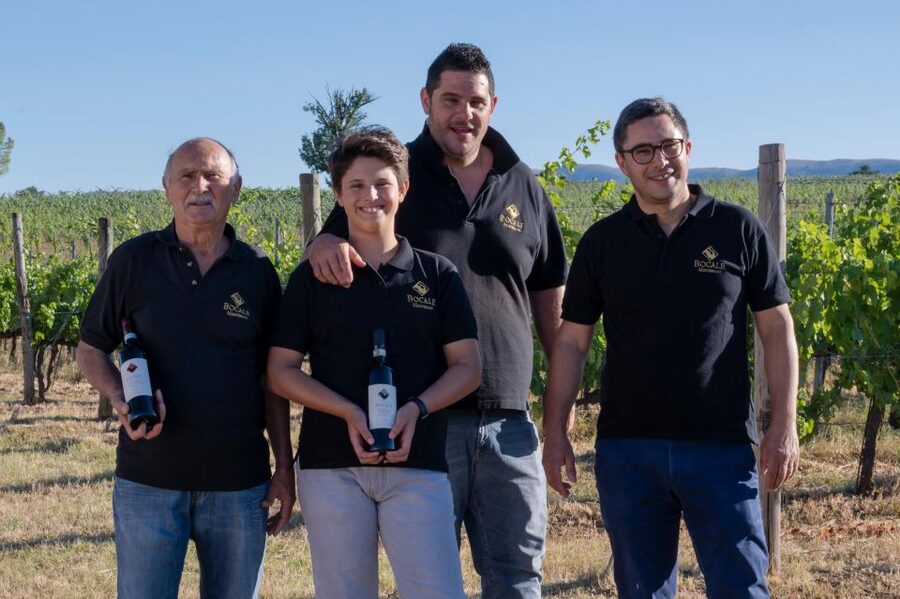
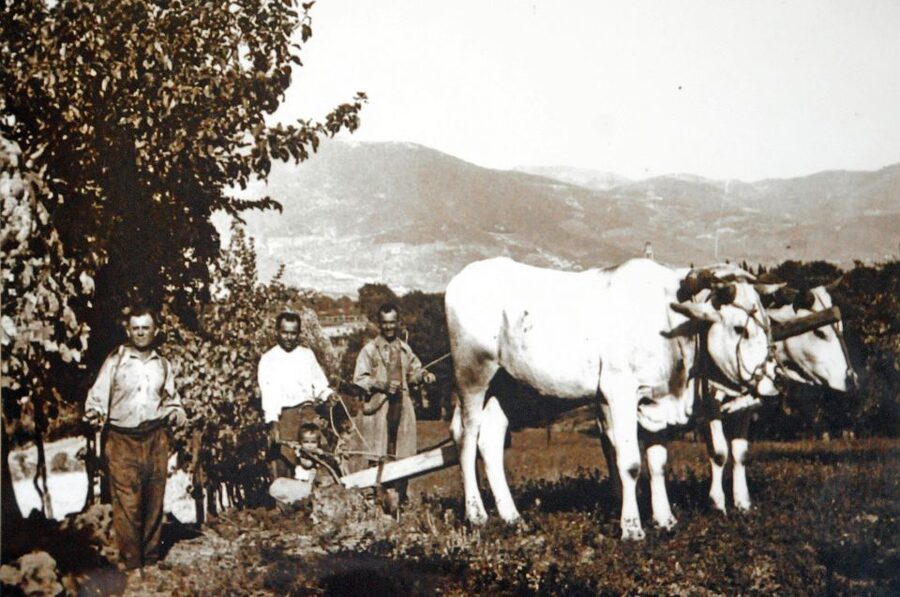
The welcome is one of the strongest reasons to pick this tour. In recent visits, the host was Valentino, and the vibe is warm, casual, and focused on sharing. You’ll hear about a family of wine and the origins of Bocale, plus the philosophy that guides their work in both the vineyard and the cellar.
I like that they don’t treat organic practices as marketing fluff. The company started converting to organic in 2020, and that’s part of their day-to-day work. If you care about where wine comes from—soil, practices, and choices—you’ll feel it in the way they explain their approach.
Also useful context: they cover 10 hectares total, with 6 hectares in vineyards, and an average annual production of about 40,000 bottles. That size tells you something important. This isn’t a massive industrial operation where you’re just a number. It’s working farm scale.
Vineyard walk: where the wine story becomes physical
A core part of the experience is visiting the vineyard, not just looking at it from a distance. As you walk the vines, you’re really getting the logic behind the wines you’ll taste later.
This is where you’ll likely pick up practical vineyard thinking: how they describe their relationship to the territory, the environment, and the people behind the farm. The tour is built to connect the farm choices to what ends up in the glass.
And yes, there’s room for small, memorable moments. In at least one recent visit, the family dog, Achille, made an appearance and even posed for a photo with the vineyards in the background. It’s the kind of detail that makes the place feel lived-in, not staged.
Vinification and aging rooms: see the middle step, not just the finish
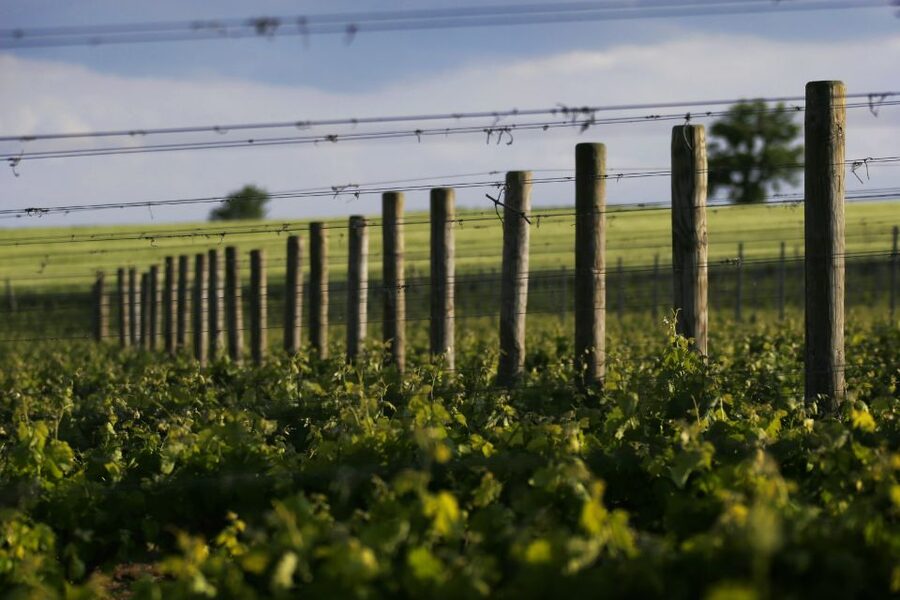
After the vineyard, you move into the winery side: vinification and aging rooms. That order matters. You’ll taste better if you’ve seen how grapes get turned into wine and how aging fits into the process.
Even if you’re not a technical wine nerd, you’ll probably appreciate the plain-language walkthrough. The tour format keeps it moving: guided visit, then tasting. That means you’re not stuck reading wall labels for an hour.
The payoff is that you start tasting with context. When you later sample Montefalco Rosso or Sagrantino, you’re not only thinking about flavor—you’re also thinking about what happens after fermentation and what aging is doing to shape the final character.
The tasting menu: three grapes that explain Montefalco fast
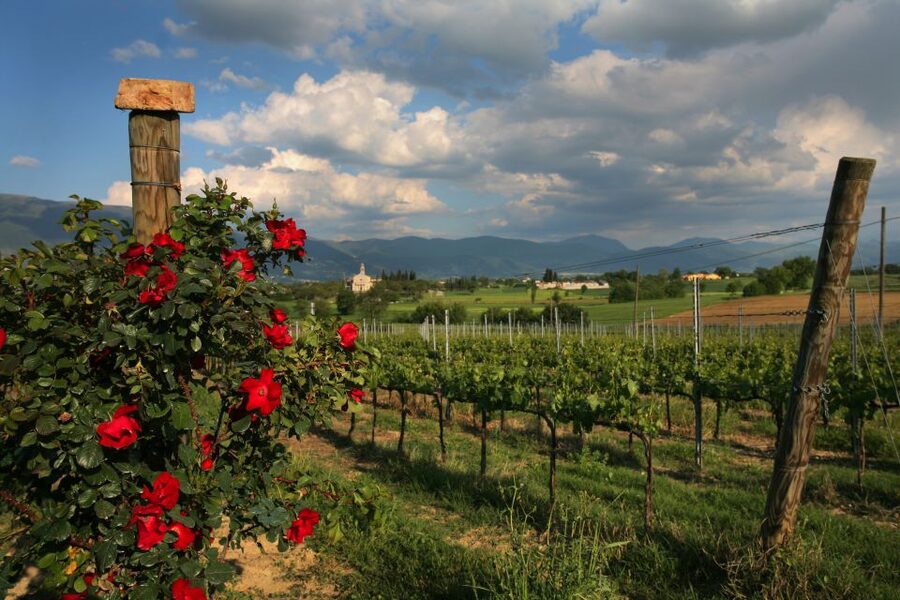
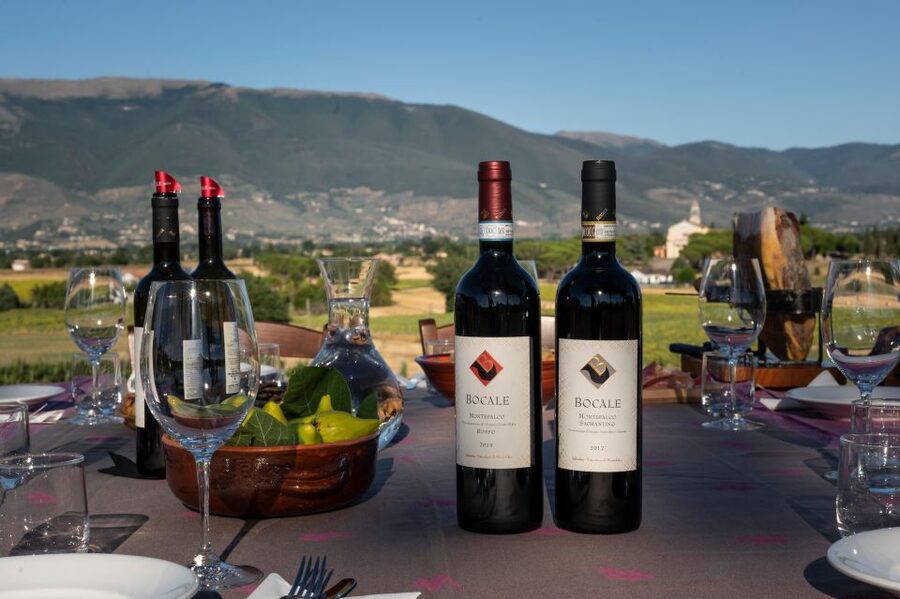
You’ll taste a selection of three wines, and the list is intentionally varied:
- Trebbiano Spoletino
- Montefalco Rosso
- Montefalco Sagrantino
That trio is a smart way to understand the region without overload. Trebbiano Spoletino gives you a lighter entry point, while Montefalco Rosso shifts you into a more classic red profile. Then Montefalco Sagrantino comes last, and it’s the one most likely to make you sit up and pay attention.
In particular, Sagrantino is often the red that people remember because it can be bold and structured. Having it included in a three-wine tasting means you’re not waiting to get the most distinctive bottle until later in the trip. It’s built into the flow.
I also like that the tour doesn’t pretend every wine will taste the same. With three different styles, you get a clearer sense of how the winery’s choices show up across the lineup.
Food pairing that actually helps you taste
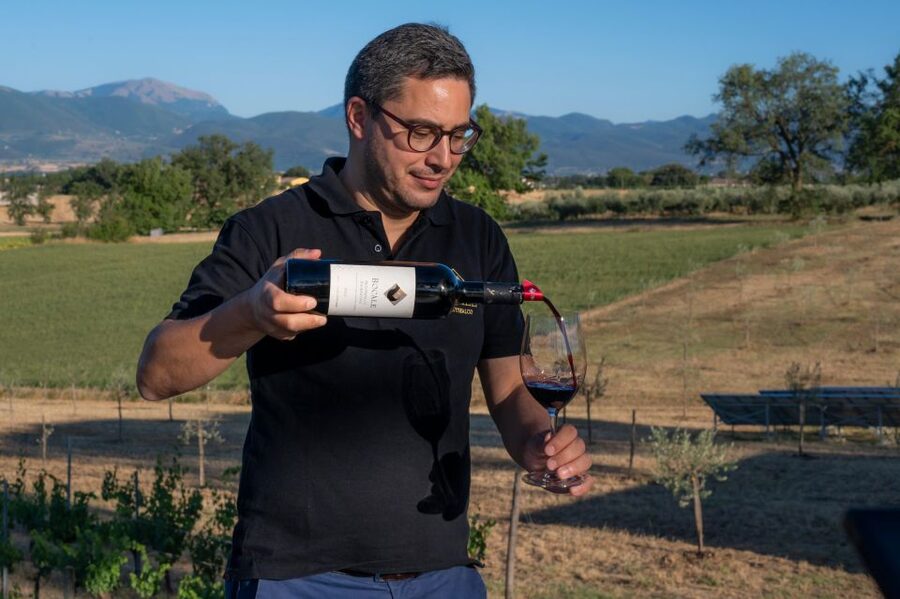
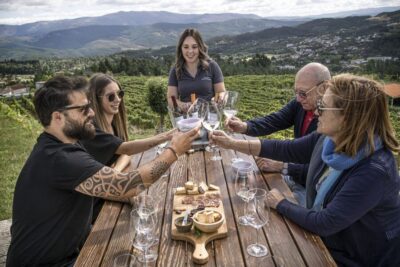
The tasting isn’t just wine in silence. You get local produce, extra virgin olive oil, and bruschetta alongside the wines.
This matters more than you might think. Olive oil on bread acts like a palate “reset” while also highlighting the fresh, savory side of local flavors. Bruschetta brings acidity and crunch, which can keep a structured red from feeling heavy.
Recent visitors specifically called out meats, cheeses, bread, and olive oil as part of the pairing. The itinerary also includes cheese tasting, so expect the food to be part of the plan rather than an afterthought.
My practical advice: take small bites, sip slowly, and give your taste buds time. With only three wines and a 1.5-hour window, you’ll get more enjoyment if you don’t rush the pacing.
Montefalco wine history: the region explained without the textbook
The tour includes learning about wine history in Montefalco. That’s useful because it turns the tasting into a story with roots, not just a list of what to drink.
You’ll also hear the company’s story—where their family comes from and how their philosophy drives daily work in the vineyard and cellar. It’s one of those rare combinations: regional context plus personal farm background.
For me, the best wine history sessions do two things: they explain why a grape and style exist where they do, and they help you understand the choices growers make. This experience is set up for that kind of explanation, and the private-group feel helps the guide tailor the talk.
Shopping time: bring home a bottle (or two)
The winery stop includes time for shopping. That’s a real advantage if you’re the type who wants to remember a place by drinking it later at home, not just taking photos.
Because the tour is focused on the winery’s own lineup—especially those three Montefalco wines—it’s also a good chance to buy what you actually tasted, not guess what you would like later.
If you’re trying to keep purchases reasonable, decide in advance what you want to taste again. For most people, that means one red you loved and one other bottle to compare styles.
Who this tour fits best in Umbria
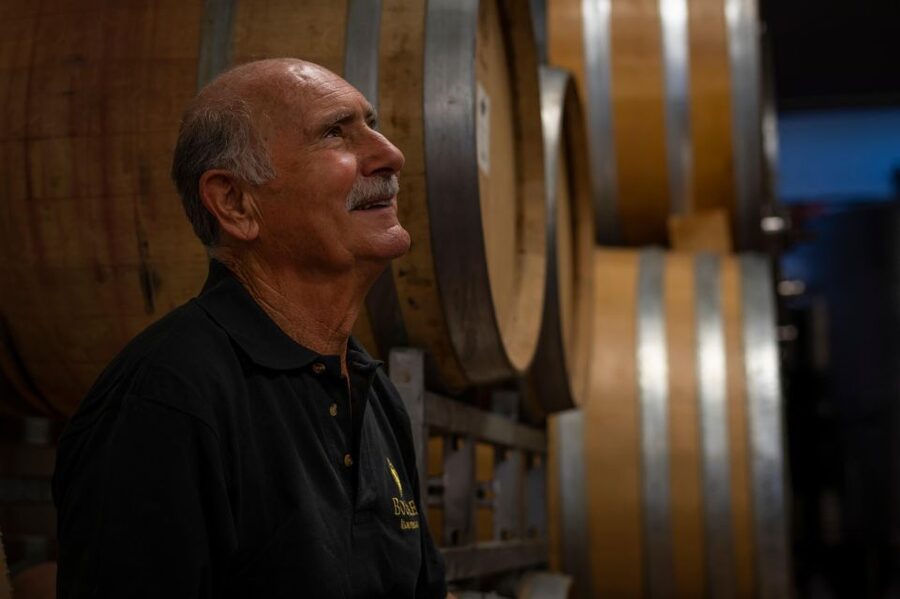
This is a great fit if you want a short, high-value experience that still feels authentic. You’ll enjoy it if you like small-group winery visits, care about how wine is made (vineyard plus cellar), and appreciate a family-run setting where questions are welcome.
It’s also a good option for travelers who want something more meaningful than a standard tasting room session. The structure is built around process: vineyard, then vinification and aging rooms, then tasting with Umbria food.
If you’re the kind of traveler who wants 3–4 hours of wandering through multiple wineries, this may feel compact. But for a focused stop in Montefalco-area Umbria, it’s easy to recommend.
Price and value: is $29 fair for what you get?
At $29 per person for about 1.5 hours, the value looks strong—especially because you’re getting more than samples. You’re getting a guided walk through the vineyard and the winery’s process spaces, plus a structured tasting of three wines with local food, extra virgin olive oil, and bruschetta.
It’s also a budget-friendly way to experience a working winery with a clear farm story (including organic conversion efforts started in 2020). The tour includes gratuities and food and wine tastings, which helps keep the total cost from creeping up.
One catch: transportation isn’t included. If you don’t already have a way to reach Limite Mad.della Stella, you’ll need to factor that into your day.
So the real value question is simple: can you get there easily? If yes, $29 feels like a solid deal for the experience level.
Quick practical tips so you enjoy the full 1.5 hours
- Plan for a short visit. This is not an all-day wine adventure.
- Go hungry enough for the food to matter, but not so full that wine loses appeal.
- If you want to remember flavors, take one note per wine: style, then one thing you liked.
- If you’re sensitive to strong tannins, take your time with Sagrantino.
Should you book this Montefalco wine tour?
Yes, if you want a compact tour that still covers the key parts of wine making and regional identity. The standout strengths are the process-focused visit, the three-wine tasting with olive oil and bruschetta, and the friendly family-host atmosphere where Valentino often plays the role of an entertaining, welcoming guide.
Book it if you’re in the Montefalco/Umbria area and you’d like a hands-on stop you can trust to be worth your time. I’d skip it only if you need transportation included or if you’re looking for a longer, multi-winery day.
FAQ
How long is the Montefalco winery and vineyard tour and private tasting?
It runs for 1.5 hours.
What wines are included in the tasting?
You’ll taste three wines: Trebbiano Spoletino, Montefalco Rosso, and Montefalco Sagrantino.
Is food included?
Yes. The tasting includes local produce, extra virgin olive oil, and bruschetta, along with cheese as part of the food tasting.
What does the tour include besides tasting?
You get a guided visit that includes the vineyard, plus the vinification and aging rooms. Shopping is also part of the experience.
What languages is the guide available in?
The live tour guide is available in English and Italian.
Is this a private group?
Yes, it’s listed as a private group.
Is the tour wheelchair accessible?
Yes, the activity is wheelchair accessible.
Does the price include transportation?
No. Transportation is not included.
Where is the meeting point?
The meeting point is Limite Mad.della Stella. Arrive about 5 minutes before the activity starts.
What if plans change and I need to cancel?
The tour offers free cancellation up to 24 hours in advance for a full refund.