REVIEW · MARRAKECH
Morocco Vineyard Visit and Gourmet Tours
Book on Viator →Operated by GT TRAVEL · Bookable on Viator
Morocco tastes better when it comes with a map. This 12-day food-and-wine journey links Moroccan history and customs to the meals, markets, and cooking classes you’ll experience from Meknes to Essaouira. You also get practical perks like pickup at your accommodation and a private setup with a dedicated vehicle.
I especially love two things: the way every day’s food stop comes with context, and the hands-on cooking classes where you buy ingredients and then cook what you’ll eat. I also like that the ride is handled end-to-end in a private 4WD Toyota Land Cruiser, so you’re not constantly arranging transport on your own.
One watch-out: the itinerary moves fast, with long driving days and plenty of walking in old medinas and market areas. If you prefer slow travel or low-stair sightseeing, you’ll want to plan for a moderate fitness level.
In This Review
- Key highlights worth getting excited about
- Price and what you’re really paying for
- How the private 4WD ride changes the whole trip
- Meknes and Volubilis: Roman mosaics with a hillside lunch view
- Fes medina: royal, Jewish quarter, tanneries, and a history lesson you can taste
- The Fez cooking day: from souk shopping to chicken tajine with preserved lemon
- Ifrane and Midelt: a calmer reset before the desert
- Merzouga desert bivouac: camel at dusk, folklore at dinner
- Rissani to Skoura: kasbah country, then rose-region magic
- Marrakech: souk-food walking tour plus a riad cooking class with tanjia
- Ouarzazate and Ait Ben Haddou: movie sets that still feel old
- Essaouira en route: argan oil women’s cooperative and a Rhone-valley grape vineyard lunch
- Essaouira port and medina: artisan workshops with salty-air energy
- The second cooking workshop in Essaouira: fish-based tajine
- Who should book this tour (and who should consider a different pace)
- Should you book this Morocco Vineyard and Gourmet Tours experience?
- FAQ
- How long is the tour?
- What does the private transportation include?
- Are cooking classes included?
- What meals are included?
- Are alcoholic drinks included?
- Can I get a full refund if I cancel?
Key highlights worth getting excited about
- Private 4WD Toyota Land Cruiser routing with pickup/drop-off at your accommodation
- Fez cooking workshop starting with a souk shopping run and a class-prepared lunch
- Merzouga desert bivouac with camel ride at dusk plus folklore musicians
- Marrakech souks walk tied to specific food stops like tangia ingredients and meshoui tasting
- Essaouira area vineyard lunch with Rhone Valley grape varieties and a winemaking origin story
- Argan oil cooperative visit that supports divorced and widowed women through paid work
Price and what you’re really paying for
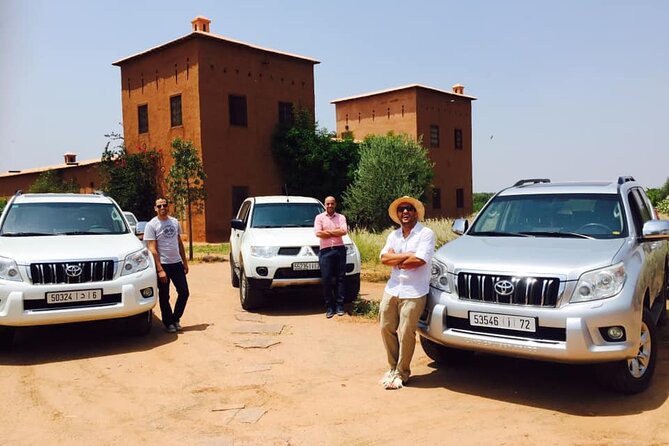
At $2,200 per person, this is not a “cheap food tour.” But it also isn’t just samples on the go. Your money is buying a full-service private road trip: a licensed tour guide, a private vehicle (4WD Toyota Land Cruiser with fuel), entrance fees to the visited sites, daily bottled water in the vehicle, and a set list of included meals (dinner is included once, and lunches are built into the daily plan as specified).
The big value is how the cost gets converted into time saved. You cover a lot of ground—Rabat area to Meknes and Volubilis, then Fes, the desert and kasbah regions, Marrakech, Essaouira, and back toward Rabat—without coordinating trains, hiring multiple drivers, or figuring out parking and tickets. You’re paying for someone to keep the schedule moving and to translate what you’re seeing into food culture.
Still, be realistic. Accommodation is not included, and alcohol/soft drinks are not included. So if you plan to sip wine often, or if you’re a soda person, you’ll want to budget separately.
How the private 4WD ride changes the whole trip
A private Land Cruiser day sounds simple, but it matters in Morocco where distances add up. This trip leans into road time, including early starts and longer transfers between regions. Being in one vehicle for the whole route keeps the logistics calm: you get airport transfers, plus pickup and drop-off at your accommodation.
There’s also a comfort factor. You get bottled mineral water daily in the vehicle, and you’re with the same guide team throughout. In the past, groups have specifically praised the professionalism of guides and drivers such as Soufiane and Khalid, noting strong English, punctuality, and careful driving. That’s not a small deal on routes that include mountain passes and uneven roads.
What to keep in mind: the trip includes a day-to-day rhythm of travel plus walking. You’ll be thankful for the vehicle when you’re tired—especially on medina days where you’ll be moving through narrow streets and market alleys.
Meknes and Volubilis: Roman mosaics with a hillside lunch view
Your early push heads toward Meknes, once Morocco’s capital under Sultan Moulay Ismail. Even when parts of the city are under renovation (including areas around the old Medina and the Bab El Mansour gate), you still get a quick orientation that helps you understand why Meknes matters.
Then comes Volubilis, one of Morocco’s top archaeological sites and a UNESCO World Heritage stop. This is where the “food tour” concept really earns its name. You’ll pause for lunch at a restaurant on a steep hillside across multiple levels, with views toward Moulay Idriss’ mausoleum and the Roman ruins. After the meal, you move through the ruins themselves—especially the preserved mosaics from the first and second centuries.
A practical note: ruins require walking and sun awareness. Bring sunscreen and something light for your shoulders if you’re sensitive to heat and glare.
Fes medina: royal, Jewish quarter, tanneries, and a history lesson you can taste
Fes is where the tour turns from scenic stops into a full-on cultural day. You’ll cover classic landmarks tied to Fes El-Bali, including the Royal Palace and the Mellah (the Jewish district). Then you’ll get the long, winding medina feel that makes Fes so unforgettable: souks, old passageways, and craft areas that keep working today.
A few “musts” built into the plan:
- Tanner’s Quarters
- Souk el-Attarine
- Fondouk el-Nejjarine
- Medersa Bouanania
- A stop tied to a water clock
This is the kind of day where your senses work overtime—smells, textures, workshop sounds, and all the visual details that come with brass, copperwork, embroidery, and weaving. If you’re interested in how everyday life connects to food traditions, this is a strong foundation. Many cooking flavors in Morocco make sense only after you’ve seen the craft and trade systems that support daily cooking.
Consideration: medina navigation can be tiring. Narrow streets mean you won’t move at an easy walking pace, and the day is structured around stops rather than long rests. If you need frequent breaks, go into it knowing you’ll have short pauses rather than long downtime.
The Fez cooking day: from souk shopping to chicken tajine with preserved lemon
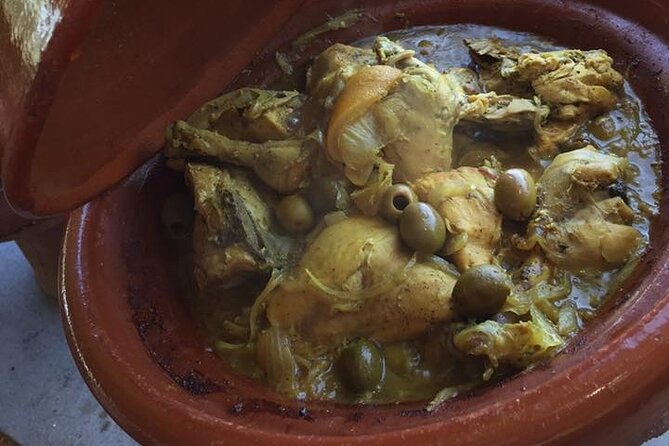
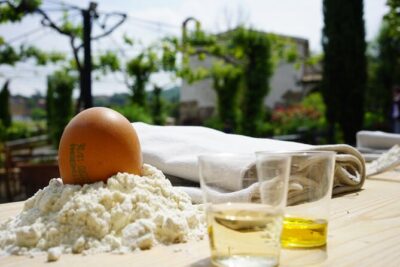
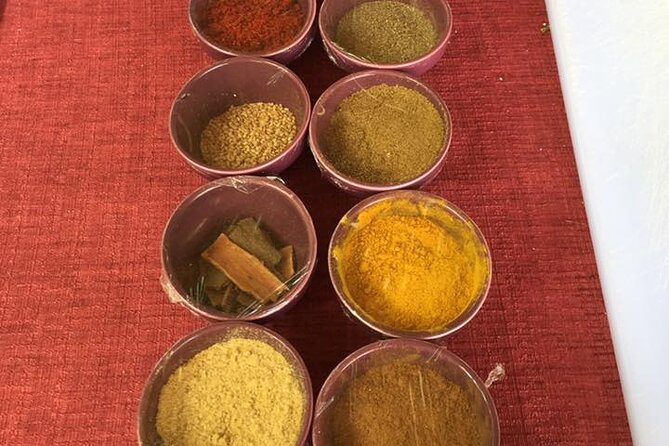
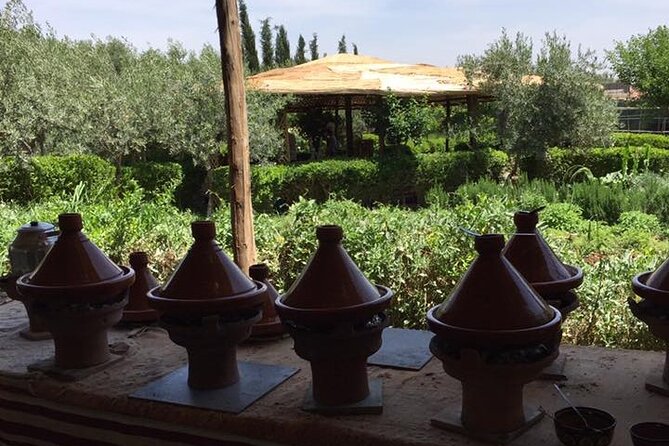
This is one of the best-value days on the whole trip because you’re not just eating; you’re learning the process. The day starts with a shopping trip through neighborhood souks to buy supplies, followed by a hands-on workshop where chefs teach methods they learned from family traditions.
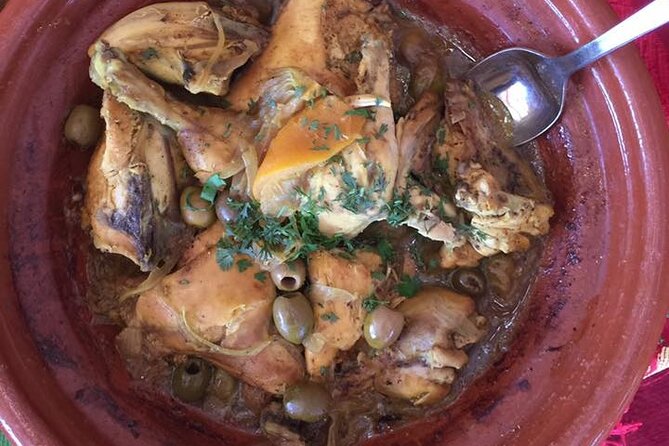
Then comes lunch—what you cook is what you eat. The class lunch is chicken tajine with preserved lemon and olives. Preserved lemon is one of those Moroccan flavors that can feel mysterious until you’ve seen how it’s used and where it fits in the bigger flavor logic.
After lunch, the schedule gives you time to enjoy the rest of your day on your own. That’s helpful. It means you can revisit a shop you liked, or just slow down and absorb the medina without feeling rushed.
Ifrane and Midelt: a calmer reset before the desert
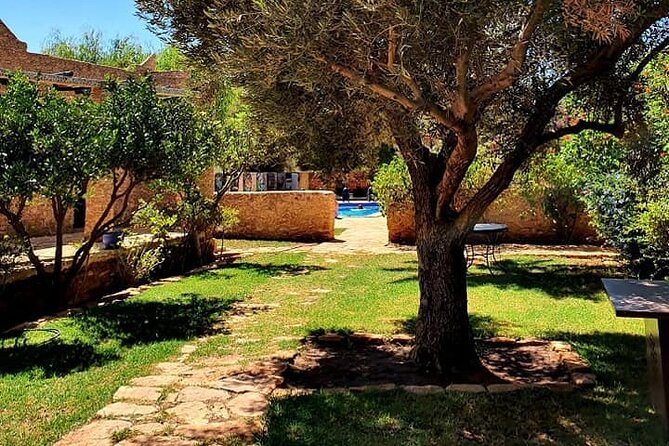
Leaving Fes, the route passes through Ifrane, known for its calm atmosphere and vegetation compared to what you just left. It’s a breather day in feel, with lakes and fountains and that “away from everything” feeling.
Then there’s a stop in Midelt for a traditional lunch. The timing here matters: you stop before you get deep into desert rhythm. You’ll also start noticing the way the air and light change as you travel south.
If you get motion-sensitive, this is a good time to plan your comfort. Long drives are easier when you break them mentally: one town, one lunch, one view, then onward.
Merzouga desert bivouac: camel at dusk, folklore at dinner
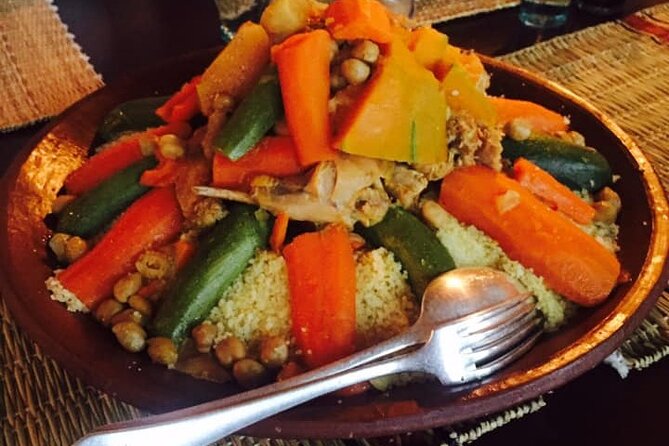
The day in Merzouga is built around the desert experience in a way that still feels structured. You travel to your bivouac camp in the afternoon in luxurious tents (not bare-bones camping), and you have time for a camel ride plus the view at dusk over the sand.
Then you switch from daylight pacing to evening atmosphere: a traditional Berber meal and folklore musicians to round it out.
Practical tip: desert temperature shifts can surprise you. Even if daytime feels warm, plan for cooler evenings. Also, if you’re nervous about camel rides, speak up early so the guide can guide you to the right timing and approach.
Rissani to Skoura: kasbah country, then rose-region magic
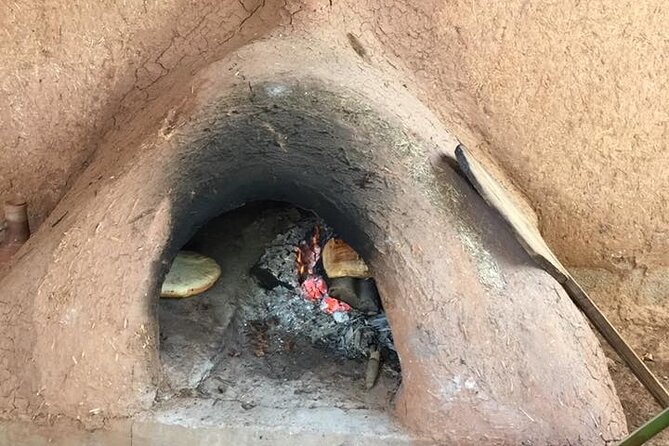
After breakfast, you exit the desert and drive to Rissani, a small market town. This stop works as a cultural handoff: you’ve been in desert settings, and now you’re back in everyday commerce.
Then the route moves toward Skoura with stops that connect the dots between kasbahs and changing landscapes. You travel through the Valley of 1000 Kasbahs, including villages clustered around ruined kasbahs and ksars (fortified houses and watchtowers). You also reach Tinghir and the Todra Gorge area, which is known for its dramatic stone setting.
From there you reach the Valley of roses via Kalaat M’Gouna. The timing detail matters: in spring, the terraced fields above the river can turn pink with blooms, and the area hosts a rose festival. Even if your trip isn’t in spring, the tour’s angle on rose water and rose-based perfumes and cosmetics helps you understand how “flavor” and “fragrance” overlap in Morocco.
Marrakech: souk-food walking tour plus a riad cooking class with tanjia
Marrakech is two separate food experiences, and I like that they’re different in style.
First is a walking gastronomic tour of the souks. Your guide leads you through classic Moroccan food corridors and specific tastings, including:
- a bakery stop (the doughnut man)
- farnashi for tangia
- fruit and vegetable market
- an olive market
- meshoui tasting
What I appreciate here is that you’re not eating random bites. You’re learning how ingredients and prep styles shape the final dish. You also get a feel for the broader craft scene while you walk—spice, brass, copperwork, and kaftans—so the food doesn’t float free from daily life.
Then comes the second half: a cooking class at a traditional riad. You start with welcome mint tea, then head to a small local souk for ingredients. After that, the cook guides you through traditional techniques, and you eat your lunch: Moroccan tanjia.
Note: tanjia is one of those dishes where patience is part of the point. Even if you’re the impatient type, the process teaches you why Moroccan cooking favors steps over shortcuts.
Ouarzazate and Ait Ben Haddou: movie sets that still feel old
On the way to Marrakech, the route loops through Ouarzazate, often described as the Hollywood of Morocco. You also visit Kasbah Ait Ben Haddou, a UNESCO Heritage site where films like Gladiator and The Mummy were shot.
This day adds variety to the food story. It’s not only about eating; it’s about seeing how Morocco’s geography and architecture shaped storytelling on screen. Plus, you get lunch at the kasbah area, which keeps the day from turning into pure sightseeing.
Then you cross the High Atlas Mountains via the Tizi N’Tichka pass at about 2,260 meters. This is one of those “you feel it in the air” moments. It also helps explain why caravan routes and mountain passes mattered historically—something that tends to connect back to food travel and supply.
Essaouira en route: argan oil women’s cooperative and a Rhone-valley grape vineyard lunch
Getting from Marrakech to Essaouira is about pacing too. The day includes a stop at an argan oil cooperative that supports divorced and widowed women by giving them work. You learn about processing the argan nut and how the oil is used for cooking and cosmetics.
Then the highlight turns culinary again: lunch at a Moroccan vineyard dedicated to grape varieties from the Rhone Valley. The winery began in 1994 by a winemaker who learned the trade in Chateauneuf-du-Pape. That’s a fun origin story because it frames the vineyard visit as more than scenic—it’s about how knowledge travels, gets remixed, and becomes local.
This is also where to think ahead about drink preferences. Alcoholic drinks are not included, so any wine pairing or extra glasses are something you’d pay for separately.
Essaouira port and medina: artisan workshops with salty-air energy
Once you arrive, Essaouira gives you ocean air and a different pace than inland cities. You do a guided tour of the port and medina, with stops at local artisan workshops along the way.
Historical notes are part of the tour: the Portuguese abandoned the area in 1541, and later in 1765 the Alaouite Sultan Sidi Mohammad Ibn Abdullah transformed Mogador into a fortified city. You’ll also see how cannons overlook the fishing fleet, which ties the city’s past to its working present.
The medina itself is built on narrow lanes and small storefronts—exactly the kind of place where you’ll want comfortable shoes and an easy water bottle routine.
The second cooking workshop in Essaouira: fish-based tajine
On the next day, you do another hands-on class, this time focused on a fish-based tajine. The plan is an intimate workshop led by a traditional cook (the plan mentions a gentle dada), and you’ll learn hands-on spice and technique choices.
You’ll eat what you prepare for lunch. I like that the tour doesn’t treat the seaside as just a scenic add-on. It keeps food at the center, even as the city changes.
If you have dietary needs, this is a good point to communicate early so the guide can advise what’s possible with the ingredients used in the class—nothing is worse than getting excited about a dish and then realizing you can’t eat it.
Who should book this tour (and who should consider a different pace)
This trip fits best if you:
- want a private road trip that includes guide context, not just eating
- like cooking classes where you learn techniques, not only taste
- enjoy moving between regions: Roman ruins, imperial-era cities, desert evenings, and Atlantic port culture
It may feel less ideal if you:
- dislike long driving days between stops
- need a very slow pace with lots of free time
- want accommodation bundled into the price
The walking component can also be a factor. You should be comfortable with medina-style routes and site visits that may involve uneven footing.
Should you book this Morocco Vineyard and Gourmet Tours experience?
If your main goal is food plus real context—how ingredients, crafts, and geography shape what ends up on the table—this is a strong pick. The best days aren’t just the meals; they’re the structure: souk shopping, hands-on cooking, site visits that explain the setting, and desert and ocean experiences that keep the food story grounded.
If you’re going to book, my practical advice is simple: budget for alcohol/soft drinks separately, pack for both heat and cooler desert evenings, and wear shoes you can trust in old medinas. Do that, and you’ll get a trip that’s more than a checklist of tastings—it’s a way to understand Morocco through what people cook and trade every day.
FAQ
How long is the tour?
The duration is listed as approximately 12 days.
What does the private transportation include?
It includes a private 4WD Toyota Land Cruiser with fuel, plus bottled mineral water in the vehicle daily. Pickup and drop-off are offered at your accommodation.
Are cooking classes included?
Yes. The itinerary includes hands-on cooking classes in Fez, Marrakech (at a riad), and Essaouira. Each class includes lunch made from what you prepare during the session.
What meals are included?
Dinner is included, and lunches are included as part of the itinerary plan. Meals not specified in the itinerary are not included.
Are alcoholic drinks included?
No. Alcoholic drinks and soft drinks are listed as not included.
Can I get a full refund if I cancel?
Yes. You can cancel up to 24 hours in advance for a full refund. If you cancel less than 24 hours before the start time, the amount paid is not refunded.