REVIEW · PALAU
Palau: wine tasting in a Gallura winery
Book on GetYourGuide →Operated by Escursì · Bookable on GetYourGuide
Granite rocks, sea wind, and a table full of Sardinia wines—what’s not to like. In the Palau area of Gallura, this 2-hour visit pairs a real vineyard walk with an organic tasting that’s matched to local foods. It’s the kind of stop that turns a scenic drive into something you can taste and remember.
What I like most is the focus on classic Gallura grapes and practical pairings. You’ll get 7 glasses across Vermentino, Cannonau, and Cagnulari Rosè, plus a spread built around Sardinian staples like sheep’s milk cheese, crispy carasau bread, and cured meats.
One thing to consider: you’ll be walking on uneven ground, and the experience isn’t suited for people with mobility impairments or for pregnancy. Also, transportation isn’t included, so you’ll want a plan for getting there and back.
In This Review
- Quick Hits
- Palau’s Gallura Winery Tasting: what makes it feel special
- The 2-hour flow: vineyard walk, then a structured tasting
- Vineyard visit: short walk, big context
- Tasting session: 7 glasses, guided pairings
- What you’ll drink: Vermentino, Cannonau, and Cagnulari Rosè
- Vermentino (4 pours): bright, coastal, and food-friendly
- Cannonau (2 pours): where the tannins show up
- Cagnulari Rosè (1 pour): the quick curveball
- Pairings that make sense: sheep cheese, carasau, and cured meats
- Sheep’s milk cheese: fat meets freshness
- Crispy carasau bread: the palate broom
- Traditional cured meats: salt + savory = instant harmony
- Organic wines and what that means for your palate
- Sea views, granite rocks, and that Gallura mood
- Timing matters: 19:00 in summer, 15:30 most of the year
- Price and value: is $98 per person fair?
- Who this is for (and who should skip)
- Practical details that help you enjoy it more
- Meeting point
- What to bring
- Allergies and dietary needs
- Getting there
- Should you book this Palau wine tasting?
Quick Hits
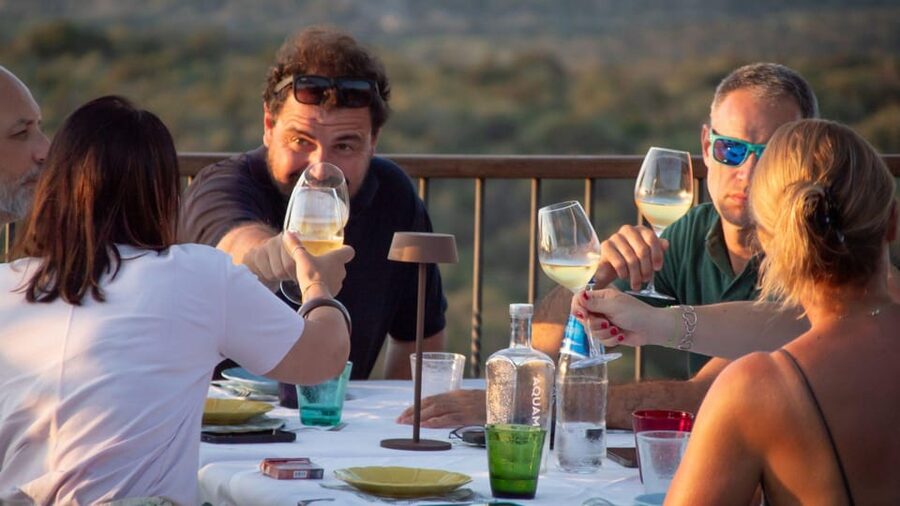
- Gallura scenery: granite rocks shaped by wind, Mediterranean maquis, and blue-sea views
- Organic wine focus: tasting wines made with care for the land
- 7-glass program: 4 Vermentino, 2 Cannonau, 1 Cagnulari Rosè
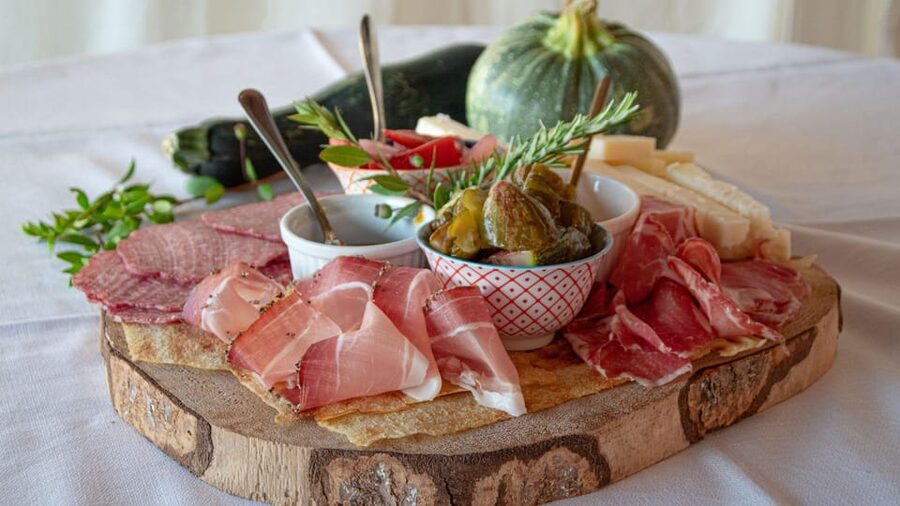
- Food pairings that fit Sardinia: carasau, sheep’s milk cheeses, and traditional cured meats
- Small group: limited to 10 participants, so the guide can actually talk to you
Palau’s Gallura Winery Tasting: what makes it feel special
This wine tasting isn’t staged in a shiny tasting room. It’s built around the Gallura way of doing things: vines grown with patience, and food chosen for what it does to your palate. In north-eastern Sardinia, the terrain is all about granite outcrops and scrubby Mediterranean plants. That matters, because the setting changes how the wines taste—salinity, freshness, and a kind of clean dryness you don’t get from inland, smoother landscapes.
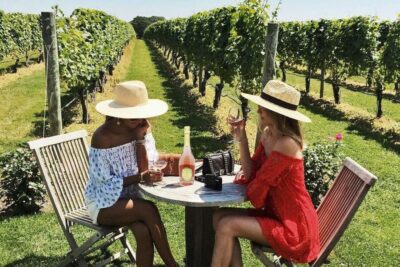
You’ll also get sea views during the tasting. It’s not just a pretty backdrop. Looking out toward the water while sipping wines makes you understand why these grapes and styles became local favorites in the first place.
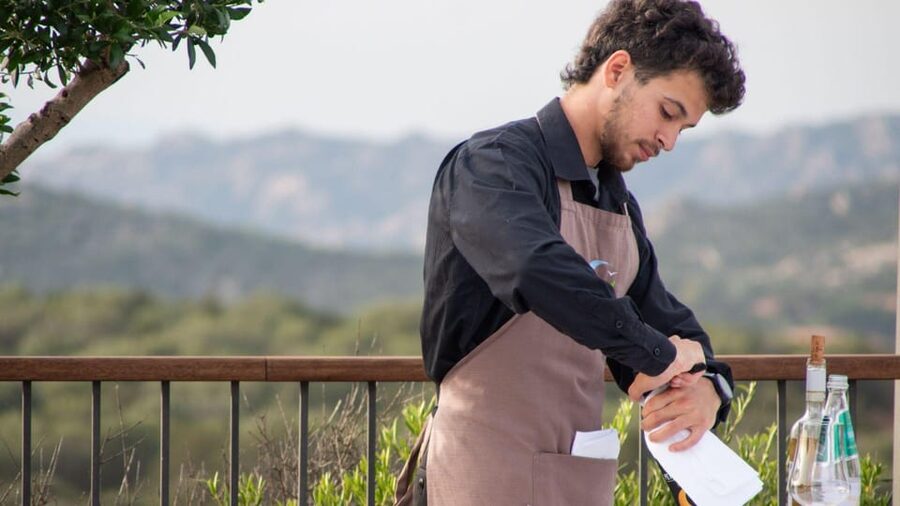
And if you get the right guide—many guests mention Giovanni—you’ll hear the story in a human way: what the vineyard is doing, what the wines are trying to express, and why organic practices matter for flavor. It’s a calm, real conversation more than a classroom lecture.
The 2-hour flow: vineyard walk, then a structured tasting
The experience runs about 2 hours, and it’s paced so you don’t feel rushed. It starts with a guided visit to the vineyard, then moves into tasting, with local products served alongside the wines.
Vineyard visit: short walk, big context
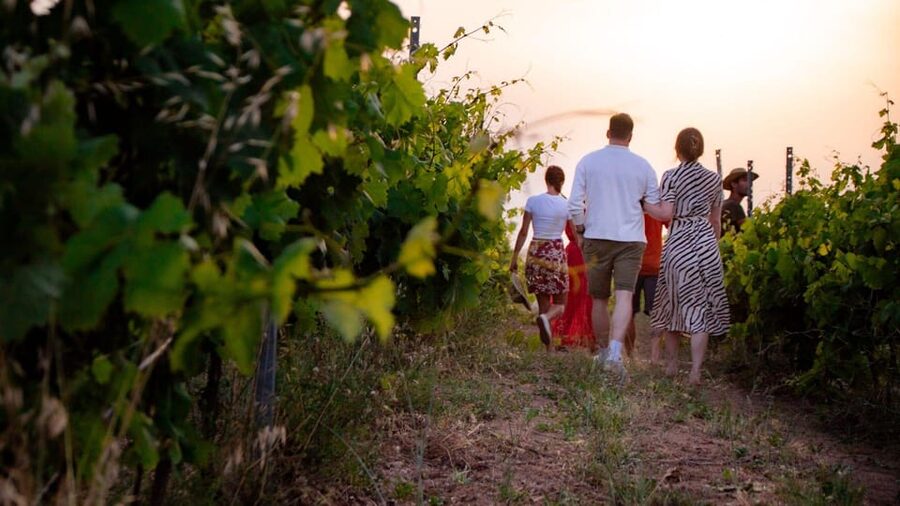
On the vineyard portion, you’re not just looking at vines. You’re learning how viticulture works in this area—how the ground, climate, and seasonal rhythms influence what ends up in the glass. Wear comfortable shoes. This isn’t a flat lawn situation. Expect uneven surfaces and some outdoor walking.
A practical note: the property is set in the Gallura countryside, so the air can be dry and bright. Bring water and sunglasses, and dress comfortably. In summer, start hydrating before you feel thirsty.
Tasting session: 7 glasses, guided pairings
The tasting is structured: you’ll taste 7 glasses total, guided step by step. You won’t just get a random assortment. You’ll move through styles in a way that helps you compare Vermentino’s character against Cannonau’s depth, then finish with the pink-leaning Cagnulari Rosè.
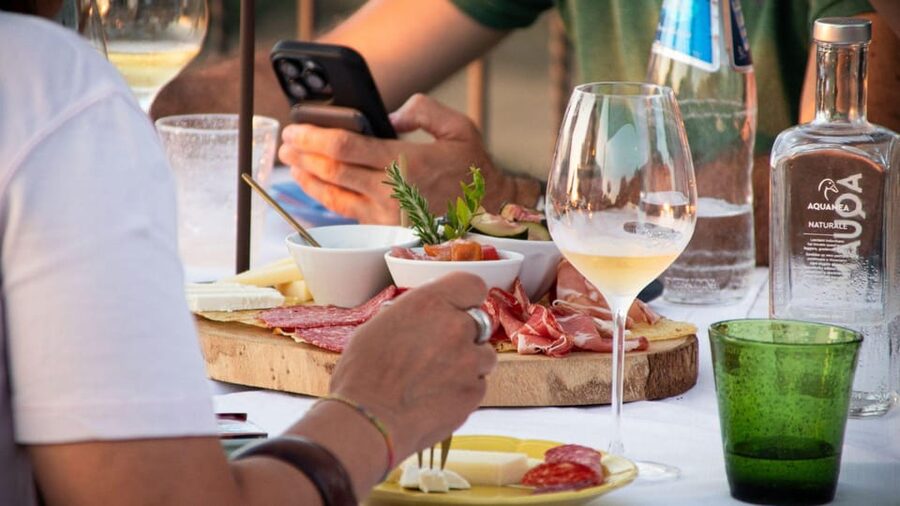
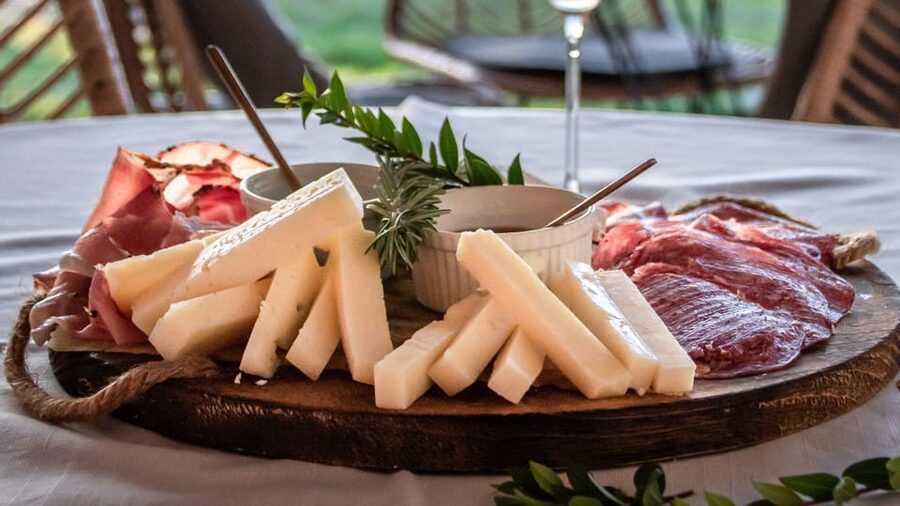
While you taste, a board of local products supports the wines. Depending on the season, you may see a mix that includes vegetables, cold meats, cheeses, and other organic items. In the most common described pairing setup, you’ll get sheep’s milk cheeses, crispy carasau bread, and traditional cured meats.
Under age 18 is handled too: if you’re traveling with teens, you can request fruit juices or water instead of wine.
What you’ll drink: Vermentino, Cannonau, and Cagnulari Rosè
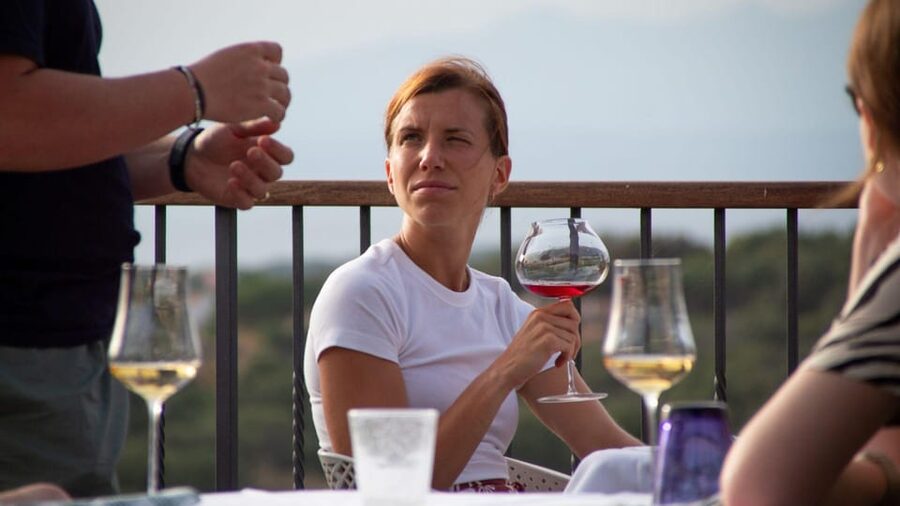
This tasting is built around Sardinia’s recognizable grape lineup, but the amounts matter because it shapes the arc of your evening.
You’ll taste:
- Vermentino: 4 glasses
- Cannonau: 2 glasses
- Cagnulari Rosè: 1 glass
Vermentino (4 pours): bright, coastal, and food-friendly
Vermentino is the workhorse of north Sardinia style. In this tasting, you’ll get multiple glasses, so you can track how it changes across different pours and pairings. The goal isn’t to memorize notes like a wine quiz. It’s to notice how Vermentino reacts when you add salty, fatty, or savory foods—especially sheep’s cheese and cured meats.
Cannonau (2 pours): where the tannins show up
Cannonau is your contrast. You’ll taste it enough times to catch its rhythm: fuller body, warmer feeling, and a structure that makes cured meats and grilled-style flavors work naturally. If you only usually drink light whites, this is a gentle way to try a red without being thrown into a heavy tasting.
Cagnulari Rosè (1 pour): the quick curveball
That single glass of Cagnulari Rosè acts like a palate reset. It’s a nice breather between red and the final food pairings. If you like trying one offbeat local style, this is the moment.
Pairings that make sense: sheep cheese, carasau, and cured meats
The best wine tastings match the glass to real Sardinian flavors. Here, the pairing strategy is practical: creamy dairy to round edges, crisp bread to cleanse, and cured meats for salt and umami.
Sheep’s milk cheese: fat meets freshness
Expect intensely flavored sheep’s milk cheese in the tasting board. With Vermentino, that richness can make the wine feel even lighter and sharper. With Cannonau, the pairing can turn the flavors more rounded, so the wine feels less tight and more layered.
Crispy carasau bread: the palate broom
Carasau bread is thin, crisp, and built for absorbing flavors. When you bite it between sips, it helps clear your palate without killing the taste. It’s also a reminder that Sardinian food is often simple, but it’s precise.
Traditional cured meats: salt + savory = instant harmony
Cured meats bring salt, smoke, and deep savory notes. That can either fight wine or make it look better. In this pairing setup, the goal is clearly the second option: make the wine feel more expressive instead of muted.
Seasonal boards may include vegetables and other organic products too. So if you arrive at a different time of year, your exact plate might shift. The structure stays the same: wine first, then food that makes the wine clearer.
Organic wines and what that means for your palate
The tasting highlights organic winemaking and careful processing with respect for the land. You don’t need to be a sustainability expert to taste the difference. In practical terms, organic practices often go hand in hand with a more deliberate approach to balance: healthier vines, less interference, and wines that aim to show terroir rather than heavy-handed flavor tweaks.
What does that look like in your experience? Expect wines that feel clean and direct, not masked. Guests describe the winemaker’s passion and artistic vision, and you’ll likely hear how vineyard work connects to the final glass.
If you care about how food systems affect flavor, this tour gives you a straightforward way to connect the dots: the vineyard visit explains the land, and the tasting lets you judge the result.
Sea views, granite rocks, and that Gallura mood
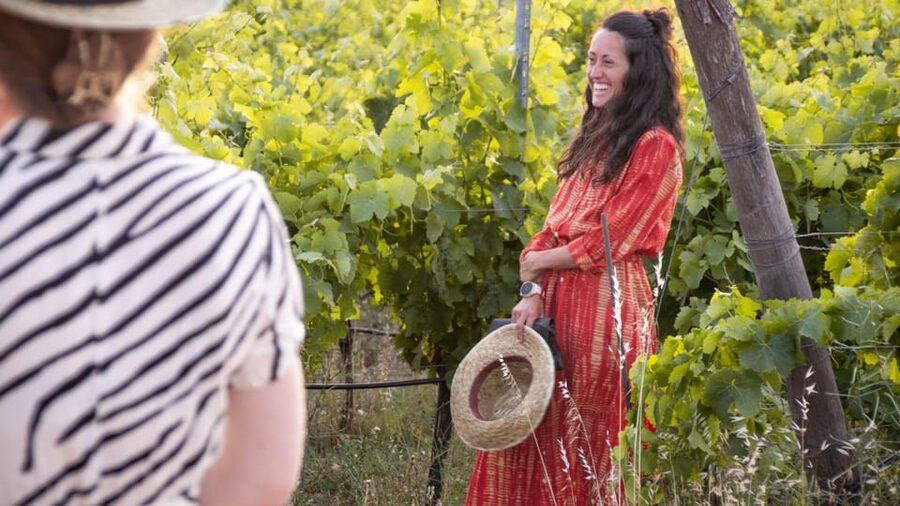
Gallura is often described with dramatic scenery, but the practical takeaway is simpler: you’re tasting outdoors in a place that smells like sun-warmed scrub and salt air. The wind off the sea makes the tasting feel fresh instead of stuffy. And the granite setting—massive rocks and shaped outcrops—adds a sense of ruggedness to the experience.
That “views while you sip” element is more than decoration. It changes your pace. You slow down. You talk. You notice. And you end up remembering the wines as part of a moment, not just a checklist on vacation.
Timing matters: 19:00 in summer, 15:30 most of the year
This matters for two reasons: comfort and atmosphere.
The experience runs:
- June to August at 19:00
- September to May at 15:30
Late-day timing in summer can be a lifesaver—less sun intensity and more pleasant walking. In shoulder seasons and winter months, the earlier afternoon timing makes it easier to plan the rest of your day.
If you’re flexible, this also helps with logistics. Transportation isn’t included, so you’ll want daylight if you’re driving or catching a ride back. The stated start times make it easier to plug this into a day plan.
From November to April, visits may be possible at other times on request (morning or afternoon). If your schedule is tight, it’s worth asking.
Price and value: is $98 per person fair?
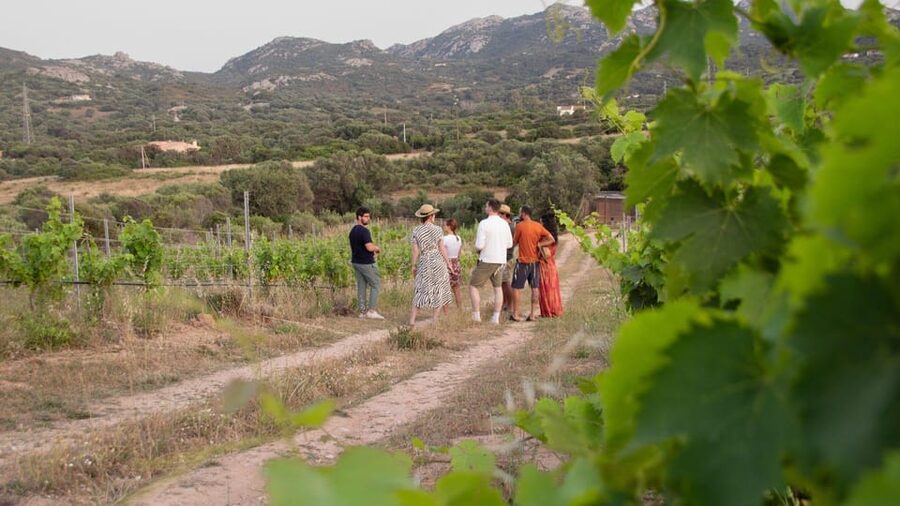
At $98 per person for a 2-hour small-group tour, you’re paying for three things:
- A guided vineyard visit
- A structured tasting with 7 glasses
- A paired board of local products (cheese, cured meats, bread, and more depending on season)
Compared to tastings where you pay extra for add-ons or where food is minimal, this includes the essentials. You’re not just tasting wine—you’re tasting it with the regional foods that make the flavors click.
Also, the group size is limited to 10 participants, which usually means better guide attention and a less chaotic atmosphere. When your tasting is more personal, the experience often feels more “worth it” even if the wines are the same as a larger event.
If you’re the type who likes learning why a wine tastes the way it does—and you enjoy pairing it with honest local food—this price is in line with what you’d expect for a genuine vineyard setting.
Who this is for (and who should skip)
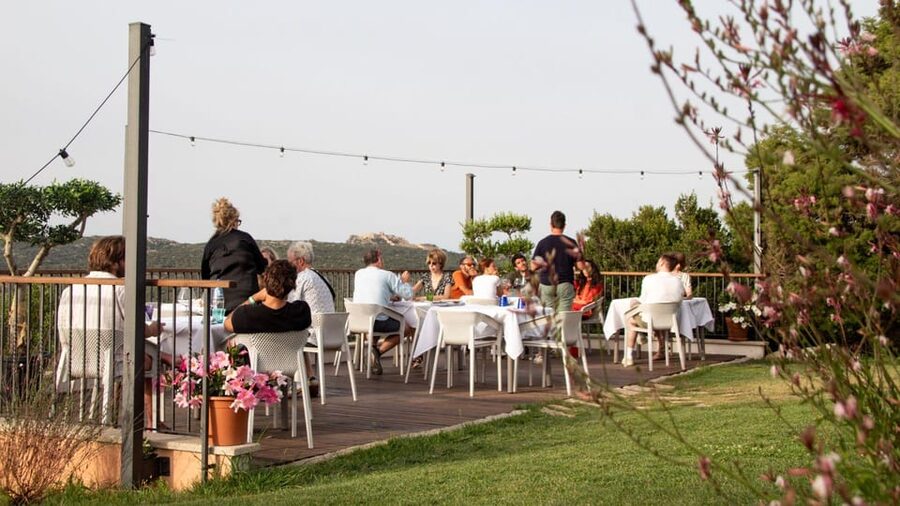
This is a great fit if you:
- want a Sardinia wine tasting in Palau that feels authentic and local
- like organic wines and want the story behind them
- enjoy food pairings with regional staples like sheep’s cheese and carasau
- prefer small groups and guided explanations
You should think twice if you:
- are pregnant
- have mobility impairments, since it isn’t suitable
- want a fully hands-off experience with no outdoor walking
Pets aren’t allowed, so plan around that if you’re traveling with animals.
Practical details that help you enjoy it more
Meeting point
The entrance is immediately after a crossroads and is clearly marked with an iron sign with the winery name, plus wooden barrels on the other side. If you’re driving, keep your eyes on the signage early—this kind of rural entry is easy to miss.
What to bring
Bring:
- comfortable shoes
- sunglasses
- water
- comfortable clothes
Allergies and dietary needs
If you have allergies or intolerances, or if you’re vegetarian or vegan, contact the number on your booking voucher at least 48 hours in advance. That timing matters because the food board can change by season.
Getting there
Transportation to and from the vineyard isn’t included. You’ll want a plan—rental car, taxi, or organized transport—so you can enjoy the tasting without rushing at the end.
Should you book this Palau wine tasting?
Yes, if you want a two-hour winery experience that mixes real scenery with a structured, locally anchored tasting. The standout elements are the 7-glass program across Gallura’s key grapes and the fact that the food pairings are Sardinia-specific instead of generic “tasting room snacks.”
Book it especially if you’re the type who enjoys slow travel—walking a bit, tasting thoughtfully, and letting the view do its part.
Skip it if outdoor walking is a deal-breaker for you, or if you need an experience designed around minimal physical effort. Also, make sure you have transportation lined up, since this is a rural stop.
If you’re looking for a memorable way to understand Gallura beyond the beach, this is one of the better bets in Palau.