REVIEW · PELJESAC
Pelješac wine tasting and local winery visit
Book on GetYourGuide →Operated by Vinarija Škurla · Bookable on GetYourGuide
Wine tasting, but personal and real.
I love how fast you’re pulled into family life at Vinarija Škurla near Broce, meeting the people behind the bottles. I also love the food-and-drink logic: you taste Pelješac wines (and sometimes fruit liqueurs) alongside homemade bread, cheese, cured meats, olives, and even their organic olive oil. One drawback to keep in mind: the production tour is short, so if you’re hunting for long, step-by-step cellar explanations, you may wish it ran longer.
This is a relaxed 90-minute experience with an English-speaking guide, set right where the wine is made. You get the kind of context that helps you order confidently later—why Pelješac carries the title Croatia’s Empire of Wine and what that means on your tongue.
In This Review
- Key Things You’ll Like
- Pelješac Wine at Winery Škurla: Why People Call It Croatia’s Empire of Wine
- Finding the Winery in Broce After Ston (Simple, If You Follow the Road)
- The 90-Minute Flow: A Short Production Tour, Then Food Pairings
- What You Taste: Local Wines, Fruit Liqueurs, and a Smart Variety
- The Food Pairings Are the Secret Sauce
- Meeting the Owners: Stories You Can Repeat Later
- Value and Price: Is $43 Worth 90 Minutes?
- Practical Tips for Getting the Most Out of Your Tasting
- Who This Pelješac Wine Tasting Fits Best
- Should You Book This Winery Škurla Pelješac Tasting?
- FAQ
- How long is the Pelješac wine tasting at Vinarija Škurla?
- What’s included in the tasting?
- Where is the meeting point?
- What languages are available for the guide?
- How many wines will I taste?
- Is the winery experience wheelchair accessible?
- Can I cancel and get a refund?
- Do I have to pay when I book?
- Are purchases included in the price?
Key Things You’ll Like
- Family-run access at Vinarija Škurla, with stories from the people who actually work there
- A guided tasting paired with traditional finger foods, not just wine poured on its own
- Organic olive oil and local olive pairings, which help you understand the region’s flavor logic
- A production-area walkthrough, with a quick look at how the winery operates
- English explanations, so you can follow the why behind what you’re drinking
Pelješac Wine at Winery Škurla: Why People Call It Croatia’s Empire of Wine
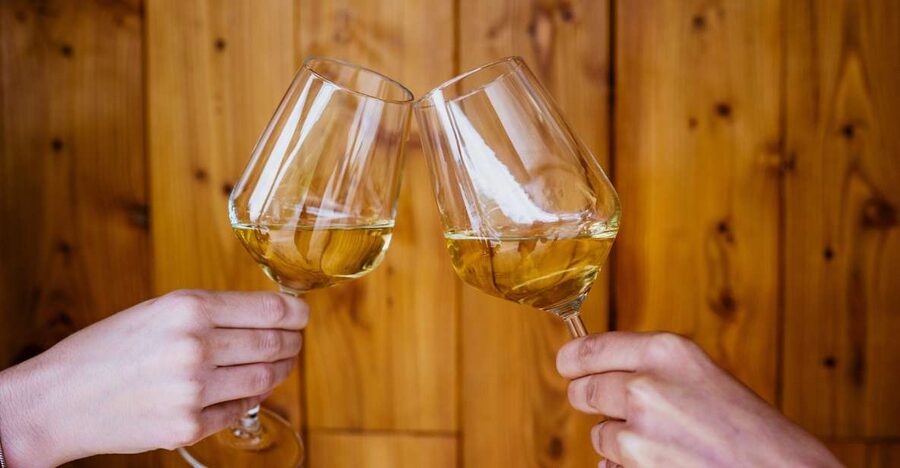
Pelješac sits in Dalmatia, and it’s one of those Croatian wine regions where the reputation isn’t random marketing. The Peninsula’s wines come from a mix of sun, sea air, and old-school know-how, and that comes through fast when you taste them. At Winery Škurla, the whole point is to connect the dots between the region and the glass.
The experience is built around understanding, not just sampling. You’ll hear the history of wine in the area and what makes Pelješac production traditions worth repeating. Then the tasting room experience turns those ideas into something you can actually taste.
The biggest practical win here is how the tasting is structured like a meal. Instead of chasing flavors one after another, you taste with food in mind, so you learn how the wines behave with salt, fat, smoke, and brine.
Finding the Winery in Broce After Ston (Simple, If You Follow the Road)
Most people start from Ston. Once you leave the town behind you, it’s 1.5 km to the village of Broce. The winery is the very first house in the village, on the right side of the road.
If you want this to go smoothly, type Winery Škurla into Google Maps and let navigation do the heavy lifting. It’s a small rural setting, so being off by even a turn can cost you time and patience.
Why location matters: you’re not going to a big “tourist winery” with a bus feel. You’re walking into a working family property where production, storage, and selling happen in the same building.
The 90-Minute Flow: A Short Production Tour, Then Food Pairings
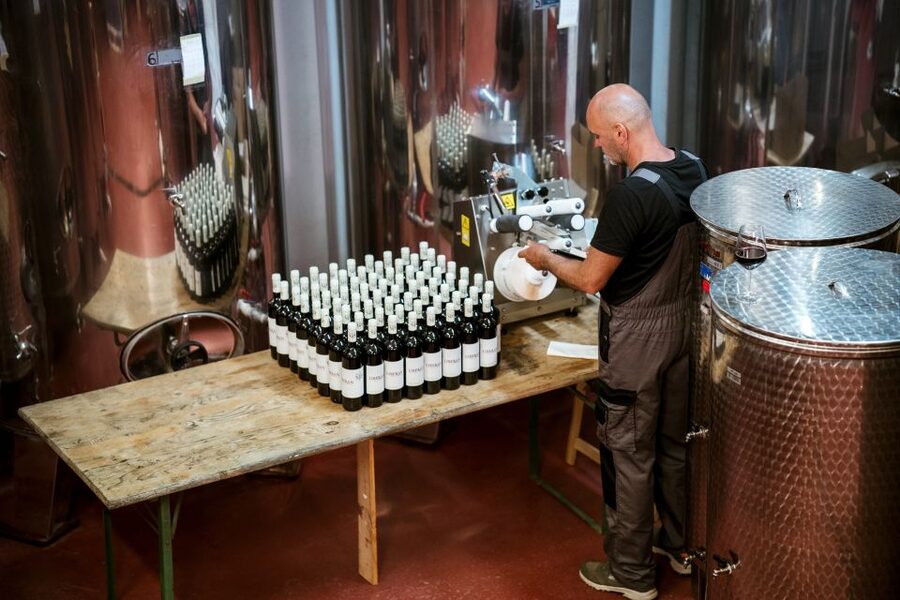
The schedule is designed to keep things moving. You meet your host, who is part of the family, and you start with a welcome plus a quick winery tour. You’ll see the production area, and you’ll hear how traditional techniques have been passed down through generations.
This section is about building context. You don’t need to be a wine nerd to follow along. Your guide explains what you’re seeing and ties it back to what you’ll taste later, so the tasting doesn’t feel like random sips.
Then you move to the tasting room for the main event: a guided tasting of four different wines and/or fruit liqueurs. Each one comes with locally sourced finger foods, including cheese, cured meat, olives, homemade bread, and olive oil pairings.
One more practical note: the tasting takes place in the same building as the production area and store. That means you can do quick peeks before or after tasting, without feeling rushed.
What You Taste: Local Wines, Fruit Liqueurs, and a Smart Variety
Pelješac wines have a reputation, but what I like about this tasting is the way it teaches you the region through variety. The format is built around multiple bottles, so you don’t just learn one style—you learn how the region shifts.
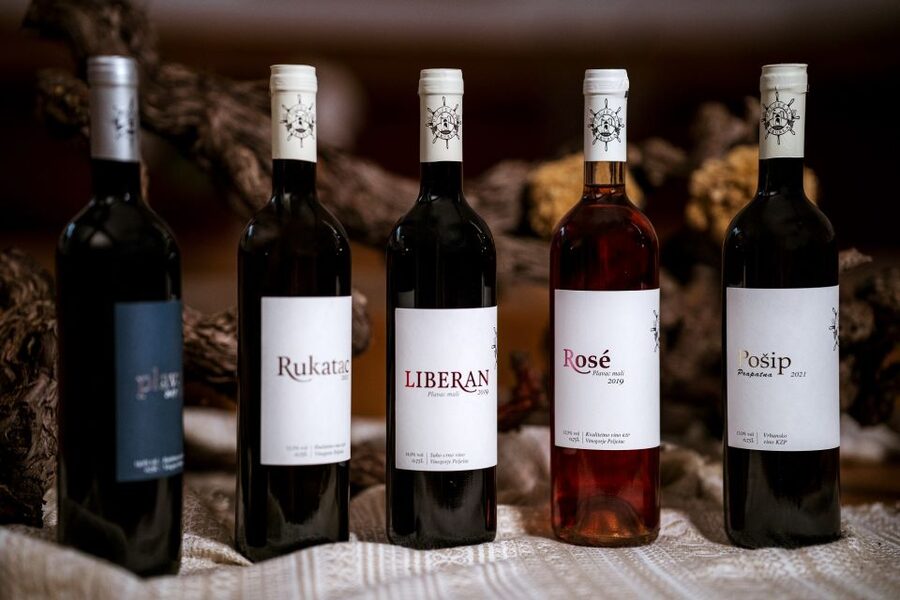
Based on what you’re told at booking, you should expect four wines or liqueurs in the tasting. One real-world detail from the experience: some tastings may run to five wines, including a mix like two whites, a rosé, and two reds. So if you’re keeping score, don’t be surprised if the lineup is a little fuller than the minimum promise.
Either way, you’re tasting locally produced products served with explanations in English. That helps you catch details like why a wine feels lighter or more structured, and what food pairings make those differences clearer.
If you like having choices later, this is also a good way to decide what you want to bring home. You’ll taste with enough context to pick bottles that match your own style.
The Food Pairings Are the Secret Sauce
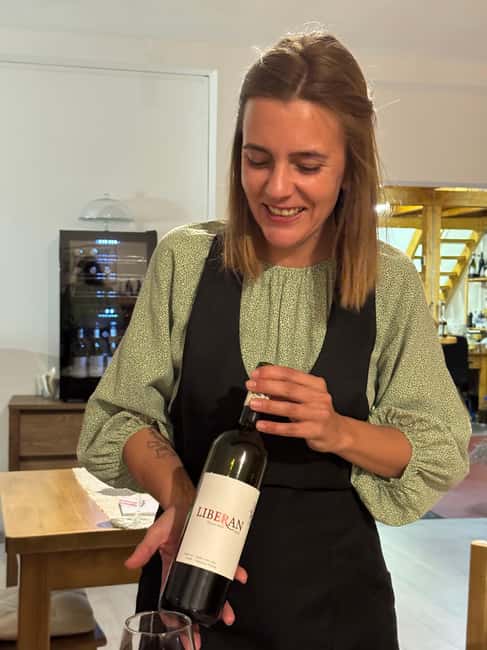
Wine education works best when it’s tied to food. Here, you get a guided tasting with traditional finger foods that actually make sense next to the drinks.
You’ll typically see:
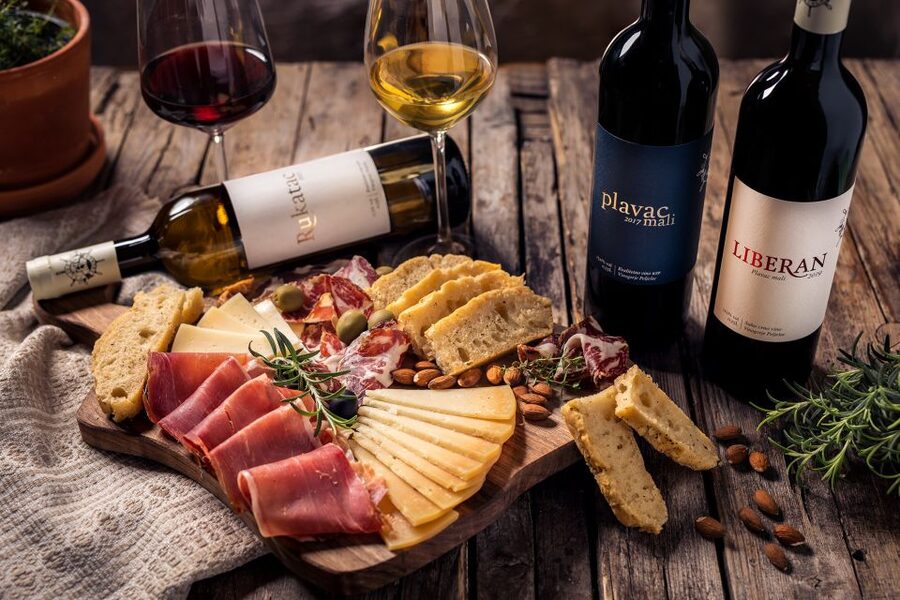
- cheese and cured meat on a platter
- olives
- homemade bread
- olive oil as a pairing element
That combination matters because it forces your palate to do real work. Cheese helps a wine feel smoother. Cured meat brings salt and savory punch. Olives add brine and depth. Bread gives you a neutral base to reset between glasses. Olive oil adds fat, which can soften tannins and change how fruit flavors show up.
In one especially memorable pairing approach, the olive oil and olives are from the winery themselves. That’s useful because it keeps the tasting focused on one family’s interpretation of the region, not a grab-bag of outside ingredients.
Also, this is a comfortable pace. It’s not a frantic “taste everything now” situation. You’ll have time to eat, listen, ask questions, and compare.
Meeting the Owners: Stories You Can Repeat Later
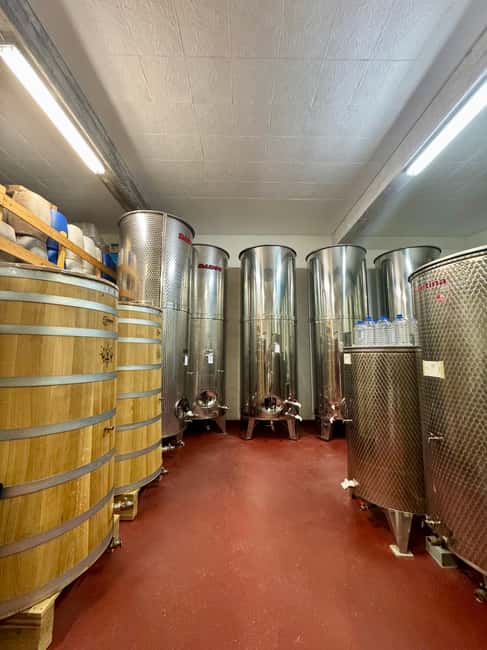
One of the best parts of this kind of experience is the human one. You’re not just talking to a staff member reading scripts; you’re meeting family members who can explain what they do and why they do it.
The vibe is warm and practical. Hosts share stories about Pelješac wine history and the meaning behind traditional winemaking techniques passed down over generations. That kind of storytelling isn’t fluff—it helps you understand why certain methods stay common even when modern trends exist.
If you’re the type who likes learning through conversation, this is a strong fit. Your guide can answer your questions in English, and the family context makes it feel less like a classroom and more like a real visit.
Value and Price: Is $43 Worth 90 Minutes?
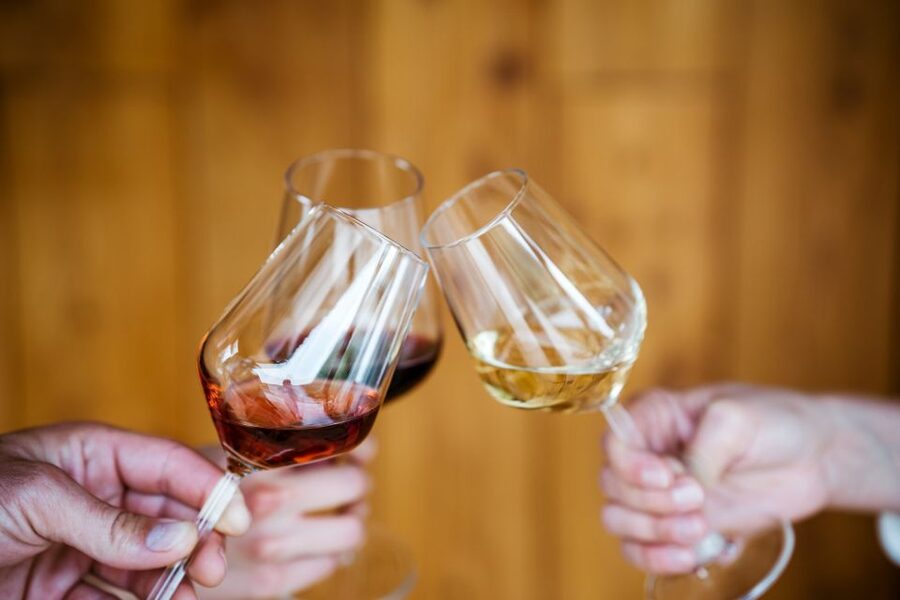
At $43 per person for about 90 minutes, the value comes from access plus quality. You’re paying for:
- a visit with a family-run winery
- a guided explanation in English
- a tasting that includes multiple local wines and/or fruit liqueurs
- traditional food pairings with bread, cheese, cured meats, olives
- olive oil as part of the flavor experience
This isn’t just you sampling a couple pours. The structure is designed to teach you how Pelješac wines behave with real local food. That’s why it feels worth the money, especially if you’re trying to understand the region quickly instead of just buying a bottle and hoping.
A note on cost thinking: items purchased are not included. That means you should enjoy the tasting for what it is, then decide later what you want to take home. In a small winery setting, that can actually improve your choices—you’ve already built a mental shortlist before you spend.
Practical Tips for Getting the Most Out of Your Tasting
A few small things can upgrade your experience from pleasant to memorable.
First, go hungry in the best way. You’ll be eating finger foods paired with wine, but you’ll enjoy the match more if you haven’t had a huge heavy meal right before.
Second, ask questions during the production tour. The tour is short, and one drawback to consider is that some guests may want more detail about the winemaking process. If you’re that type of person, use your moment. Ask what you’re seeing and how it connects to the wines you’ll taste next.
Third, pace your palate. Taste, then eat, then listen. It’s the food that makes the differences easier to notice.
Finally, plan for purchases if the wines click. You’ll be in the same building as the store, so bottle shopping is easy after tasting.
Who This Pelješac Wine Tasting Fits Best
This works best if you want an authentic, family-led experience instead of a big, polished production.
It’s ideal for:
- wine lovers who want context and pairings, not just pours
- curious travelers who like learning how regional food and drink connect
- people combining time in the Ston area with a meaningful stop
It may not be perfect if you’re chasing a long deep technical cellar tour. The total experience is 90 minutes, and the production part is intentionally brief.
Also, it’s designed to be accessible. The experience is wheelchair accessible, which makes it easier for more people to enjoy the visit without awkward workarounds.
Should You Book This Winery Škurla Pelješac Tasting?
Yes—if you want a focused, friendly introduction to Pelješac wine in a real family setting. For the price, you get more than tasting: you get food pairings, organic olive oil context, and a quick look at production in the same place you’re tasting. It’s a practical way to end a day around Ston with something genuinely local.
If you’re the kind of traveler who needs lots of technical cellar detail, consider going in ready to ask questions and accept that the production tour portion is short. In that case, you might leave wanting a bit more time—but you’ll still leave with stronger instincts for what Pelješac tastes like and what you should buy next.
FAQ
How long is the Pelješac wine tasting at Vinarija Škurla?
The experience lasts 90 minutes.
What’s included in the tasting?
You’ll visit a local family-owned winery, taste 4 local wines and/or fruit liquors, and enjoy traditional food served with homemade bread. A host guides you during your stay.
Where is the meeting point?
After you leave the town of Ston, drive 1.5 km to the village of Broce. The winery is the first house in the village on the right side of the road. You can also search Winery Škurla in Google Maps.
What languages are available for the guide?
The tour guide speaks English.
How many wines will I taste?
The experience includes tasting of 4 local wines and/or fruit liquors.
Is the winery experience wheelchair accessible?
Yes, the experience is listed as wheelchair accessible.
Can I cancel and get a refund?
Yes. You can cancel up to 24 hours in advance for a full refund.
Do I have to pay when I book?
No. You can reserve now and pay later.
Are purchases included in the price?
No. Items purchased are not included.