REVIEW · REGUENGOS DE MONSARAZ
Reguengos de Monsaraz: José de Sousa Winery Tour and Tasting
Book on GetYourGuide →Operated by Adega José de Sousa · Bookable on GetYourGuide
Clay pots, ancient artifacts, real wine talk. In Reguengos de Monsaraz, José de Sousa shows Talha Wines made with fermentation in clay amphorae, and I love how the tour starts in an educational vineyard where grape varieties make sense fast.
Next, the stop in the archaeology room (with a Menir nearly 5 meters tall) and the walk through 44 stainless steel tanks bring balance between old and new. One drawback: a part of the winery focus can feel a little brochure-like, and the guide’s energy can be the difference between great and just fine.
In This Review
- Key takeaways before you book
- Why José de Sousa in Reguengos de Monsaraz feels unusual
- Before you go: how this 1.5-hour tour really fits your day
- Stop 1: the educational vineyard and the grape-variety walkthrough
- Stop 2: modern winery flow with 44 stainless steel tanks
- Stop 3: archaeology room at Monte da Ribeira Estate
- Stop 4: Adega dos Potes and the 114 clay pots still in use
- Wine tasting after the tour: how to make it count
- Price and value: is $31 per person fair for 1.5 hours?
- Who should book (and who might want a different option)
- Should you book José de Sousa?
- FAQ
- How long is the José de Sousa winery tour?
- How much does it cost, and what do I get for the price?
- Where does the tour start?
- Are there wine tastings included?
- What languages are available for the guide?
- How big is the group?
- Is the tour wheelchair accessible?
- What should I bring, and what’s not allowed?
- Is there free cancellation or a pay-later option?
Key takeaways before you book
- Start with grape varieties at the educational vineyard so the tasting has context
- Fermentation in clay amphorae connects the wines to very old-world technique
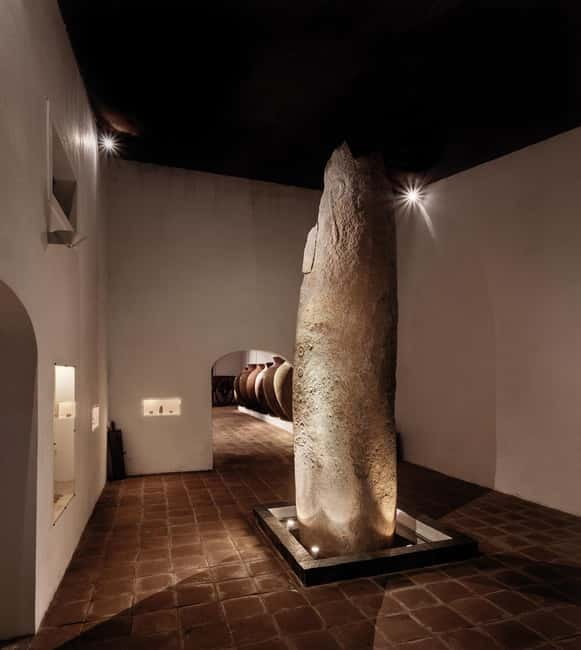
- Monte da Ribeira archaeology room includes major estate finds like the tall Menir
- Modern production with 44 stainless steel tanks shows how tradition meets precision
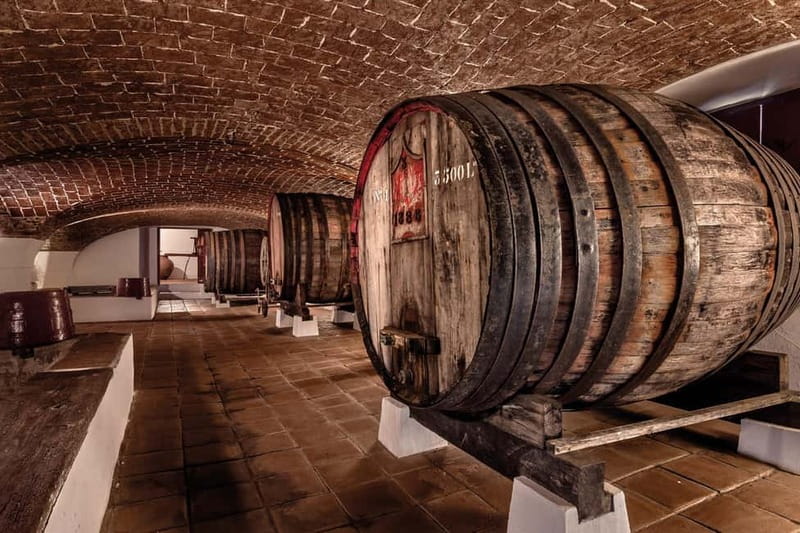
- Adega dos Potes preserves 114 clay pots that are still used for special wines
- Wine tasting happens after the tour so you can match what you learn to what you sip
Why José de Sousa in Reguengos de Monsaraz feels unusual
Reguengos de Monsaraz sits in Portugal’s Beja District, and it’s one of those wine areas where the story isn’t just about grapes. At José de Sousa, the story is about how wine gets made—especially through Talha Wines and clay-based fermentation.
This is a good tour if you like more than the standard “here’s the cellar” routine. You’ll get a mix of working production spaces, preserved artifacts from the estate, and a specific set-up for Talha style wines.
And yes, you’ll also get the part that matters: you taste wines produced here after seeing how they’re made.
Before you go: how this 1.5-hour tour really fits your day
The tour is short—1.5 hours, in a small group capped at 10 people—so it works well as a planned break between sightseeing in the Alentejo area. It runs with a live guide in English or Portuguese, and it keeps moving rather than dragging.
Your meeting point is the Wine Shop, and the walk inside the property means you should bring comfortable shoes. Bring water and a camera, because the archaeology room and the clay-pot spaces are photo-friendly.
Two practical rules to remember:
- No smoking during the tour.
- The winery is described as partially wheelchair accessible, with route adaptation possible—yet the experience is also marked not suitable for wheelchair users, so if that applies to you, you’ll want to check directly before committing.
Stop 1: the educational vineyard and the grape-variety walkthrough
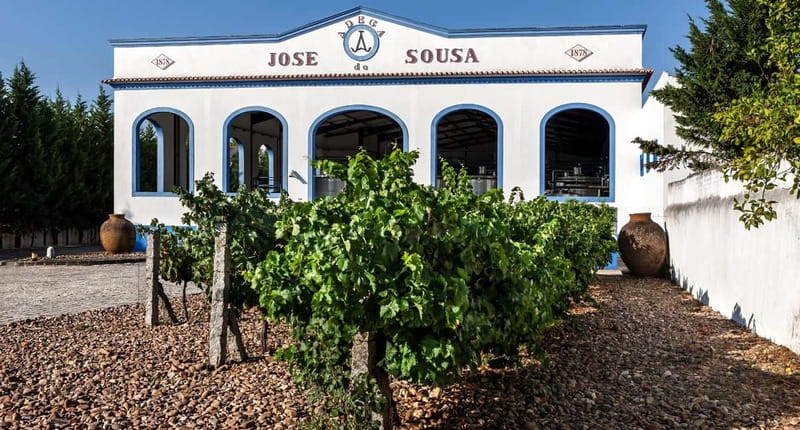
The tour begins with a visit to the educational vineyard, and this part is more useful than it sounds. Instead of starting with tanks or bottles, you’re introduced to the main grape varieties used in the winery’s production.
For you, this changes the tasting from random sips to something you can actually track. When you later taste the selection of wines produced at José de Sousa, you’ll have names in your head and a basic idea of what each grape contributes.
It’s also a nice reset if you’ve been driving all morning. You’ll get a gentle, outdoor start before you head into the heavier “how it’s made” spaces.
Stop 2: modern winery flow with 44 stainless steel tanks
After the vineyard, the tour moves through the modern side of the winery, which includes 44 stainless steel tanks. This isn’t a random detail. It signals that the winery isn’t only living in the past—it also uses contemporary winemaking infrastructure to manage fermentation and production.
Why you’ll care: stainless steel tanks typically help with temperature control and clean process management. Even if you’re not a winemaking expert, you can feel the logic when the guide connects old technique with modern handling.
This is also where the tour structure makes sense. You learn a traditional method tied to Talha Wines, then you see the modern tools that support day-to-day production. That contrast is what keeps the experience grounded.
One thing to keep in mind: some visitors prefer more emphasis on the parts that are actually in active use. If that’s you, plan to ask questions early so you’re not left feeling like you skim only a slice of the operation.
Stop 3: archaeology room at Monte da Ribeira Estate
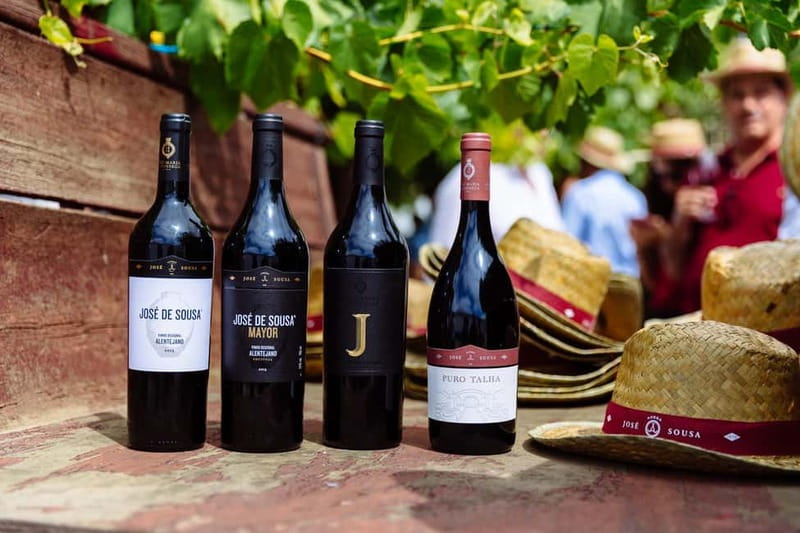
Next comes a stop that most wine tours don’t include: the archaeology room. Here you’ll see ancient artifacts found on the Monte da Ribeira Estate, and you’ll learn how the property carries significance beyond wine.
The headline piece is a Menir almost 5 meters tall. That’s the kind of object that makes you look twice, because it turns the whole visit into more than a tasting appointment. You’re standing in a place where the land itself has layers—human activity, older stone markers, and a long timeline that stretches way beyond the vineyard rows.
For many people, this is the most memorable part of the tour. It also gives you a different kind of context for the estate—less about grapes, more about place.
Stop 4: Adega dos Potes and the 114 clay pots still in use
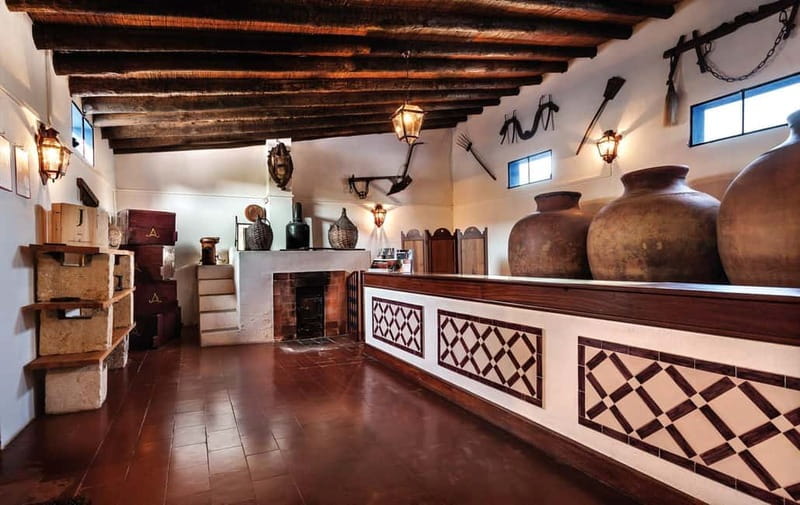
Then you reach the star setting: Adega dos Potes. This part of the visit focuses on Talha Wines through preserved and functioning clay pots—114 clay pots are preserved and still used for producing the winery’s most special wines.
This is where the tour’s core idea becomes tangible. Clay vessels are slow, and they behave differently than stainless steel. Even if you don’t want the science, you can understand the vibe: you’re tasting a wine shaped by a method that isn’t meant to be rushed.
Why you’ll likely enjoy it:
- You get to connect technique to outcome.
- You see the storage space as part of the story, not just a backdrop.
- The preserved pots add drama and atmosphere without turning the tour into a theme park.
If you meet the guide Sofia, you’ll likely feel a particularly professional, friendly approach that makes these stops easier to follow. And if your guide leans more factual than enthusiastic, you can still get a lot out of it—just be ready to ask a question or two as you walk.
Wine tasting after the tour: how to make it count
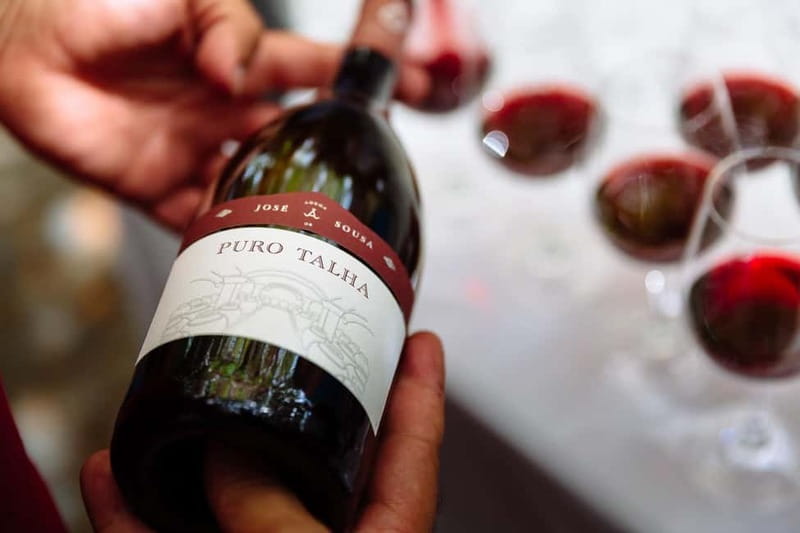
After the visit, you’ll choose from wine tasting options. The tasting is based on wines produced at the winery, so it’s not random. You’ll have just seen how clay-based winemaking and modern tank production fit together, which gives you a framework for tasting.
Here’s how I’d play it to get more value out of the pours:
- Start by asking what the tasting selection is for that day.
- Take one wine and identify what you liked first—then compare the next glass using that same trait (aroma, acidity feel, weight, or finish length).
- Don’t overthink it. A good tasting is about noticing patterns, not chasing perfect labels.
If you’re a fan of Talha styles, this tasting is your chance to connect the amphorae and pots to what’s in the glass. If you’re new to the style, the tasting options help you find a starting point without needing prior knowledge.
Price and value: is $31 per person fair for 1.5 hours?
At $31 per person for about 1.5 hours, you’re paying for more than wine samples. In that time, you get:
- a guided winery tour
- a visit to the educational vineyard
- access to the modern winery and the archaeology room
- a visit to Adega dos Potes
- wine tasting options
For context, many wine tours in Portugal charge similar amounts but focus mostly on one production room and a limited explanation. Here, the tour spreads its attention across vineyard basics, modern production, estate archaeology, and Talha-style clay-pot wine storage.
So the value lands best if you like structure and variety—learning first, then tasting. If you want a longer, deeper cellar-only experience, the short duration could feel brisk. But if you want the highlights packed into 90 minutes, this is a strong deal.
Who should book (and who might want a different option)
This tour is a great fit if you:
- enjoy wines with a strong production story
- like history tied to the estate itself, not just the label
- want a short stop that doesn’t steal an entire day
- appreciate a small group experience
It may be less ideal if you:
- dislike tours that include parts that aren’t central to active production
- need a fully wheelchair-accessible route (the property is described as only partially accessible, and the experience is also marked not suitable for wheelchair users)
- want a high-energy performance rather than an educational walk-through
Should you book José de Sousa?
I’d book it if you’re traveling in the Beja District and want a wine stop with something extra: clay-pot Talha methods plus an archaeology room and a Menir right on the estate. The combination is the point, and you’ll taste the results right after the story clicks.
I’d think twice if your priority is a long, purely cellar-focused tour with zero time spent on preservation and estate artifacts. Still, even then, you may find the Adega dos Potes portion worth the visit.
FAQ
How long is the José de Sousa winery tour?
The tour lasts about 1.5 hours.
How much does it cost, and what do I get for the price?
It’s $31 per person, and it includes the guided tour, the educational vineyard visit, access to the modern winery and archaeology room, a visit to Adega dos Potes, and wine tasting options.
Where does the tour start?
You’ll meet at the Wine Shop and the tour begins at Adega José de Sousa.
Are there wine tastings included?
Yes. After the tour, you can choose from several wine tasting options.
What languages are available for the guide?
The live guide is available in English and Portuguese.
How big is the group?
The group is small, limited to up to 10 participants.
Is the tour wheelchair accessible?
The winery is described as partially wheelchair accessible with possible route adaptation, but the activity is also marked not suitable for wheelchair users. If you use a wheelchair, you should confirm details with the provider before booking.
What should I bring, and what’s not allowed?
Wear comfortable shoes, bring water and a camera, and note that smoking isn’t allowed during the tour.
Is there free cancellation or a pay-later option?
Yes—there’s free cancellation up to 24 hours in advance for a full refund, and you can reserve now and pay later.