REVIEW · RIOJA ALAVESA
Rioja Alavesa: Wine Tasting in a Traditional Winery
Book on GetYourGuide →Operated by ALÚTIZ VINOS - PASCUAL BERGANZO S.C. · Bookable on GetYourGuide
Three cellars. One clear Rioja Alavesa story.
At Bodegas Alútiz Vinos & Enoturismo in Samaniego, this winery stop is a practical, guided look at how producers shape flavor in stainless steel, concrete, and stone—then you back it up with a tasting. I especially liked the way the guide connects the cellar you’re standing in to what ends up in your glass.
I also love that the visit focuses on real production steps, including carbonic maceration in the stainless steel cellar, not just general wine talk. One thing to consider: it’s not suitable for people with mobility impairments, since you’ll be moving through the winery and down into underground spaces.
In This Review
- Key things to know before you go
- Bodegas Alútiz Vinos in Samaniego: a straightforward Rioja Alavesa base
- Stainless steel cellar and carbonic maceration: the first flavor clue
- The concrete cellar: where the wine rests and gains body
- 15 meters underground in the stone cellar: tasting with local products
- Wine tasting: how to make the pours actually useful
- Price and value: $21 for 80 minutes that feel purposeful
- Who should book this Rioja Alavesa winery tour?
- What the best reviews point you toward (and why it matters)
- Practical tips so you get the most out of it
- Should you book this Rioja Alavesa cellar tour?
- FAQ
- Where do I meet for the Rioja Alavesa wine tasting?
- How long is the tour?
- What languages are the tours available in?
- What’s included in the experience?
- Is hotel pickup and drop-off included?
- Can children join the tour?
Key things to know before you go
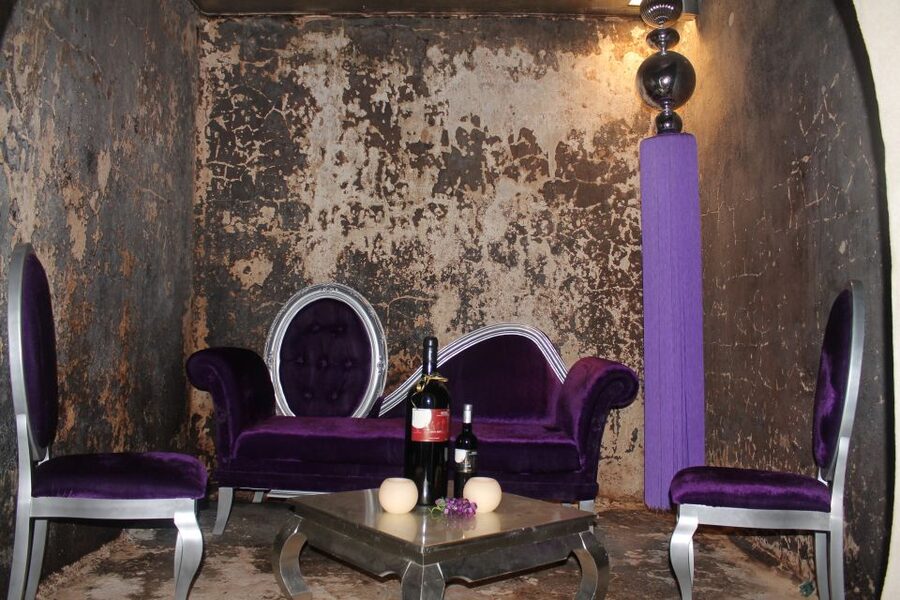
- Three cellar tour focused on how materials change the wine
- Carbonic maceration shown in the stainless steel cellar
- Concrete cellar aging explained as adding special body
- 15 meters underground in a stone cellar for tastings and local products
- Wine tasting plus local products, not just pouring wine
- English and Spanish guide at a traditional winery in Samaniego
Bodegas Alútiz Vinos in Samaniego: a straightforward Rioja Alavesa base
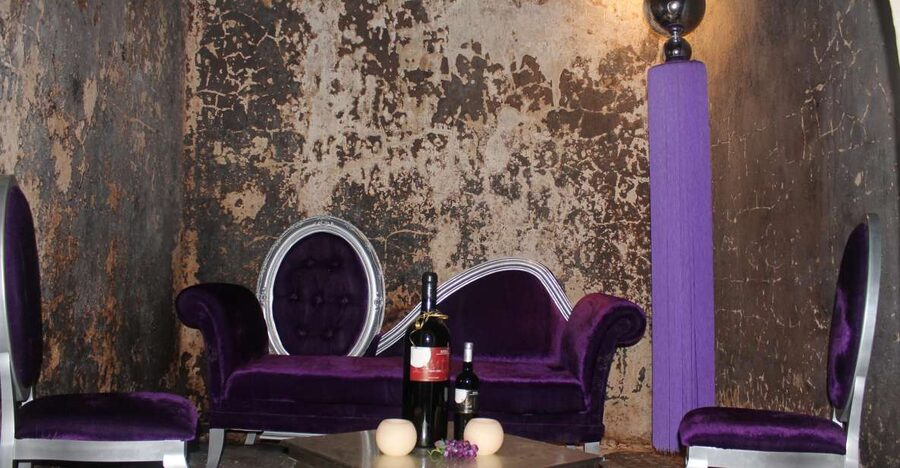
Rioja Alavesa fans often talk about terroir, but this experience does something better: it walks you through the tools people use to turn grapes into wine. You’ll be at Bodegas Alútiz Vinos & Enoturismo in Samaniego, which is right in the heart of Rioja Alavesa. The producer behind the visit is ALÚTIZ VINOS – PASCUAL BERGANZO S.C., so you’re not getting a generic, factory-style show.
The tour is timed at 80 minutes, which matters because it’s long enough to cover three spaces and a proper tasting, but short enough that you can still plan the rest of your day without feeling trapped in wine time.
You meet at the winery’s enoturismo entrance (so no hotel pickup). Practically, that means you’ll want to plan your transport so you arrive on time—especially if you’re pairing this with other Basque Country stops.
Language-wise, you’re covered with a live guide in English or Spanish. That also affects the feel of the experience: this isn’t just someone handing you a glass and hoping you figure it out.
Stainless steel cellar and carbonic maceration: the first flavor clue
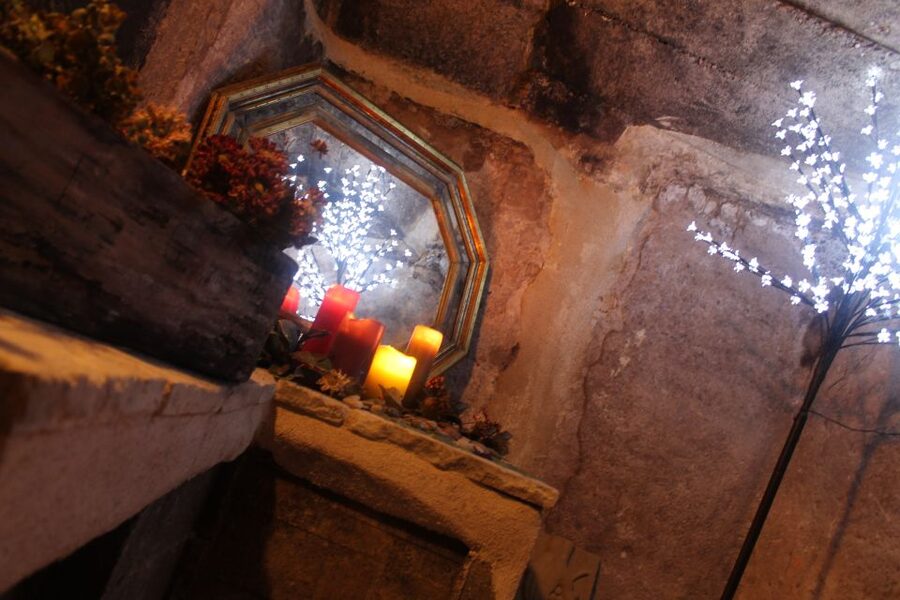
The tour kicks off in the stainless steel cellar, and that’s a smart starting point. Stainless steel is about control—cleaner, more measured conditions—so it makes a good launching pad for the guide’s explanation.
Here, you’re introduced to the special production of wine in Rioja Alavesa, including carbonic maceration. You’ll actually see and learn how this method works in practice, not just hear it as a buzzword. The value for you is simple: once you understand what the process is trying to do, tasting later makes more sense. You’ll start connecting what you’re tasting to what you saw.
If you like asking questions, this is a good moment. I’d lean on your guide for specifics like how the carbonic maceration step influences the character you’ll notice in the glass. Even if you’re a beginner, the guide’s job is to make the concepts click without turning it into a lecture.
The concrete cellar: where the wine rests and gains body
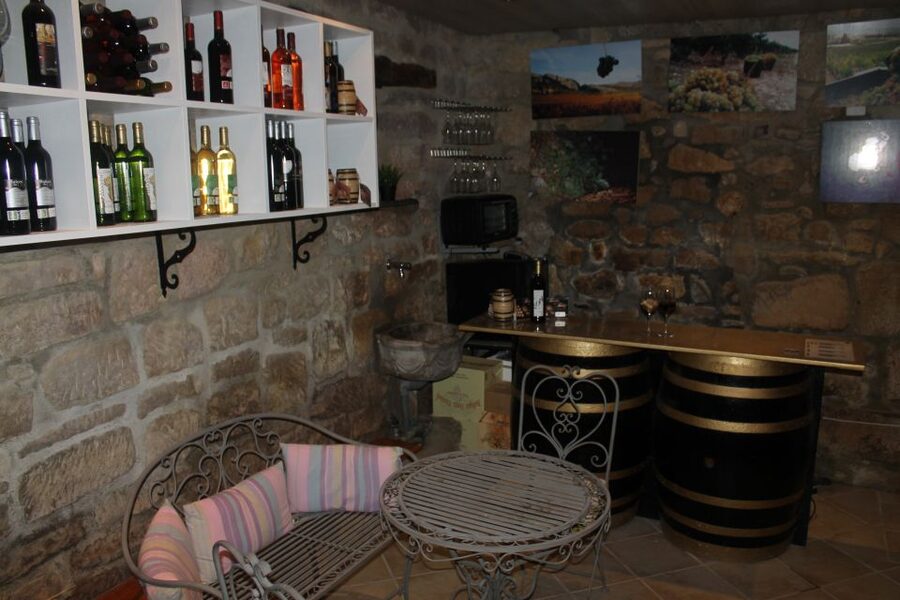
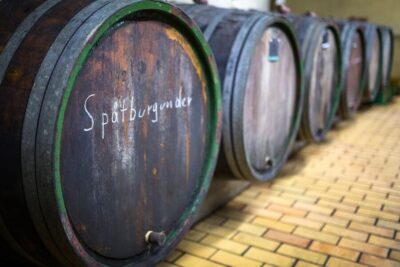
Next you head to the concrete cellar. The concrete stop is where you get a second piece of the puzzle: the wine rests here and acquires a special body. That word matters because “body” is one of those tasting terms people throw around, but it’s also the kind of texture shift you can actually notice when you move from one stage to the next.
This is where the tour earns its keep. When you tour cellars, you’re not just collecting photos—you’re building a mental map of the production. Stainless steel sets the stage, concrete contributes a particular weight and feel, and stone adds the next layer.
A mild drawback, depending on your preferences: if you came only for tasting and you don’t care about production at all, the cellar-to-cellar logic might feel a bit more educational than you expected. But if you enjoy learning how wine gets shaped, this pacing is exactly right.
15 meters underground in the stone cellar: tasting with local products
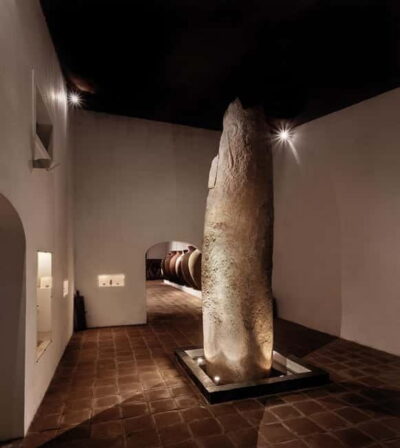
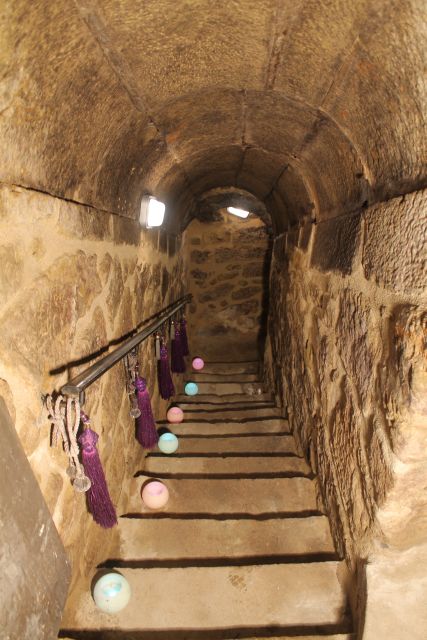
Then comes the dramatic part: you go 15 meters underground into the stone cellar. Even if you’re not a detail-obsessed wine nerd, being in that space changes the mood. Stone cellars tend to feel steady and quiet, and this one is built for aging and storage, which is why it’s such a natural place for a focused tasting.
In the stone cellar, you’ll taste different wines and you’ll also get local products alongside the pours. That combo is underrated. Wine tastings can become all about the glass, but local food helps you judge flavors in context. It also turns the experience from a lecture into something closer to a meal-style break.
This underground tasting stop is also where I’d pay attention to what has changed from earlier stages. If the guide did their job well, you’ll be able to say things like, this tastes like it came from the part of the process we just learned about. That’s the payoff.
Wine tasting: how to make the pours actually useful
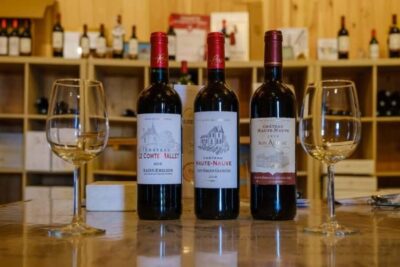
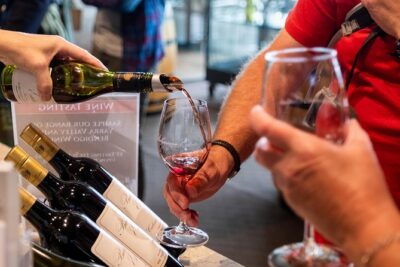
A tasting at a traditional winery can go two ways: either you taste and forget, or you taste and learn. The best version is what you’ll get here—guided, paced, and tied to what you saw in each cellar.
Since the tasting includes multiple wines (and local products), you can do a simple approach that works for beginners and casual drinkers too:
- Smell once, then sip and wait a few seconds.
- Ask yourself what feels different: fruitiness, texture, weight, or finish.
- If you can, compare what you’re tasting now to what the guide just explained in the cellar you’re standing in.
Don’t worry if you can’t name everything. The goal isn’t to sound like a sommelier. The goal is to notice changes and understand why.
One more practical note: children can join with their parents, but they will not be served any alcohol. That’s helpful for families who want the outing without worrying about serving rules.
Price and value: $21 for 80 minutes that feel purposeful
At $21 per person for 80 minutes, this is the kind of wine experience that tends to feel like solid value. Why? You’re not only paying for a tasting. You’re paying for a guided tour of three different cellars plus the production explanations that connect each space to the wine-making process.
A lot of tours charge similar amounts for tasting alone. Here, the tour component matters. And the three-cellar structure means you get a clearer story than you would from a single tasting room stop.
The biggest value-for-your-money factor is that the experience is anchored in the winery’s actual setup—stainless steel, concrete, and stone—so the tasting isn’t random. It’s built on a sequence.
The trade-off is logistics: hotel pickup and drop-off aren’t included. If you’re staying far away, transport planning becomes part of the real cost in time and effort. But if you’re already in the general area or have a car/taxi plan, the price starts to look even better.
Who should book this Rioja Alavesa winery tour?
This tour makes the most sense if you:
- Want a guided, production-focused wine experience in Rioja Alavesa
- Prefer a traditional winery visit over big, fast bus-style stops
- Enjoy learning how cellar choices connect to what you taste
- Want wine plus local products during the tasting
It’s also a good fit for couples and solo travelers who like structured experiences. You get a clear agenda—three cellars, then tasting—without feeling rushed.
It’s not the right pick if you need the activity to be accessible for mobility impairments, because it’s not suitable for that.
What the best reviews point you toward (and why it matters)
The standout themes from the strong reviews are pretty consistent: people loved the instruction, the warm attention, and the fact that the winery feels traditional and hands-on. One review specifically mentioned an English explanation and highlighted that much of the process is still done manually—exactly the kind of detail that makes a tour like this feel real rather than scripted.
So if you want an experience that feels personal and not just commercial, this is the direction to choose. The content you’re likely to enjoy most is the cellar-by-cellar explanation—especially the carbonic maceration portion—because that’s where the tour turns into a story you can taste.
Practical tips so you get the most out of it
- Arrive a bit early at Bodegas Alútiz Vinos & Enoturismo so you’re not flustered before the first cellar explanation.
- If you’re wine-curious, keep a few questions in mind for the guide around carbonic maceration and how concrete and stone factor into the final character.
- Wear what you’d wear for a short indoor tour. You’ll be going underground, and conditions can feel different than surface-level spaces, so plan for that.
Should you book this Rioja Alavesa cellar tour?
Yes, you should book it if you want a focused, 80-minute winery visit that teaches you how wine is made in Rioja Alavesa through three distinct cellars, then backs it up with a guided tasting and local products. It’s also a good value at $21 because you’re paying for both instruction and wine time.
Skip it if you need mobility-friendly access. And if you hate the idea of walking into a winery for a structured tour (no hotel pickup, meet on site), double-check your transportation so the logistics don’t steal the fun.
If you’re looking for an honest, hands-on wine experience in Samaniego, this one fits the bill.
FAQ
Where do I meet for the Rioja Alavesa wine tasting?
You meet at Bodegas Alútiz Vinos & Enoturismo in Samaniego.
How long is the tour?
The duration is 80 minutes.
What languages are the tours available in?
The live tour guide offers English and Spanish.
What’s included in the experience?
The experience includes a guide, a tour of 3 wine cellars, and a wine tasting.
Is hotel pickup and drop-off included?
No. Hotel pickup and drop-off service is not included.
Can children join the tour?
Children can join with their parents, but they will not be served any alcohol.