REVIEW · ROVERETO
Trento: Balter Winery Guided Tour with Wine Tasting
Book on GetYourGuide →Operated by AZIENDA AGRICOLA BALTER · Bookable on GetYourGuide
A 16th-century castle makes wine taste smarter. This Balter Winery guided tour pairs history inside the castle with a hands-on look at how the wines get made, then ends with a focused wine tasting. I especially like how the guide keeps connecting each pour back to what’s happening in the vineyard and cellar. One thing to think about: the meeting point can vary and transportation isn’t included, so you’ll want a plan to get there.
What I like most is the blend of place and process. You’re not just tasting; you’re getting a clear explanation of what you’re drinking, including the disgorging stage, natural cultivation methods, and how the family runs day-to-day production. If you’re short on time or you don’t want the castle portion, there is also an option to book the tasting without the castle visit.
In This Review
- Key Things I’d Make Sure You Catch
- Castle-Centered Wine Tour in Trento’s Wine Country
- The 2-Hour Flow: What Happens, In Order
- Inside the 16th-Century Castle: Why It Matters for Your Tasting
- Tour Stops Through the Winery: Vines, Cellars, and Production
- Disgorging and Natural Cultivation: The Real Wine-Making Lessons
- The Wine Tasting Lineup: What You’ll Be Drinking
- What to do while you’re tasting
- Pairing Local Products: Optional, but Often the Most Fun Part
- Price and Value: Is $65 Worth It?
- Who This Tour Suits Best (and Who Should Skip It)
- Practical Tips Before You Go
- Should You Book This Balter Winery Guided Tour in Trento?
- FAQ
- How long is the Balter Winery guided tour with wine tasting?
- What wines are included in the tasting?
- Is a castle visit included?
- Can you add food to the wine tasting?
- What languages are the tour guide and explanation offered in?
- Is transportation provided to and from the castle?
- Who is this tour not suitable for?
Key Things I’d Make Sure You Catch
- The castle setting: you tour a 16th-century building tied to the winery’s story.
- Natural cultivation: you learn how Balter approaches growing the grapes.
- Disgorging demonstration: you see the process step explained live.
- A six-wine tasting lineup: Brut Trento Doc, Nature Trento Doc, Sauvignon, Lagrein Merlot, and Barbanico (plus one more from the tasting set).
- Optional local food pairing: you can add local products to match the wines.
Castle-Centered Wine Tour in Trento’s Wine Country
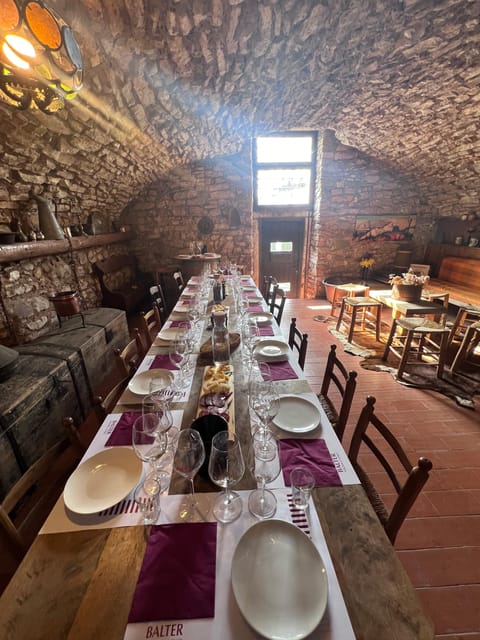
This is the kind of tour that feels like it has two gears: one for history and one for how wine is actually made. Balter Winery is run by a family, and the tour is designed around that fact. You’ll hear the story of their property and the castle, and then you’ll move through the production side with real explanations instead of vague “wine is special” talk.
Trento, in the Trentino-South Tyrol region, is particularly known for sparkling wines. Balter focuses on that style, and the tour reflects it. You’ll taste sparkling bottlings like Balter Brut Trento Doc and Balter Nature Trento Doc, plus still wines from their lineup. That mix is great because it shows how different grapes and choices affect the glass.
If you enjoy tours where the guide cares about the details and you can ask questions, this one is built for you. If you want a fast in-and-out tasting with no context, it may feel a bit “instructive,” since the whole point is the explanation.
The 2-Hour Flow: What Happens, In Order
The full experience runs about 2 hours. In that time you’ll do three main things: explore the castle tour portion, walk through the winery production areas, and then sit down for a tasting.
- You start with the castle visit and its historical context.
- Then you shift into the winemaking story, which includes vineyard-to-bottle elements and the approach to cultivation.
- Finally, you taste a set of wines, with the option to add local products to eat alongside.
The pacing matters here. It’s long enough for real explanation, but short enough that you still get the “why” without feeling stuck in a classroom. I’d call it a good balance if you’re touring Trento during the day and want one memorable stop that still fits a tight schedule.
Inside the 16th-Century Castle: Why It Matters for Your Tasting
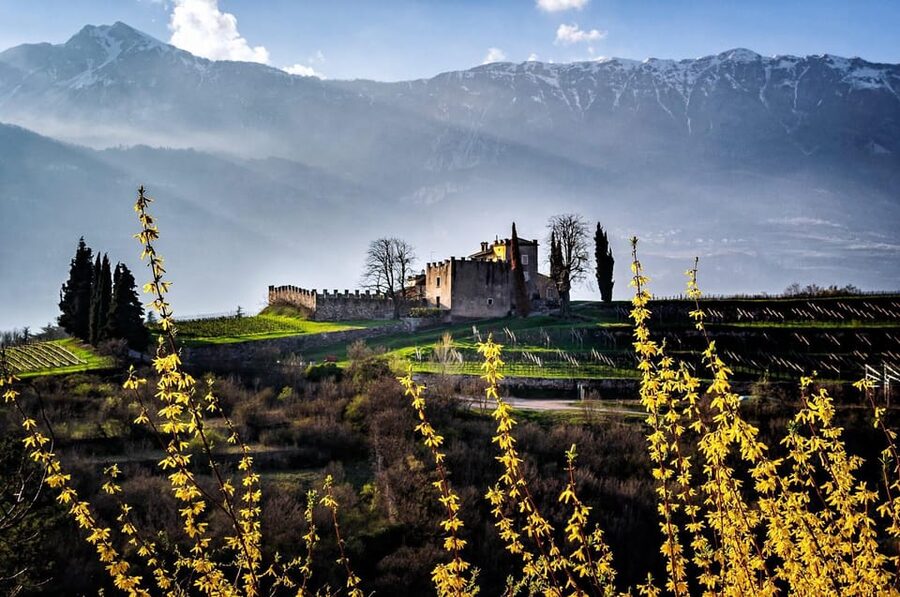
The castle portion isn’t just a photo op. You’ll tour the castle and hear how it ties to the winery’s history and identity. That matters because it changes the tone of the rest of the tour. Instead of treating the wine as something anonymous and modern, you start to see it as a family business rooted in a specific place.
You’ll also get the sense that Balter’s story is ongoing, not museum-only. One of the most consistently praised elements from the experience is the guide’s passion and pride for their family-run operation. In one tour, the guide Angelica explained the wine-making choices with that kind of confident energy, the sort that makes you lean in instead of tuning out.
A small consideration: if you’re not interested in heritage buildings and just want to taste immediately, the castle portion might feel slower than your ideal. The good news is you can book the tasting without the castle visit.
Tour Stops Through the Winery: Vines, Cellars, and Production
After the castle segment, you move into the working part of the winery. You’ll hear about the family-run business and how production happens, and you’ll also get to see key areas tied to the winemaking process.
One review highlights that the tour is run as a small group, including time on the vines, in cellars, and in production facilities. That’s a big deal for value: small groups usually mean fewer awkward “everyone just stare at the guide” moments and more chances to understand what you’re seeing.
This is also where you learn that Balter’s setup is not huge in scale compared to massive industrial wineries. One guide-to-wine-maker scale point that stands out is that the winery specializes in sparkling wines and works from about 10 hectares. For you, that often translates into a more personal explanation and a clearer sense of how decisions get made.
Disgorging and Natural Cultivation: The Real Wine-Making Lessons
Two parts of this tour earn the most attention: the disgorging process demonstration and the focus on natural cultivation methods.
You don’t just hear the words. The tour includes a live demonstration of the disgorging stage, and the guide explains it as part of the path from what happens outside in the vineyard to what reaches the bottle. Even if you don’t plan to become a wine nerd, seeing how sparkling wine gets finished is a great way to make your tasting more meaningful.
On the cultivation side, the tour also emphasizes natural methods. The point for you is simple: when a winery tells you they cultivate naturally, they’re implying a certain approach to growing and decisions around the vines. Learning that helps you taste with more context, not just by liking or disliking a style.
The Wine Tasting Lineup: What You’ll Be Drinking
At the end, you sit down for a tasting that includes a set of wines from Balter’s range. The lineup you should expect includes:
- Balter Brut Trento Doc
- Balter Nature Trento Doc
- Sauvignon
- Lagrein Merlot
- Barbanico
You’ll taste multiple varieties from that set, with an explanation for what to notice in each glass. This is where the guided part really pays off. When the guide ties your tasting notes back to production choices and cultivation, you stop treating the wines like random sips and start tasting for specific traits.
If you’re the type who wants to learn fast, this is a great format. Instead of a long wine seminar, you get a compact tasting where each pour comes with a reason. It’s also a good way to understand the difference between their sparkling Trento styles and the still wines, since the tasting mixes both.
What to do while you’re tasting
- Take a few seconds between wines to notice how your palate changes.
- Compare the sparkling bottles to the still reds and whites right in the same sitting.
- If you’re unsure what you like, let the guide know. The tour includes explanations, so you can steer the conversation toward your preferences.
Pairing Local Products: Optional, but Often the Most Fun Part
You have the option to add a pairing with local products. If you choose it, you’ll enjoy your wine tasting alongside food that matches the flavors in the glass.
In at least one experience, the pairing included a cheese and charcuterie board. That’s the kind of setup that works well with both sparkling and still wines because it gives you fat, salt, and savory flavors to contrast with acidity and structure.
Even if you’re not the biggest cheese person, the pairing option tends to make the tasting more complete. Wine is easier to understand when you’re also eating something, because it shows you how the wine behaves with food instead of only on its own.
If you have any food allergies, plan carefully. This activity isn’t listed as suitable for people with food allergies, so check ahead with the provider if that applies to you.
Price and Value: Is $65 Worth It?
At $65 per person for about 2 hours, this tour sits in a mid-range price bracket for winery experiences in the region. Here’s how I’d judge the value, practically.
You’re paying for:
- A guided visit through a 16th-century castle
- A winery tour with explanation of the vinification process
- A guided tasting of multiple wines, including specific bottles from their range
- A demonstration tied to the disgorging process
- The option to add local products (if selected when booking)
For the money to feel worth it, you should want both parts: the history and the winemaking education. If you only want a quick tasting, you might feel it’s more structured than you need.
But if you like learning and you also want a sit-down tasting, this is good value. Small-group tours (and even private tours when bookings are quiet) help the guide keep things personal rather than rushed.
Who This Tour Suits Best (and Who Should Skip It)
This experience fits best if you:
- Like wine but also want to understand what you’re tasting
- Enjoy tours that blend place + production, not just a tasting counter
- Prefer a more personal, family-run feel
- Want a structured 2-hour activity without spending the whole day at one stop
It may not be the best choice if you:
- Need wheelchair access (this isn’t suitable for wheelchair users)
- Are traveling with kids under 10 (not suitable)
- Have food allergies, given the noted unsuitability
- Prefer transportation to be included (transportation to/from the castle isn’t included)
If you’re a solo traveler, you may still get a tour experience that doesn’t feel awkwardly rushed. One account notes that even when the group was just one person, the tour still ran, which is a reassuring sign for people visiting on less common days.
Practical Tips Before You Go
- Wear comfortable shoes. A castle visit usually means uneven or hard surfaces.
- Bring water, especially if you’re visiting on a warm day in the hills.
- Have your camera ready, because the winery setting and castle architecture are part of the experience, not just the wine.
- If you’re sensitive to schedules, note that the meeting point may vary depending on what you book, so confirm details when you reserve.
Also think about your tasting goals. If you want the most learning per minute, stick with the full tour that includes the castle. If you’re mostly after the wines, choose the option that skips the castle visit.
Should You Book This Balter Winery Guided Tour in Trento?
Yes, I’d book it if you want a winery visit that teaches you as you taste. The combination of a castle history segment, an explanation-heavy tour through the production side, and a guided tasting of their signature wines makes it feel like more than a standard sampling.
If your main goal is just to drink and move on, consider the tasting-only option so you don’t pay for time you won’t use. And if you need wheelchair access or have food allergies, it’s better to look for a different format that clearly fits your needs.
For most people who enjoy learning while they travel, this is a solid choice: you leave understanding what you drank, not just remembering that you liked it.
FAQ
How long is the Balter Winery guided tour with wine tasting?
It lasts about 2 hours. Starting times depend on availability.
What wines are included in the tasting?
The tasting includes Balter Brut Trento Doc, Balter Nature Trento Doc, Sauvignon, Lagrein Merlot, and Barbanico.
Is a castle visit included?
A guided castle tour is included with the standard tour. There is also an option to book the wine tasting without the castle visit.
Can you add food to the wine tasting?
Yes. You can select an option to accompany the wines with local products.
What languages are the tour guide and explanation offered in?
The live tour guide offers English and Italian.
Is transportation provided to and from the castle?
No. Transportation to/from the castle is not included.
Who is this tour not suitable for?
It’s not suitable for children under 10, wheelchair users, or people with food allergies.