REVIEW · SAN MARTIN DEL CASTANAR
Unique experience in XVI winery with tasting near Salamanca
Book on GetYourGuide →Operated by La bodega medieval · Bookable on GetYourGuide
Wine with a mystery map beats ordinary tastings. This small-group stop pairs a smartphone game in a medieval village with a guided walk into an underground 16th-century winery near Salamanca.
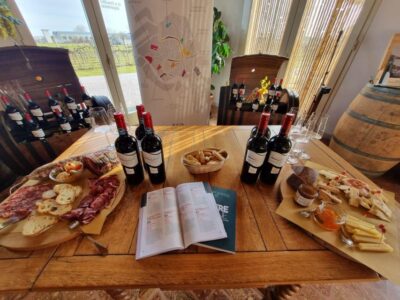
What I like most is the story-first approach: you’re not just tasting wine, you’re learning how the locals used the Rufete grape from the Middle Ages to today. I also really enjoy the food pairing, with simple local items like Iberian cold cuts or semi-cured goat cheese, plus bread and seasonal olives.
One thing to consider: you’ll need your smartphone for the self-guided clues, and the cellar runs cool since it’s carved underground. If you hate puzzles, it may feel like extra work for a 45-minute visit.
In This Review
- Key highlights worth your time
- Medieval clues in San Martín del Castañar
- From village streets down to a 16th-century underground winery
- The Rufete grape lesson: tools, techniques, and local pride
- The final reveal and why it works
- Tasting two Sierra de Salamanca Rufete wines with real village tapas
- Price and timing: is $17 really good value?
- Who this works best for
- Practical tips before you go
- Should you book La Bodega Medieval near Salamanca?
- FAQ
- Where is this medieval winery experience located?
- How long does the experience take?
- What do you taste during the wine tasting?
- What food is included with the tasting?
- Do I need a smartphone?
- What languages is the live guide available in?
- Can I cancel for a full refund?
Key highlights worth your time
- A smartphone game in San Martín del Castañar that sets the tone before you even reach the cellar
- Clues tied to the year 1834, which guide you toward a final reveal
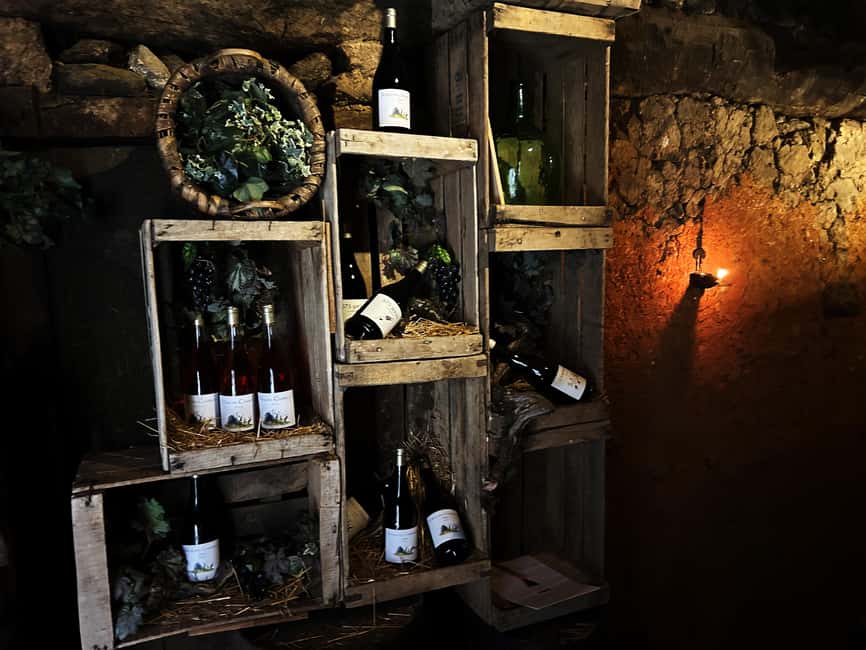
- A restored 16th-century winery carved into the mountain by local families
- A guided Rufete lesson with traditional tools and winemaking methods
- Two Rufete PDO Sierra de Salamanca wines plus tapas like Iberian cold cuts or goat cheese
- A centuries-old secret reveal at the end, after you’ve solved the earlier puzzles
Medieval clues in San Martín del Castañar
This experience starts where most winery visits don’t: in the streets. In San Martín del Castañar, you play a self-guided tourist game on your smartphone while you wander past medieval walls, corners, and village details.
The game is built around a mystery date—1834—and the puzzles nudge you toward the real theme of the visit: how wine life worked here, not as a museum story, but as part of everyday survival. Expect clues and questions that connect village life, historic winemaking, and the idea that something important was protected for a long time.
Practical tip: go slow and follow the instructions on your screen. If you rush, you’ll miss the fun bits—the little “wait, that’s what they mean” moments that make the final reveal land harder.
Also, do yourself a favor and keep your phone charged. The tour explicitly needs smartphone participation, and you’ll want the game to run smoothly while you’re walking outdoors.
From village streets down to a 16th-century underground winery
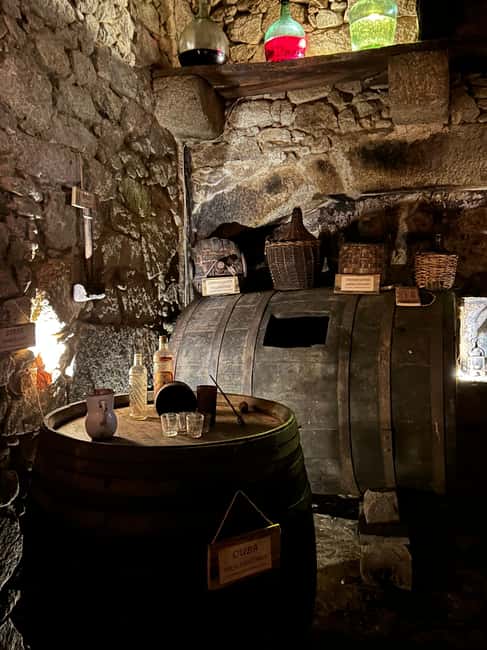
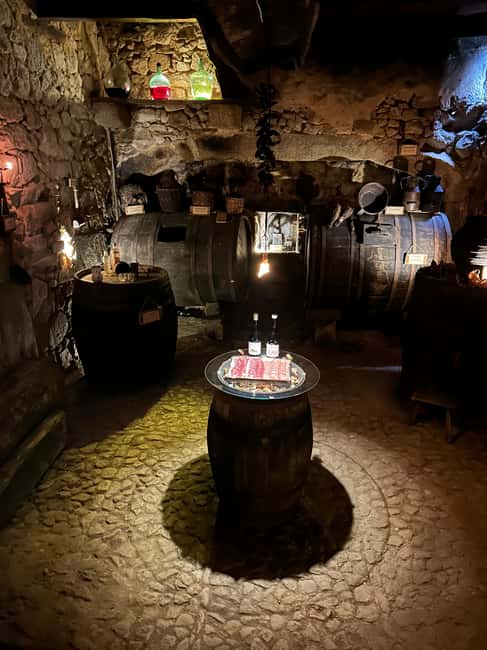
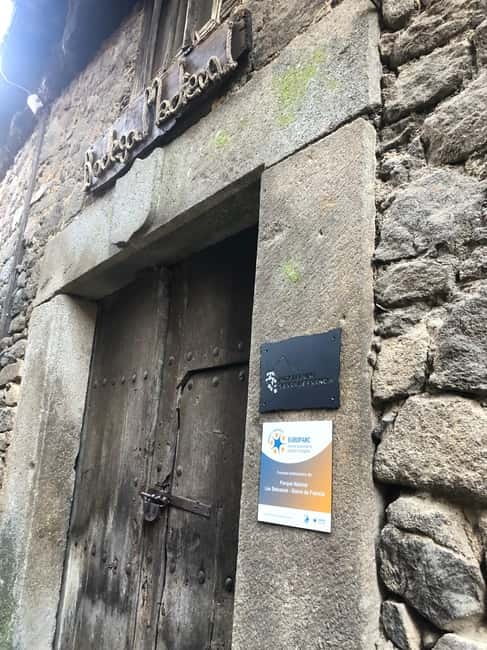
Once you’ve cracked the earlier clues, the path moves underground. The winery here—called La Bodega Medieval—is a restored space from the 16th century, carved into the mountain by villagers’ ancestors. That matters more than you might think, because the setting shapes the whole tasting.
Underground you get cool temperatures and thick stonework, plus a quieter, slower pace than you get above ground. Your guide uses this shift in atmosphere to connect the dots between the game’s story and the real physical place where wine was made and stored.
What I especially like is that the tour doesn’t act like underground rooms are just dramatic photo backdrops. You’re guided through how the space influenced fermentation and storage—how rural communities shaped the winemaking culture here, using traditional methods and local know-how.
If you’re traveling in warm weather, you’ll feel the temperature change right away. Bring a light layer if you run cold.
The Rufete grape lesson: tools, techniques, and local pride
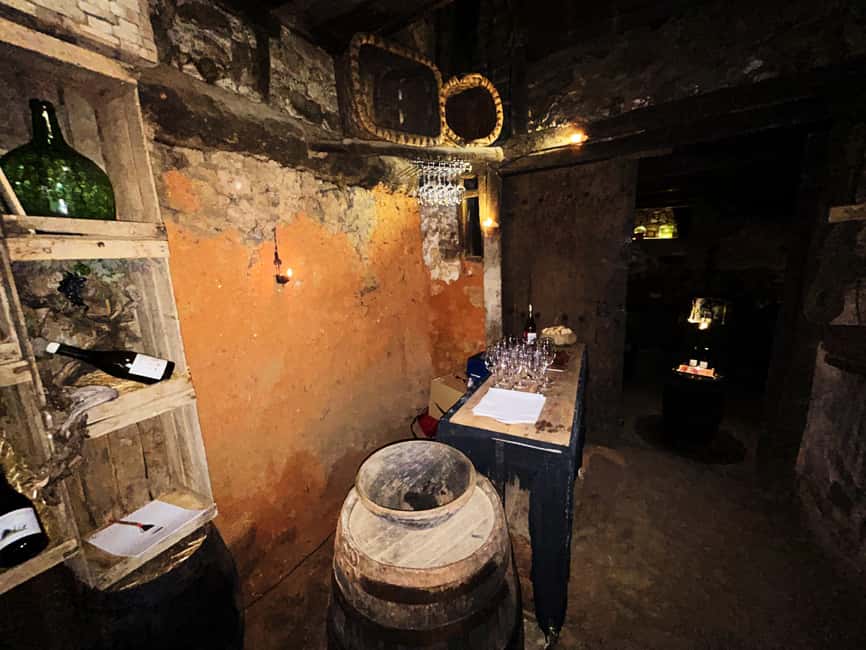
The guided portion is where your understanding clicks into place. You’ll hear about Rufete, described as a native variety and local treasure, and how its story connects from the Middle Ages to today.
Your guide talks through the evolution of the grape and why it matters to this region, then moves into more hands-on details like:
- Traditional winemaking tools
- Historic fermentation techniques
- How village life supported wine production over generations
This is the part that makes the experience feel more grounded than a typical “press the button, taste the wine, leave” stop. You come out knowing what you’re tasting and why this grape is still worth caring about.
One detail I’d underline: you’re not just listening to generalities. The tour’s pacing is designed so each section points back to what you learned above ground—especially the mystery you were chasing in the village. That’s why the finale feels earned.
If your session is led by Alex (a guide name that shows up in past experiences), you’ll likely get a very clear, story-driven explanation while you’re tasting. The energy tends to be friendly and practical, not lecture-heavy.
The final reveal and why it works
A lot of tours toss in a “surprise ending.” This one builds to it. The clues you solve in town are tied to the year 1834, and the guide keeps that thread moving until you reach the main cellar.
In the final room, the secret hinted at during the game is revealed. I won’t spoil the specifics here, because the structure is the point: you feel like you earned the ending.
To get the most from the finale, don’t treat the game like a checklist. If you keep a bit of curiosity while you walk, the reveal lands as a real payoff instead of a random twist.
Tasting two Sierra de Salamanca Rufete wines with real village tapas
After the underground walk and the Rufete story, you reach the part most people remember: the tasting. You’ll sample two high-quality Rufete wines with the Protected Designation of Origin Sierra de Salamanca.
This matters for value. Two wines in a 45-minute format is a sweet spot—enough variety to notice differences, but not so long that the session drags. And because you’ve just learned what Rufete represents locally, you can taste with context instead of just chasing notes like citrus or oak.
You’ll also get local tapas that keep things simple and region-flavored:
- Iberian acorn-fed cold cuts, or alternatively semi-cured goat cheese
- Village bread
- Seasonal olives
Think of the food as palate-friendly and practical, not fancy theater. The point is balance: salty and savory bites that work with wine, plus staples that fit how wine nights actually happen in small towns.
Another nice touch: there’s also an opportunity to purchase wines and local products from small producers. If you like what you taste, you can bring home something tied to the place rather than a generic label.
Price and timing: is $17 really good value?
At about $17 per person, the price feels fair for what you’re getting. In one short session, you get:
- A guided visit in a restored underground winery
- A pre-walk smartphone game in a medieval village
- A guided explanation of a native grape and historic winemaking methods
- Two wine tastings plus tapas
Many wine stops charge more for only the cellar tour plus a single pour. Here, you’re paying for a stronger structure: learning above ground, history underground, then a guided tasting finish.
Duration is around 45 minutes, so it’s easy to fit into a day trip around Salamanca or an itinerary built around the countryside. It’s also a good option if you want something more meaningful than a standard tasting but still prefer not to spend half your afternoon in transit.
One timing consideration: because the game is part of the experience, you’ll want to arrive a little ready to walk and focus. If you’re rushing between stops, you’ll feel it.
Who this works best for
This is a great match if you like any of the following:
- You want wine with a story, not just wine with facts
- You enjoy light puzzle-solving on your phone
- You like regional food pairings that don’t require a reservation at a fancy restaurant
- You’re traveling as a couple, family, or solo and want an activity that doesn’t feel like a chore
It’s also a strong fit for history lovers, because the setting is real: a winery carved into the mountain and a village experience that treats the past as something you can walk through.
If you’re mainly chasing beaches, big cities, or high-gloss luxury tours, this might feel too small and low-key. But if you like countryside rhythms and local craft, you’re in the right place.
Practical tips before you go
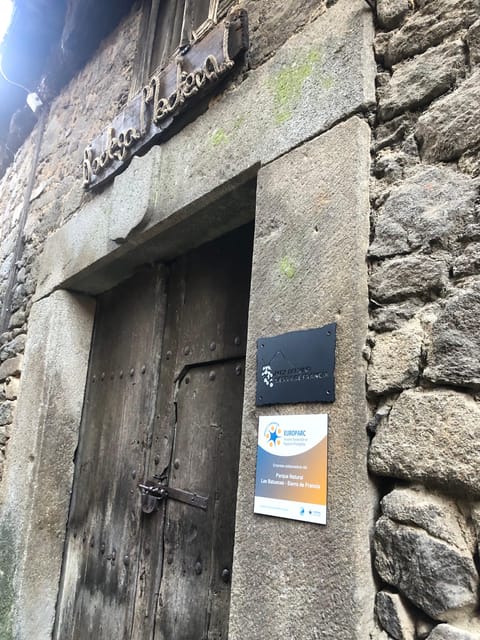
Here’s how to set yourself up for a smooth, enjoyable visit:
- Bring your camera (it’s specifically suggested). The stone cellar and village streets give you different photo vibes.
- Charge your phone and make sure your game is ready before you start walking.
- Wear comfortable shoes, since you’ll be moving through a medieval village and then heading underground.
- Plan for cooler cellar temperatures. Even in warm weather, underground spaces tend to stay chilly.
- Go in with curiosity about Rufete and the village story. The tour works best when you’re playing along with the mystery.
If you’re traveling with kids, the structure can help because it breaks the visit into a game phase plus a guided phase. Just make sure they’re comfortable with walking.
Should you book La Bodega Medieval near Salamanca?
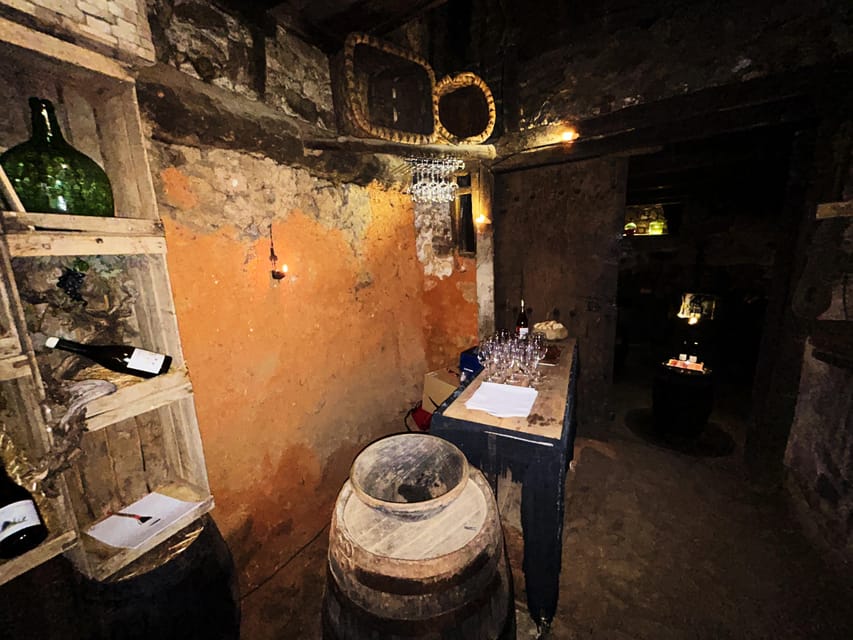
If you want a winery visit that’s more than a sip-and-sit stop, I’d book it. You get a compact 45-minute experience that combines a medieval village smartphone game, a guided underground tour, and a structured tasting of two Rufete wines with local tapas.
I’d skip it only if puzzles feel like a waste of time for you, or if you don’t want to use a smartphone during the experience. Otherwise, this is the kind of place where you leave with a clearer sense of the region—not just a receipt from a tasting room.
FAQ
Where is this medieval winery experience located?
It takes place in and around San Martín del Castañar, in the Batuecas–Sierra de Francia Natural Park area near Salamanca.
How long does the experience take?
The total experience runs about 45 minutes.
What do you taste during the wine tasting?
You’ll taste two Rufete wines with the Protected Designation of Origin Sierra de Salamanca.
What food is included with the tasting?
The tapas are Iberian cold cuts or artisanal semi-cured goat cheese, served with village bread and seasonal olives.
Do I need a smartphone?
Yes. The interactive part starts with a self-guided tourist game in the medieval village, and it requires a smartphone.
What languages is the live guide available in?
The live guide is offered in English, French, Galician, and Spanish.
Can I cancel for a full refund?
Yes. You can cancel up to 24 hours in advance for a full refund.