REVIEW · CHIANCIANO
Val D’Orcia: Boutique Winery Tour and Wine Tasting
Book on GetYourGuide →Operated by POGGIO DEL MORO · Bookable on GetYourGuide
Ninety minutes, real Tuscan craft. At Poggio del Moro in Val d’Orcia, you walk through vineyards and an olive press, then sit down for wine tasting tied directly to how the estate makes its organic and natural products. You’ll leave with a clearer sense of how the countryside ends up in a glass.
I love the hands-on feel here: you’re not just tasting, you’re seeing the estate workings, from vines to cellar. I also like that the owner, Tatiana, or the enologist helps explain the choices behind their natural style, so the talk stays practical instead of fluffy. One thing to consider: the whole experience is short (1.5 hours), so if you want a long, slow sit-down or deep technical seminars, you’ll likely want extra time after the tasting.
You’ll taste the estate’s classic lineup—three Poggio del Moro wines listed for the tasting—paired with Tuscan appetizers and bruschetta made with Poggio del Moro Extra Virgin Olive Oil. And if you end up loving what’s in your glass, the shop on site gives you a simple way to take it home.
In This Review
- Key highlights worth your time
- Why Val d’Orcia and Poggio del Moro fit boutique wine lovers
- The 90-minute flow: vineyards, olive press, winery, barriques
- Organic and natural wine talk—without the jargon
- The tasting lineup: Chianti Nu, Rosso Toscana, and Rasea
- Bruschetta and Poggio del Moro olive oil pairing
- The tasting room and shop: take home what you actually liked
- Price and value: what $65 buys in 1.5 hours
- Who should book this boutique winery tasting
- Quick practical tips before you go
- Should you book the Val d’Orcia boutique wine tasting?
- FAQ
- How long is the Poggio del Moro wine tasting in Val d’Orcia?
- How many wines do you taste, and what are they?
- What food is included?
- What’s included in the guided tour?
- What languages are available for the host or greeter?
- What should I bring?
- Is the experience wheelchair accessible?
Key highlights worth your time
- Vineyard-to-cellar tour that links growing, pressing, and aging to what you drink
- Tatiana or the enologist guiding the visit with clear, estate-level explanations
- Organic and natural focus with talk about farming without pesticides and fewer unnecessary interventions
- Poggio del Moro olive press stop, so you understand the olive side too
- Bruschetta with estate olive oil that makes the tasting feel like food-first Tuscany
- Classic Chianti tasting lineup including Chianti Nu, Chianti Superiore, and Rasea
Why Val d’Orcia and Poggio del Moro fit boutique wine lovers
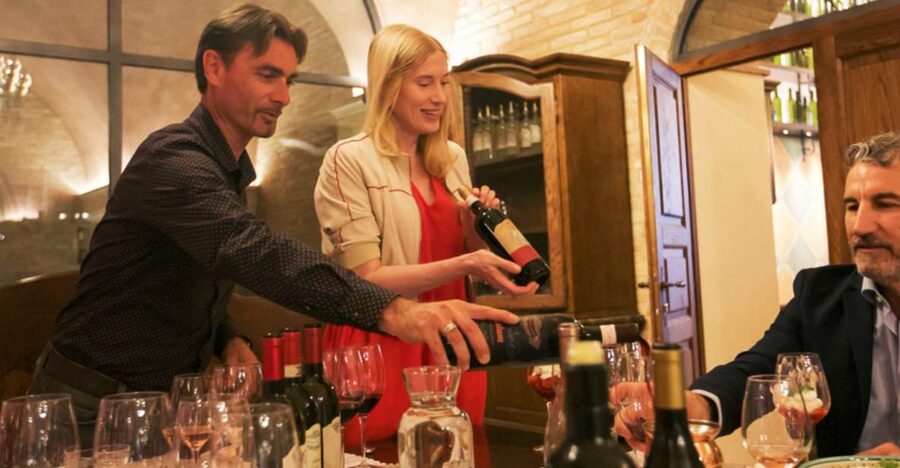
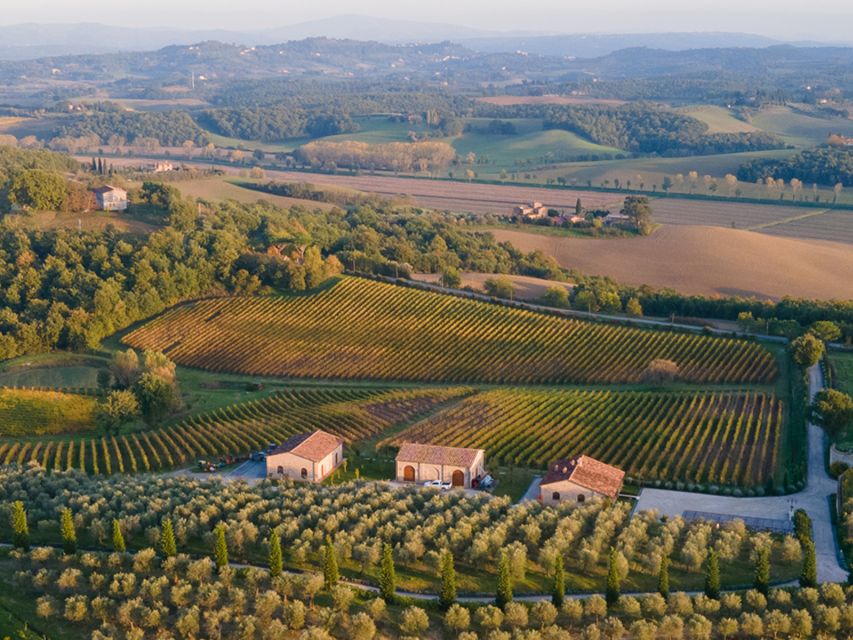
Val d’Orcia is the kind of Tuscany people dream about: rolling countryside, farmland that still looks like farmland, and small producers who work close to the land. This tour works well if you want more than a generic tasting room script. You’re at a boutique winery producing organic and natural wines, and the visit is built around how the estate actually runs.
Poggio del Moro also hits a sweet spot for value. For a set price and a short time window, you get both a guided walk through the production process and a tasting with food. That matters, because a wine tasting with no context is just sipping. Here, the context is the main point.
The 90-minute flow: vineyards, olive press, winery, barriques
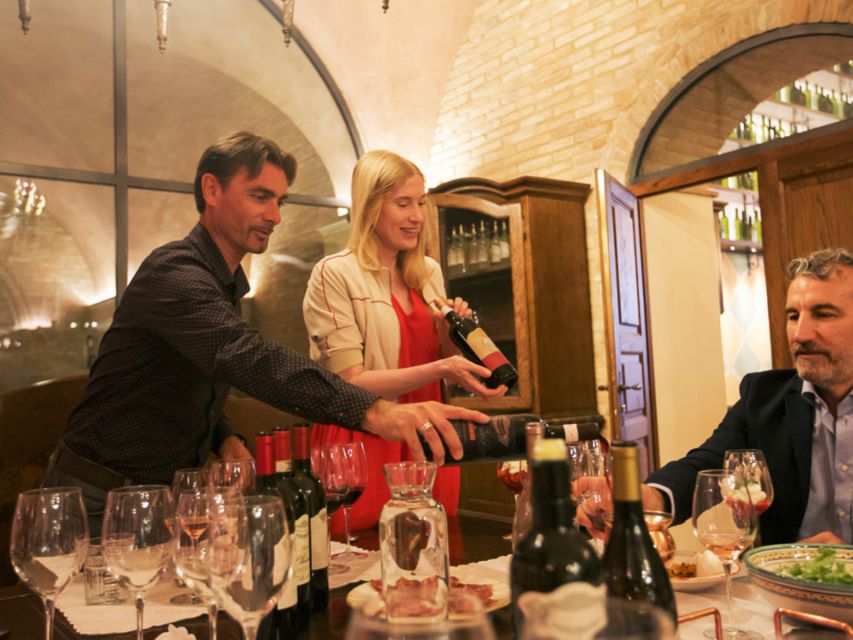
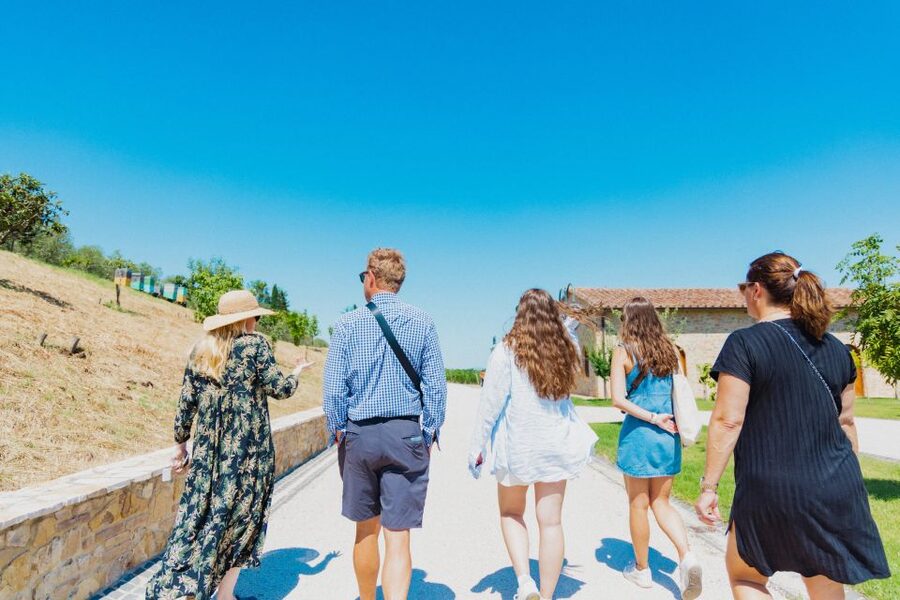
The heart of this experience is the guided tour of the Poggio del Moro estate. You move through several stages of production, which keeps the time from feeling repetitive.
First comes the vineyards. Even if you’re not a wine nerd, it helps to see where the grapes come from and how the estate frames its organic approach. You’ll get estate-specific explanations while you’re standing where the decisions start.
Next is a visit to the olive press. This is a big deal for two reasons. One, it connects the estate to the olive oil used later in your bruschetta. Two, it widens your understanding of how Tuscan producers often think in terms of whole farm outputs, not single products.
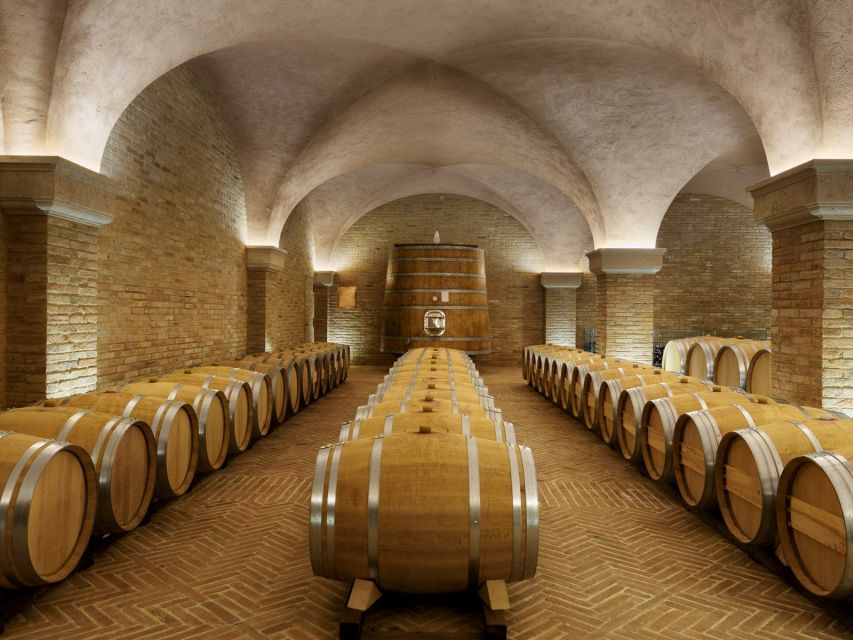
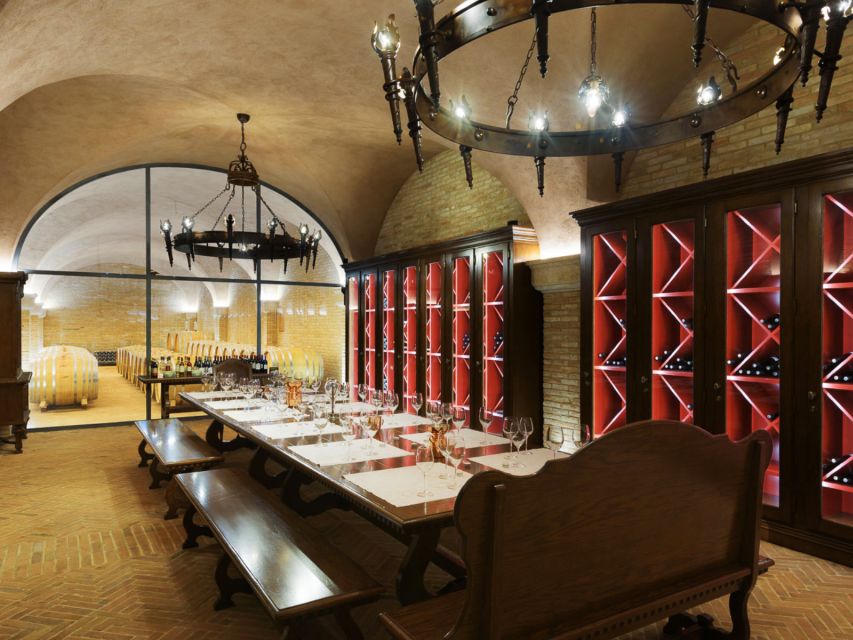
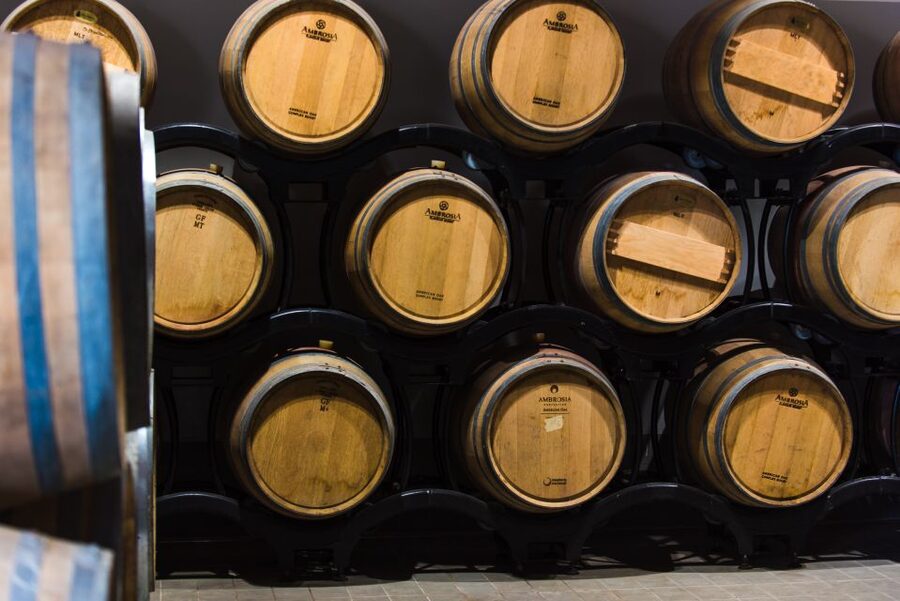
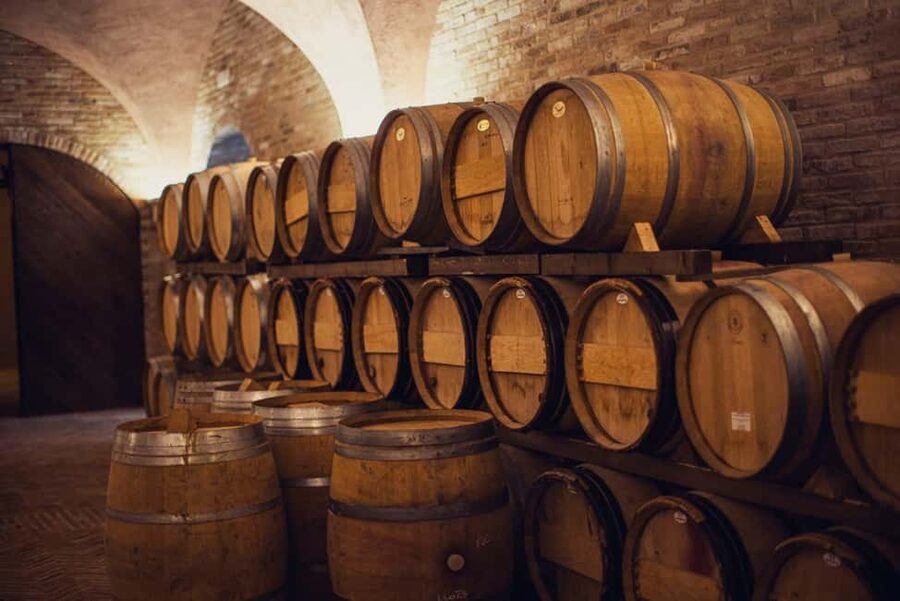
After that you’ll see the winery and then the barrique cellar. Barriques are tied to aging style, and seeing that space adds meaning to the tasting. It also helps you taste more intentionally—looking for how fermentation and aging choices show up in the glass instead of just chasing flavors.
By the time you reach the tasting room, you’re primed. That’s why this tour format feels efficient: the tour builds the tasting.
Organic and natural wine talk—without the jargon
Natural wine and organic wine can sound like buzzwords until someone explains what changes in everyday decisions. Here, you learn that Poggio del Moro keeps its production free from pesticides and avoids unnecessary production interventions.
What I like about this approach is that it’s not presented like a purity contest. It’s explained as a workflow. You’re shown where decisions get made—starting with the vineyards and continuing through the winery process—so you can taste with context.
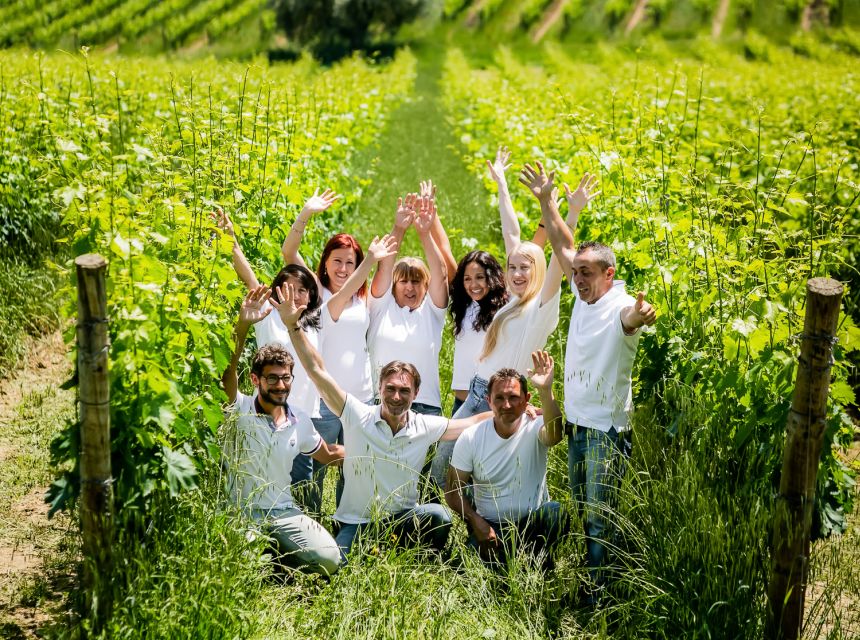
You’ll also hear the estate’s ideas about farming and production from either Tatiana (the owner) or an enologist. That language swap matters. Some people want scientific detail; others want a human story. Either way, the point stays the same: you leave understanding the why behind what you’re tasting.
One practical note: if you’re sensitive to strong opinions about wine styles, keep an open mind. “Natural” doesn’t automatically mean better. The goal is to hear how this estate defines its methods, then decide if their style matches your taste.
The tasting lineup: Chianti Nu, Rosso Toscana, and Rasea
The tasting includes three classic Poggio del Moro wines. You’ll encounter a blend of familiar Tuscan structure and estate personality.
Here’s what’s listed for the tasting:
- DOCG Chianti Nu
- IGT Rosso Toscana
- DOCG Chianti Superiore-IGT Rosso Toscana “Rasea”
That combination is useful for you because it gives a broader sense of how Poggio del Moro handles different labels and expressions. Chianti styles often share DNA—think acidity, food-friendly structure, and that Tuscan balance—but they can differ in how they’re aged and how they present fruit and spice.
Also, pay attention to how the tour context changes your tasting. After walking the vineyards and seeing the cellar, you’ll likely notice details you’d miss in a blind tasting: the way acidity feels when you’re thinking about farming choices, or how the aged character feels when you’ve just seen the barriques.
One small caution: some descriptions mention tasting four wines, but the detailed list and included info clearly spell out three wines. When you reserve, confirm the exact number of pours so there’s no surprise.
Bruschetta and Poggio del Moro olive oil pairing
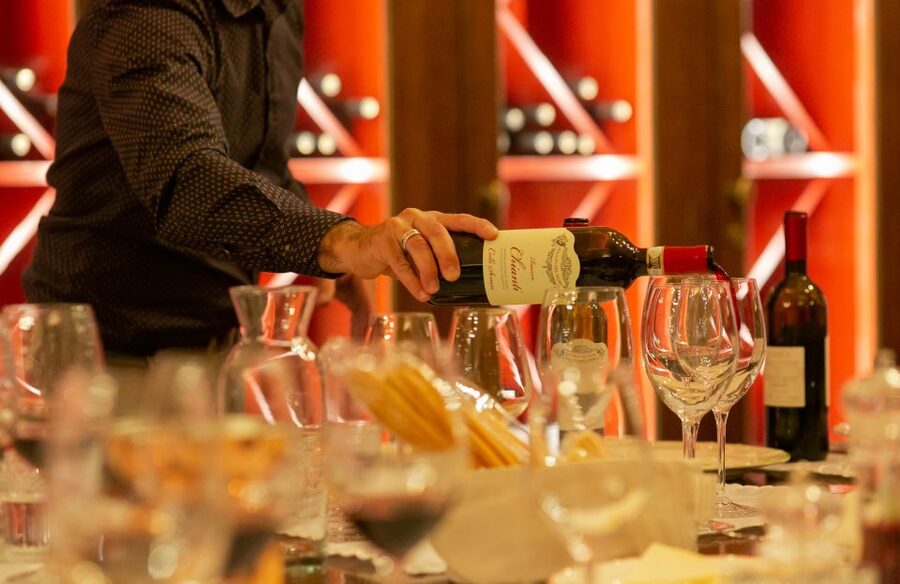
Food is part of the point here. Your wine tasting is accompanied by Tuscan appetizers and bruschetta made with Poggio del Moro Extra Virgin Olive Oil. That turns the experience into a proper Tuscan snack moment, not just a beverage stop.
Why it works: olive oil brings its own texture—fruitiness, bitterness, and a peppery edge—and it can either amplify or steady the character of wine. With Chianti and Rosso Toscana, that pairing often makes sense because the food adds savory rhythm while the wine brings acidity and structure.
The bruschetta also helps you evaluate the wines in a more realistic way. A wine tasting room can make everything taste a bit abstract. Add bread and olive oil, and you get a clearer sense of which wine you’d actually want with dinner.
The tasting room and shop: take home what you actually liked
After the tour and tasting, you have the chance to visit the Poggio del Moro shop, where you can buy the estate products—wine and Extra Virgin Olive Oil.
This is worth planning for if you’re a “buy one bottle, not ten” type. A tasting like this tends to make people more confident about purchases because you’ve seen the production process behind it. You’re not guessing where the wine comes from.
If you’re traveling light, you might want to check whether you can pack bottles safely in your luggage. The tour itself doesn’t specify shipping or packaging options, so keep your own baggage reality in mind when deciding how many bottles to bring home.
Price and value: what $65 buys in 1.5 hours
At $65 per person for about 1.5 hours, this tour is priced like a boutique experience that includes both production access and guided tasting time.
Here’s the value logic:
- You get a guided tour covering multiple parts of production: vineyards, olive press, winery, and barrique cellar.
- You get a tasting with food, not just wine pours.
- You leave with a better sense of how organic and natural choices affect style, because the explanation happens while you’re in the relevant spaces.
If you’re comparing this to a basic tasting-only stop, the added value is the production walkthrough. If you compare it to longer full-day tastings, the value is the focus. You’re paying for a compact experience that still covers real steps in the process.
Is it the cheapest option in Tuscany? Probably not. But for the mix of context + tasting + olive oil food pairing, it’s solid value for a short visit.
Who should book this boutique winery tasting
This tour is a great match if you:
- want Val d’Orcia wine that’s tied to organic farming and natural-style production
- like guided winery visits where you see the olive press and cellar
- enjoy learning from the owner or enologist instead of only hearing marketing talk
- want a tasting that includes food pairing with bruschetta and estate olive oil
It’s also a good option if you’re on a structured itinerary and need a clear time block. Ninety minutes is enough to feel like you did something meaningful, without eating your whole day.
On the other hand, if you’re the kind of person who likes hours of seated tasting with heavy lecture time, you may want something longer.
Quick practical tips before you go
- Wear comfortable shoes. You’ll be walking around the estate areas.
- Wear layers if weather shifts. Tuscany can change fast through the day.
- If you care about a specific wine style, ask Tatiana or the enologist a focused question during the tour. The best moments happen when you connect what you saw to what you tasted.
Should you book the Val d’Orcia boutique wine tasting?
I’d book this if you want a boutique, estate-based tasting with real production context and a food pairing built around Poggio del Moro’s olive oil. The vineyards-to-olive-press-to-cellar structure makes the tasting feel grounded, not generic, and the presence of Tatiana or the enologist keeps the explanation practical.
Skip it only if a very short format doesn’t fit your style, or if you’re looking strictly for a big, multi-stop “see everything” day. For a focused Val d’Orcia experience where wine and olive oil are treated as part of the same farm story, this is a strong pick.
FAQ
How long is the Poggio del Moro wine tasting in Val d’Orcia?
The experience lasts 1.5 hours.
How many wines do you taste, and what are they?
You’ll taste three Poggio del Moro wines: DOCG Chianti Nu, IGT Rosso Toscana, and DOCG Chianti Superiore–IGT Rosso Toscana Rasea.
What food is included?
The wine experience includes Tuscan appetizers and bruschetta made with Poggio del Moro Extra Virgin Olive Oil.
What’s included in the guided tour?
The guided tour covers vineyards, the olive press, the winery, and the barrique cellar.
What languages are available for the host or greeter?
The host or greeter speaks Italian, Russian, and English.
What should I bring?
Bring comfortable shoes.
Is the experience wheelchair accessible?
Yes, it is wheelchair accessible.