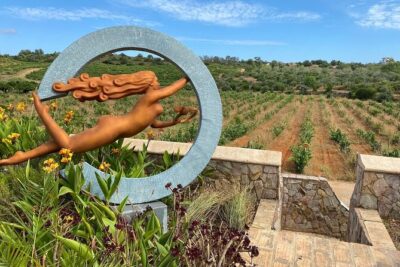
REVIEW · VALENSOLE
Valensole : Visit of a winery and lavender farm
Book on GetYourGuide →Operated by ZEN ROAD VOYAGES EN IMMERSION · Bookable on GetYourGuide
One farm can teach your nose, your palate, and your camera skills at once. This Valensole outing pairs a guided walk through lavender and surrounding crops with a behind-the-scenes look at how scents turn into essential oil. I especially like the hands-on way you learn to spot aromatic and wild plants, and I like the tasting lineup that goes past just a sip of wine. The main drawback is simple: it’s an outdoor walk with sun, uneven ground, and no included drinks, so you’ll want sturdy shoes and a plan for hydration.
You get a 150-minute format that feels like a real estate visit, not a rushed photo stop. You’ll also get clear, practical guidance in several languages, and in the better moments you’re standing close enough to smell what’s being explained. If you’re not into walking or strong fragrances, you might find the scent-focused parts a bit intense, but the guide keeps it educational, not overwhelming.
In This Review
- Key points before you go
- Entering the Valensole estate: old stone, right-size walk, real working farm
- Lavender fields meet olives, almonds, and vines
- Learning aromatic plants the practical way: smell, spot, and remember
- The essential oil distillation lesson: how scent becomes product
- The estate’s organic and sustainable farming story, with a surprise farmer stop
- Vineyards (since 2024) and the optional €5 wine tasting
- What’s included in your 150 minutes: tastings you can actually connect to the plants
- Price and value: why $38 feels fair for what you get
- Who should book this Valensole visit, and who might skip it
- Final call: should you book?
- FAQ
- What does the tour include?
- Is wine tasting included?
- How long is the experience?
- What languages are available for the guide?
- What should I bring with me?
- Is there a chance the tour gets canceled due to weather?
- What happens if I cancel?
- Where do I meet the group?
- What products are offered in the tasting?
- Do I need insurance?
- Should you book this Valensole winery and lavender farm visit?
Key points before you go
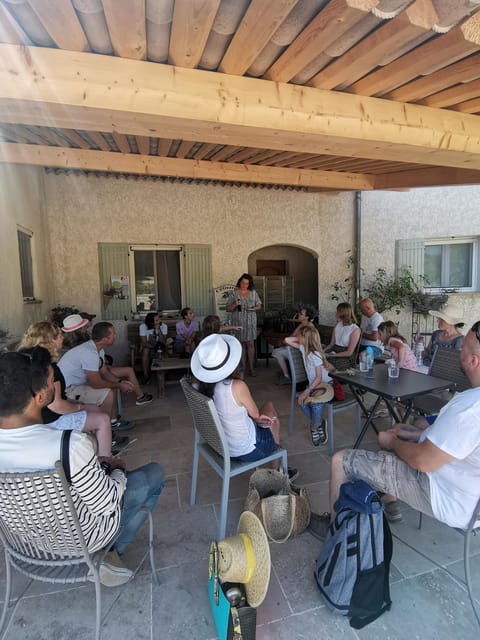
- Aromatics training for your own eyes and nose: learn to recognize wild and cultivated plants you can’t un-smell once you know what to look for.
- Essential-oil distillation explained in plain steps: you’ll understand what happens after lavender is cut.
- A real working estate: organic and sustainable farming, plus a surprise stop with the farmer-agronomist.
- Farm tastings included: lavender syrup, raw almonds, almond paste, essential oil, and different olive oils.
- Vineyard access starts in 2024: plus the option for a short wine tasting for €5.
- Bring sun protection and good footwear: loose clothes and hiking shoes make the walk much more enjoyable.
Entering the Valensole estate: old stone, right-size walk, real working farm
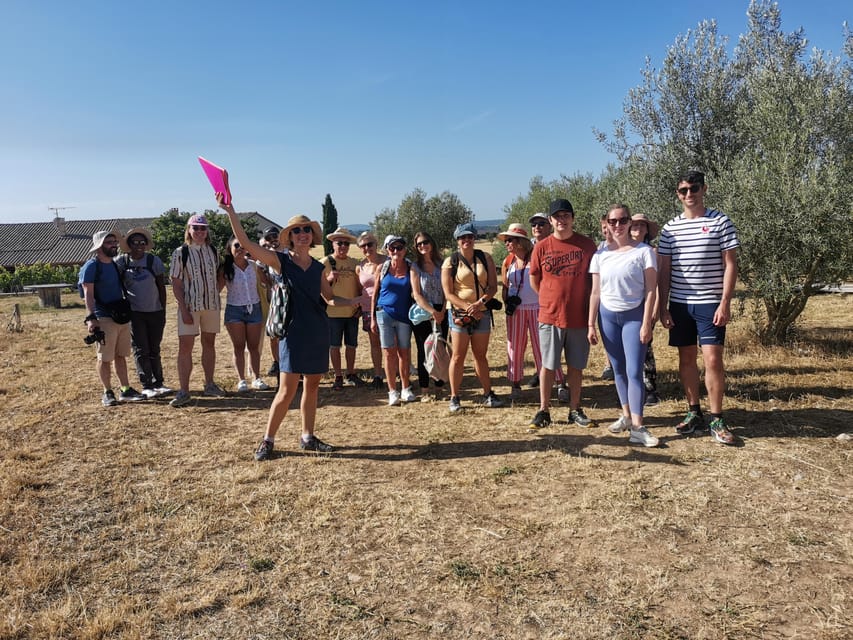
Your visit starts at a farm with a lavender-colored sign and an old-stone estate feel. Once you drive into the alleyway, you can park directly on the field in front of the house, which helps if you’re doing this as a day trip. The setting matters because this isn’t a showroom. You’re moving through an active property where agriculture is the point, not an added decoration for tourists.
The first stretch sets the tone: you’ll notice how the colors of the region show up in the details. Dry earth tones sit under open sky, while nearby plantings and rows give structure to what you see. That matters because the guide doesn’t just point at “pretty lavender.” You’re learning why these crops sit where they do, how they grow, and how they’re managed under organic and sustainable practices.
If you’re the kind of traveler who likes to connect views to the reason behind them, you’ll click with this. If you want only relaxed, stroller-easy strolling, you might find that some parts are off-road and can include woods.
Lavender fields meet olives, almonds, and vines
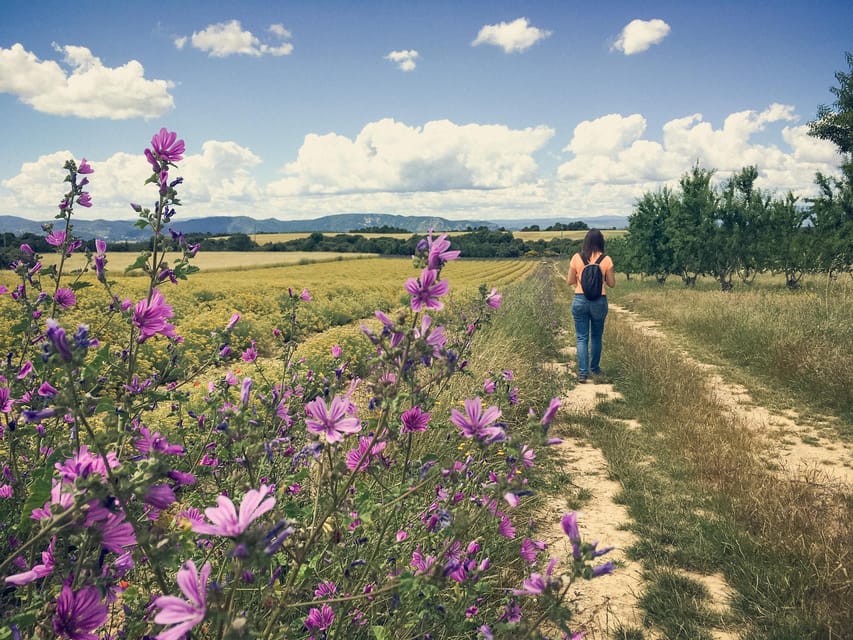
The walk is built like a tour of the estate’s ecosystem. You’ll move through areas planted with lavender and also see fruit trees and other crops like olives and almond trees, plus vineyards. The contrast of plant types is useful: the guide can explain how different plants behave, what they need, and how the estate organizes its agriculture around that reality.
One thing I like about this approach is that it turns a region into a system. You’re not only asking what something looks like; you’re learning how it functions. When you hop from olive trees to almonds to lavender, you start to understand why the estate isn’t just about one product.
And because the visit includes a vineyard stop, you also get to connect the agricultural side with the winemaking side. Starting in 2024, there’s an exclusive opportunity to visit their vineyards and taste the award-winning wine. Even if you skip the paid wine tasting, the vineyard visit helps you place the estate in the wider Valensole wine story.
Learning aromatic plants the practical way: smell, spot, and remember
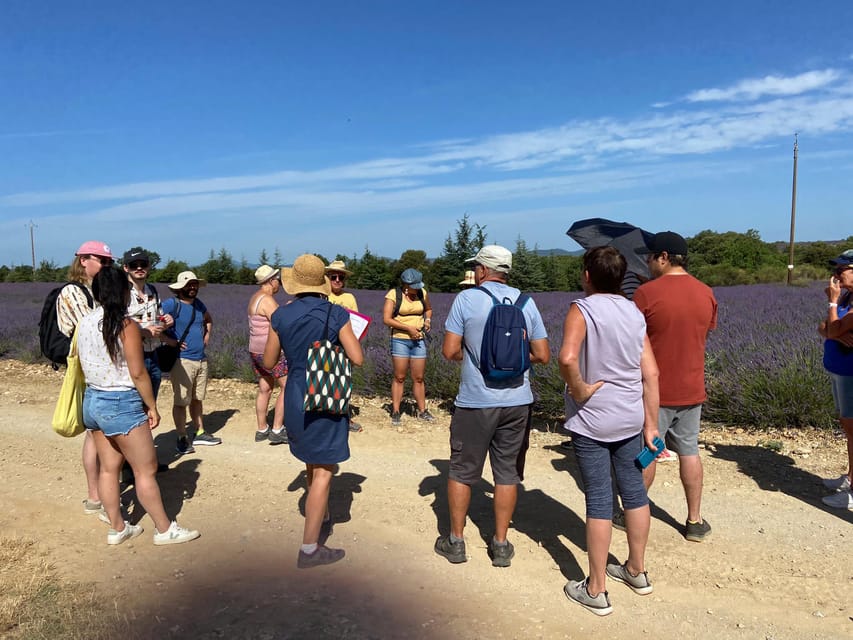
This is one of the strongest parts of the experience. You’ll learn how to identify aromatic plants and wild plants, then you’ll actually experience their fragrances. That combination is the difference between hearing facts and keeping knowledge. Once you’ve smelled a plant and then been told how to recognize it, your brain doesn’t treat it as a random scent anymore.
You can expect your guide to help you “read” the estate by sight first, then confirm with smell. It’s a sensory lesson, but it’s not vague. You’re building a short list in your head: what’s cultivated, what’s wild, and what kind of aroma you’re likely to find. That’s also why loose-fitting clothes help. You might brush past plants, and you’ll be glad you can do it comfortably.
If fragrances bother you, tell your guide early. You’ll still get the agricultural context, but you can choose where to pause and how long to stay close to the plants during the more scent-heavy moments.
The essential oil distillation lesson: how scent becomes product
After you’ve learned to recognize aromatics, the tour shifts into production. You’ll uncover the secrets behind the distillation of essential oils and learn how lavenders are transformed into the oils people use in everyday products.
This part is valuable because essential oil can feel like a magic ingredient if you only see it in small bottles. Here, you understand the steps after harvesting: the process turns plant material into concentrated scent. Even when you’re not going to run distillation yourself at home, understanding the basic idea helps you evaluate what you’re buying later in the shop.
The key benefit for you: you’ll be more confident when someone explains oil quality. You’ll know what you’re looking for conceptually—how plant matter becomes aroma. And because the tour is walking-and-talking, you don’t feel stuck watching a slideshow. You’re moving through the same farm where the products are made.
The estate’s organic and sustainable farming story, with a surprise farmer stop
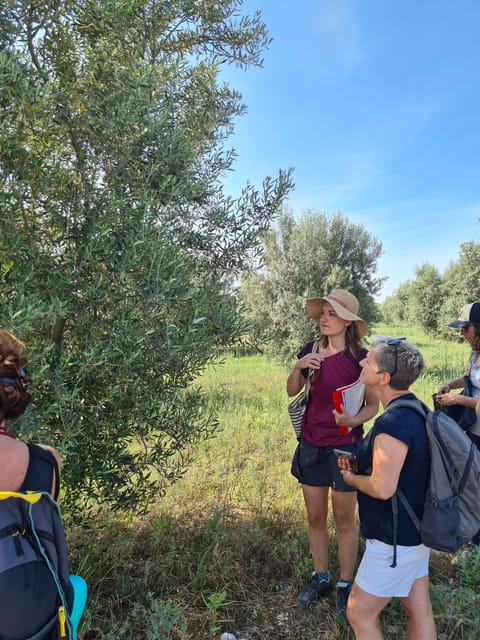
You’ll discover the history of the estate and how organic and sustainable agriculture works here. Instead of only hearing the “why,” you’ll also see the “how.” Your guide leads a walk and explains how the fruit trees grow, and you get a joined surprise visit by the farmer-agronomist in charge of the estate.
That surprise stop is worth your attention. Agronomists usually communicate with practical detail—things like growing decisions, how soil and planting relate, and why certain methods matter. Even if you’re not a plant nerd, you’ll appreciate that you’re hearing from someone responsible for outcomes, not just a promoter.
The emotional value is real too. When you meet the person managing the property, you’re less likely to see this as a one-off tourist attraction. You’ll see it as a working farm trying to do things the right way. That makes the tastings and the oil distillation lesson feel connected, not random add-ons.
Vineyards (since 2024) and the optional €5 wine tasting
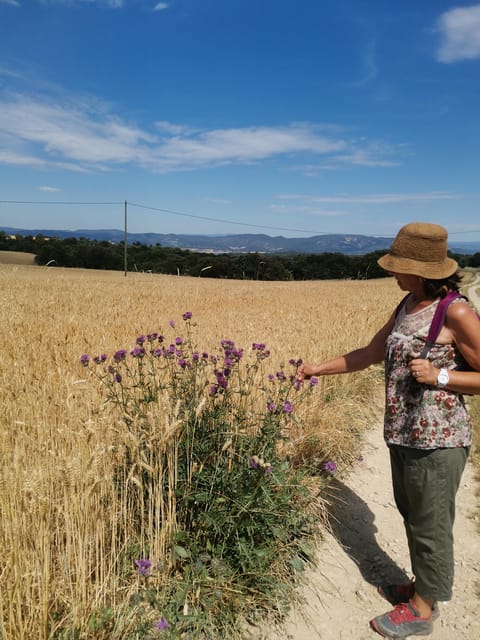
Starting in 2024, you get the exclusive chance to visit their vineyards and taste their award-winning wine. That’s a big deal in terms of value because many lavender-focused tours stop at scents and skip the wine-making connection.
There’s also an optional wine tasting for €5, payable by card or cash. If you enjoy wine and want the story to finish on the palate, this is the moment to add it. If you’re trying to keep costs predictable, you can still enjoy the vineyard visit and included farm products without the paid tasting.
From a traveler perspective, I’d think of the optional wine as the “finish the loop” choice: you learn about farming, aromatics, distillation, and then you taste the estate’s wine. That makes the whole visit feel like one coherent experience rather than separate stations.
What’s included in your 150 minutes: tastings you can actually connect to the plants
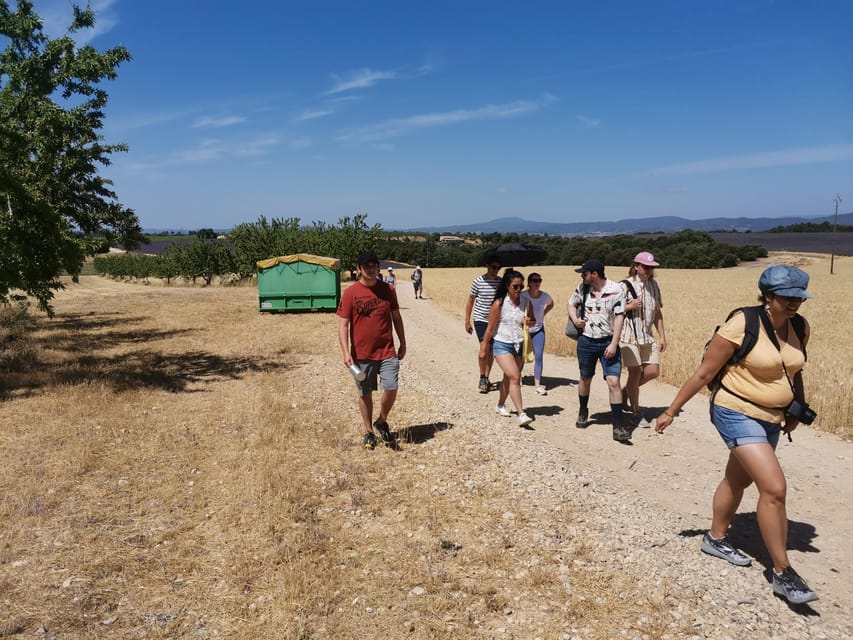
Your visit includes tasting the farm’s products: lavender syrup, raw almonds, almond paste, essential oil, and different types of olive oil. This tasting lineup is smart because it matches what you saw on the walk. Lavender syrup and essential oil relate directly to the aromatics and distillation lesson. Almonds and almond paste connect to the trees you pass. Olive oil connects to the olive groves and fruit-tree explanations.
The tasting format also gives you a useful baseline. If you later buy products in the shop, you’ll know what the estate’s flavors are like at their source. You can decide what’s worth buying based on your own memory of the samples, not just packaging.
One practical note: the tour does not include refreshment drinks or beverages. That’s why bringing water and having a simple plan for snacks (like a picnic) can make your day smoother. The experience itself is the value. You’ll get more from it if you don’t feel wiped out halfway through.
Price and value: why $38 feels fair for what you get
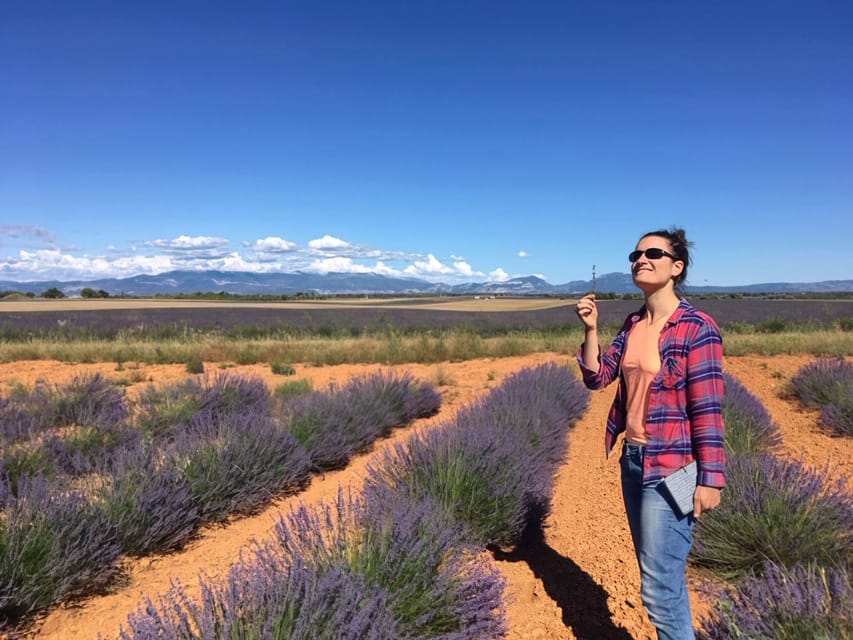
At $38 per person for about 150 minutes, this tour isn’t just “a walk through lavender.” You’re paying for a guided education plus multiple included tastings plus production knowledge around essential oil distillation.
Let’s break down what you’re really buying:
- Time with a live guide in multiple languages.
- A structured walk that teaches you how to identify aromatic and wild plants.
- A distillation lesson that explains how the fragrance becomes essential oil.
- Included tastings of several farm products, not just one or two samples.
- Vineyard access (starting in 2024), with an optional low-cost add-on wine tasting.
Compared with tours that only offer photos and a single drink, this one gives you more to take home mentally and sensorially. You’ll leave with a better understanding of what you smelled, what you ate, and why the estate grows what it grows.
The main “cost” is physical comfort. If you’re not ready for a sunny, off-road style walk, you may feel the price less like value and more like effort. But with the right clothing and shoes, the experience tends to feel worth every minute.
Who should book this Valensole visit, and who might skip it
I’d put this tour on your short list if you:
- Like small, guided experiences where the guide talks and you can ask questions.
- Want more than scenery and want to learn how plants become products.
- Enjoy tasting multiple farm items, especially if you like olive oil and almonds.
- Are curious about essential oil distillation and how organic, sustainable farming shows up in real decisions.
I’d think twice if you:
- Dislike strong fragrances or get headaches in perfumed environments.
- Want a completely flat, easy stroll with minimal walking.
- Need lots of included drinks during outdoor time, since none are included.
Bring sun cream, a sun hat, water, and hiking shoes. Loose-fitting clothes also help. If you plan to linger before or after, a picnic is a practical idea because you won’t have included refreshments.
Final call: should you book?
If you want a Valensole experience that connects the lavender fields to farming, distillation, and real tastings, book it. The mix of aromatic-plant identification, essential oil process, and included products makes the $38 price feel logical. Add the €5 wine tasting if you like wine and want the full estate story. Skip or choose carefully only if fragrances or outdoor walking are likely to be an issue for you.
FAQ
What does the tour include?
You get a guided walk focused on organic and sustainable farming, learning to recognize wild plants, learning the distillation process, a visit to the vineyards, and tastings of lavender syrup, raw almonds, almond paste, essential oil, and different types of olive oil.
Is wine tasting included?
Wine tasting is optional. It costs €5 and can be paid by card or cash.
How long is the experience?
The duration is 150 minutes.
What languages are available for the guide?
The tour guide is available in French, English, and German.
What should I bring with me?
Bring water, loose-fitting clothes, a sun hat, sun cream, and hiking shoes. A picnic is also recommended.
Is there a chance the tour gets canceled due to weather?
Yes. If there are thunderstorms with an orange weather alert or if the prefecture decides to close the area, the outing is canceled and refunded.
What happens if I cancel?
If you cancel up to 24 hours in advance, you get a full refund. If you cancel as a customer later, tickets are non-refundable, but the tour will be postponed to a later date.
Where do I meet the group?
You meet at the farm with a lavender-colored sign. It’s an old-stone estate, and once you drive in the alleyway, you can park on the field in front of the house.
What products are offered in the tasting?
Included tastings are lavender syrup, raw almonds, almond paste, essential oil, and different types of olive oil.
Do I need insurance?
Liability and repatriation insurance are mandatory.
Should you book this Valensole winery and lavender farm visit?
Yes, if you want an educational, sensory tour that turns lavender into essential oil and ties farming to what you taste. The included tastings and the distillation explanation make it feel like more than a scenic stop, and the optional €5 wine tasting is a low-cost way to round out the experience.