REVIEW · KRK ISLAND
Winery Tour and Tasting with the Sommelier in KRK
Book on Viator →Operated by Curioseety SRLS · Bookable on Viator
Six wines, one biodynamic story, short and sweet. I like the cellar tour with the winemaker and the focused sommelier tasting of six wines with local bites. The main thing to consider is that this is mostly an indoor, in-town winery visit, so if you’re expecting vineyards right outside the door, go in with a flexible mindset.
This experience is timed to fit real sightseeing: about 1 hour 30 minutes, in English, and capped at 12 people so questions don’t get lost in the noise. You’ll use a mobile ticket, meet at Kuća vina Ivan Katunar in Vrbnik, and the tour ends back at the same spot.
The big idea here is simple: learn how biodynamic winemaking shapes what ends up in your glass. Expect a guided cellar look at grape-to-bottle production, then a structured tasting led by the sommelier that moves through Istrian Malvasia and toward native Teran red as part of the six selections.
In This Review
- Key highlights to look for
- Kuća vina Ivan Katunar in Vrbnik: starting in a real town winery
- The cellar tour with the winemaker: what you’re really learning
- The sommelier tasting: how the six wines and snacks are paced
- What you’ll taste in the six pours: Malvasia, Teran, and more
- Small-group value on Krk: why max 12 people changes the vibe
- Price and value: is $62.61 worth it?
- Who this experience fits best (and who should rethink it)
- Practical tips so you enjoy it more
- Should you book this winery tour on Krk?
- FAQ
- Where does the tour start?
- How long is the experience?
- What’s included in the tasting?
- Is the tour offered in English?
- How big is the group?
- Do I need a printed ticket?
- Is there a place to end the tour besides the meeting point?
- Can I cancel for free?
- Is this suitable for most people?
Key highlights to look for
- Winemaker-led cellar tour focused on how wine is made, not just what it tastes like
- Six biodynamic wines poured with local snacks for pairing context
- Small group size (max 12) for a more interactive pace
- English hosting with clear explanations from the sommelier
- Vrbnik meeting point at Kuća vina Ivan Katunar, a winery site with tasting and shop
Kuća vina Ivan Katunar in Vrbnik: starting in a real town winery
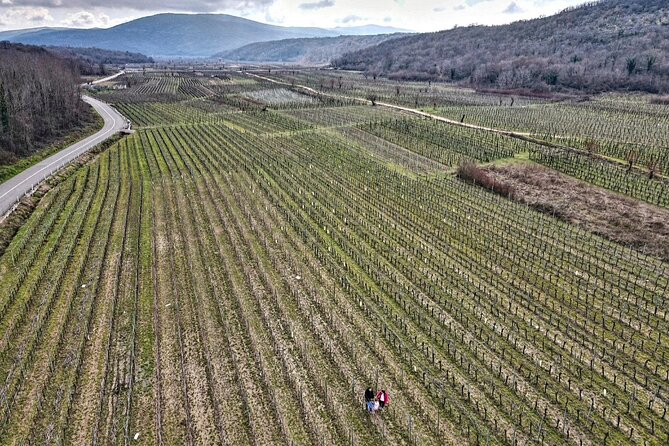
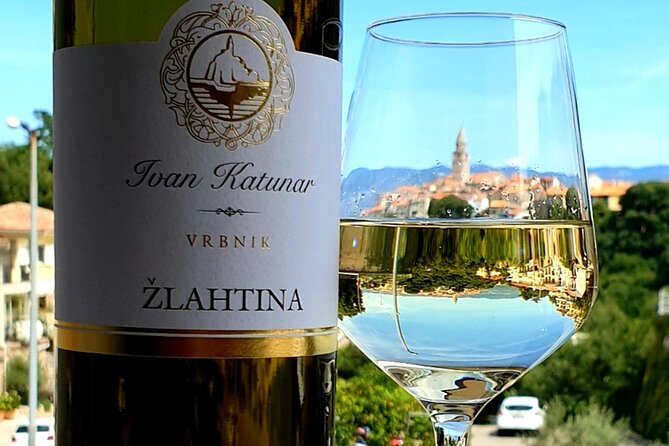
Your tour kicks off at Kuća vina Ivan Katunar – Winery, wine tasting with tour and wine shop, Ul. Braće Trinajstić 3, 51516, Vrbnik. This matters because it sets expectations: you’re not doing a remote hillside visit that feels like you escaped the map. Instead, you’re stepping into a working winery experience in town—close enough to pair easily with the rest of your Krk day.
I also like that the experience is built around an easy loop. You meet here, you tour and taste, and then you finish back at the same point. No transit shuffle. No “follow the leader” end scramble. If you’ve got dinner plans nearby, this format helps you keep your day on track.
One practical note from the feedback: a couple of people felt the overall setting was more modern than they expected. So if you’re craving rustic barrels and outdoor vineyard views, consider this more of a structured wine education and tasting session than an open-air countryside postcard.
The cellar tour with the winemaker: what you’re really learning
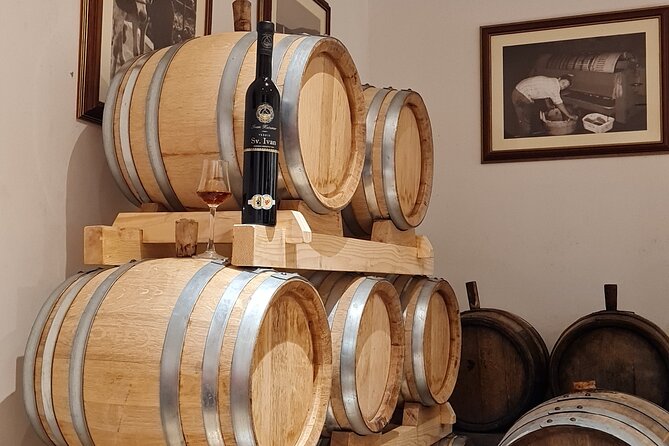
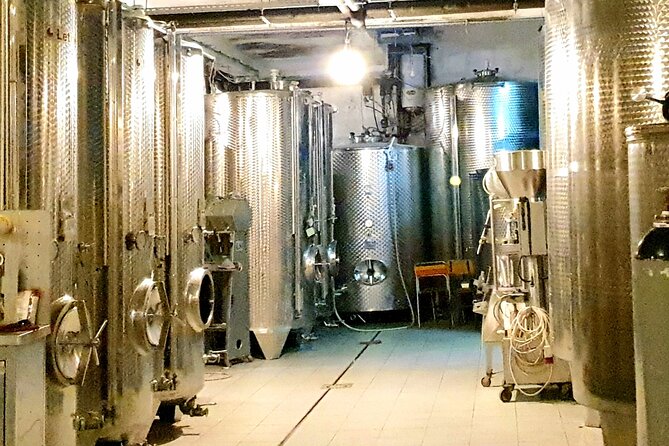
The cellar portion is where the experience earns its keep. You tour the grounds and cellar with the winemaker, and the goal is to connect what you’ll taste later to how the wine is made now.
Here’s what this kind of winemaker-led format is good for: it shortens the distance between theory and glass. Even if you’re not a wine-nerd, it helps you understand why certain flavors show up and why biodynamic choices can influence the final character of the wine.
You’ll see the manufacturing process from grape to bottle. In practical terms, this means you’re not only hearing about farming philosophy—you’re also getting a sense of the production steps that shape texture, aroma, and overall structure. And because the group is small, you’re more likely to get your own follow-up questions answered instead of watching the clock while someone else asks the only interesting question.
This is also the part that tends to get the best reactions for one simple reason: it feels personal. People highlighted friendly hosting and good explanations of winegrowing and the surrounding region, which usually signals the host is speaking in plain language, not reciting a script.
The sommelier tasting: how the six wines and snacks are paced
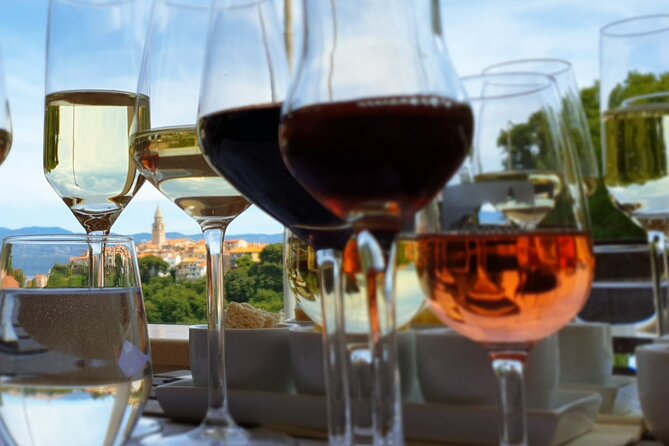
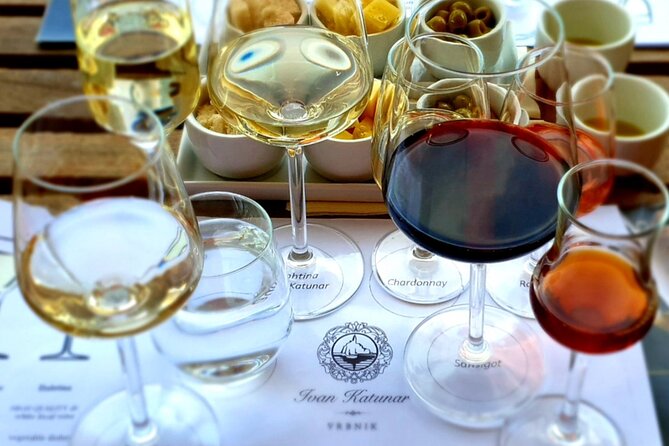
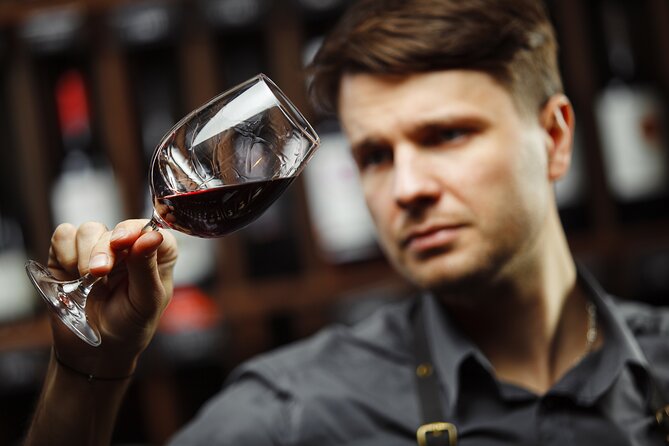
After the cellar tour, you move into the tasting experience with the sommelier. The session is designed as a focused appreciation format—think structured pours, guided attention, and pairings that give you something to compare.
You’ll taste six distinctive selections, paired with local snacks. The “paired with snacks” piece is easy to overlook, but it’s actually one of the smartest ways to train your palate without feeling like you’re being tested. Food gives you a reference point: you notice how acidity feels with a bite, how tannins soften (or don’t), and how aromas change when the glass isn’t being tasted in a vacuum.
From the way this experience is described, the sommelier’s job is to translate wine into something you can meaningfully notice. One feedback theme was that the sommelier was nice and informative, and that food matching was provided. That’s a good sign for first-time tasters, because it suggests you won’t be left alone to figure out the tasting ritual.
That said, there’s one watch-out. One person felt there wasn’t much instruction on how to smell the wines or what to look for, which can make the tasting feel like just drinking if you’re new to it. If you’re a true beginner and you want step-by-step aroma technique, consider going in ready to ask your host questions. A simple ask—What should I notice first?—can turn a basic tasting into an actual learning moment.
What you’ll taste in the six pours: Malvasia, Teran, and more
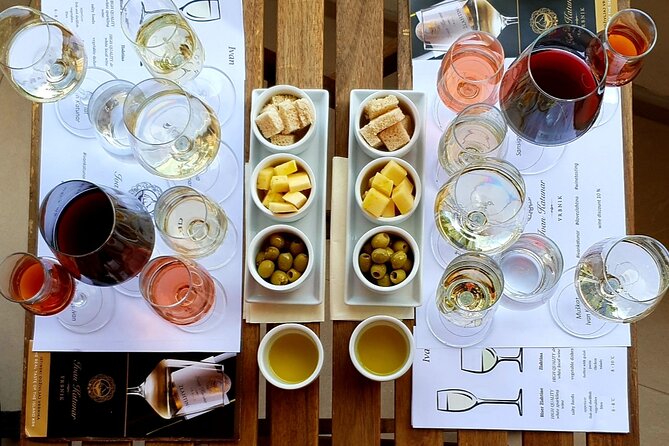
Even if you don’t memorize every variety, the lineup gives you a sense of place. You’re tasting Croatian grapes with an Istrian focus, and the experience frames the tasting as a set of chapters—from Istrian Malvasia to native Teran red.
That pairing of styles is useful. Malvasia is typically known for aromatic expression and a lighter feel, while Teran red tends to bring structure and a more serious backbone. So, as the tasting moves along, you’re getting range: aromatic whites (or lighter aromatics), then deeper reds that let you compare how production choices and grape character show up on the palate.
You should also expect the tasting to connect to biodynamic practice. The experience description stresses a family passion for biodynamic winemaking in Istria, so the sommelier and host likely connect farming methods to what you’re tasting. This is where you’ll learn to stop thinking of wine as a mystery in a bottle and start seeing it as a product of decisions—farm choices, vineyard cycles, and production steps.
A small tip for your own palate: take notes on just two things per wine. For example: one word for aroma and one word for mouthfeel. If you try to score every detail, the session can feel long. If you focus on the two most important sensations each time, you’ll remember more when you’re back on Krk streets.
Small-group value on Krk: why max 12 people changes the vibe
Capped at 12 people, this tour is designed to feel more like guided conversation than a factory-style stop. The benefit is simple: the host can actually respond to the group.
In a larger tasting, you get a fast overview and move on. In this smaller format, you’re more likely to get clarification, and you’re also more likely to have time for your own questions about biodynamics, cellar choices, or the wines themselves.
This matters on Krk because wine is only one part of your day. If your tour runs well, it becomes a highlight rather than a detour. And the reviews point to an extra level of human flexibility: one host team accommodated guests who arrived late due to traffic and still made the cellar tour and tasting work. So if you’re timing this around ferry times, beaches, or lunch plans, do build in a little buffer—but it’s reassuring to know the team tries to keep things smooth when life happens.
Price and value: is $62.61 worth it?
At $62.61 per person for about 1.5 hours, you’re paying for four things at once: the cellar tour, the winemaker-led explanation, the sommelier tasting, and the included tasting of six biodynamic wines with local snacks.
Here’s how to judge value quickly: compare it to tastings where you only get a couple of pours. Six wines is a meaningful sampling size. Add in that you’re not just tasting—you’re getting a guided production walkthrough and a biodynamic context. That’s where the price starts to make sense.
Also, small group limits matter for value. If you’re paying the same price as a large bus group (and you don’t get personal attention), you feel it. With max 12, you’re more likely to get time with your host and a more responsive pace.
Is it overpriced? Not if you’re the kind of person who enjoys learning while tasting. If you only want a quick sip and a pretty bottle, then a shorter, cheaper tasting could fit better. But if you want structured guidance and a sense of how the wine is made, this price sits in the reasonable zone.
Who this experience fits best (and who should rethink it)
This tour is a good fit if you want:
- A guided walk through the cellar and production process
- A structured tasting that includes six wines rather than a quick sample
- A small group experience where you can ask questions in English
- Biodynamic winemaking context, not just tasting notes
It may be less ideal if you want:
- An outdoor vineyard walk with fields everywhere you look
- Heavy instruction on how to smell wine, especially if you prefer a very beginner “how-to” lesson
- A long, leisurely tour with lots of downtime
One more thought: one review noted the building felt more modern and inside-the-town than expected. So if your ideal wine day is all rustic barrels, outdoor views, and vineyard paths, you may feel a slight mismatch.
Practical tips so you enjoy it more
A few things will help you get more out of the 90 minutes:
- Plan to arrive on time. Traffic can happen on Krk, but being late makes it harder for the team to keep the pace.
- Go in curious. Ask one or two questions in the cellar. Even a simple one—What makes this biodynamic approach show up in the glass?—usually gets a better answer than silent listening.
- Pace yourself during the tasting. You’re trying six wines. Slow down between pours so you can actually compare.
- If you’re new to wine tasting, don’t guess what to do with your nose. Ask the sommelier what they want you to notice first.
Should you book this winery tour on Krk?
Book it if you want a compact, guided wine experience that links production to taste—plus a sommelier-led tasting of six biodynamic wines with local snacks. The small-group size and winemaker connection are the two biggest reasons this feels worth your time.
Skip or look for another option if you’re mainly chasing an outdoor vineyard scene or if you need a very explicit beginner-style tutorial on wine aroma and tasting technique. Based on the setting and the way the tasting is described, this is more “learn and taste” than “teach you from scratch.”
If your goal is to leave Krk understanding a bit more about how biodynamic winemaking shapes what’s in your glass, this one is an easy yes.
FAQ
Where does the tour start?
It starts at Kuća vina Ivan Katunar – Winery, wine tasting with tour and wine shop, Ul. Braće Trinajstić 3, 51516, Vrbnik, Croatia.
How long is the experience?
It’s about 1 hour 30 minutes (approximately).
What’s included in the tasting?
You get a guided tasting of six premium biodynamic wines, with local snacks.
Is the tour offered in English?
Yes, it’s offered in English.
How big is the group?
The maximum group size is 12 travelers.
Do I need a printed ticket?
No. You’ll have a mobile ticket.
Is there a place to end the tour besides the meeting point?
No. The activity ends back at the meeting point.
Can I cancel for free?
Yes, free cancellation is available. You can cancel up to 24 hours in advance for a full refund.
Is this suitable for most people?
Most people can participate.