REVIEW · XALO
Xalo: Vineyard Tour with Wine Tasting and Snacks
Book on GetYourGuide →Operated by BODEGAS RIKO · Bookable on GetYourGuide
Wine history starts in Xalo vineyards. You’ll begin at Bodegas Riko for a guided walk through the vines, then head into the cellar where the winery’s 1921 story and local grape varieties come to life.
I love how this tour mixes wine education with real food pairing, not just a quick pour-and-go tasting. I also love the hands-on cellar feel, with aging in clay amphorae plus barrels.
One consideration: the tour runs only when there’s a minimum group size of 4, so you may need to check available times before locking in your day.
In This Review
- Key highlights worth planning for
- Entering Xalo at Bodegas Riko: where the tour starts
- The vineyard walk: grapes, land, and town history you can taste
- Back at the winery: facilities tour and what the guide points out
- Cellar time: barrels and clay amphorae (the part you’ll remember)
- The 5-wine tasting: how to taste with context
- Mistelas and local pairings: snacks that actually teach you
- Timing and pacing: a 2.5-hour plan that doesn’t drag
- Who this tour is best for (and who might not love it)
- Value check: what you get for your time
- Should you book Xalo Vineyard Tour with Wine Tasting and Snacks?
- FAQ
- Where do I meet for the tour?
- How long is the vineyard tour?
- How many wines are included in the tasting?
- Is mistelas included, and is there food too?
- What languages will the guide speak?
- Is the tour wheelchair accessible?
- Is there a minimum group size?
Key highlights worth planning for
- Start at Bodegas Riko on Avinguda Rei Juan Carlos I, 33 and get right into the story
- Vineyard time (about 45 minutes) where you learn local grape varieties and town history
- See the cellar aging tools including barrels and clay amphorae
- Taste 5 wines plus mistelas, paired with local products and appetizers
- A guide who works in Spanish, Catalan, and English with time for questions
- Wheelchair accessible, with a route designed for visitors who need it
Entering Xalo at Bodegas Riko: where the tour starts
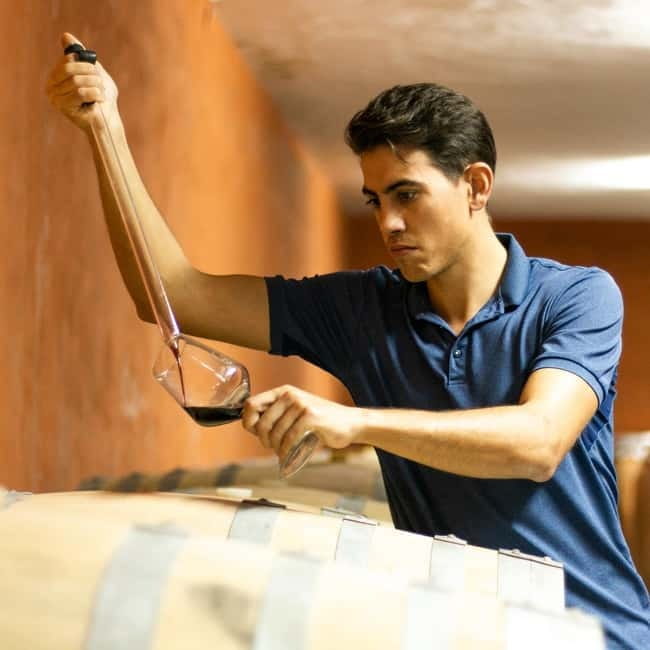
This is the kind of winery visit that starts in the right place: outside, in the vines. You meet at Bodegas Riko, located at Avinguda Rei Juan Carlos I, 33, and the whole experience keeps that local rhythm. You’re not just walking into a tasting room and getting handed a flight.
The first part sets expectations fast. In about 45 minutes, you’ll spend time on the vineyard side with “camp activities,” which in plain terms means you’ll be looking at the land, not staring at a brochure. And since the tour includes a live guide in Spanish, Catalan, and English, you’re likely to get explanations at a pace that actually makes sense.
If you’re the type who likes to understand what you’re drinking before you drink it, you’ll appreciate that the tastings come after you’ve learned the basics. If you prefer purely social wine time with no learning, you might find yourself doing a little thinking alongside tasting.
The vineyard walk: grapes, land, and town history you can taste
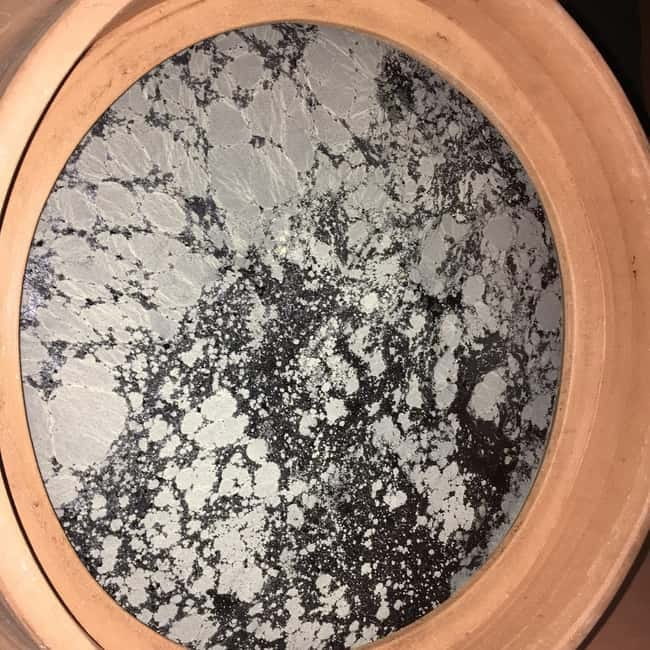
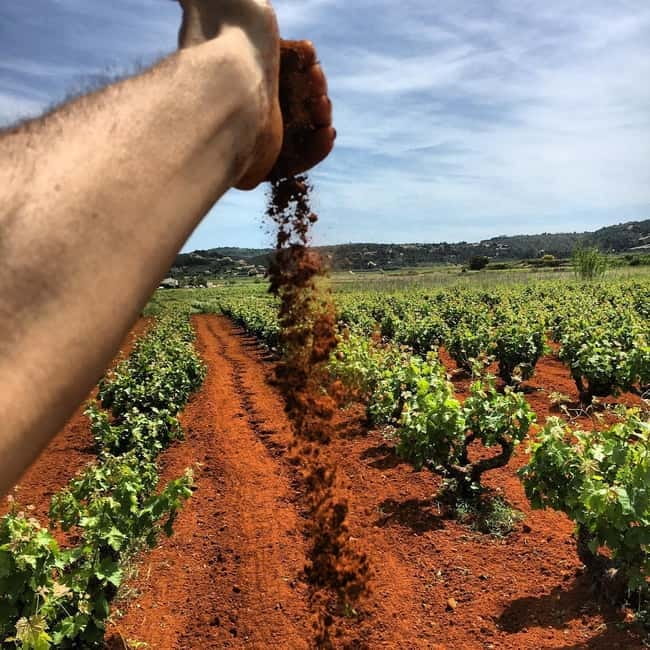
About halfway through your tour, you’ll be out in the vines learning what shapes the wine here. The guide shares the local grape varieties and ties them to the history of the town and its growing tradition. One of the most interesting details in this region is the mention that grape growing in the Valle Xalo connects back to the Moors—so you’re not just learning modern winemaking habits, you’re getting the older roots too.
This part matters because it turns wine into a place-based experience. When you know the grapes and the conditions they’re grown in, your tasting stops being a guessing game. You start spotting patterns: how acidity feels, how the aroma leans, how texture comes across in the glass.
Also, this vineyard time isn’t only “look and listen.” The tour format includes a chunk of outside activity, so you’ll likely get prompts on what to notice—like what the vines are doing and how that connects to winemaking choices later on. It’s one of the reasons people leave feeling like they got actual value for their time.
Back at the winery: facilities tour and what the guide points out
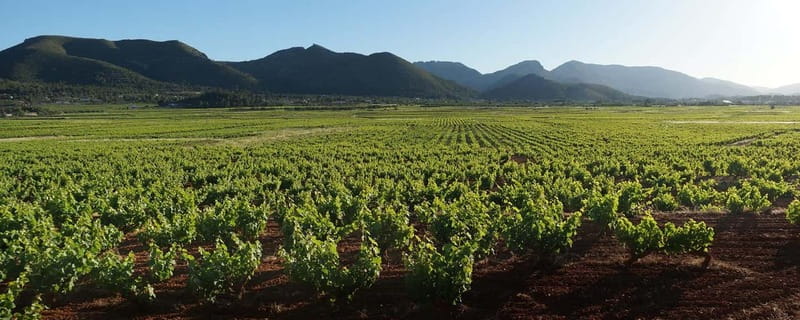
After the vineyard segment, you return to the winery for a guided look at the winemaking process. There’s a shorter guided tour segment (about 15 minutes) that functions like a bridge between what you saw outside and what you’ll taste later.
Here’s what I like about the structure: the tour doesn’t try to explain everything at once. Instead, it organizes the experience so you can connect dots. First you learn about grapes and place, then you get a quick but focused look at the facilities, and only afterward do you taste the result.
In the facilities visit, you should expect to see tools and areas connected to production, including the chance to understand the winery’s approach to aging and storage. One detail that shows up in the experience is seeing presses, which helps make the winemaking process feel real rather than abstract.
If you’re someone who asks questions, this is also the right format. The most common praise for this tour type is that the guide takes time, answers thoroughly, and doesn’t rush you out with a clock.
Cellar time: barrels and clay amphorae (the part you’ll remember)
The cellar is where the tour earns its keep. You’ll go down to where wine aging happens, and you’ll hear about the barrels and clay amphorae used in the winery’s process.
Why does that matter for your tasting? Because aging isn’t just storage—it changes how wine evolves. Even without getting super technical, you can usually taste the difference in how wines feel: texture, integration, and how aromas present themselves. Seeing the actual aging vessels gives you a reference point when you’re later comparing wines.
There’s also something emotionally satisfying about the cellar portion. It’s a quick trip downward, but it makes the visit feel grounded. You’re not only learning the story of the winery—you’re standing near the equipment that shapes that story into a bottle.
And if you’re lucky enough to meet the people behind the project, it makes the whole thing more personal. In one account of this experience, the winery owner Marina led parts of the visit, and her dog Winnie was part of the welcome. Even if your guide differs by date, that owner-led energy is clearly part of the experience’s charm.
The 5-wine tasting: how to taste with context
The tasting takes about one hour, and it’s not random. You’ll taste 5 wines plus you’ll finish with mistelas (sweet liqueurs), with appetizers and local products helping the flavors click into place.
A smart way to approach a structured tasting like this is to taste in two passes:
- First pass: focus on aroma and acidity—how the wine smells and what it does to your mouth.
- Second pass: focus on texture and finish—does it feel smooth, crisp, round, or more drying, and how long the flavor lasts.
Because you’ve already learned about the grapes and the land, you can use the vineyard knowledge as your “map.” For example, if a wine shows more lift or sharpness, you can connect that back to the grape traits and the conditions described earlier. You’ll still be surprised, but it’s a better kind of surprise.
Also, the tasting isn’t just “drink and move on.” The pairing with local snacks changes the game. Food can highlight fruit, soften tannins, or make a wine taste cleaner and more precise. If you’ve ever had tastings where the wines blur together, this pairing format is the fix.
Mistelas and local pairings: snacks that actually teach you
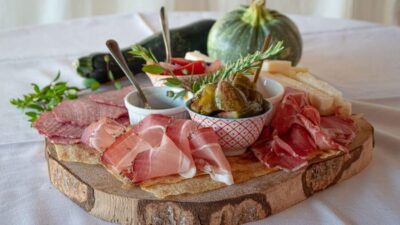
The tour ends with a tasting of the winery’s more emblematic wines and mistelas, paired with delicious local products. That’s not a throwaway add-on. It’s the part that helps you understand local tastes alongside the wine.
Mistelas are a big clue that you’re still in the everyday food-and-drink culture of the region, not just in a formal wine tasting room. Sweet liqueurs like this are meant to be tasted with foods that match the sweetness and the aromatic profile. When it works, you leave with a stronger mental picture of how locals drink and eat here.
And because appetizers are included, you’re not tasting on empty stomach energy. You can slow down and actually compare rather than powering through tastes.
One more thing I appreciate: the tour doesn’t separate learning from tasting. The pairings land right after the production story, so your brain is still in “how wine is made” mode. That makes the tasting feel connected, not like a separate event.
Timing and pacing: a 2.5-hour plan that doesn’t drag
This experience runs about 2.5 hours. The schedule is built around three main blocks: vineyard time, a short guided walk-through of the winery side, and then the tasting session.
Here’s the practical takeaway: it’s long enough to feel like you learned something, but short enough that you won’t feel stuck for the rest of your day. The 45-minute vineyard portion gets you outdoors and moving. The 15-minute guided portion keeps the production story tight. The 60-minute tasting gives you time to taste properly, not just sample.
If you’re planning your afternoon in the Valencian Community, treat this as a “core activity.” Plan something lighter before and after. You’ll get more out of it if you’re not rushing from the tour to a long drive with hungry stress.
Who this tour is best for (and who might not love it)
I think this tour fits best for people who want a real winery visit without making it complicated. If you like structured learning, good food pairing, and a guide who answers questions, you’ll likely enjoy it.
It’s also a great choice if you’re curious about how a small, family-focused winery operates. Founded in 1921, the winery’s story is part of what you hear, and that makes the wines feel like outcomes of a long project rather than products pulled off a shelf.
Who might want to consider a different option?
- If you only want a quick pour with zero explanation, you may feel the tour is too guided.
- If you prefer longer production deep-dives, this one is short but focused, so you might want an extended winery format.
Wheelchair accessibility is listed, which is a big plus for travelers who want a winery visit that isn’t automatically off-limits.
Value check: what you get for your time
Even without a price number here, you can still judge value by what’s included and how the experience is paced. You get:
- a winery visit,
- tasting of 5 wines,
- appetizers,
- and pairings with local products,
plus a cellar look at barrels and clay amphorae.
That’s a lot packed into 2.5 hours, especially the cellar component plus a tasting that lasts a full hour. Many wine experiences focus on either a walk or a tasting. This one aims to do both, then ties it together with food.
It also uses a small-group model. The tour runs only when there are at least 4 people, which usually helps keep the vibe from turning into a rushed factory lesson. When the group is small, you tend to get better Q&A and a more human pace.
Finally, the guide language options—Spanish, Catalan, and English—mean you’re less likely to lose nuance. That matters because wine and winemaking aren’t just flavor; they’re vocabulary and context.
Should you book Xalo Vineyard Tour with Wine Tasting and Snacks?
Yes—if you want a focused, family-winery experience in Xalo with real pairing and a cellar visit that actually explains why wine tastes the way it does. I’d book it when you like learning in the moment, enjoy outside time among vines, and want your tasting to feel connected to place.
Book with a little flexibility in mind. Since the tour needs a minimum group size of 4, check the schedule for your dates and choose a start time that matches your energy. If you can reserve with pay later and you want a low-stress plan, this is the kind of activity that makes it easier to build your day without locking yourself into a single option.
FAQ
Where do I meet for the tour?
You meet directly at Bodegas Riko, at Avinguda Rei Juan Carlos I, 33. The activity ends back at the same meeting point.
How long is the vineyard tour?
The total duration is 2.5 hours. Starting times depend on availability.
How many wines are included in the tasting?
The tasting includes 5 wines.
Is mistelas included, and is there food too?
Yes. The experience includes tasting of the winery’s most emblematic wines and mistelas, paired with local products. Appetizers are included as well.
What languages will the guide speak?
The live guide speaks Spanish, Catalan, and English.
Is the tour wheelchair accessible?
Yes, the tour is listed as wheelchair accessible.
Is there a minimum group size?
Yes. The tour only takes place with a minimum of 4 people.