Step into a wine city underground. This tour is fascinating because of the 120 km labyrinth you walk through, and because the tasting ends with a sommelier explaining the story behind the bubbles. One heads-up: it can be very cold down in the tunnels.
You’ll meet at Stephen the Great Monument in Chisinau, and the experience is designed around a smooth pickup and a timed return to the same spot. The tour runs about 4 hours on the clock, but the core cellar portion is shorter than that, so plan your day accordingly. English is offered, though the driver might not speak it well.
In This Review
- Key things to know before you go
- Entering Cricova’s Underground Labyrinth (and why it feels different)
- The sparkling-wine method you’ll hear explained at the right moment
- Meeting point and getting to the winery without drama
- What the cellar tour shows you (and what it doesn’t try to do)
- Tasting time: opulent rooms, simple snacks, and a guided flight
- Price and value: is $93.46 a fair deal for Cricova?
- Best fit: who should book this Cricova Winery tasting
- Practical tips that make the day better
- Should you book the Cricova Winery Tour with Tasting?
- FAQ
- How long is the Cricova Winery tour with tasting?
- Where does the tour start?
- Is pickup included?
- What language is the tour in?
- Is this a private tour?
- What’s included in the tasting?
- Will it be cold underground?
- How much does the tour cost?
- Are service animals allowed?
- What is the cancellation policy?
Key things to know before you go
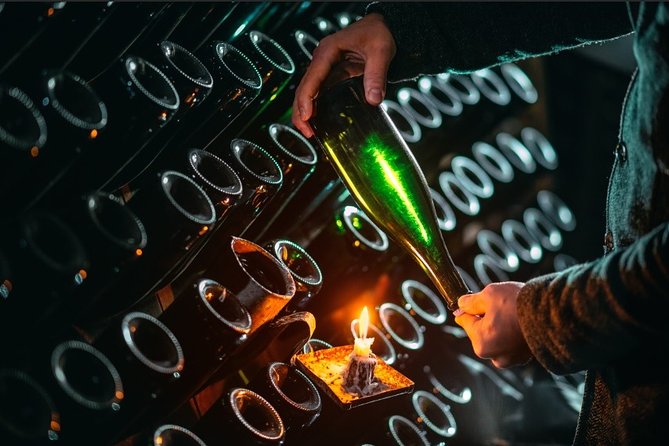
- 120 km of underground passages with bottle racks arranged for daily work to clarify the wine
- Sparkling-wine process tied to Dom Pérignon ideas, with secondary fermentation and aging underground
- Ornate tasting halls where a sommelier guides you through the bubbles in your glass
- A massive collection: about 1.3 million bottles and 640 wine types
- The standout bottle: Easter Jerusalem, made only once in 1902
- Cold tunnels: bring a warm layer or you’ll feel it fast
Entering Cricova’s Underground Labyrinth (and why it feels different)
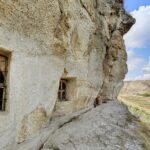
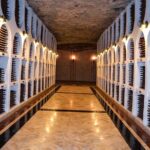
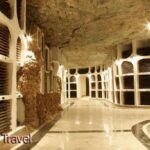
Cricova Winery is famous for one thing above all: it’s not a small cellar tucked behind a building. It’s a true underground complex, stretched across about 120 km of tunnels and cellars where wine is stored and aged. Walking through it feels like visiting a whole hidden world, not just seeing a few aging rooms.
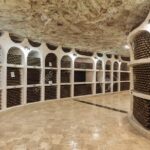
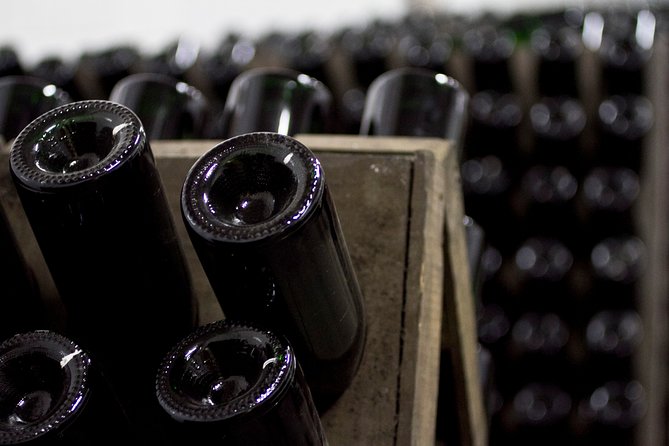
The tour’s design also matters. You’re guided through sections that show different parts of the complex, including the sense of scale—bottle after bottle, arranged in long lines and held at an angle while the wine matures. That detail connects to the sparkling process Cricova is known for, and it makes the place easier to understand instead of just being “big.”
One small reality check: even though the system is impressive, you still move on a schedule. The cellars are not set up like a slow museum stroll, so if you want time to linger in one corner and take notes for an hour, you might feel slightly pushed along.
You can also read our reviews of more tours and experiences in Chisinau.


The sparkling-wine method you’ll hear explained at the right moment
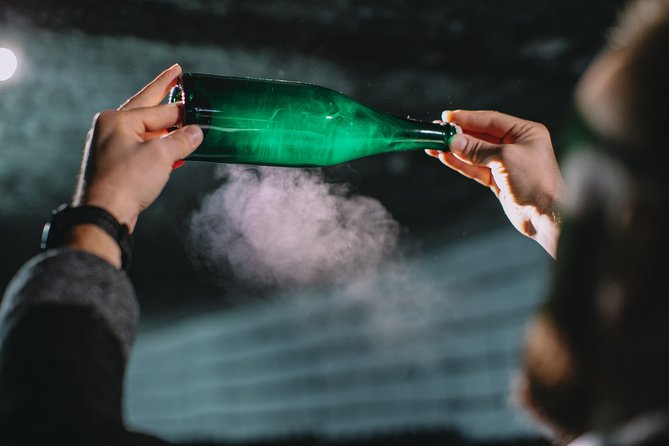
Cricova produces sparkling wine using a method associated with Dom Pierre Perignon. The key point is that the wine gets its secondary fermentation in the glass, followed by cuvée aging—then the maturation happens underground. That’s not just trivia. It shapes what you see in the cellars and what you taste at the end.
Here’s what to listen for when your sommelier talks about the bubbles: the guide should connect the underground aging to the final texture and character of the sparkling wine. You’re learning while you’re standing in the place where the aging actually happens, which is a big part of the fun.
Also, Cricova is not shy about its inventory. You’ll hear that the winery currently holds around 1.3 million bottles and about 640 wine types. That’s a lot of variation under one roof, and it helps explain why the tasting can feel like more than just one standard pour.
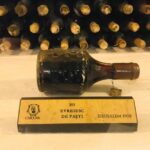
And then there’s the one truly distinctive detail: the oldest wine in the collection, Easter Jerusalem, produced in just one batch in 1902 and described as unique in the world. If you like historical oddities that also connect to real taste, this is the kind of fact that sticks.
Meeting point and getting to the winery without drama
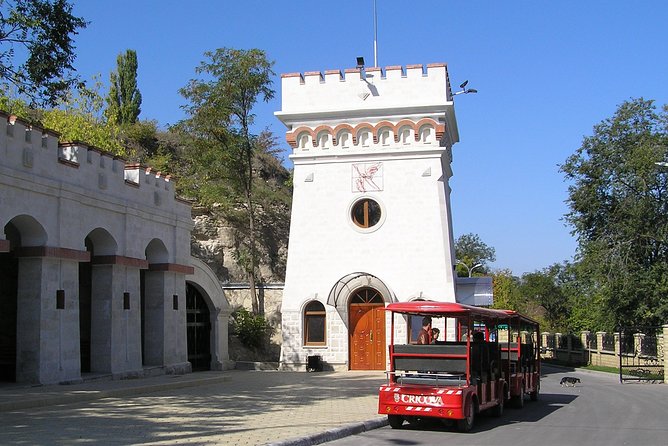
Your day starts at Stephen the Great Monument in Chisinau. If you like clear logistics, this is a good sign: pickup offered, and the tour ends back at the meeting point. That reduces the stress of trying to navigate your own way into and out of the complex.
That said, keep one practical note in mind from the tour description: the driver taking you to Cricova might not have great English. The good news is that the drivers are described as respectful and professional. Still, if you’re the type who likes to ask lots of questions during the ride, it may be smarter to save those for the guide once you’re at the winery.
Some people also mention that the driver at the end can be a little hard to find. So do this: confirm the pickup spot details when you arrive, then be ready to go back to the meeting point promptly when the tour finishes.
What the cellar tour shows you (and what it doesn’t try to do)
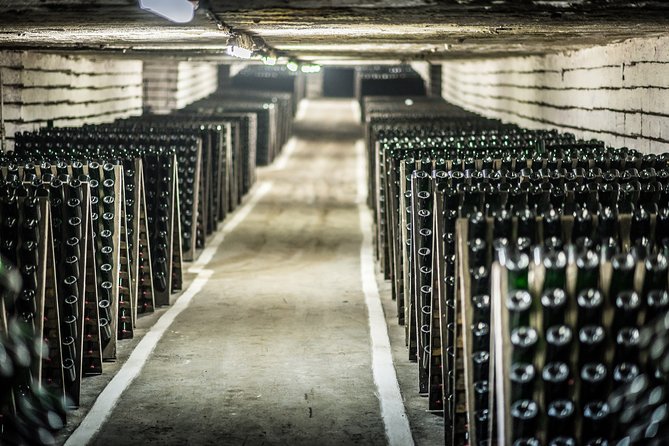
The core experience centers on the underground complex—tunnels, cellar sections, and the scale of the storage system. You’ll see the winding passages and the huge storage spaces with bottles stacked and held at specific angles. You’ll also encounter the presence of large vats and areas associated with production and storage.
Expect a lot of visual wow. Several people call the labyrinth of tunnels and the volume of bottles the highlight. That makes sense. Cricova’s underground isn’t just “pretty.” It’s functional, and it’s functional at a massive scale.
But there’s also a limit that affects expectations. The cellar tour portion is often described as about 2 hours, even though the full experience runs about 4 hours including pickup and tasting time. That shorter cellar time means you’ll get a focused overview rather than a full, hands-on education in barrels, fermentation, or a long walk through every production step.
If you’re the type who wants deep technical coverage—barrel types, winemaking routines, and process details in extended depth—this tour may feel a bit light. The upside is that you’ll still learn enough to understand what you’re tasting and why the place is set up the way it is.
Tasting time: opulent rooms, simple snacks, and a guided flight
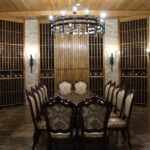
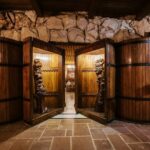
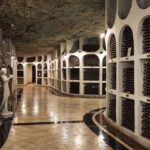
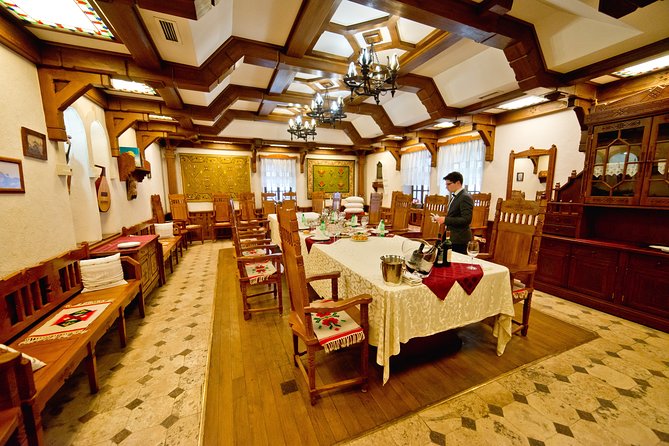
After the guided portion, you move into a tasting hall. This is where Cricova shifts from industrial scale to something more theatrical—some tasting rooms are described as ornate and impressive, almost like you’re stepping into a themed space rather than a standard wine bar.
You’ll taste with a sommelier who explains the story of the bubbles in your glass. That’s the part that rewards curiosity. If you ask questions—how the fermentation affects the final style, how aging underground changes the character—you’ll get more from the tasting than if you just follow along passively.
Snacks are basic: nuts and biscuits. That’s not fancy, and some people say the snack can feel dry or not very relaxing. But it’s also practical. You won’t leave hungry, and you won’t feel weighed down by a big meal right before or during tasting.
If you’re coming in expecting a long, slow sit-down with the winemaking team, this is not that kind of format. The tasting is part of a timed flow, because Cricova runs multiple groups through the underground schedule.

Price and value: is $93.46 a fair deal for Cricova?
At $93.46 per person, this isn’t a bargain tasting. You’re paying for three things you can’t really DIY easily: transportation from central Chisinau, access to the underground complex, and a structured tasting with staff on hand.
There’s also the behind-the-scenes cost that people don’t always think about. Keeping tunnels, ventilation, and tasting rooms functioning underground takes real money—electricity, heating for comfort where needed, and constant maintenance for spaces that stretch over 120 km. That reality shows up in the price.
So is it worth it? For me, it leans yes if:
- you want the underground experience at a comfortable pace,
- you like sparkling wine and want the process explained in plain language,
- you’d rather spend your energy watching and learning than figuring out timing and logistics yourself.
It may feel overpriced if you mainly want long winemaking lectures. A few comments suggest the experience can feel like a 2-hour tour plus tasting, which makes it feel short when you compare it to wineries that offer longer, family-style visits and deeper access.
Best fit: who should book this Cricova Winery tasting
This is a great match for you if you’re:
- curious about how sparkling wine is made and stored,
- interested in scale and design—kilometers of tunnels and massive collections,
- a first-timer to Moldova who wants one of the country’s most distinctive wine experiences.
It’s also a good choice if you like social energy without it being a large free-for-all. This is described as a private tour/activity, meaning only your group participates. That usually improves the vibe, especially during the tasting.
You might want to look for another style of winery visit if:
- you want a long, step-by-step look at barrels and production with lots of time to talk,
- you dislike tours where the selling feels heavy (some people describe the focus as more commercial than educational),
- you hate cold environments and don’t want to layer up for underground spaces.
Practical tips that make the day better
Bring a warm layer. Underground can be very cold, and that’s not a “maybe.” If you get cold easily, treat this like a winter stop, not a casual daytime stroll.
Wear comfortable shoes. The tour walks through tunnels and cellar spaces, and you’ll be glad for grip and support.
Go in ready to ask questions. During the tasting, your sommelier should explain the bubbles and connect it to the process you just saw. If you ask one or two good questions—about how the underground method affects flavor or texture—you’ll make the tasting feel personal instead of scripted.
Plan your timing for the whole 4 hours. Even if the cellar portion feels shorter, the ride and tasting take time. If you schedule another activity right afterward, leave buffer space so you aren’t rushing.
Should you book the Cricova Winery Tour with Tasting?
Book it if you want a high-impact, Moldovan experience that combines underground architecture with a sparkling-wine lesson. This tour’s strongest points are the sheer scale of the cellars, the guided context for the sparkling method, and the tasting in an impressive hall with a sommelier guiding you through what’s happening in the glass.
Skip it or temper expectations if you’re chasing a long, deep winemaking workshop. The cellar visit is limited by the tour format, and the tasting includes simple snacks and a timed structure. It’s designed to show you the system and get you tasting, not to spend half a day in production details.
If you want one “signature stop” in Chisinau that feels unlike anywhere else on earth, Cricova is a solid choice—just come prepared for cold underground air and set your schedule for the full 4-hour block.
FAQ
How long is the Cricova Winery tour with tasting?
It runs about 4 hours (approx.) from pickup to return to the meeting point.
Where does the tour start?
You meet at Stephen the Great Monument on Bulevardul Ștefan cel Mare și Sfînt in Chișinău.
Is pickup included?
Pickup is offered. The driver may not know good English, but they are described as respectful and professional.
What language is the tour in?
The tour is offered in English.
Is this a private tour?
Yes. It’s described as private, with only your group participating.
What’s included in the tasting?
After the guided tour, you’ll have a wine tasting in one of Cricova’s tasting halls, with nuts and biscuits provided as snacks.
Will it be cold underground?
Expect it to be cold in the tunnels. Bring a warm layer.
How much does the tour cost?
The price is $93.46 per person.
Are service animals allowed?
Yes, service animals are allowed.
What is the cancellation policy?
You can cancel for a full refund if you cancel up to 24 hours in advance of the experience’s start time. If you cancel less than 24 hours before, the amount paid is not refunded.