REVIEW · ITALY
Apulia: Guided Vineyard Tour with Wine Tasting
Book on GetYourGuide →Operated by Venture Vibes · Bookable on GetYourGuide
Vines and trulli vibes, all in one. This guided Apulia vineyard tour in the Valle d’Itria mixes a walk through indigenous vines with a behind-the-scenes winery visit and a guided tasting that’s built around your preferences. I love how the story is tied to the land, not just the labels, and I love the way the tasting gets paired with real everyday Puglian flavors.
The experience is led by friendly, multilingual guides. People have praised guides such as Martin for handling two languages smoothly, and Armando and Peto for making the whole visit feel warm and easy to follow. You’ll also get a tour that goes beyond a quick sampling, including the modern facilities and an underground barrel cellar with 600+ oak barriques.
One thing to consider: you’re doing a walking-focused experience outdoors, so plan for some uneven terrain and bring comfortable shoes. Also, you’re responsible for getting yourself to the meeting point at Strada Noci 314.
In This Review
- Key things to know before you go
- Itria Valley vineyards feel personal, not touristy
- Where to meet at Strada Noci 314 and how the timing works
- The oak-tree welcome and vineyard walk you’ll actually remember
- Inside the eco-friendly winery: production in plain language
- Tasting packages: how many wines you’ll drink (and why it matters)
- The pairing: focaccia, taralli, friselline, olive oil, and cured meats
- Wine variety lessons: what you’ll likely notice in the glass
- Price and value: what $47 buys you in real terms
- Who this tour is best for (and who should be cautious)
- Should you book this Apulia vineyard tour?
- FAQ
- How long is the Apulia guided vineyard tour?
- What’s included in the tour?
- What wine types or grapes are featured?
- What are the tasting package options?
- Where do I meet for the tour?
- Is transportation to the estate included?
- What languages are available for the guided tour?
- What should I wear or bring?
Key things to know before you go
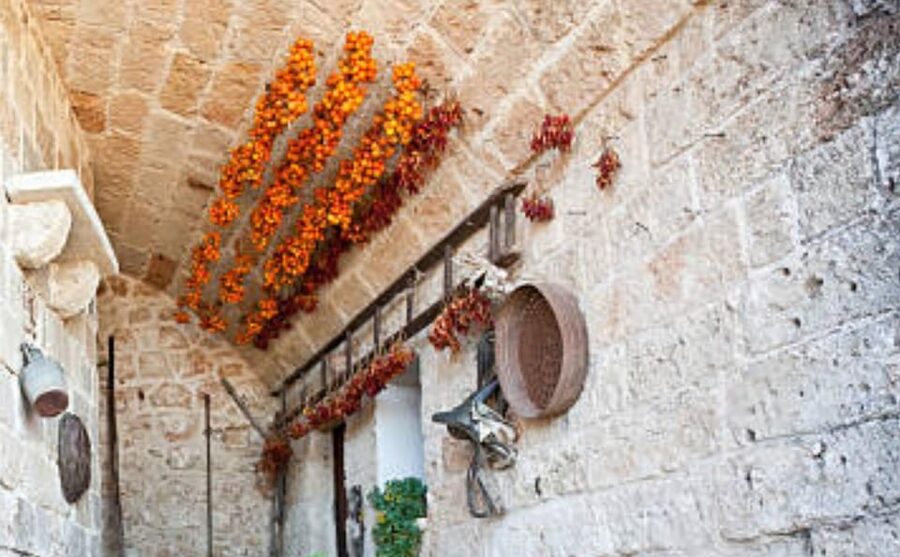
- Itria Valley setting with trulli area views and a vineyard walk through indigenous grapes
- Oak-tree welcome that sets the historical and family story before you taste
- Eco-friendly winery + underground barrel cellar with 600+ oak barriques
- Taste by package: Classic (3 wines), Premium (4 wines + light lunch), VIP (7 wines + Santa Rosa Vineyard visit)
- Food pairing is built-in with Apulia staples like taralli, focaccia, cheeses, salumi, and olive oil
- Multilingual guides in English, Italian, and Spanish, with support noted in multiple languages
Itria Valley vineyards feel personal, not touristy
If you’ve done wine tours elsewhere, you’ve probably seen the same script: walk for photos, quick tasting, done. This one feels different because it starts with how grapes are grown and the family/estate approach, then leads you into production.
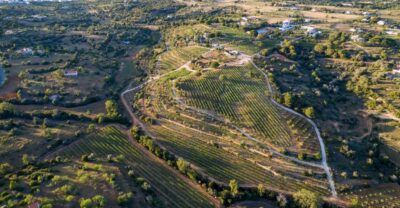
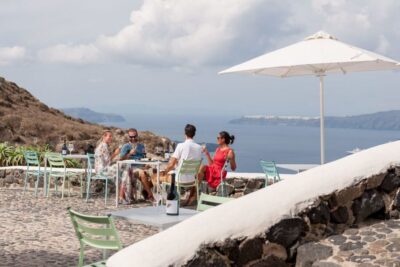
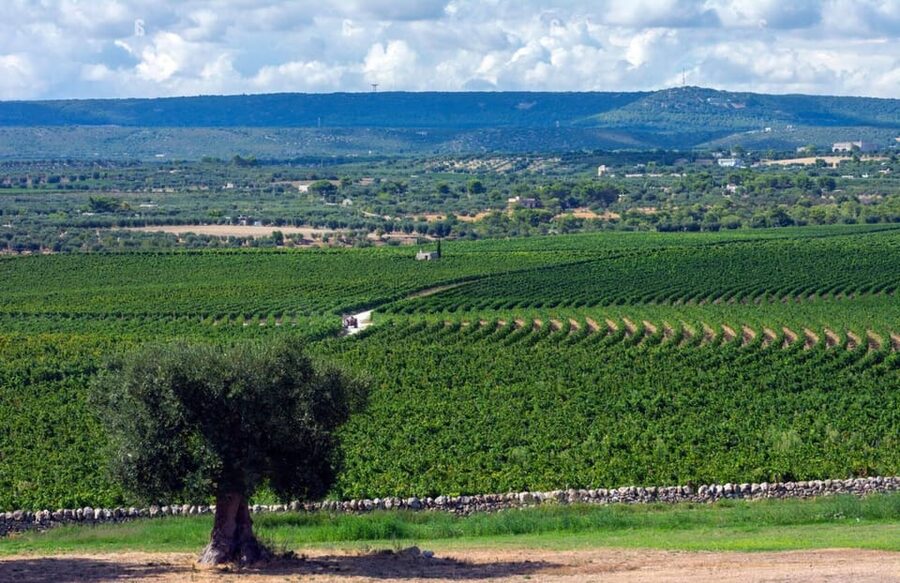
The Valle d’Itria atmosphere matters here. You’re not just looking at vines from a distance—you’re walking among them, learning why certain grape varieties do well in this part of Apulia. The tasting then lands in a calmer setting where the guide can explain aromas and characteristics while you eat what the region actually makes.
You can also read our reviews of more tours and experiences in Italy.
Where to meet at Strada Noci 314 and how the timing works
Tours run from about 1.5 to 3 hours, depending on the package you choose. You meet at the entrance of the estate in the heart of the Itria Valley, at Strada Noci, 314, and a staff member welcomes you at the main gate. The guide wears a name badge so you can spot them fast.
The flow is fairly structured:
- You’ll start with a welcome and orientation, then move into time outdoors for a scenic walk and stops for photos and viewpoints.
- After that, you’ll head into the winery for the production tour and the tasting.
- There’s also a short shopping stop, which is where extra purchases happen if you want to bring something home.
If you’re driving yourself, the meeting point is straightforward. If you’re relying on public transport or taxis, plan extra time to get there early, since the guidance is to arrive 15 minutes before the start. The good news: the experience is wheelchair accessible, so it’s not built like a strenuous hike-only outing.
The oak-tree welcome and vineyard walk you’ll actually remember
The tour begins with a historical introduction under a majestic oak tree. That sounds like a small detail, but it sets the tone: you’re getting context before you taste. You’ll learn about the estate’s relationship to the land and Puglian traditions, which helps the wines make more sense once they hit your glass.
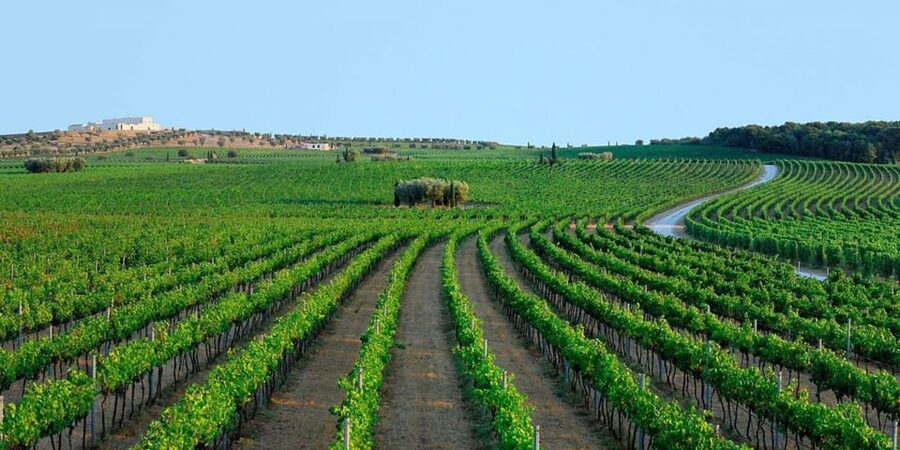
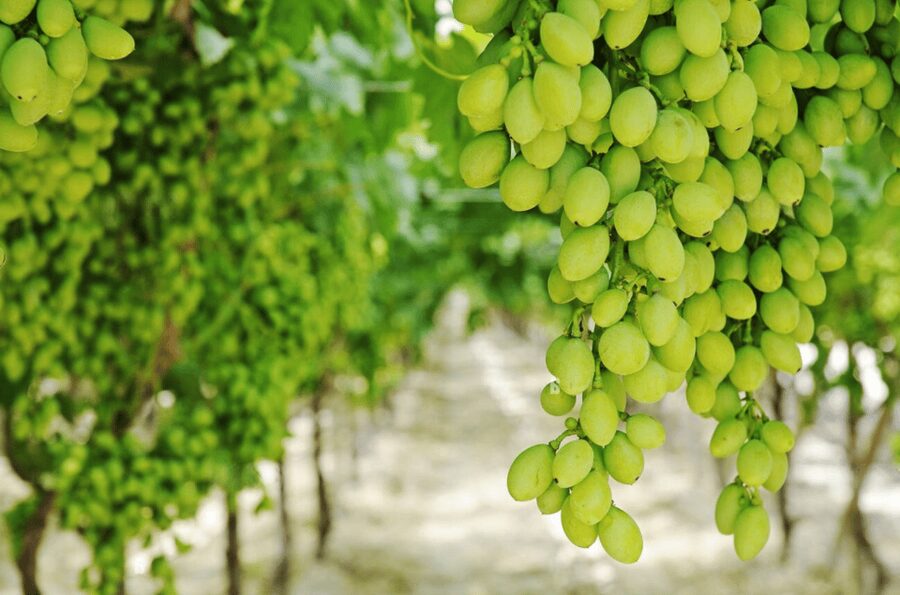
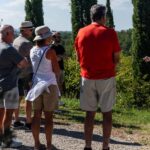
Then you move into a scenic walk through indigenous vineyards. This is one of the best parts for practical learning. You’ll hear about sustainable grape cultivation practices and get explanations tied to how the vines are managed here. In other words, you’re not just memorizing grape names—you’re connecting them to what’s happening in the vineyard.
There’s also some breathing room built into the outdoor portion for photo stops and free time. If you like capturing a quick skyline shot, or just want a moment to look at the shapes of the vines and the countryside, this pacing works.
Inside the eco-friendly winery: production in plain language
After the vineyard time, the visit shifts to the modern, eco-friendly winery. You’ll tour the production areas and get a step-by-step explanation of how wine moves from fermentation through aging.
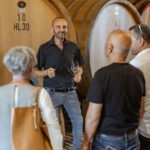
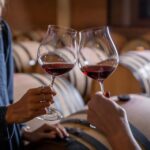
What makes this stop more than a quick factory glance is the underground cellar. The estate has an atmospheric barrel storage area with over 600 oak barriques used for aging its wines. Standing in a cellar like that changes the tasting experience in a subtle way: you start paying attention to structure, aging, and why one wine feels smoother or more complex than another.
And since the guide is explaining what you’re seeing, you’re not left translating winery jargon in your head. It’s the kind of walkthrough that makes the tasting room feel like part two of the same lesson.
Tasting packages: how many wines you’ll drink (and why it matters)
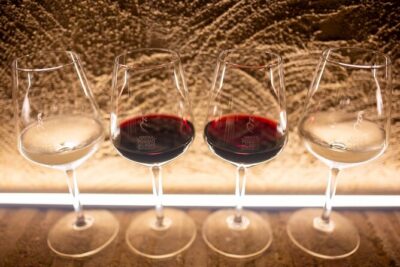
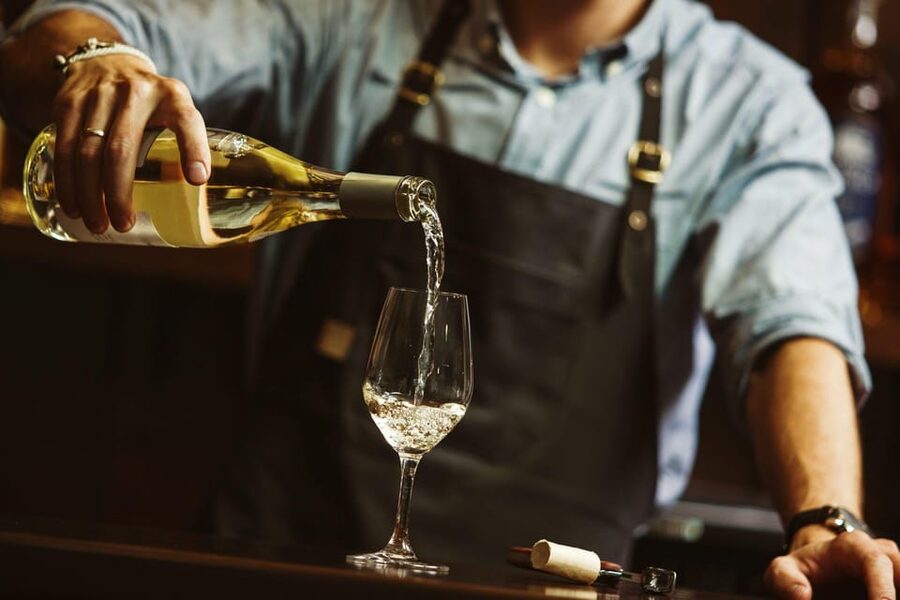
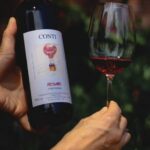
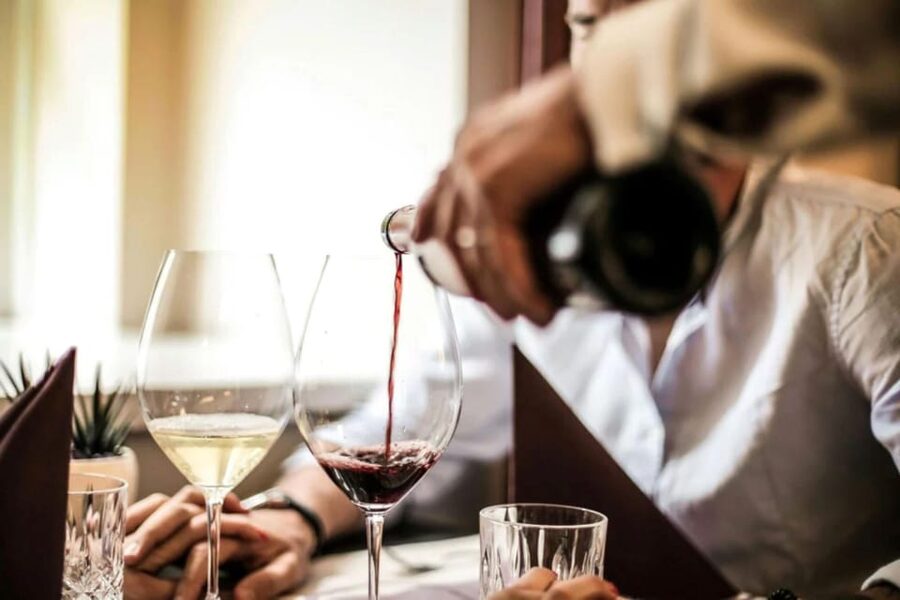
You’re tasting wines from the estate’s portfolio, with grape varieties such as Negroamaro, Primitivo, Verdeca, Susumaniello, Fiano, and Aglianico. The list is seasonal and adjusted to your preferences, which is a big deal. A guided tasting that matches your taste saves you from that awkward moment where everyone else loves something you don’t care for.
Here’s how the packages work:
- Classic (about 1h30): guided tasting of 3 wines with taralli, olives, cheeses, and local cured meats.
- Premium (about 2h): 4 wines plus a light lunch. Expect focaccia, friselline, cheeses, and salumi.
- VIP (about 3h): 7 wines plus a Premium light lunch, and an exclusive visit to the Santa Rosa Vineyard, described as the largest in the Itria Valley and the agricultural heart of the estate.
If you’re a true wine lover, VIP is where the most variety lives. If you just want a confident introduction without overdoing it, Classic is often the sweet spot. Premium sits in the middle and adds lunch, which is especially handy if you’re pairing wine with a real meal instead of snacking.

The pairing: focaccia, taralli, friselline, olive oil, and cured meats

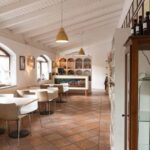
What you eat during the tasting is one of the strongest parts of the experience, because it’s built around Apulia staples instead of random crackers and generic cheese.
You’ll see foods such as:
- Traditional focaccia
- taralli (the crunchy, snackable kind)
- friselline
- Regional cheeses
- cured meats
- extra virgin olive oil, tomatoes, and basil
- Dried fava beans (also included)
This is practical pairing, not just decorative plates. For example, tomatoes and basil with olive oil help lift fresh aromas and keep red wines from feeling heavy. Salumi and aged cheeses give tannic reds something to “hold onto,” and bread-based items like focaccia and friselline round out the whole tasting rhythm.
If you’re the kind of person who likes taking notes, you’ll have more success if you pace yourself with the food rather than trying to judge everything purely on sip-by-sip comparison.
Wine variety lessons: what you’ll likely notice in the glass
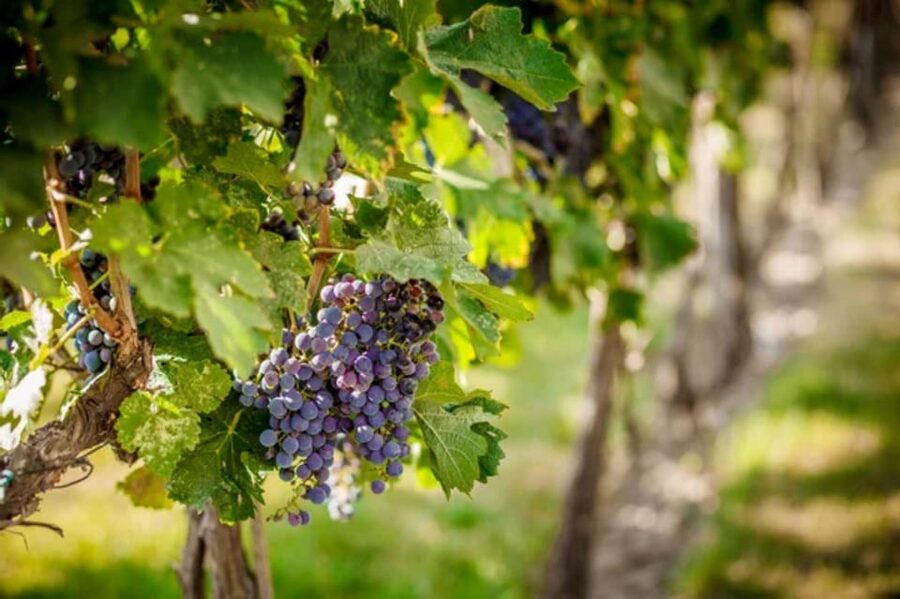
With grape varieties like Negroamaro and Primitivo, you can expect wines that often show depth and warmth, while Verdeca and other whites tend to feel lighter and more aromatic. The tasting room explanations about aromas and unique characteristics are the part that turns you from a passive taster into an informed one.
Because the estate produces many premium wine labels (the experience mentions 16 labels), the guide can help you understand what makes each wine different rather than just announcing names. You’ll get a clearer sense of how the same region can produce styles that range from fresh to structured, and why aging choices matter.
Price and value: what $47 buys you in real terms
The listed price is $47 per person, and the duration sits in the 1.5–3 hour range. On paper, that can look like “just a tasting.” In reality, you’re paying for three things at once:
- Guided vineyard time (not just a cellar and table)
- A winery walkthrough that includes fermentation and aging context
- A paired tasting with local delicacies
If you choose the longer packages, the value gets stronger because you’re tasting more wines and eating included local food, not additional snacks you didn’t plan for. Even in the Classic option, the combination of guided vineyard walk plus tasting with regional pairings is where the money tends to feel justified.
If you only want to buy a glass at a bar, this is overkill. If you want a structured, informative tasting experience that feels rooted in Apulia, it’s solid value.
Who this tour is best for (and who should be cautious)
This tour is ideal if you:
- Want a real Apulia introduction, not a generic wine stop
- Like learning how vineyards connect to the final taste
- Prefer tasting with food pairings like taralli, focaccia, and cured meats
- Travel in mixed-language groups and want a guide who can handle English, Italian, and Spanish
You might want to think twice if:
- You hate walking outdoors, even briefly
- You’re only looking for a quick, low-structure tasting with no vineyard time
- You want a high-contrast nightlife plan afterward, since the experience wraps up with a shopping stop and then returns to the start point
Should you book this Apulia vineyard tour?
I’d book it if you want your time in Apulia to feel grounded: vines in the morning light, a cellar that makes the wines make sense, and a tasting paired with foods you’ll actually recognize. The pacing works, the guide support in multiple languages is a real plus, and the underground cellar with 600+ oak barriques is the kind of detail that makes the tasting room experience feel less scripted.
If you’re torn, choose based on how you drink:
- Classic for a focused intro.
- Premium if you want lunch with it.
- VIP if you want the most wines and the Santa Rosa Vineyard highlight.
FAQ
How long is the Apulia guided vineyard tour?
The duration is listed as 1.5 to 3 hours, depending on which tasting package you choose.
What’s included in the tour?
It includes a guided vineyard estate tour, an introduction under an oak tree, a scenic walk through indigenous vineyards, a tour of modern eco-friendly winery areas and the underground barrel cellar, a wine tasting with local pairings, and explanations of the production process.
What wine types or grapes are featured?
The experience specifically mentions grapes and labels such as Negroamaro, Primitivo, Verdeca, Susumaniello, Fiano, and Aglianico, with a seasonal wine list tailored to your tastes.
What are the tasting package options?
Three packages are available: Classic (3 wines), Premium (4 wines with a light lunch), and VIP (7 wines with Premium light lunch and a visit to the Santa Rosa Vineyard).
Where do I meet for the tour?
The meeting point is at Strada Noci, 314, at the entrance of the estate.
Is transportation to the estate included?
No. Transportation to and from the vineyard estate is not included.
What languages are available for the guided tour?
The guide is available in English, Italian, and Spanish.
What should I wear or bring?
Wear comfortable walking shoes and dress for the weather. You’re also advised to arrive 15 minutes before the tour starts.