REVIEW · AREZZO
Arezzo: Local Winery Tour With Wine Tasting
Book on GetYourGuide →Operated by Pomaio Wines & Hospitality · Bookable on GetYourGuide
Arezzo has a side of wine architecture most people miss. This small organic winery visit pairs a vineyard and cellar walk with a focused tasting of 3 organic wines, matched with classic Tuscan cured meats and cheeses. I like the setting: modern winery buildings built to impress, plus views over Arezzo that make the stops feel special. The timing is tight, though, so if you want extremely detailed wine talk for the full 90 minutes, you may find the pacing a bit fast.
Two things I’d highlight right away: you get a real guided tour of the vineyards and wine cellar, and the tasting is built around contrasts—how each wine smells and tastes, and why that matters. One more plus: if your guide is on their A-game, the explanations can feel personal and thoughtful; I’ve seen this experience hosted by Leo, and his style can turn a quick tasting into something you actually remember.
The main drawback to weigh is guide style and depth. In a short 1.5-hour format, some guests felt the wine explanations stayed too brief—more eat-and-drink than a slow, step-by-step lesson—so manage your expectations for how long the deep wine education will last.
In This Review
- Key Points You’ll Care About
- Hitting the Right Note in Arezzo: 90 Minutes That Actually Click
- From Winery Reception to Vineyards: Wear the Right Shoes
- The Modern Cellar Stop: Toscana Wine Architecture for Wine People and Photo People
- The Tasting: 3 Organic Wines Paired with Tuscan Cheeses and Cured Meats
- Learning the Wine-Making Process Without Feeling Like Class
- Sustainable Production: What to Look For During the Tour
- Pacing and Practical Tips: Small Group Energy, Big Comfort Wins
- Who This Tour Fits Best (and Who Should Skip It)
- Price and Value: Is $47 Worth It?
- Should You Book This Arezzo Local Winery Tour?
- FAQ
- How long is the Arezzo local winery wine tasting tour?
- How many wines will I taste?
- Are local Tuscan food pairings included?
- Is transportation to and from the winery included?
- What language is the tour guide?
- Where do I meet the guide?
- Is smoking or pets allowed?
- Is the tour wheelchair accessible?
Key Points You’ll Care About
- Small group (up to 10) keeps the wine tasting from feeling rushed
- Toscana Wine Architecture cellar stop adds a design-and-wine angle
- 3 organic wines with local pairings like cheeses, salami, and ham
- Vineyard + cellar route helps you connect what you see to what you taste
- Comfortable-shoes vineyard visit is part of the deal, not optional
Hitting the Right Note in Arezzo: 90 Minutes That Actually Click
This is the kind of tour that makes sense when you want a wine experience without eating up half your day. You meet at the winery reception, then you’re guided through the vineyards and into the cellar, and you finish with a guided tasting of three organic wines. It stays compact, so you’ll feel like you saw the winery rather than just showed up for wine pours.
What makes it interesting is the combination of two worlds. On one side, you’re looking at grape-growing and how the winery handles sustainable production. On the other, you’re inside a modern cellar space connected to the Toscana Wine Architecture network, meaning the architecture isn’t an afterthought—it’s part of the experience.
Value matters here. At $47 per person, you’re paying for a guided vineyard and cellar visit plus a structured tasting with food pairings. If you’ve ever done tastings where you get a quick pour and a polite nod, this format is more complete—especially because you’re tasting multiple wines, not just one.
You can also read our reviews of more tours and experiences in Arezzo.
From Winery Reception to Vineyards: Wear the Right Shoes
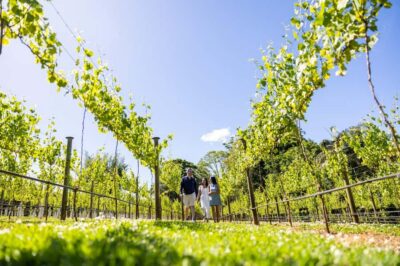
You start at the winery reception, then the guide takes over. The first real moment comes when you step onto the vineyard path. The tour is designed for comfortable walking through the vines area, and the operator specifically asks for comfortable shoes because you’re moving around outdoors.
Why this matters: vineyards aren’t just scenery. When you’re walking between rows, you can start to connect things like where grapes are grown, how the winery’s sustainable approach shows up in day-to-day practices, and why the resulting wines might have different balance and character. Even if you’re not a wine nerd, the setting helps your brain make sense of the tasting later.
You’ll also want to dress for the weather. Tuscany can shift quickly, and since part of the experience is outside, your layers and footwear do real work. If it’s hot, you’ll appreciate breathable shoes. If it’s cooler or drizzly, you’ll be glad you checked the forecast before heading out.
The Modern Cellar Stop: Toscana Wine Architecture for Wine People and Photo People
One of the most memorable parts of this tour is the cellar itself. This winery is part of Toscana Wine Architecture, a network that highlights the 12 most beautiful wine cellars in Tuscany with modern architecture. That’s not just a label—when you walk into a modern cellar, the atmosphere feels different from the traditional stone caves many people expect.
Think of it like this: the architecture turns a tasting room into a destination. You get to admire the modern design while learning what’s happening underground or behind the walls. If you like design, it’s a strong bonus. If you just want wine, the point is still practical: the cellar environment is where the winery’s process comes to life, so seeing it helps the tasting feel grounded in real production.
There’s also a connection between place and taste. When you can look at the winery’s setup and understand how it’s organized, the wines stop being abstract. You’re more likely to remember what you tasted and why—especially since the guide explains the wine-making process and the characteristics of each wine.
The Tasting: 3 Organic Wines Paired with Tuscan Cheeses and Cured Meats
The heart of the tour is the tasting of three organic wines, each accompanied by local Tuscan products. Expect pairings that include cheeses, salami, and ham, which is a very “Tuscany” way to eat while you sip. This isn’t fancy-napkin food—it’s classic flavors meant to show how wine and salt, fat, and spice interact.
The best part of a tasting like this is not just drinking; it’s learning to notice differences. The guide discusses the central characteristics and what separates each wine—then you get pointers on tasting techniques. That often means you’ll practice the basic rhythm of wine tasting: look, smell, sip, and think about what you’re feeling on your palate.
Here’s what you can do to get more out of the tasting, even if you don’t consider yourself a wine expert:
- Pay attention to acidity first. Does the wine feel bright and slightly sharp, or softer and rounder?
- Notice tannins (that slightly drying sensation). Some reds show it more than others.
- Think about the pairing. Salami and ham don’t taste the same with every wine, so let the food guide your guesses.
In one highlight from the experience’s storytelling, the tasting has been described as including bread and olive oil alongside the local meets and cheeses. Even if your exact menu shifts a bit by day, the key is the same: you’re not just tasting wines; you’re learning how they work with classic Tuscan flavors.
Also, organic matters here. Organic isn’t a magic spell, but it does point toward a certain production philosophy. Since the tour focuses on sustainable production and quality, you’ll likely hear how the winery approaches farming and how that can influence the grapes—and ultimately the wine profile you taste.
Learning the Wine-Making Process Without Feeling Like Class
This tour aims to teach you in plain language. You’ll hear about the wine-making process and how tasting connects to the steps that come before. You’re also learning wine-tasting techniques, which is the difference between drinking and understanding.
Still, this is only 1.5 hours, so the instruction is meant to be clear and practical, not exhaustive. One possible downside is that some guides may keep explanations brief because they’re trying to cover everything—vineyards, cellar architecture, and three tastings—inside a short window. If your dream is a long, slow, ultra-technical session, you may find yourself wanting more.
But if you like a fast, structured introduction—where you leave with names, basic concepts, and a sense of how Tuscan wines differ—this format can be a sweet spot. And when a guide is especially engaged, the tasting can feel like a true conversation rather than a scripted pour-and-point.
Sustainable Production: What to Look For During the Tour
Since the winery tour includes a focus on sustainable production and quality, you’ll want to actively look for cues. You might not be able to measure anything on the spot, but you can listen for the practical details: how grapes are grown, how the winery handles production decisions, and why those choices connect to consistency in the wine.
Here’s what I recommend you do while you’re walking the vineyards:
- Ask yourself what the winery is trying to protect—soil, vines, balance, and freshness.
- When the guide points something out, connect it to the tasting wine you’ll see later.
- If you smell and taste in sequence, you’ll start to recognize patterns like higher acidity wines feeling lighter on cured meats.
This connection is what turns sustainability from a buzzword into something you can actually taste. It’s not about getting a textbook answer on the day; it’s about walking out with a more grounded reason for what you liked.
Pacing and Practical Tips: Small Group Energy, Big Comfort Wins
With a small group—limited to 10 participants—you generally get a better experience than in large crowds. In practice, that means you have more time to ask a question and more freedom to hear what the guide is saying without leaning your ear around the back of someone else’s head.
Here’s what affects pacing:
- Vineyard walking takes time, especially if you stop for explanations and photos.
- Cellar visits are usually quick because the tasting schedule is fixed.
- The tasting itself is structured into three wines, so you won’t spend 20 minutes on just one pour.
Your best move is to treat this like a tour with a tasting finale. Show up ready to walk, listen, and take notes if you like. Comfortable shoes and weather-appropriate clothing are not “nice to have” here—they matter because the vineyards are part of the story.
One more practical note: pets are not allowed, and smoking isn’t allowed. If you’re sensitive to strong smells, remember that the tasting area is food-forward, so come with a clean palate and don’t arrive starving or overly full.
Who This Tour Fits Best (and Who Should Skip It)
This experience suits you if you want a short, guided, structured wine intro in Tuscany. It’s also a good fit if you like pairing wine with real local foods—cheeses and cured meats—rather than only sipping on empty plates.
It may not fit as well if:
- You’re traveling with kids under 18, since the tour is not suitable for children under 18.
- You’re pregnant; it’s listed as not suitable for pregnant women.
- You have mobility impairments: the tour is listed as wheelchair accessible, but it’s also listed as not suitable for people with mobility impairments. That’s a mismatch in the provided info, so if this applies to you, it’s worth checking directly with the operator before booking.
Language is English with a live guide, so you’re covered if you want explanations in a straightforward way.
Price and Value: Is $47 Worth It?
At $47 per person, you’re buying three things: a vineyard and cellar tour, a guided tasting of three organic wines, and local Tuscan food pairings. That’s the core math.
This is a good value when:
- You want more than one wine. Three wines is enough to see differences without dragging on for hours.
- You care about pairing. Cheese and cured meats give the tasting context that makes learning easier.
- You appreciate the cellar design angle. The modern architecture stop linked to Toscana Wine Architecture adds a layer that a basic tasting room visit won’t.
It’s less of a fit if your main goal is lounging with unlimited pours. This isn’t an open-ended tasting. It’s a guided, time-bound visit with a set number of wines and set food pairings.
Should You Book This Arezzo Local Winery Tour?
I’d book this if you want a compact, well-rounded winery experience with vineyard walking, a modern cellar you can actually see and talk about, and a guided tasting of three organic wines with classic Tuscan pairings. It’s especially worth it if you like learning in small doses and you’ll enjoy pairing wine with cheeses and cured meats.
Before you hit reserve, do one quick check-in with yourself:
- Are you okay with a short format where explanations may be brief?
- Do you want a guided start-to-finish experience rather than a self-guided tasting?
If your answer is yes, this is one of the more practical ways to experience Tuscany wine culture in a single stop.
FAQ
How long is the Arezzo local winery wine tasting tour?
The tour lasts about 1.5 hours.
How many wines will I taste?
You’ll taste 3 organic wines as part of the guided tasting.
Are local Tuscan food pairings included?
Yes. The tasting includes local Tuscan products such as cheeses, salami, and ham.
Is transportation to and from the winery included?
No. Transportation isn’t offered as part of this activity.
What language is the tour guide?
The live tour guide speaks English.
Where do I meet the guide?
You meet at the Winery Reception.
Is smoking or pets allowed?
Smoking isn’t allowed, and pets are not allowed.
Is the tour wheelchair accessible?
Wheelchair accessibility is listed, but the activity is also listed as not suitable for people with mobility impairments. If that applies to you, it’s best to check with the provider before booking.