REVIEW · EVORA
Casa Relvas, Évora – Visit to the Winery with Tasting of Portuguese Grape Varieties and Tapas
Book on GetYourGuide →Operated by Casa Relvas Lda. · Bookable on GetYourGuide
Grape to glass, the Alentejo way. At Casa Relvas in the Évora District, the experience gives you a real look at how everyday winery work turns into wine you can taste, starting with a warm reception and moving through the production rooms.
I especially like the way the tour is guided by Ana, with plenty of time to explain what you’re seeing and how the choices affect the wine. I also like that the setting is modern—so the technical parts of winemaking (tanks, temperature control, fermentation) don’t feel like a lecture; they feel connected to the result in your glass.
One consideration: the whole visit runs about 90 minutes, so if you want a very slow, long cellar hangout, this is more “focused and efficient” than “take your time and drift.”
In This Review
- Key things to notice before you go
- What the Casa Relvas visit feels like (and why it’s worth your time)
- Reception in the winery: terroir + property context first
- Watching the grape process: reception, destemming, pressing, fermentation
- Stainless steel vs oak: the practical winemaking difference you can taste
- The aging cellar visit: how barrels are chosen (and why you should care)
- The tasting finale: five Portuguese grape varieties with tapas and olive oil
- Price and value: is $76 per person fair?
- Who this tour suits best (and who might skip it)
- What to expect timing-wise (90 minutes is focused)
- Booking smart: languages, guide, and how to approach it
- Should you book Casa Relvas?
- FAQ
- How long is the Casa Relvas winery visit?
- What is included in the tasting?
- Do you visit the aging cellar?
- What languages does the live tour guide speak?
- Can I cancel for a full refund?
- Is there a reserve now & pay later option?
Key things to notice before you go
- Ana’s patient pace: she has a reputation for generosity with time and clear explanations.
- Modern production, explained simply: you’ll see reception, destemming, pressing, and fermentation—plus the tank vs oak differences.
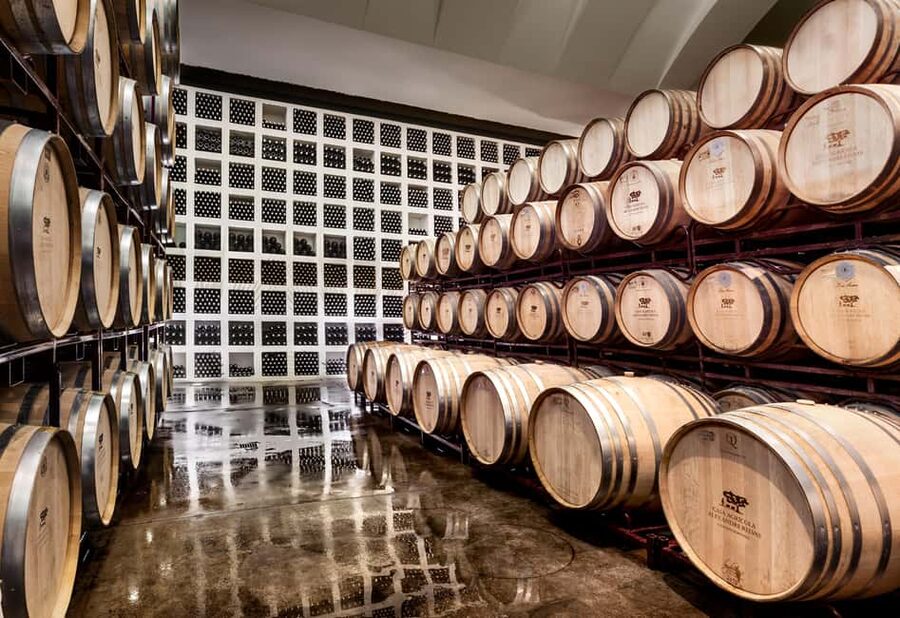
- Barrel aging criteria: you learn how oak origin, toasting level, and barrel capacity shape flavor.
- A real tasting set: five single-varietal wines paired with tapas and Casa Relvas olive oils.
- Terroir talk that links to what you taste: the tour starts with the property’s background and the regional feel of Alentejo.
What the Casa Relvas visit feels like (and why it’s worth your time)
This is the kind of winery visit that works even if you’re not a super-serious wine person. The format is built around watching the process in the winery, then checking your understanding with a tasting that ties it all together. You’ll walk from reception and production areas toward aging, and you’ll finish with a spread that makes the wine easier to evaluate.
The strongest part is the connection between method and taste. Instead of only saying what grapes are used, the tour focuses on the mechanics of winemaking—like how temperature control works during fermentation and why a winery chooses stainless steel tanks or oak barrels.
You also get a genuine, everyday feel. The property’s whole point is family land and family work, so the experience doesn’t come off like a staged show. It’s more “this is how we do it here” than “look at our performance.”
You can also read our reviews of more tours and experiences in Evora.
Reception in the winery: terroir + property context first
The tour starts with a reception at the winery. You’ll get a short introduction to the history of the property and the terroir of the region. In practical terms, this sets expectations: it helps you understand why the winery might favor certain production choices and what to pay attention to later.
Even if you’re short on wine vocabulary, you can still follow along because the “why” is tied to what’s coming next. Think of this first stop as your map. You’re getting the regional framing before you walk into the equipment-heavy part of the visit.
The guide speaks Spanish, English, and Portuguese, so you should be able to choose a language comfortably. Some content may appear in its original language, which usually just means you’ll see a bit of signage or specific phrasing on-site rather than losing the thread of the tour.
Watching the grape process: reception, destemming, pressing, fermentation
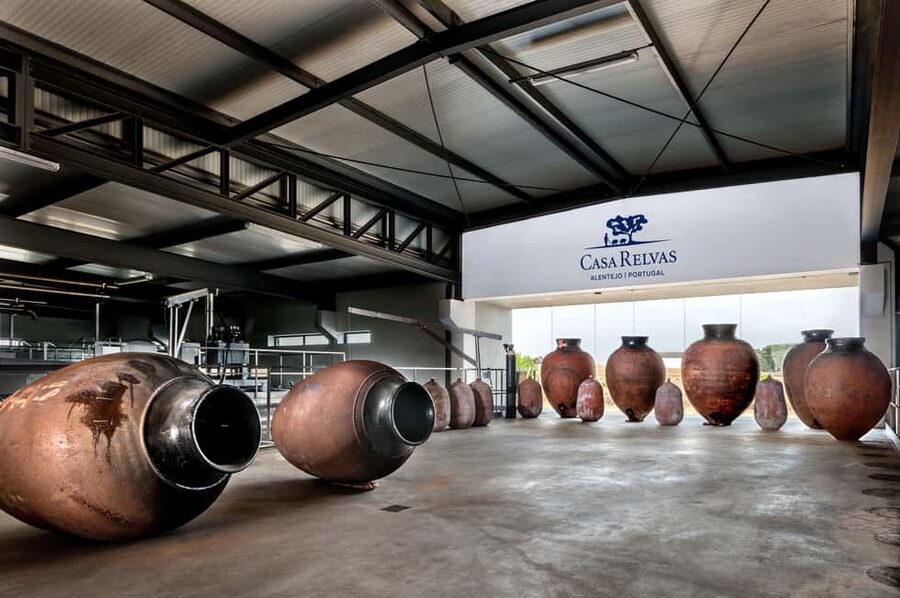
Once you’re in the winery, you’ll observe the production flow—grape reception, destemming, pressing, and alcoholic fermentation. The tour doesn’t treat these steps as trivia. It frames them as the early decisions that affect aroma, structure, and overall style.
Here’s what to look for as you move through this part of the tour:
- Grape reception and handling: this is the moment where quality and care matter most. You’re not just seeing tanks and machines—you’re seeing where the winemaking story begins.
- Destemming and pressing: these choices affect what comes out first (juice and components) and how clean or intense the raw material becomes.
- Alcoholic fermentation: you’ll hear explanations about temperature control, which is one of the biggest levers a winery has when shaping the final character of the wine.
One of the most useful pieces of context is the comparison between stainless steel tanks and oak barrels. You’ll get explanations about what tanks can preserve or emphasize, and how oak can contribute additional structure and flavor—then later you’ll get to test that idea directly during the tasting.
Stainless steel vs oak: the practical winemaking difference you can taste
This part matters because it gives you a simple mental model. Stainless steel tanks and oak barrels don’t just sound different—they steer the wine toward different outcomes.
From the tour, you’ll learn how stainless steel is tied to temperature control and how that can support a cleaner, fresher expression of the grapes. Then you’ll contrast that with the role oak plays, especially as wine moves from fermentation into aging.
If you’ve ever wondered why two bottles with the same grapes can still taste like different worlds, this section is where you start to get the answer.
The aging cellar visit: how barrels are chosen (and why you should care)
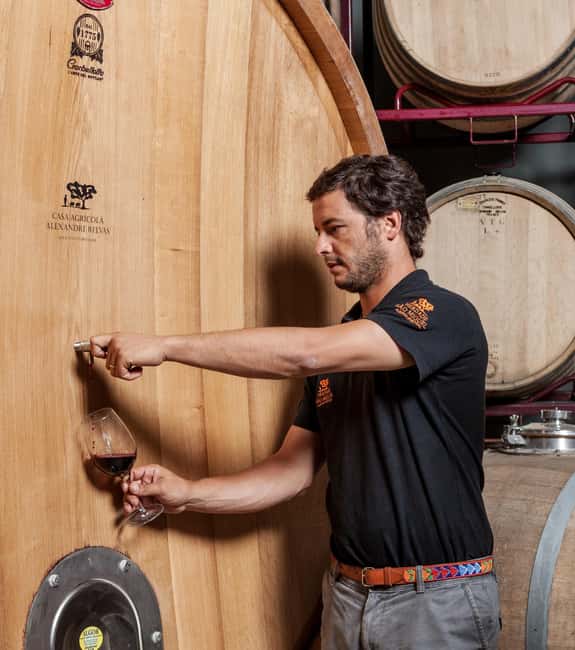
After production, you can visit the aging cellar. This is where the tour gets especially concrete. Instead of only talking about “oak influence,” you’ll hear about the criteria used when choosing barrels.
The barrel selection explanation includes:
- origin of the oak
- toasting level
- barrel capacity
Those details are not just technical. They directly affect the sensory impact—so your brain is setting up an expectation for what the tasting will show you. For example, toast level can change how much spice, sweetness, or toasted notes show up. Oak origin influences the style of wood character. Even barrel size (capacity) can influence the balance between fruit and oak influence as the wine matures.
This is also the part where you’ll feel the tour’s value if you like to connect “process” to “flavor.” If you tend to skim past technical details in wine blogs, you’ll probably still follow this, because the barrel factors are easy to repeat back after the visit.
The tasting finale: five Portuguese grape varieties with tapas and olive oil
The last stage is the payoff: a tasting of five wines, plus tapas and Casa Relvas olive oils. The wines are single-varietal, meaning each one is meant to highlight a particular grape character. That’s a smart way to learn. You can compare grape personality more clearly when the lineup is built around single-variety examples.
What you should pay attention to during the tasting:
- How each wine changes from one varietal to the next
- Whether you notice differences that match what you saw in fermentation and aging
- How the tapas and olive oils work as food companions, not just filler
The pairing matters because it helps you evaluate structure and acidity without constantly asking your palate to do extra work. Olive oil in particular can be a helpful flavor “bridge,” since it carries fats and aromas that interact with wine in a very noticeable way.
Based on the tone of the experiences I’ve read about, the tasting quality is a key reason people recommend the visit—and it’s the part that often leads to bottles going home. When the wines are good and the guide can explain why, buying a couple of bottles stops feeling like an impulse and starts feeling like “okay, I get this.”
Price and value: is $76 per person fair?
At $76 per person, this isn’t the cheapest “sip and stroll” option. But for a 90-minute format that includes an on-site winery production walkthrough, a cellar visit option, and a structured tasting with five wines plus tapas and olive oil, the price looks pretty reasonable.
Here’s why it holds up:
- You’re paying for more than a tasting. You’re paying for the process viewing: reception, pressing, fermentation, and the tank vs oak explanation.
- You’re not just sampling. You’re tasting a set designed around single-varietal comparisons, so the experience teaches you something.
- You’re getting food and olive oil included, which makes the tasting feel like a proper mini meal rather than a snack.
If you’re the kind of person who wants wine education and a satisfying end to the visit, this price tends to make sense. If your only goal is a quick taste without explanations, you might decide it’s more than you need.
Who this tour suits best (and who might skip it)
This works best if you like hands-on explanations and you want to understand the “how” behind the bottle. It’s a good fit for wine newcomers because the steps are shown clearly, and it’s a good fit for enthusiasts because the tour covers the choices that genuinely change wine style.
You’ll also enjoy it if you like wineries that feel like working properties, not just tourist machines. The “family connected to the land” angle comes through in the tone, and the modern installations make the whole thing easy to take in.
I’d consider skipping if:
- you hate technical talk even when it’s explained in plain terms
- you only want a short tasting and no cellars or production areas
- you’re traveling on a schedule so tight that 90 minutes will feel rushed
What to expect timing-wise (90 minutes is focused)
Ninety minutes is enough time to cover the core stages without turning it into a full half-day plan. That’s ideal for a visit when you’re also planning time around Évora itself.
To get the most out of it, arrive with an open mindset for both production and tasting. This isn’t just a “watch and drink” experience. You’ll get short introductions, then you’ll move through steps, and you’ll end with a tasting designed to use what you just learned.
Booking smart: languages, guide, and how to approach it
The live guide is available in Spanish, English, and Portuguese, so pick the language that lets you follow details without straining. I’d also pay attention to any original-language materials you see on-site—since some content may appear that way, it helps to focus on the guide’s spoken explanation for the full story.
If you’re planning around other stops, keep your calendar flexible. The experience offers free cancellation up to 24 hours in advance for a full refund, and there’s a reserve now & pay later option that can reduce stress if your schedule is still shifting.
Should you book Casa Relvas?
Yes, you should book this tour if you want a compact winery visit that explains real production choices and then proves them in a tasting. I especially like the way the visit connects the process—stainless steel vs oak, temperature control, and barrel selection criteria—to the wines you drink.
It’s also a good call if you value guidance that goes beyond rushing you through. The guide named Ana has a strong reputation for generous time and solid explanations, and that tends to be the difference between a forgettable stop and a visit you remember when you’re shopping for bottles later.
FAQ
How long is the Casa Relvas winery visit?
The visit lasts 90 minutes.
What is included in the tasting?
You’ll taste five single-varietal wines, along with tapas and Casa Relvas olive oils.
Do you visit the aging cellar?
Yes. The tour includes the possibility to visit the aging cellar and learn about barrel selection criteria.
What languages does the live tour guide speak?
The live tour guide is available in Spanish, English, and Portuguese.
Can I cancel for a full refund?
Yes. You can cancel up to 24 hours in advance for a full refund.
Is there a reserve now & pay later option?
Yes. You can reserve your spot and pay nothing today.