REVIEW · CHABLIS
Chablis: Tour and tasting Family-run winery
Book on GetYourGuide →Operated by Domaine Fourrey · Bookable on GetYourGuide
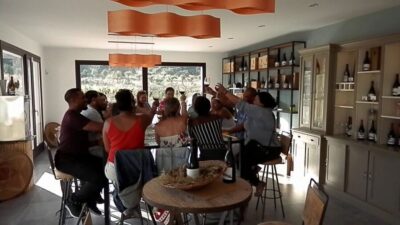
Chablis tasting has a neat trick: four tiers, one session. At Domaine Fourrey, you go from vineyard to bottle with a family-team feel, then sample Petit Chablis through Grand Cru alongside Pinot Noir. One possible downside: with a 90-minute format, the pace is lively, so you’ll want to show up ready to pay attention.
I like how the tour isn’t just about pouring wine. You’ll hear the values behind the wines, how they’re made, and the ecological approach used on the estate, with an English or Spanish live guide.
There’s also a nice family touch: games and pencils are available for children during the visit. If you’re traveling with kids, that small detail can make the difference between a smooth outing and a long, stressed one.
In This Review
- Key things I’d circle before you book
- Domaine Fourrey: a family-run Chablis stop with real focus
- The vineyard-to-bottle tour: what you learn before you taste
- The pacing you should expect
- Four Chablis appellations in one tasting flight
- What to pay attention to while you taste
- A practical tip for choosing your favorites
- Pinot Noir joins the party for a smart comparison
- How the guide communicates: English, Spanish, and clear structure
- When the visit feels less formal
- Value check: is $17 worth it for 90 minutes?
- Who this tour is best for (and who should consider another option)
- Practical tips to make your tasting smoother
- Should you book this Chablis tour at Domaine Fourrey?
- FAQ
- How long is the Domaine Fourrey Chablis tour and tasting?
- What does the tour cost?
- What is included in the price?
- Which Chablis wines will I taste?
- Is Pinot Noir included in the tasting?
- What languages are available for the live tour guide?
- Is there anything available for children during the visit?
- What kind of information will the tour cover?
- Can I cancel for a full refund?
- Is there a reserve and pay later option?
Key things I’d circle before you book
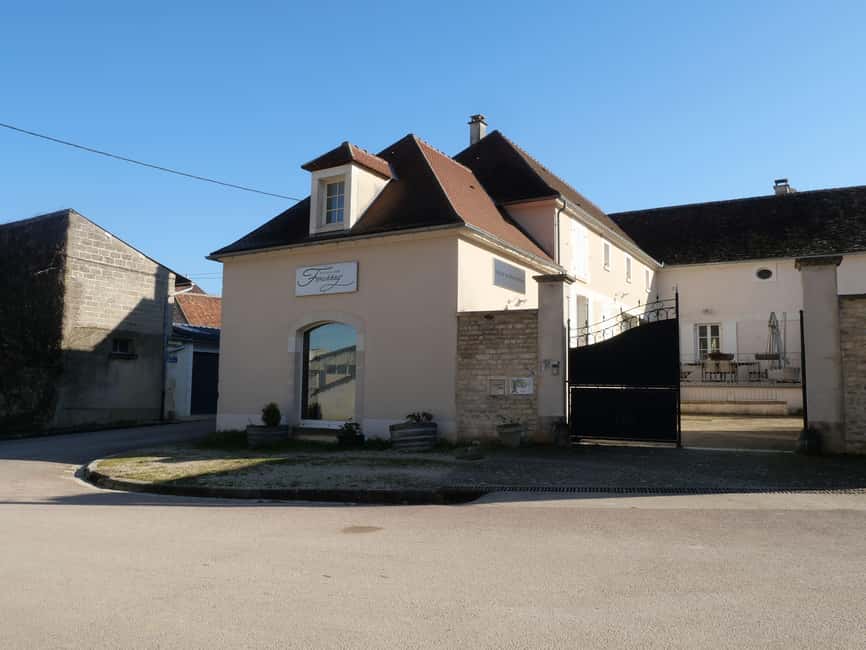
- Family-run Domaine Fourrey with hands-on storytelling from the estate team
- Four Chablis appellation levels tasted in one guided flight (Petit Chablis to Grand Cru)
- Vineyard-to-bottle explanation focused on how the grapes become wine
- Respect for tradition paired with an ecological approach you can ask questions about
- English and Spanish live tour guide, so you can follow every step
- Kids get drawing tools and games, making it easier to keep them occupied
Domaine Fourrey: a family-run Chablis stop with real focus
If you want Chablis without the big-production feel, this tour at Domaine Fourrey is built for that. It’s a family estate in Bourgogne-Franche-Comté, and the experience is designed around one core idea: you should understand what you’re tasting and why.
The price is about $17 per person for a 90-minute visit that combines a guided tour and a tasting. That matters because many wine visits separate the “education” part from the “drinking” part. Here, they’re joined together, so your questions make sense in the moment.
Also, it’s not a one-note experience. You’ll taste multiple Chablis tiers and include Pinot Noir, which helps you keep your tasting comparisons grounded.
The vineyard-to-bottle tour: what you learn before you taste
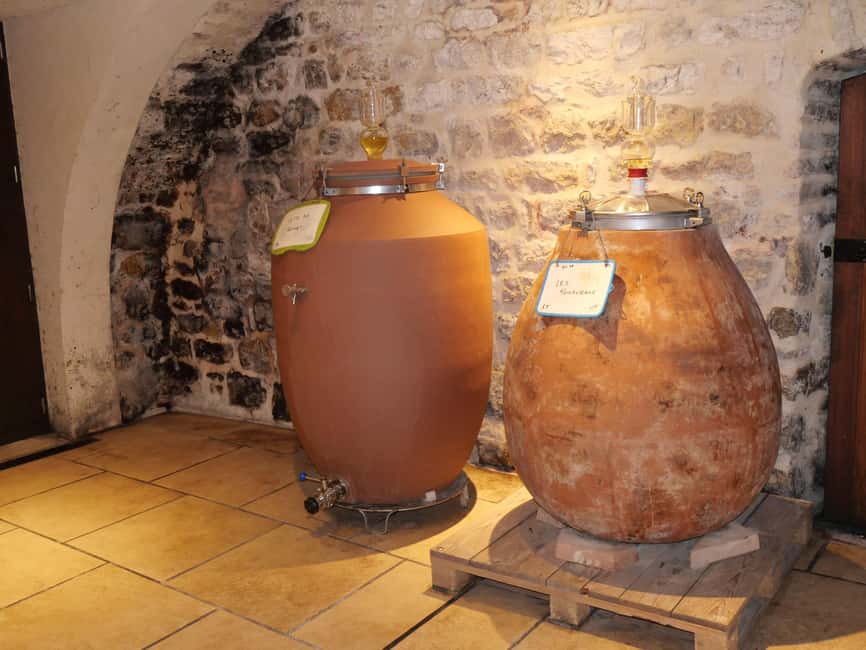
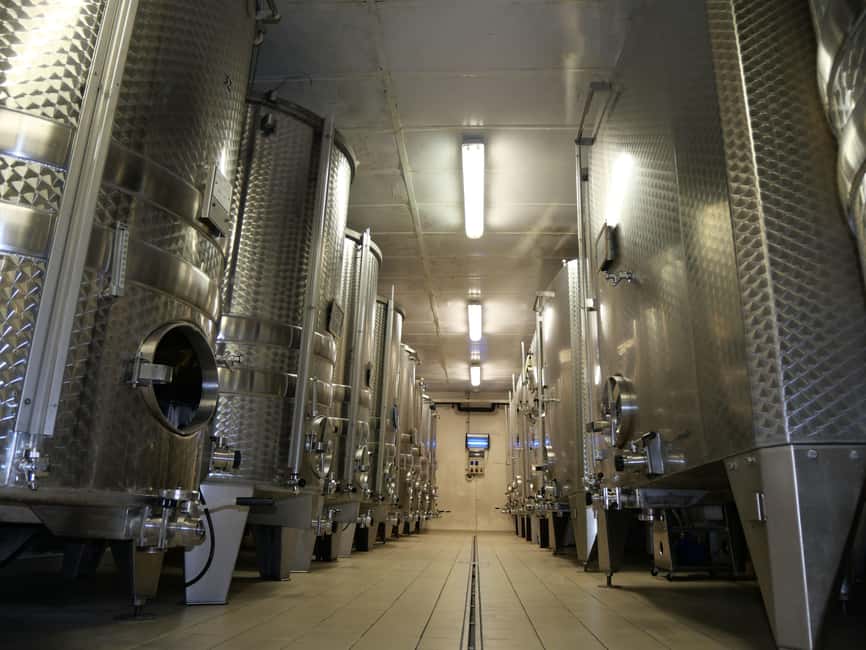
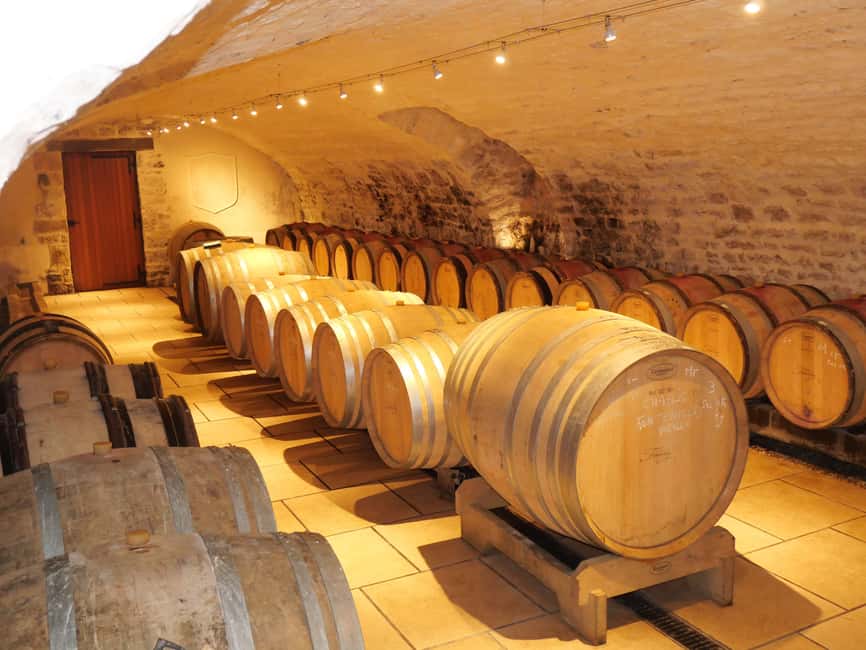
The structure is simple and that’s a good thing. You’re invited to follow the grapes’ journey from the vineyard all the way to the bottle. Instead of only talking about final flavors, the tour walks you through the process step by step.
You’ll also hear about the domaine’s values and how the wines are made with respect for tradition. That gives you a lens for tasting: you start to notice not just what you like, but what the winemaking approach is trying to protect.
Then comes the other important layer: an ecological approach. The key point for you is not whether you already know organic or biodynamic terms. It’s that the guide frames the choices the estate is making, so you can connect the production approach to the style in your glass.
The pacing you should expect
The whole experience is 90 minutes, so you won’t get a slow museum-like stroll. It’s more like: explanation, movement, then a tasting sequence that follows what you just learned.
That can be perfect for wine beginners. It can be less perfect if you’re the type who wants lots of extra time for lingering questions or a deeper walk through cellar details. If you enjoy crisp, guided momentum, you’ll probably love this format.
Four Chablis appellations in one tasting flight
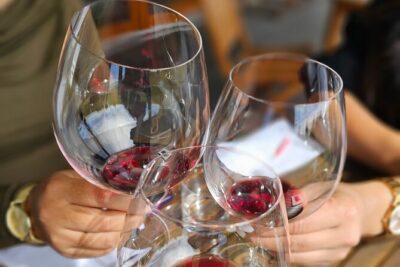
The tasting is the headline. You’ll sample four Chablis appellation levels: Petit Chablis, Chablis, Chablis 1er Cru, and Chablis Grand Cru.
Here’s why this tasting plan is so useful: it lets you compare tiers without needing a wine shop or a long driver’s schedule. You can build a mental map for yourself. Even if you don’t know the rules of appellations, you’ll still be able to notice how the wines change as you move up the ladder.
What to pay attention to while you taste
You’ll get the most out of it if you treat the tasting like a set of comparisons, not just a list of wines. After each pour, ask yourself two things:
- Do you notice more structure or intensity as the appellation tier increases?
- Which wine feels the most balanced for your style of drinking, not just the most impressive on paper?
Because the tour ties back to vineyard-to-bottle production and tradition, you’ll have a stronger reason for your impressions. In other words, your tasting won’t float in space.
A practical tip for choosing your favorites
Since you’re tasting four Chablis wines plus Pinot Noir, it helps to choose just one “anchor” Chablis for your taste at the start—maybe the one you’d buy for an everyday table meal. Then use the later pours to see whether the higher tiers match that anchor, or if you prefer the simpler, lighter end of the spectrum.
Pinot Noir joins the party for a smart comparison
After the Chablis tiers, you’ll also taste Pinot Noir. That’s a thoughtful inclusion because it shifts you from the Chablis-only comparison mode into a broader Burgundy reality.
You don’t need to be a sommelier to benefit. The value here is contrast. When you taste Pinot Noir after Chablis, you’ll better understand what changes when you move beyond the Chablis framework and into a different red expression in the region.
If you’re traveling with someone who isn’t only into white wine, this addition can keep everyone happy. It also helps you leave with a more flexible shopping list instead of just one style.
How the guide communicates: English, Spanish, and clear structure
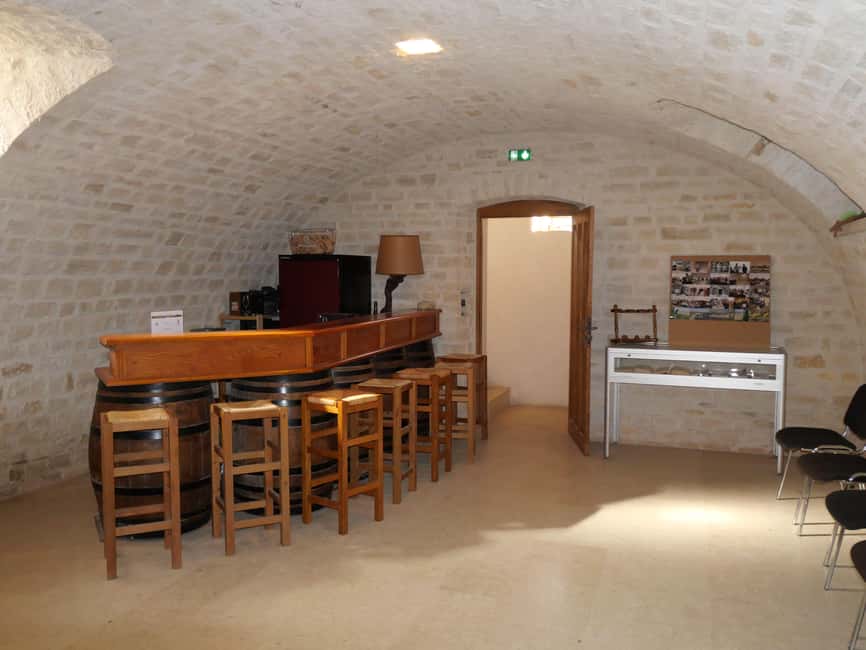
This is a live guided tour with English or Spanish options. That matters because wine tours can get frustrating when you’re relying on hand gestures and guesswork. Here, the guide is there to explain the estate journey and the ecological and traditional approach in a way you can follow.
One detail I really like: the host doesn’t just recite facts. The explanations are step-by-step, from terroir through production and down to bottling. That style helps you connect what you’re told to what you taste.
When the visit feels less formal
A quieter, more personal feel can happen when the group is small. On at least one occasion, the visit was described as happening without other people around, which made the experience feel less strict and easier to enjoy. You should still treat this as a possibility, not a guarantee, but it’s a good sign that the estate can keep the tone friendly.
Value check: is $17 worth it for 90 minutes?
At about $17 per person, you’re paying for two things: an estate tour plus a tasting. For Chablis, that’s a strong deal if your goal is understanding what’s in the glass without turning the day into an expensive wine itinerary.
Here’s how I’d judge value in your shoes:
- You get the tour first, so the tasting doesn’t feel random.
- You taste four Chablis tiers, which is more variety than many quick tastings.
- You get Pinot Noir, so the experience isn’t only whites.
- You’re at a family-run estate, which often means more direct communication and a more personal feel.
The only value risk is the same one mentioned earlier: time. With 90 minutes, you’ll have less room for lingering. If you want a slow, long conversation and an extended cellar tour, you might feel slightly rushed. If you want an efficient, guided, informative tasting, it’s likely a great fit.
Who this tour is best for (and who should consider another option)
This visit is a good match for:
- Wine-curious travelers who want a clear path from vineyard to bottle
- People who like tasting wines across multiple quality tiers in a single sitting
- Families traveling with children, thanks to games and pencils
- Anyone who wants the comfort of an English or Spanish live guide
It might be less ideal if you’re looking for a very long tasting with huge selection depth, or if you plan to visit multiple wineries the same day and need a slow start.
One more thought: if you’re picky about tasting only Grand Cru-level wines, this tour is still worth it, because Petit Chablis and Chablis are part of the comparison. You’ll learn what you actually prefer, not just what impresses on a label.
Practical tips to make your tasting smoother
Here are a few ways to make the most of the 90-minute structure.
- Arrive on time. In short wine sessions, timing matters more than you’d think.
- Go in with one question you care about. For example: How does the estate’s traditional and ecological approach show up in the wines you drink?
- Plan your notes lightly. You don’t need to write a novel. A quick ranking of the four Chablis tiers plus Pinot Noir helps you remember what you liked later.
- If you’re with kids, let them use the provided games and pencils. It keeps the mood calm and helps you stay present in the tour.
Should you book this Chablis tour at Domaine Fourrey?
I’d book it if your ideal day looks like: a family-run estate, a guided explanation from vineyard to bottle, and a tasting that covers Petit Chablis, Chablis, Chablis 1er Cru, and Chablis Grand Cru plus Pinot Noir. The $17 price point for 90 minutes feels fair because you’re getting education and variety together.
Skip it only if you want a slow, ultra-detailed walk-through or a very relaxed tasting pace. Otherwise, this is the kind of tour that helps you leave with real clarity: what you liked, why you liked it, and how to think about the next Chablis bottle you buy.
FAQ
How long is the Domaine Fourrey Chablis tour and tasting?
The experience lasts 90 minutes.
What does the tour cost?
The price is $17 per person.
What is included in the price?
The tour of the estate and the tasting are included.
Which Chablis wines will I taste?
You’ll taste Petit Chablis, Chablis, Chablis 1er Cru, and Chablis Grand Cru.
Is Pinot Noir included in the tasting?
Yes, the tasting also includes Pinot Noir.
What languages are available for the live tour guide?
The live tour guide is available in English and Spanish.
Is there anything available for children during the visit?
Yes. Games and pencils are available for children.
What kind of information will the tour cover?
You’ll learn the journey grapes take from vineyard to bottle, the values behind the wines, how the wines are made, and the estate’s ecological approach.
Can I cancel for a full refund?
Yes. You can cancel up to 24 hours in advance for a full refund.
Is there a reserve and pay later option?
Yes. You can reserve your spot and pay nothing today.