REVIEW · ALICANTE
From Alicante and Elche: Guided tour for vineyard and winery with tasting
Book on GetYourGuide →Operated by Alicante Tour · Bookable on GetYourGuide
Wine lessons, served in real time. This small-group trip mixes a vineyard visit with a proper winery tour and a three-wine tasting. It’s set around a winery founded in 1707, where you’ll see how ancient traditions and modern winemaking work side by side.
I especially like the focus on Mediterranean growing—this isn’t just a room full of brochures. You’ll also get to taste white, rosé, and red, with snacks that keep you happy through the visit.
One consideration: lunch isn’t included. If you want to eat at the winery, you’ll need a reservation and it costs extra (and the meal is paid separately).
In This Review
- Key highlights you’ll actually care about
- Why this 1707 winery tour feels different from the usual tasting
- Getting from Alicante and Elche without the bus drama
- First stop in the wine world: the vineyard and grape education
- The Marquises’ 1707 house: history you can see, not just hear
- Into the winery: production facilities and fermentation room
- The tasting at the highlight level: white, rosé, red
- Organic, limited-quantity wine: what it means for you
- The restaurant option: stay for lunch if you want to slow down
- Time, group size, and comfort: why it lasts 2.5 hours
- Practical notes that help before you go
- Is this tour worth $64?
- Who should book this wine tour
- Should you book this tour?
- FAQ
- How long is the vineyard and winery guided tour with tasting?
- Where does pickup happen?
- Do I get transportation in a private vehicle?
- What will I taste during the tasting?
- Is lunch included?
- What areas does the guide cover during the tour?
- What languages are offered?
- Is the tour suitable for wheelchair users?
- What’s the small-group size limit?
Key highlights you’ll actually care about
- A 1707 house tied to the Marquises of La Romana that you get to explore, not just pass by
- Vineyard time where you learn grape varieties and how the vines are cultivated
- Production rooms plus fermentation space, so you understand what happens after harvest
- Three pours (white, rosé, red) paired with bread sticks, olives, and a tapa
- Organic, limited-quantity wine made with older methods plus modern tech
- Private car pickup from several Alicante/Elche locations, capped at 15 people
Why this 1707 winery tour feels different from the usual tasting
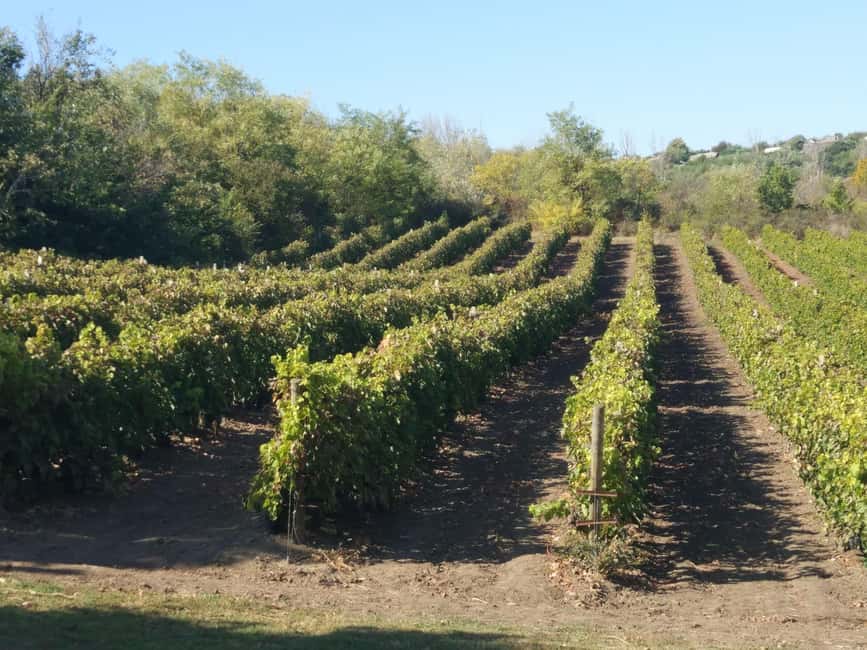
Most wine tours do one of two things: they either sell the tasting, or they sell the story. This one tries to do both, and it gives you enough time to connect the dots. You start in the vineyard world, then move into production, then finish with tasting—so the wine isn’t floating in the air. It’s grounded.
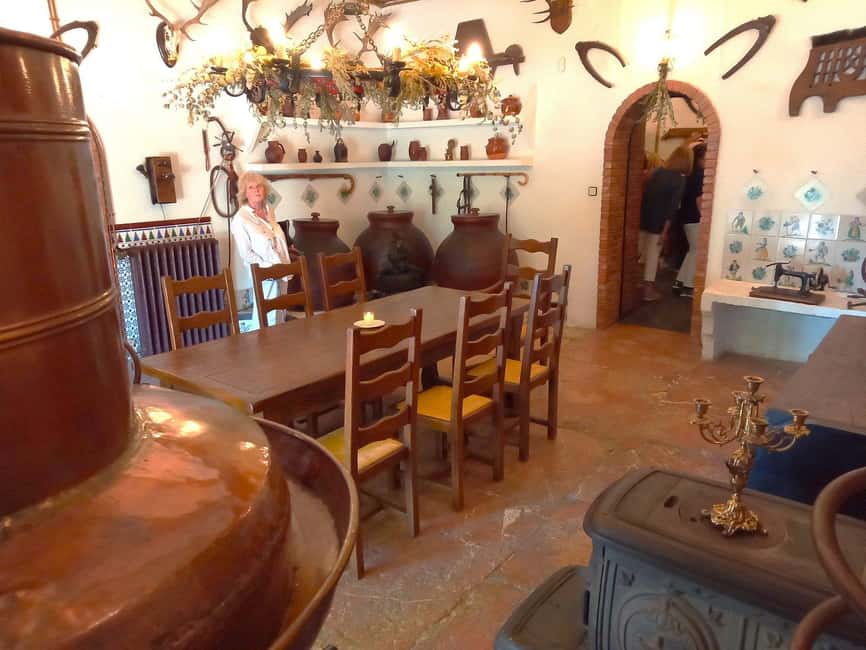
The setting helps, too. You’re not touring a shiny showroom. You’re walking through historical premises where 18th-century items—furniture, tools of wine production, and household pieces—have been preserved. That’s the kind of detail that makes the tour feel like you stepped into the past for a bit, then brought yourself back to the present with organic wine made today.
Still, if you’re the type who only wants a quick sip-and-go, this isn’t a 30-minute hop. It’s paced as a guided experience, built around a full vineyard-to-cellar flow and a tasting at the end.
You can also read our reviews of more tours and experiences in Alicante.
Getting from Alicante and Elche without the bus drama
You’ll be picked up in a comfortable car—this is specifically not a bus setup. That matters more than it sounds. Car transfers tend to feel smoother, and they keep the group together. You also get multiple pickup options around the area, including places like the Meliá Alicante, the Reyes Católicos Premium Beach, the Outlet Stores Alicante, and Elche hotels such as B&B HOTEL Elche and Travelodge Alicante Puerto.
Before you leave, the operator lets you know the car details (make and registration). You’ll also get drop-off back at the same general set of locations. So you’re not stuck guessing how you’ll get home after the tasting.
It runs about 2.5 hours total, so you get a proper local excursion without eating half your day.
First stop in the wine world: the vineyard and grape education
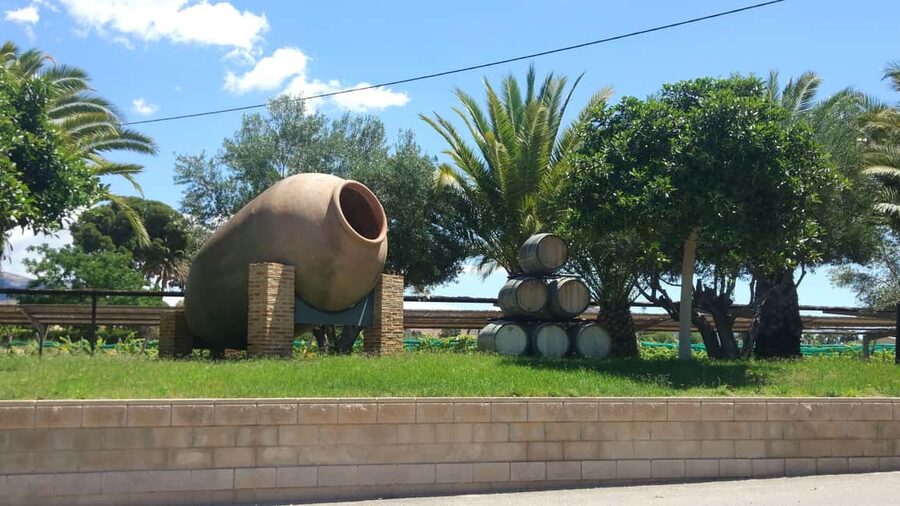
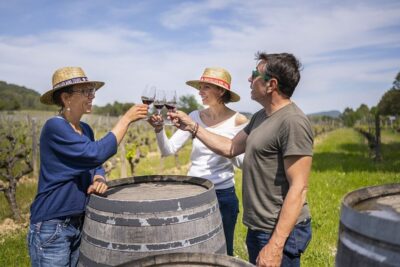
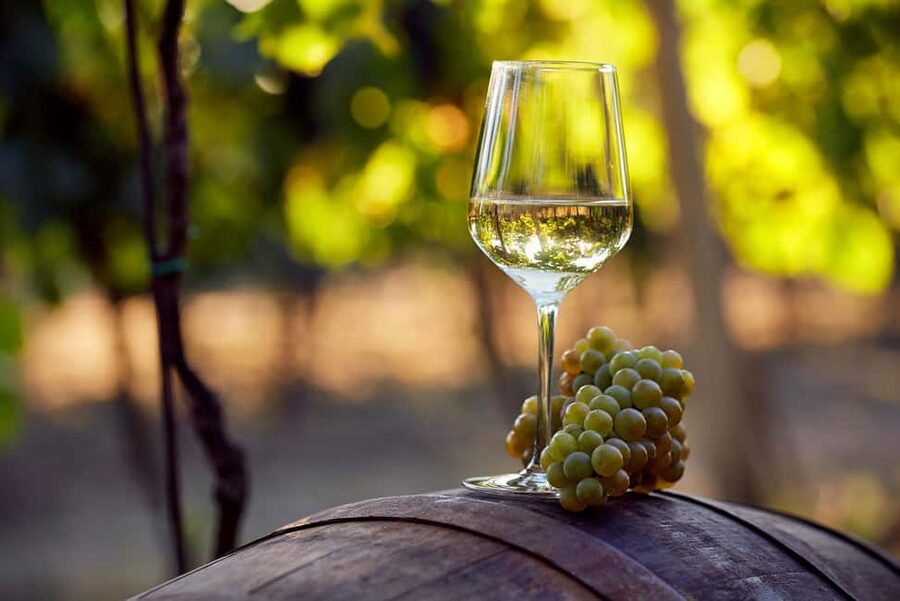
The tour begins with a visit to the vineyard area. This is where you get the practical “why” behind the wine, not just the “what.” You’ll learn about grape varieties and the way vines are cultivated in this Mediterranean setting.
Even if you’re not a wine nerd, I think this part is useful. Knowing how grapes are grown makes the tasting make more sense. When you later taste the white, rosé, and red, you can start thinking in terms of style, balance, and what the vineyard choices lead to.
You’ll also get a guided rhythm here: walk, explain, then connect. It’s built for small-group touring, so you’re not shouting over twenty strangers while someone rushes through the science.
The Marquises’ 1707 house: history you can see, not just hear
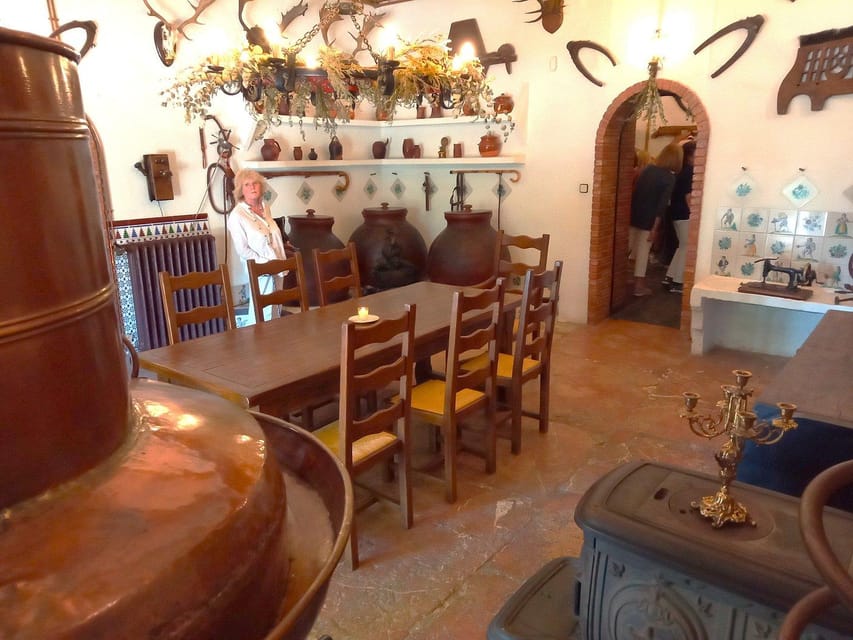
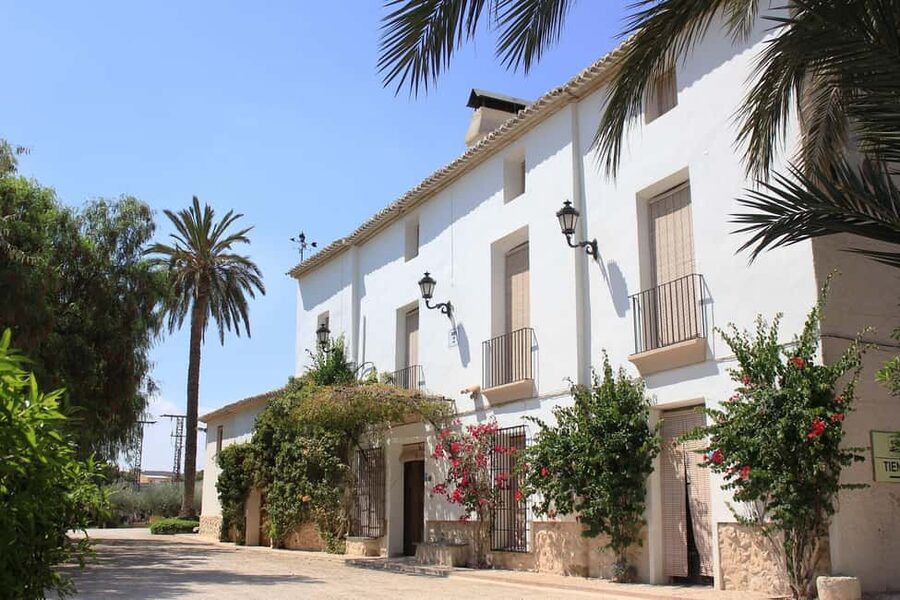
After the vineyard, you’ll move into the winery’s historical spaces. The standout is the old house dating back to 1707, tied to the Marquises of La Romana.
What I like about this section is that it’s not just a pretty facade. You’ll see preserved items that reflect day-to-day life and earlier winemaking practices—furniture, production tools, and household pieces from the 18th century. It turns the winery into a place with memory, not a branded marketing stop.
This also helps the tour feel authentic. It’s one thing to hear that a winery has been around for centuries. It’s another to walk through rooms where objects remain, like someone paused time.
Into the winery: production facilities and fermentation room
Next comes the part that most tasting-only tours skip: the actual production process. You’ll visit the production facilities and the fermentation room, guided by a professional.
Here’s the big idea you’ll be taking with you: this winery is known for using ancient traditions combined with modern technologies. That blend is the thread linking the 1707 story to the wine you’re sipping at the end.
You’ll also learn about agriculture and production methods for Mediterranean wine, with emphasis on organic practices. The goal isn’t to overwhelm you with jargon. It’s to help you understand what choices lead to a finished bottle.
If you enjoy seeing how food and drink are made, this portion is the real payoff. It’s where the tour turns from sightseeing into actual comprehension.


The tasting at the highlight level: white, rosé, red
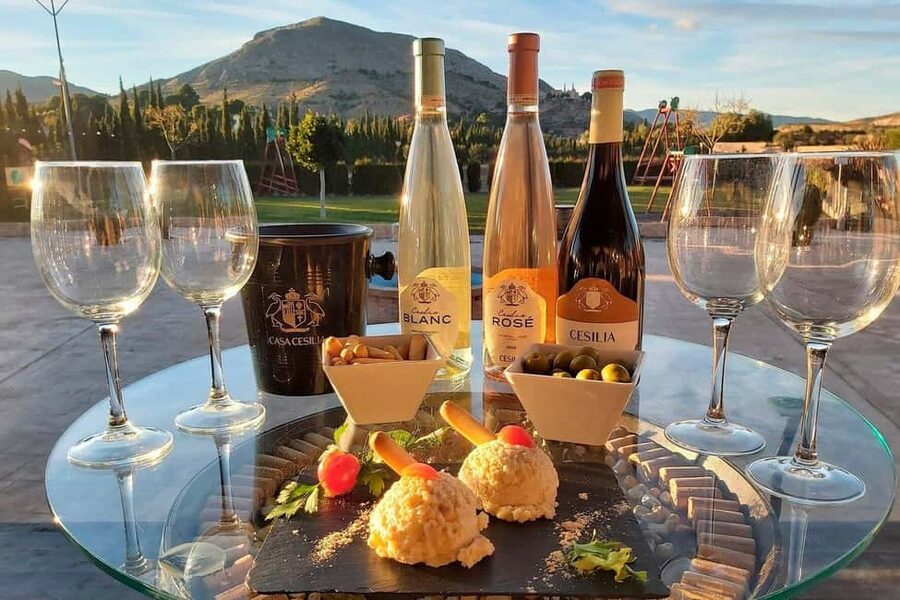
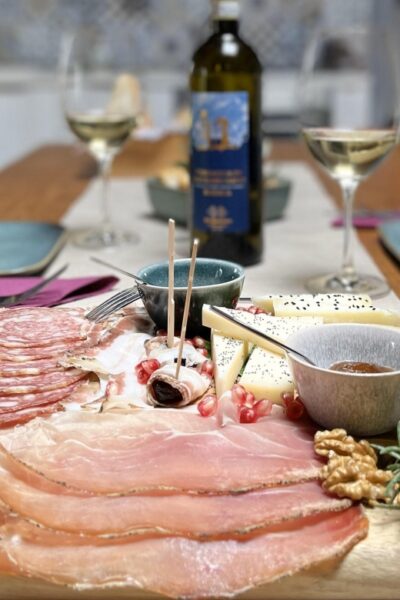
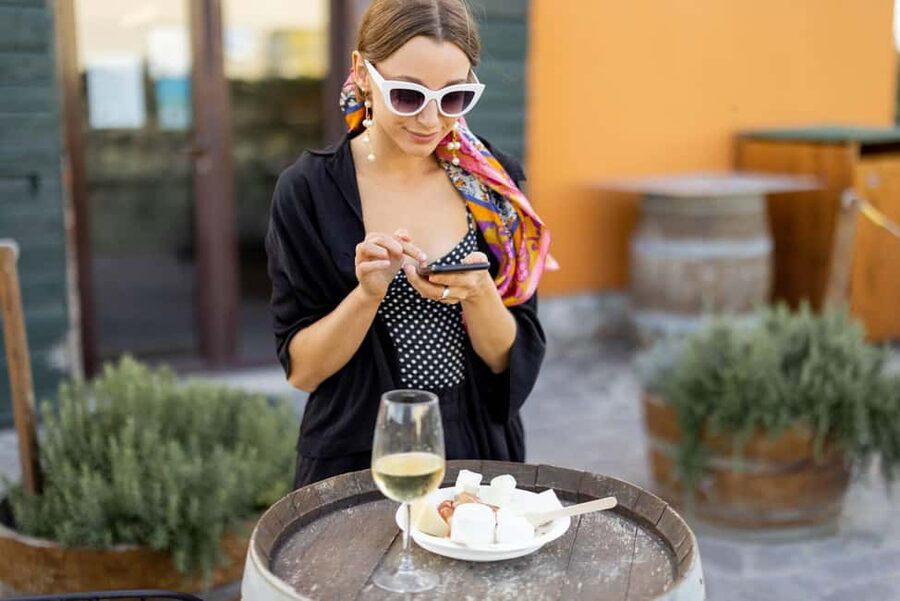
The tasting is the centerpiece: three wines—a white, a rosé, and a red—served alongside simple snacks. You’ll get bread sticks, olives, and a tapa. This is a smart pairing approach because it keeps your palate from getting bored and it prevents the tasting from feeling harsh on an empty stomach.
I also like that the tasting matches the tour’s structure. If you only did the tasting, you’d see three bottles. With the vineyard walk and production room built in, you start to recognize the logic behind each style.
Because the winery is producing organic wine in limited quantities, you’re more likely to taste a range that feels intentional rather than mass-market. In plain terms: you’re tasting a winery’s choices, not a supermarket compromise.
Organic, limited-quantity wine: what it means for you
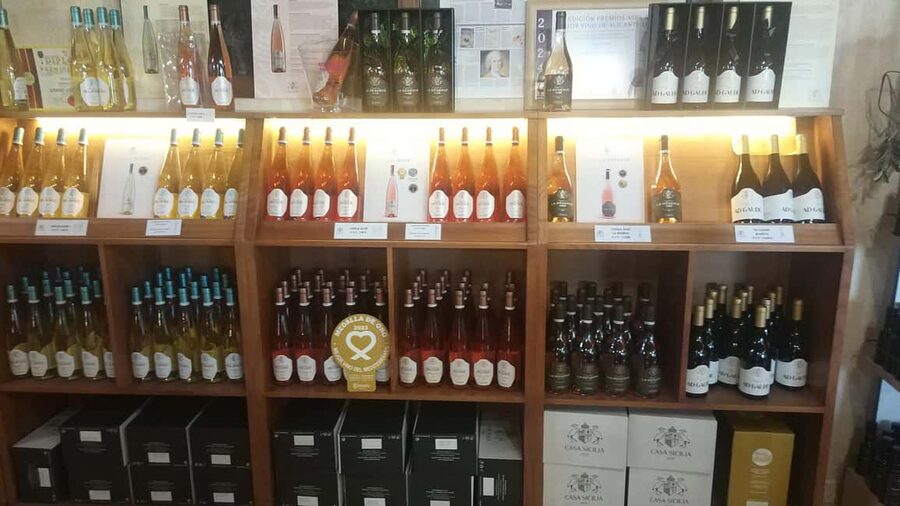
You’re not just hearing the word organic—you’ll learn the methods the winery uses to produce organic wine. The tour emphasizes that the winery doesn’t operate like a chain selling wine in supermarkets. Instead, it focuses on organic production and limited quantities.
That matters for your decision as a traveler. Limited runs often mean the winery is trying to express a style rather than chasing volume. It also changes the vibe: you’re more likely to feel like you’re on a more personal, boutique-style visit.
If you care about authenticity, this is one of the best parts of the experience. You’re not just buying into a story—you’re tasting the result of that story.
The restaurant option: stay for lunch if you want to slow down
You can eat after the tour at the winery restaurant. Lunch is not included, but you can request time there.
Two practical notes:
- You need to reserve a table, and the reservation service costs 20 euros.
- The meal itself is paid separately.
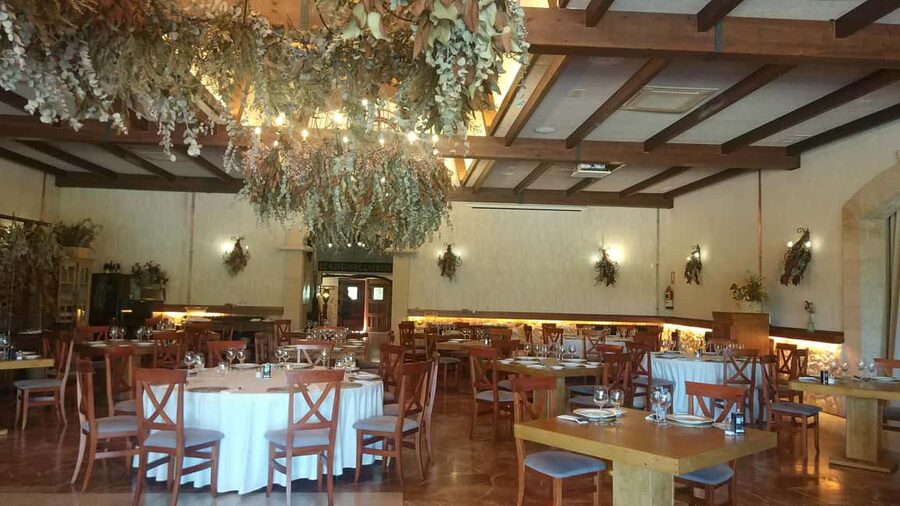
That said, one review highlighted that the food was fantastic after the visit, so if you like turning a tour into a whole mini-meal day, this can be worth it. The winery also has a restaurant in a spacious hall and a garden area with a fountain, so you’re not confined to a windowless room while you wait.
Time, group size, and comfort: why it lasts 2.5 hours
This tour is built for small-group touring, limited to 15 participants. That cap matters. With a group that size, questions are more likely to land. You can hear the guide, and the pace doesn’t feel like a factory line.
The total duration is about 2.5 hours, which is the sweet spot for a vineyard-and-winery experience when you’re basing yourself in Alicante or Elche. You’ll get meaningful content without the “vacation spent in transit” feeling.
One little comfort detail: the tour includes professional guidance, and transportation is in a comfortable car. You’re not stuck with bus legs or crowded seating.
Practical notes that help before you go
A few rules keep things smooth:
- No smoking in the vehicle
- No drinks in the vehicle
- No food in the vehicle
Also, it’s not suitable for wheelchair users, so plan accordingly if mobility is a factor.
Language coverage is good for this region: the live tour guide works in English, Spanish, and Russian. The driver also speaks multiple languages (including Romanian and Russian), which can help if you want clarity during pickup.
Is this tour worth $64?
At $64 per person, you’re paying for more than a tasting. You get private car transport, guided vineyard and winery time, access to historical premises, and a tasting of three wines with snacks.
So the value equation looks like this:
- Time saved (private pickup and drop-off)
- More value per minute (vineyard + production rooms + tasting, not just one room)
- Included tasting experience (3 wines plus bread/olives/tapa)
If you’d otherwise spend time arranging transport and then only do a short tasting, the package starts to make sense quickly. This is especially true in wine regions where self-guided plans can become a calendar puzzle.
Who should book this wine tour
I’d book it if you:
- Want a real guided winery visit, not only drinking
- Like places with historical depth, especially when you can actually see old tools and preserved rooms
- Care about organic wine and want to learn how that’s practiced
- Enjoy small groups where you can ask questions and stay engaged
If you’re trying to maximize nightlife or spend most of the day at the beach, this may feel like too structured. But if you want one focused, local experience, it’s a strong match.
Should you book this tour?
Yes, if you want a compact Alicante/Elche wine day that connects vineyard work to the finished bottle. The big strengths are the 1707 historic setting, the vineyard-to-fermentation flow, and the fact that the tasting includes three wines plus snacks.
Skip it if you only want a casual tasting with zero structure, or if mobility needs make it hard to participate (it’s not wheelchair friendly). Otherwise, this is the kind of tour that leaves you with more than a souvenir bottle—it leaves you with a clearer sense of how wine is made here.
FAQ
How long is the vineyard and winery guided tour with tasting?
The total experience is about 2.5 hours.
Where does pickup happen?
Pickup is available from multiple locations, including Reyes Católicos Premium Beach, the Outlet Stores Alicante, Meliá Alicante, B&B HOTEL Elche, Hotel Travelodge Alicante Puerto, and Hotel Port Alicante City & Beach.
Do I get transportation in a private vehicle?
Yes. You’ll have private transportation in a comfortable car, and it is not a bus.
What will I taste during the tasting?
You’ll taste three wines: a white, a rosé, and a red, along with bread sticks, olives, and a tapa.
Is lunch included?
No. Lunch is not included. You can reserve to eat at the winery restaurant, but the reservation service costs 20 euros and lunch is paid separately.
What areas does the guide cover during the tour?
You’ll visit the vineyard, the old 1707 house with preserved 18th-century items, the winery facilities, and the fermentation room.
What languages are offered?
The live tour guide operates in English, Spanish, and Russian.
Is the tour suitable for wheelchair users?
No, the activity is not suitable for wheelchair users.
What’s the small-group size limit?
The tour is limited to 15 participants.