REVIEW · BELGRADE
From Belgrade: Novi Sad & Fruska gora & winery and monastery
Book on GetYourGuide →Operated by Balkan roads d.o.o · Bookable on GetYourGuide
Serbia’s Danube day trip is packed with stories. The big draws for me were the views from Petrovaradin Fortress and the chance to taste Bermet, a spicy Serbian dessert wine. One possible drawback: it’s tight in an 8-hour schedule, so you won’t linger forever in each place.
I also liked how the day connects culture to place—Fruska Gora isn’t just a backdrop, and the monastery at Krušedol puts Orthodox art into a real mountain setting. The tour experience tends to rise or fall with the guide, and strong guides such as Milos, Novika, and Stefan show up in the best versions of this trip—talkative, funny, and ready with details.
In This Review
- Key points before you go
- A full-day route that links Serbia in one loop
- What you should know about the pace
- Belgrade pickup to the monastery: the van time that turns into context
- Quick practical note
- Krušedol Monastery on Fruska Gora: Orthodox art with mountain air
- Small watch-outs
- Sremski Karlovci: a second history lesson with real landmarks
- Vinariја Živanović and the Bermet tasting: why this wine is different
- How to make the most of tasting time
- Petrovaradin Fortress: Danube views, tunnels, and Exit in the walls
- The practical side of fortress time
- Novi Sad guided walk: baroque, neo-gothic, and a city that keeps its calm
- Lunch and free time: keep it simple
- Price and logistics: where the value really comes from
- Rain, dress rules, and other small details that matter
- Who should book this tour (and who might want a different plan)
- Should you book this Novi Sad, Fruska Gora, and Bermet day trip?
- FAQ
- How long is the tour from Belgrade?
- What locations does the tour include?
- Is wine tasting included?
- Is lunch included?
- How big is the group?
- What language is the tour guide?
- Does the tour run in rain?
- Are entrance fees included?
- Is there a dress code?
- Is free cancellation available?
Key points before you go
- Petrovaradin Fortress gives you a top-down Danube and Novi Sad panorama.
- Bermet wine tasting is the real star at the end, including a dessert-style, spicy profile.
- Fruska Gora + Krušedol monastery mix mountain views with frescoes and Orthodox history.
- Sremski Karlovci adds a second historical vibe, with the Four Lions fountain and a major cathedral.
- Small group format (up to 15) keeps questions possible and the day from feeling chaotic.
- No lunch is included, so you’ll want a plan for food in Novi Sad.
A full-day route that links Serbia in one loop
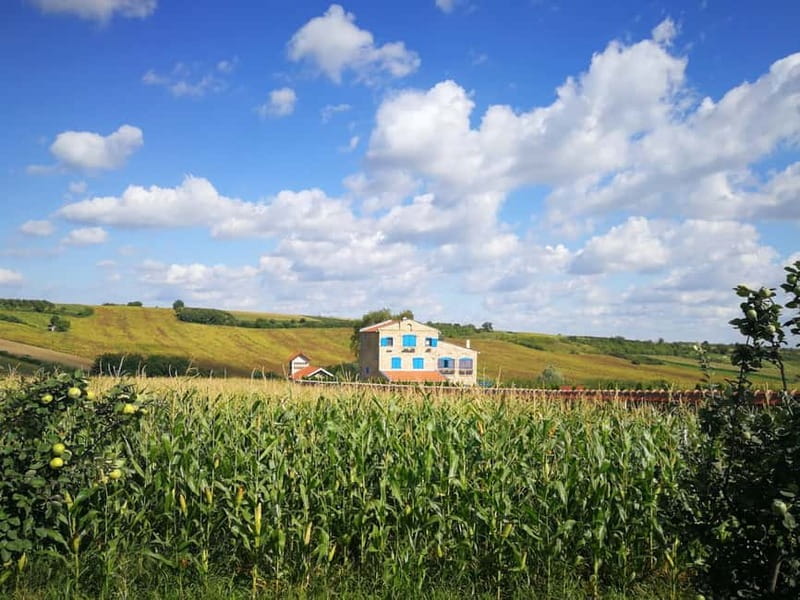
This is a one-day sampler of Vojvodina’s highlights: Novi Sad, Fruska Gora National Park, and two nearby towns tied to the region’s religious and imperial past. You start in Belgrade and ride out by van, then the day becomes a sequence of short but focused stops—enough time to see what matters, not enough to slow down and turn it into a leisurely weekend.
For me, the value comes from how the route is designed. You get big scenery (Danube views), big art (monastery frescoes), and big flavor (Bermet) without needing to rent a car or coordinate public transport. You also get a guide who can connect the dots between borders, empires, and the local culture that grew out of all that change.
You can also read our reviews of more tours and experiences in Belgrade.
What you should know about the pace
The schedule is built around guided visits and photo stops, with one longer lunch/free-time window in Novi Sad. That’s great if you want maximum sights. It’s less great if you’re the type who needs 2–3 hours per stop to soak it in slowly—this trip is more “see it, understand it, move on.”
Belgrade pickup to the monastery: the van time that turns into context
You’ll be picked up in Belgrade from your hotel area (plan to be in the lobby about 10 minutes early). Then it’s roughly an hour of van time toward Krušedol on Fruska Gora.
Here’s what makes that drive worth it: the guide’s commentary can do a lot of heavy lifting. In the strongest versions of this experience, the guide doesn’t just run through dates. You get human-scale stories—how the region shifted between powers, what shaped daily life, and why some places became cultural anchors. One guest specifically highlighted how the guide talked about history alongside economics, politics, music, architecture, and even beekeeping. Even if your guide chooses a different angle, the point is the same: the ride isn’t “wasted time,” because you’re learning why the stops matter.
Quick practical note
This trip runs in rain or shine. If it’s wet, you’ll want a light rain jacket and shoes that handle slippery stone.
Krušedol Monastery on Fruska Gora: Orthodox art with mountain air
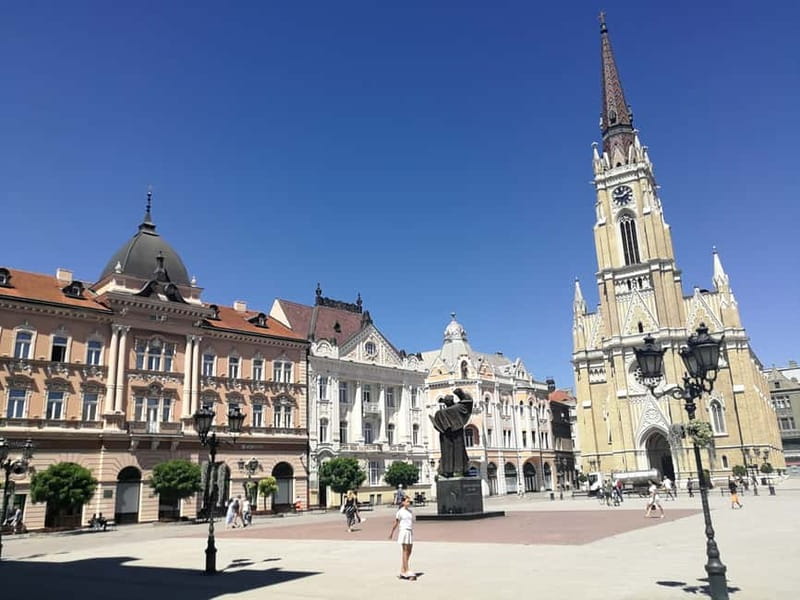
Krušedol Monastery is the spiritual stop that also feels like a scenic pause. You’ll have about an hour here for a photo stop plus a guided visit and tour.
Krušedol sits on Fruska Gora, described as the oldest national park in Serbia. That matters because it frames the monastery as part of a living landscape rather than just a standalone building. Even if the weather is grey, you still get that sense of quiet guardianship—the monastery on the mountain slopes is a different mood than what you’ll feel later in Novi Sad’s city streets.
What you’re going to focus on:
- Frescoes and Orthodox religious art (this is a key reason the stop exists)
- Architecture and the monastery’s role as one of the important Orthodox sites on the mountain
Small watch-outs
You’ll be standing and walking on uneven surfaces. If you’re traveling in the heat, bring water; if you’re traveling in rain, wear something grippy. Also note the dress rule: sleeveless shirts aren’t allowed.
Sremski Karlovci: a second history lesson with real landmarks
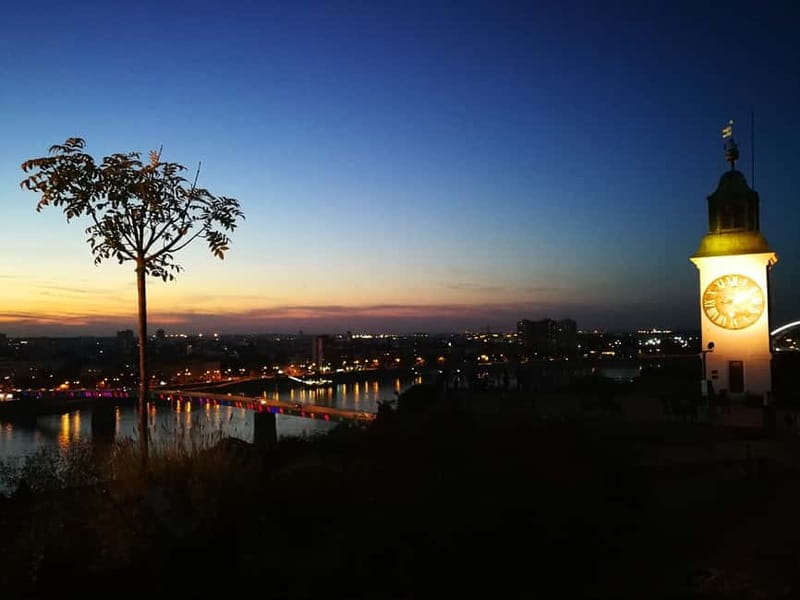
After the monastery, the day shifts to Sremski Karlovci, a smaller town that packs recognizable sights. You’ll have around 45 minutes here, with a photo stop plus guided tour and sightseeing.
This stop helps you understand the region’s identity in a different way than Novi Sad does. Novi Sad feels like the urban cultural center; Karlovci feels like the place where old institutions and religious authority stayed visible. You’ll also get landmarks that are easy to picture later, which is great when you’re trying to connect impressions after the day ends.
Highlights in Karlovci include:
- The oldest high school in Serbia
- The Fountain of the Four Lions
- The Orthodox cathedral
The vibe here is slower and more local than the fortress later on. If you like “small place, big meaning” sightseeing, this is a smart pivot.
Vinariја Živanović and the Bermet tasting: why this wine is different
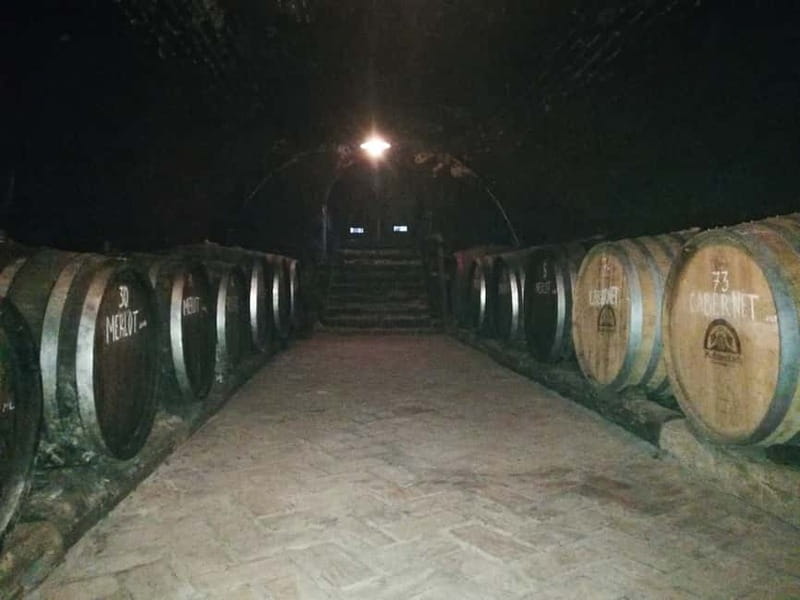
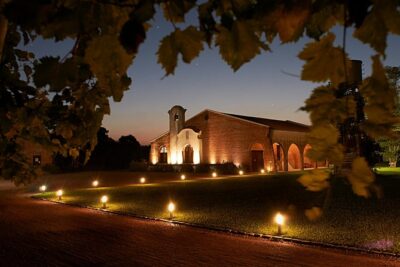
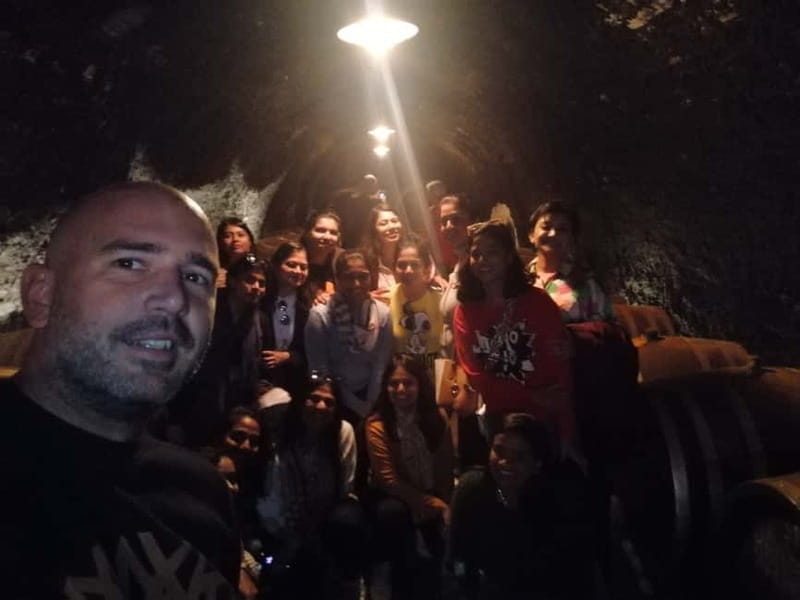
The tasting is the payoff. You’ll arrive at Vinariја Živановић for about an hour, with wine tasting included.
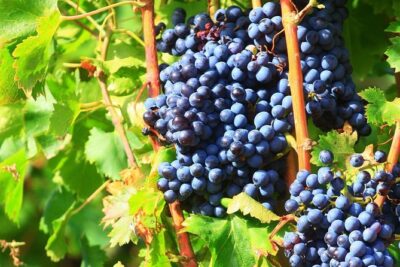
Bermet is the reason to be excited here. It’s a dessert-style, spicy wine made only in this region, and it’s not a type you’ll easily find elsewhere. The tour info also leans into the legend: the red Bermet was a favorite of Empress Maria Theresa, and there’s even a story that it was sold on the Titanic. Legends aren’t a reason to believe something, but they’re often a clue that a product is tied to real prestige and old trade routes—and this one has that “famous in stories” energy.
One more detail from the broader tasting experience: some versions of the winery stop include more than wine, and guests have mentioned honey tasting alongside wine. If that’s on your day, it’s a nice pairing because honey complements the sweeter, spiced character of dessert wines.
How to make the most of tasting time
An hour sounds short, but it’s enough if you ask questions and pay attention to what the guide says about the flavors. If you know you like sweet wines, you’ll probably enjoy Bermet most. If you’re normally a dry-wine person, go in curious—Bermet isn’t trying to imitate anything you already love.
Petrovaradin Fortress: Danube views, tunnels, and Exit in the walls
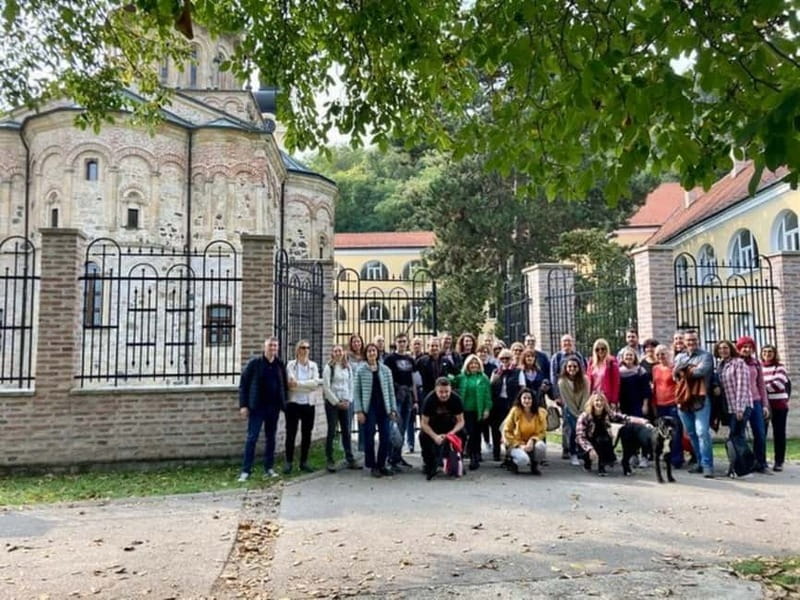
Then comes the big visual payoff: Petrovaradin Fortress. You’ll have a break plus photo stop and a guided visit here, around 30 minutes total.
The fortress rises above the Danube, and from the viewpoint you can take in the entire shape of Novi Sad. This is one of those places where the best part isn’t just what you see—it’s what you understand. Historically, the fortress area stood as a border between east and west, between two major empires. The tunnels keep secrets, and even if you don’t see everything in half an hour, the scale is the message.
One modern link adds color: the big music festival Exit takes place among the fortress walls. So the site isn’t frozen in the past; it keeps reappearing as a stage for contemporary culture.
The practical side of fortress time
Thirty minutes can feel quick, especially if you linger to take photos. If weather is nice, plan to prioritize one or two viewpoints rather than trying to cover every corner. You’ll get plenty of Danube-and-city perspective, but you won’t get a full day inside the stone.
Novi Sad guided walk: baroque, neo-gothic, and a city that keeps its calm
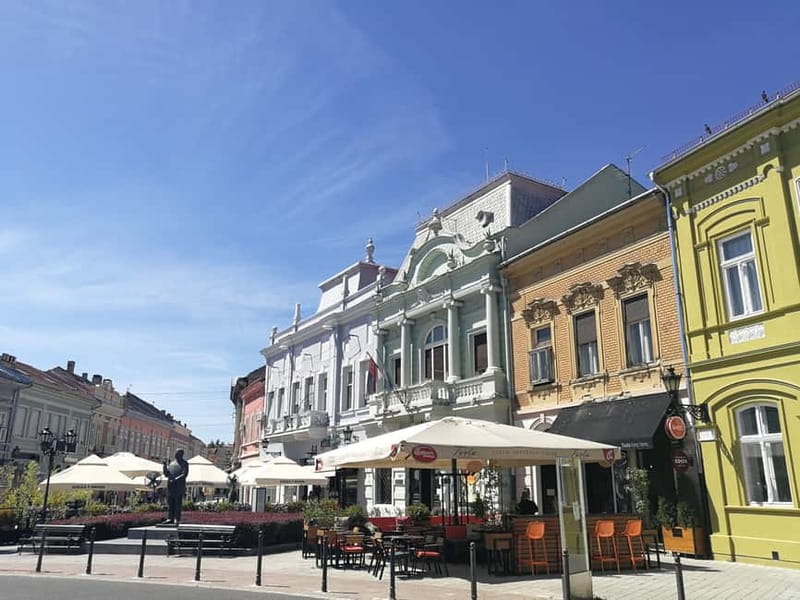
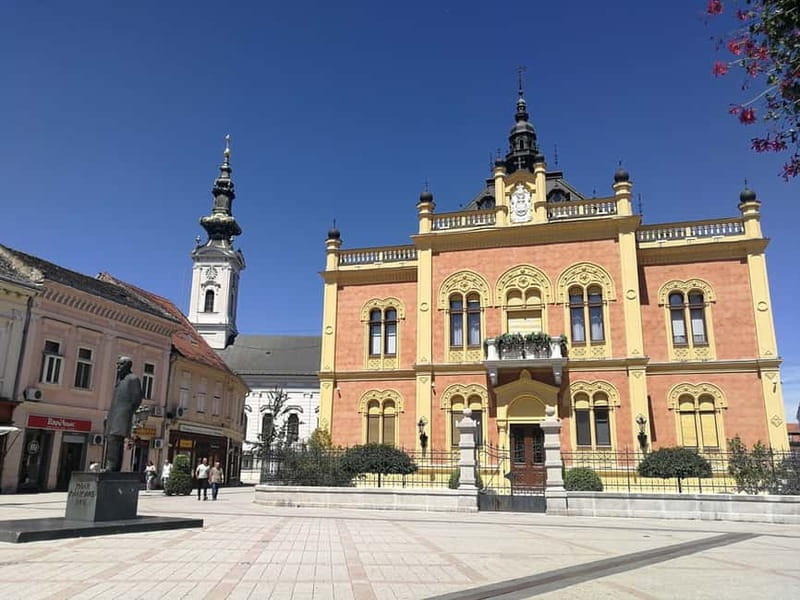
After the fortress, you head into Novi Sad for a guided city visit and sightseeing, about an hour. This is the classic “walking with context” part of the tour.
You’ll move through the oldest streets and see architecture that layers styles over each other: baroque, classical, and neo-gothic buildings, plus colorful facades. It’s not only about beauty. The guide’s job here is to explain why the architecture looks the way it does—because the city has long been shaped by shifting empires and changing cultural influence.
A fun regional idea you’ll hear as you walk: Novi Sad was persuaded to sell to the Empress Maria Theresa for 80,000 Hungarian forints, and later it was called Serbian Athens. That nickname isn’t just marketing. It points to the city’s long role as a cultural center.
Lunch and free time: keep it simple
After the guided walk, you get a break with lunch and free time in Novi Sad, about an hour. Food and drinks aren’t included, so you’ll pay out of pocket. I suggest using this window for two things:
- Eat something local (even a modest lunch)
- Find a spot to rest your feet before the return drive
If you want to do a bit more independent wandering, this is your window to do it—just don’t lose track of time because the day ends back in Belgrade.
Price and logistics: where the value really comes from
This trip is listed at about $104 per person for an 8-hour outing. On its face, it isn’t the cheapest way to “see a few places.” But for a day that includes hotel pickup/drop-off, guided tours, entrance fees, transportation, and a winery tasting, it’s priced like a packaged experience rather than a DIY bus ride.
Where you’ll save money (or stress) compared to going solo:
- Transportation is handled (you’re not hunting schedules or transfers)
- Entrance fees are included
- Wine tasting at the winery is included
Where you’ll spend extra:
- Food and drinks aren’t included, so budget for lunch in Novi Sad
If you’re traveling in a small group (up to 15), you also get something practical: a guide can actually answer questions without the group turning into a slow-moving herd.
Rain, dress rules, and other small details that matter
This tour runs rain or shine, so plan for weather shifts. Keep your jacket ready and expect some walking on stone and steps—especially around the fortress and monastery.
Dress code matters too: sleeveless shirts aren’t allowed. That’s worth respecting ahead of time, because it can affect whether you’re comfortable during indoor portions like monastery areas.
Finally, the tour runs in English with a live guide. If you prefer detailed explanations rather than just photo stops, you’re in the right place.
Who should book this tour (and who might want a different plan)
This day trip fits best if:
- You want a fast, organized “highlights” visit to Novi Sad and the Fruska Gora region
- You enjoy guided context—history, architecture, and local culture tied to real places
- You like wine and want to taste Bermet specifically (not just generic tasting rooms)
You might reconsider if:
- You need lots of free time at each stop (this schedule is compact)
- You hate walking on stairs and uneven stone
- You’re traveling with very young kids who may struggle with guided pace and multiple short segments
In short: it’s ideal for culture-and-flavor travelers who want order without losing the character of each stop.
Should you book this Novi Sad, Fruska Gora, and Bermet day trip?
Yes—if you’re the type who likes your sightseeing to connect. The fortress viewpoint, the Krušedol monastery visit, and the Bermet tasting form a good trio: views, art, and taste.
I’d book it especially if you care about the guide. This route works because the guide explains what you’re looking at—how borders shaped the region, why Maria Theresa’s influence shows up in local stories, and what makes Bermet distinct.
If you prefer slow travel, build in extra time on a separate day for Novi Sad. But for one day from Belgrade, this is a strong way to get your bearings fast and leave with a real sense of Vojvodina.
FAQ
How long is the tour from Belgrade?
It runs for 8 hours total.
What locations does the tour include?
It includes Krušedol Monastery (Fruska Gora), Sremski Karlovci, a winery tasting at Vinariја Živановић, Petrovaradin Fortress, and Novi Sad.
Is wine tasting included?
Yes. Entry to the winery and wine tasting are included.
Is lunch included?
No. Food and drinks are not included, so you’ll need to buy lunch during the Novi Sad break.
How big is the group?
It’s a small group limited to 15 participants.
What language is the tour guide?
The live tour guide speaks English.
Does the tour run in rain?
Yes, it takes place rain or shine.
Are entrance fees included?
Yes, entrance fees are included.
Is there a dress code?
Sleeveless shirts are not allowed.
Is free cancellation available?
Yes, you can cancel up to 24 hours in advance for a full refund.