REVIEW · BURGOS
Visit to the winery with a tasting of 3 wines and appetizers
Book on Viator →Operated by Bodegas TIHOM · Bookable on Viator
Small Rioja tastings feel like real conversations. At Bodegas TIHOM in Haro’s Station District, you get a close-up visit that is more personal than the usual big-group routine, guided in English and led by people deeply tied to the project, often Jorge Muga or someone very close to him.
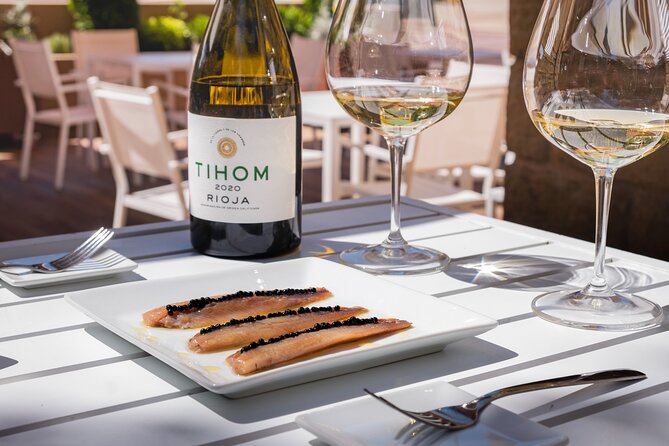
Two things I genuinely like: first, the way you learn about Rioja through rare grape varieties—including Garnacha Blanca, Maturana Blanca, Graciano, and Mazuelo—rather than the same old talking points. Second, the tasting doesn’t feel like a quick pour-and-run; it’s paired with food in a way that helps you notice how flavors line up, including a starter of smoked sardine with lump roe that plays beautifully with the minerality and saltiness in their white wines.
One drawback to consider: this is not a checklist tour built around major sights. If you want a loud, high-volume, itinerary-filled experience, this may feel more like a focused winery conversation than a day of landmarks in town.
In This Review
- Key Things That Make This Tour Worth Your Time
- Haro’s Station District Starts the Story
- The 2-Hour Plan: Haro Town Feel Plus Time for Wine
- Inside Bodegas TIHOM: Calm Craft and Uncommon Rioja
- What to listen for during the tour
- The Tasting Setup: Three Wines, Three Appetizers, Real Pairing Talk
- Why this tasting format is good for you
- Jorge Muga and Irena: Hosts Who Make the Wine Click
- Price and Value: What $43.25 Buys You (and Why It Can Be Fair)
- A quick reality check
- Who This Tour Fits Best (and Who Should Choose Something Else)
- Practical Tips to Get the Most From It
- Should You Book Bodegas TIHOM?
- FAQ
- How long is the Bodegas TIHOM visit and tasting?
- Where does the tour start?
- How many wines do you taste?
- What food is included?
- Does the price include wine and appetizers?
- Is the tour offered in English?
- How big is the group?
- Where does the tour end?
- Is it possible to bring a service animal?
- What is the cancellation policy?
- Is it near public transportation?
Key Things That Make This Tour Worth Your Time
- Personal pacing: no huge crowd energy, and the visit feels tailored to your questions
- Rare Rioja grapes: you’ll hear how TIHOM thinks about difficult, unique varieties that don’t get all the hype
- Guided tasting with food: three wines plus three appetizers, not just wine for its own sake
- Small-group feel: capped at a maximum of 20 travelers
- Real people behind the brand: often led by Jorge Muga, with hosts like Irena showing up on some visits
- Haro context: you start in the Station District and then head into the historic center, so the wine story has street-level grounding
Haro’s Station District Starts the Story
I like starting in Haro’s Station District because it signals what this tour is really about: place, not performance. You begin at Bodegas TIHOM on Av. Costa del Vino, in the Barrio de la Estación area. That matters because Haro isn’t just a postcard town. It’s a working wine culture, and the station neighborhood feels like the “real life” side of Rioja.
From the start, the tour’s tone is calm and precise. The winery work here is described as careful and respectful, not flashy. You’re not rushed into a script. Instead, you’re set up to understand why the wine tastes the way it does, before you even get to the glass.
Also, the tour ends back at the same meeting point. That’s convenient for planning your next stop afterward in Haro, whether you’re grabbing a walk through the historic center streets or continuing on your own.
You can also read our reviews of more tours and experiences in Burgos.

The 2-Hour Plan: Haro Town Feel Plus Time for Wine
This is an approximately 2-hour experience, and it’s paced so you don’t feel like you’re sprinting between things. You’ll do two main pieces: a first stop in the Barrio de la Estación de Haro, and then time in the Centro histórico de Haro.
Here’s why that “two settings” rhythm is useful for you: it helps you connect what you taste to what you see. Even if you’re new to Rioja, you’ll likely appreciate the contrast. The station district gives you the practical, everyday sense of place. The historic center gives you the older Haro vibe—where tradition sits closer to the surface.
A practical note: because the winery visit is the centerpiece, don’t plan on cramming in another major tour right after. You’ll get the most out of this experience if you leave a little room to ask follow-up questions during tasting and then process what you learned.
Inside Bodegas TIHOM: Calm Craft and Uncommon Rioja
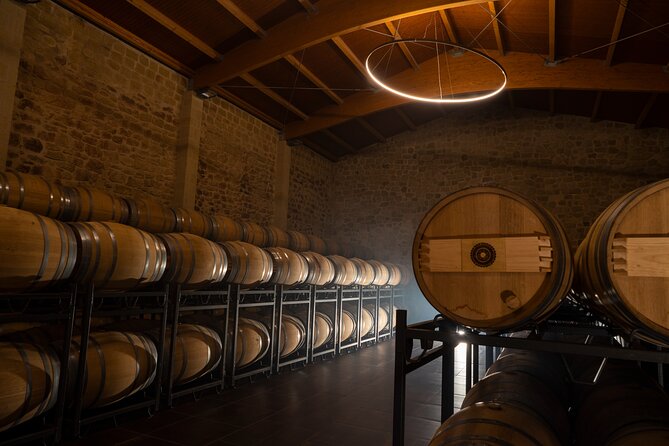
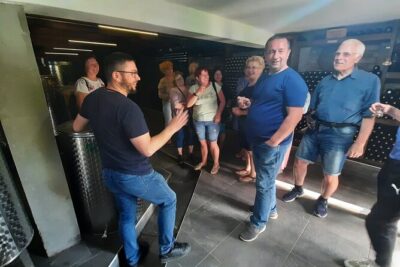
When the group moves into the winery portion, the feel shifts from town streets to winemaking reality. This is a small operation where the pace is intentionally unhurried. You’ll tour parts of the winery where things are done with calm precision and a clear respect for the wine.
One of the most interesting parts is the focus on rare Rioja varieties. Instead of you only hearing about the “usual suspects,” you learn how TIHOM works with grapes such as Garnacha Blanca, Maturana Blanca, Graciano, and Mazuelo. That’s not trivia for trivia’s sake. It changes how you think about Rioja itself.
If you usually associate Rioja with a narrow flavor profile, this kind of tasting can widen your internal map. Different varieties bring different structures—acidity, aromatics, bitterness, texture—and the host explains how those decisions show up in the glass. The overall message you get is that their philosophy embraces the difficult and the unique, without leaning on clichés.
What to listen for during the tour
- How they describe viticulture choices and why those choices matter later in the wine
- How they connect grape variety to taste and texture (not just aroma)
- How the story of the winery is presented as both recent and rooted in tradition
If you like learning by watching hands-on steps, you’ll likely enjoy this part. If you prefer tours that are mostly scenic, you might find it quieter than you expected—but that quiet pace is what allows the wine details to land.
The Tasting Setup: Three Wines, Three Appetizers, Real Pairing Talk
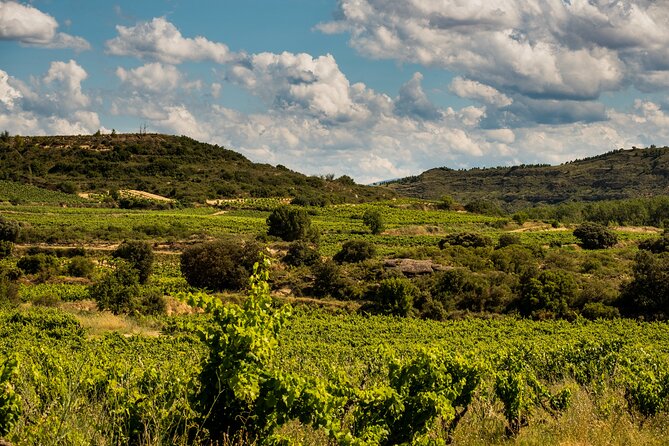
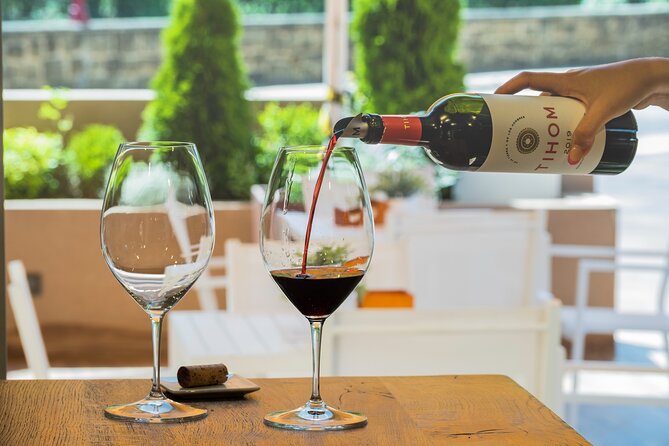
The tasting is included, and it’s the heart of the value. You get to taste three wines alongside three appetizers. That structure is smart for two reasons.
First, you can compare wines directly in the same sitting. Second, the food component helps you understand what the winery is aiming for—because tasting without pairing often hides what a wine is really doing.
One appetizer you’ll definitely want to note is the starter of smoked sardine with lump roe. The pairing is described as a match with TIHOM white wines, where the dish and the wine share minerality and saltiness that intensify each other. That’s exactly the kind of detail that makes a tasting useful later when you’re eating out and trying to remember what felt right.
Why this tasting format is good for you
A three-wine tasting with food is often more satisfying than tastings that throw many wines at you quickly. Here, you can slow down enough to notice shifts. You’ll likely spend time talking about each wine’s origin in the grapes and the choices that shape its character.
Also, the tour isn’t presented as a lecture you have to tolerate. The space is welcoming, and the tasting is set up for conversation. If you ask a question about why a wine tastes the way it does, you’ll get a real answer rather than a rehearsed one.
Jorge Muga and Irena: Hosts Who Make the Wine Click
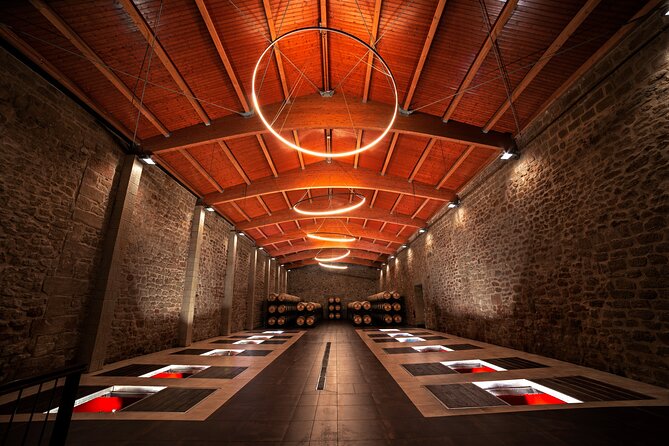
This tour has a strong “people factor.” The visit is usually provided by Jorge Muga or someone closely connected to the project, and at least some English-hosted experiences are led by Irena. That kind of continuity matters because it tends to create better explanations.
What I like about this style is that you’re not just hearing about wine in general. You’re hearing about their wine—how they make it, what they’re trying to protect, and why they believe in these less-obvious grape choices.
A good host also helps you translate technical talk into practical tasting. You’ll likely hear explanations that connect viticulture decisions to what you can smell and taste. And when food enters the picture, a strong host helps you notice interactions: salt vs. acidity, smoke vs. texture, and minerality cues.
If you’re the type who enjoys asking questions, you’ll probably leave with a better “why” than a “what.”
Price and Value: What $43.25 Buys You (and Why It Can Be Fair)
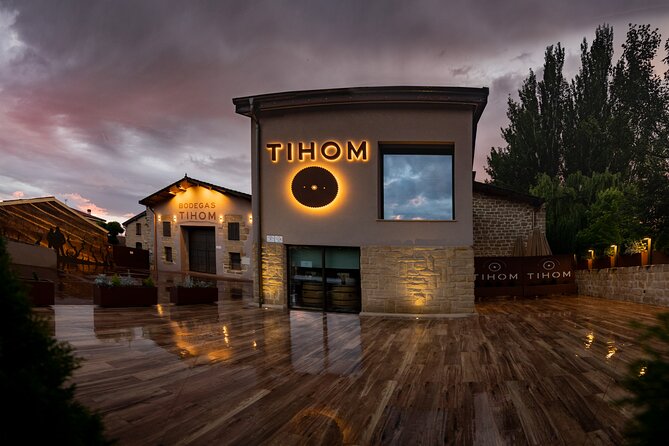
The price is $43.25 per person for about two hours. That sounds like a single fixed number, but the value depends on what’s included.
Here, you’re not paying just for access. You’re paying for:
- the visit/tour of the winery
- a tasting of three wines
- three appetizers included with the tasting
That combination is often where the best ROI happens. Wine-only tastings can be great, but if you’re trying to understand flavor, food helps you learn faster. You also get time for conversation, which is part of what makes a small winery visit feel worth the money.
Also, the tour has mobile ticket convenience and a relatively small maximum group size (up to 20). When a tour is tightly managed like this, it’s easier for your questions to get answered.
A quick reality check
This price is set up for a winery experience, not a full-day town tour. If you want lots of stops and constant movement, you may feel the time is short. But if you want a high-quality tasting with real context, it’s a fair trade.
Who This Tour Fits Best (and Who Should Choose Something Else)
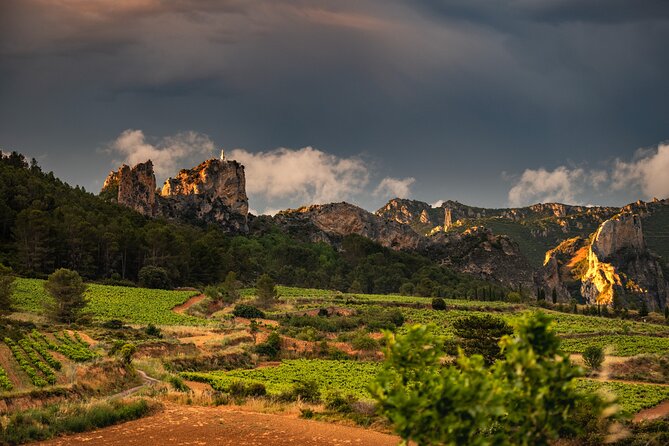
This is a great match if:
- you want a small-group wine experience with time to talk
- you’re curious about Rioja beyond the mainstream
- you enjoy food pairing and want to understand why it works
- you like learning from people who are actually close to the winemaking process
It may be less ideal if:
- you prefer big, structured tours with lots of scheduled sights
- you want a fast series of tastings with minimal conversation
- you’re expecting a bus-style itinerary with many external attractions
One more practical consideration: the meeting point is in Haro, La Rioja (not Burgos city). So before you head out, double-check your route based on the Haro address, especially if you’re staying near Burgos. That kind of mix-up can happen when city names get confusing.
Practical Tips to Get the Most From It
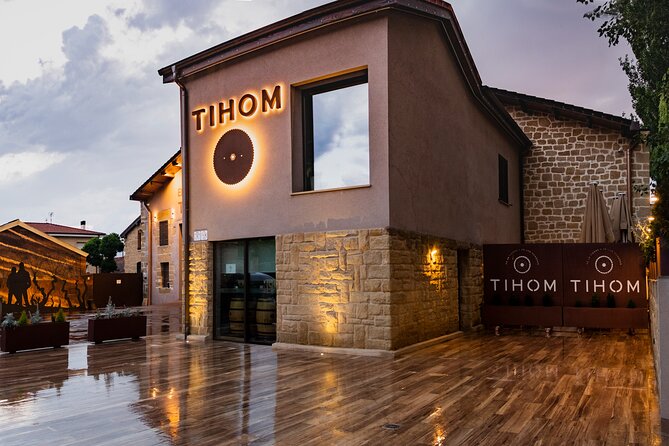
A few small choices on your side can make the tour feel sharper:
- Arrive a few minutes early at the meeting point so you’re not rushed when the group gathers.
- Keep your questions simple: what makes this wine Rioja-like, and what’s different because of these grape varieties.
- When you taste, pay attention to texture and acidity as much as aroma—especially with whites paired against salty, mineral-leaning bites like smoked sardine.
- If you have any food sensitivities, ask about appetizer ingredients during booking or when you arrive. The tour does include food, so it’s worth checking.
And if you’re booking close to your trip dates: on average, this experience gets reserved about 15 days in advance, so I’d rather not leave it to the last minute.
Should You Book Bodegas TIHOM?
I think you should book this tour if you want a Rioja wine experience that feels personal, calm, and grounded in real grape choices. The standout strength here is that it’s not just wine tasting—it’s a hosted conversation about how TIHOM thinks, makes decisions, and pairs those decisions with food. Add the uncommon varieties (Garnacha Blanca, Maturana Blanca, Graciano, Mazuelo), plus three wines and three appetizers in a small-group setting, and you get a very learnable, very human visit.
Skip it if you’re chasing a high-energy, big-sights itinerary. This is better for slower travelers and wine-curious food people.
If you’re unsure, use this simple test: do you enjoy asking why things taste the way they do? If yes, you’ll likely love the way this experience turns tasting into understanding.
FAQ
How long is the Bodegas TIHOM visit and tasting?
The experience lasts about 2 hours.
Where does the tour start?
It starts at Bodegas TIHOM in Barrio de la Estación, Av. Costa del Vino, 7, 26200 Haro, La Rioja, Spain.
How many wines do you taste?
You taste three wines during the tour.
What food is included?
The tasting includes three appetizers. Smoked sardine with lump roe is one starter you should expect.
Does the price include wine and appetizers?
Yes. The tour includes a tasting of three wines and three appetizers.
Is the tour offered in English?
Yes, the experience is offered in English.
How big is the group?
The activity has a maximum of 20 travelers.
Where does the tour end?
It ends back at the meeting point.
Is it possible to bring a service animal?
Yes, service animals are allowed.
What is the cancellation policy?
You can cancel up to 24 hours in advance for a full refund.
Is it near public transportation?
Yes, it is near public transportation.