REVIEW · BURGOS
Visit a winery of the 19th century and its draft
Book on Viator →Operated by La Bodega del Tesoro · Bookable on Viator
A hidden barrel room awaits below quiet buildings. This visit to La Bodega del Tesoro brings you into a nineteenth-century winery that stayed closed for 30 years and then reopened after careful restoration, with traditional carbonic maceration still part of the story.
I love how the experience feels hands-on, not showroom-y: you descend into the working-style barrel space and you can see how the place is laid out around real production.
What I like most is the personal feel. In a group of up to 10, I’m getting time to ask questions, and I’m tasting two wines with included snacks that actually fit the pacing of the visit.
If you’re expecting a big, loud tourist operation, the quieter village setting and the short, structured tasting will be a different vibe than you might want.
One thing to consider: you’ll need to plan around the fact that this is a fixed, non-refundable experience. Also, it’s best for people who enjoy wine details, because the tour leans into the how and the why, not just the tasting.
In This Review
- Key highlights at La Bodega del Tesoro
- A nineteenth-century winery that reopened after 30 years
- Finding the winery and what to expect before you taste
- The 90 minutes: how the experience moves from caves to the glass
- Stop in the restored winery and caves
- Down a few flights to the barrel room
- Tasting with narration and food support
- Entering the barrel room: the cool air, the stairs, and the 18th-century feel
- The Vinoteca tasting: two wines, included snacks, and small-production focus
- Carbonic maceration: why you’ll hear that term on this tour
- Getting the human touch: guidance that makes the cellar feel personal
- Price and value: what you really get for about $65.17
- Who should book this winery visit (and who might not love it)
- Should you book La Bodega del Tesoro?
- FAQ
- FAQ
- How long is the La Bodega del Tesoro winery visit?
- How much does it cost per person?
- What’s included in the ticket?
- What language is the tour offered in?
- How many people are in the group?
- Where does the tour start?
- Is a mobile ticket provided?
- Are service animals allowed?
- Is the experience refundable if I cancel?
- Is tips included in the price?
Key highlights at La Bodega del Tesoro
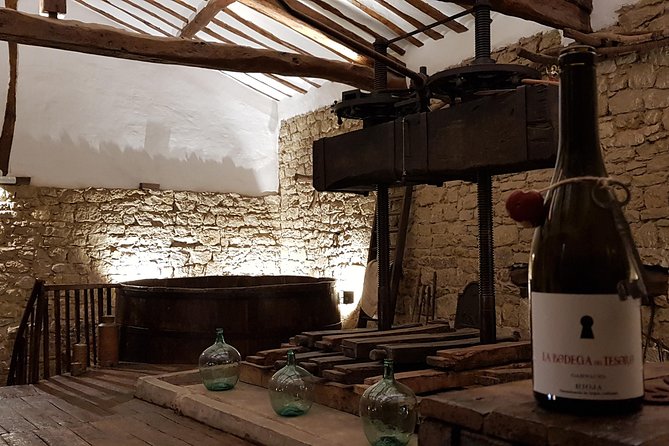
- Restored 1881 winery reopened after 30 years closed
- Barrel rooms below ground with an older feel and cool air
- A guided explanation of traditional carbonic maceration and regional wine choices
- Tasting of 2 wines plus included snacks
- Caves/hillside cellars that reach into the hillside opposite
- Small group size (max 10) for a more conversational visit
A nineteenth-century winery that reopened after 30 years
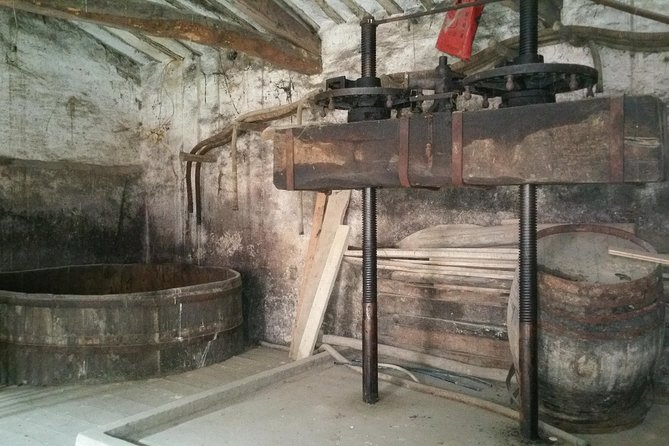
This is the kind of wine stop that starts deceptively simple. You arrive in a small-town setting with a handful of modest buildings. From the outside, it doesn’t look like much. Then you walk in and the whole atmosphere changes.
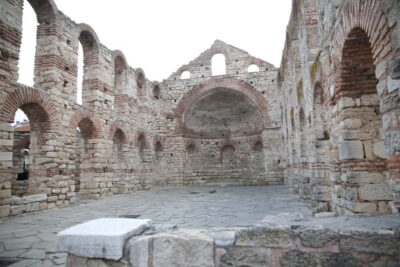
La Bodega del Tesoro has its roots in the late 1800s, with the winery opening in 1881. The big twist is what happened afterward: it remained closed for three decades, keeping its working character out of the spotlight. After a thorough restoration, the place is back in service and you can visit it as a real working site, not just a static museum.
You’ll also notice the layout works like a story. You’re guided through what’s been restored and what you’re tasting, and the cellar spaces are part of the “why.” If you enjoy the physical side of wine—temperature, storage spaces, and how buildings are built around fermentation and aging—this makes sense fast. It’s practical, and it’s easy to follow.
You can also read our reviews of more tours and experiences in Burgos.
Finding the winery and what to expect before you taste
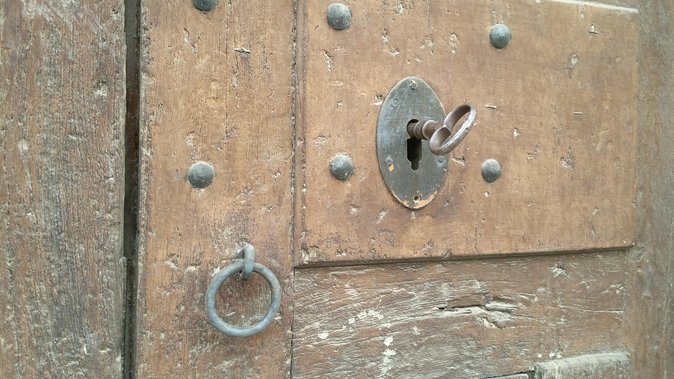
Your start point is listed at C. Cuevas, 45, 26214 Cuzcurrita de Río Tirón in Spain. The winery visit itself is sometimes listed under Burgos, but the meeting location you’ll use is in the Cuzcurrita de Río Tirón area (La Rioja). Either way, you can save time by mapping the exact address before you go.
Plan for a short visit: the experience runs about 1 hour 30 minutes. It’s paced like a concentrated tasting plus a guided walk through key spaces. There’s not much slack time here, so if you’re arriving late, you’ll feel it.
Parking is described as close by but not fancy: a small cinder lot a few steps from the property. If you’re traveling in a busier peak season, I’d still give yourself a little extra buffer just so you’re not rushing in.
Group size is small—up to 10 travelers—and that changes the feel. You aren’t herded into a line with a long wait. In my opinion, this format is where the best wine tours live: you get to talk, ask, and actually connect the tasting to the details you’re hearing.
The 90 minutes: how the experience moves from caves to the glass
The tour is built around one main stop: La Bodega del Tesoro. That’s not a drawback—it’s actually the reason it works. You don’t spend your best time riding between places. You stay in the same winery and cellar complex, so the story stays coherent.
Here’s the flow you should expect:
Stop in the restored winery and caves
You start with an introduction to the winery’s revival and its traditional methods. Then you move through the spaces where wine is stored and handled. The guidance includes short narrated elements (brief films), and then you get a walk-through of the restored winery and the cellar areas.
A standout detail: the cellar spaces include caves that go into the hillside opposite the property. That matters because wine needs stable conditions, and you can feel the temperature shift when you get down into the deeper spaces.
Down a few flights to the barrel room
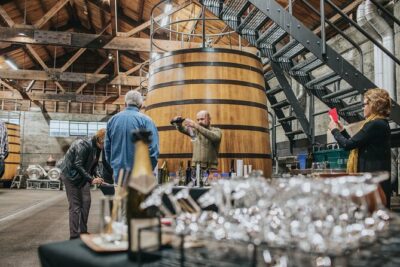
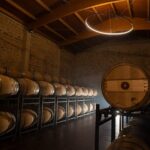
Next comes the barrel room. You’ll descend a few flights of stairs, and the experience shifts from “touring” to “standing in the heart of the process.” One of the nicest surprises is that the barrel room and the barrels themselves carry an older feel. You’ll spend time there, and that cooler, cellar-like atmosphere does a lot to make the tasting feel earned.
Tasting with narration and food support
From there, tasting is the payoff. You’ll sample two wines, and you’ll get snacks included. The snack setup helps the wines make sense on your palate, and it also keeps the pace comfortable. The included food is described as a mix of nibbles, with hot and cold items served on a patio/bar area in the visit I attended.
This isn’t a “sip and run” tasting. It’s structured enough to guide your tasting choices, but it stays relaxed enough that you don’t feel trapped in a script.
Entering the barrel room: the cool air, the stairs, and the 18th-century feel
This is where the visit earns its magic.
Most wine tours focus on labels, marketing language, and quick swirls. This one shifts you into the physical reality of storage. When you go down into the barrel area, you get that immediate cellar sensation: cooler air, darker space, and the sense that the place has always been meant for fermentation and aging.
In the visit, the barrel room and barrels are described as dating from the 18th century, and that detail changes your mindset while you’re tasting. You’re not just sampling flavors. You’re tasting in a space that’s older than modern wine tourism.
If you’re wondering whether it’s worth it: yes, especially if you enjoy the “how it’s made” side. You learn enough about the cellar setup and the method behind the wines that the two tastings feel connected to something real.
The Vinoteca tasting: two wines, included snacks, and small-production focus
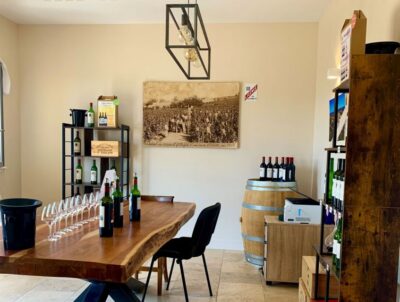
After the barrel room time, you move into the vinoteca area for the tasting. This portion is where you get a more focused comparison of wines and production choices.
You’ll be tasting two wines. The included snack offering helps you keep your palate steady, and it gives you something to anchor the flavors instead of going purely on instinct.
One of the most memorable moments described is a small-production sampling experience: you’re shown a barrel-related moment, and then you taste a small sample with limited quantities. That’s a big part of the charm. It’s not mass-market tasting. It’s closer to a private window into how the winery approaches production.
Also, the nibbles are not an afterthought. Homemade appies (a small Spanish-style bite) show up alongside other snacks, and that keeps things friendly and easy to enjoy between sips.
Carbonic maceration: why you’ll hear that term on this tour
A key part of La Bodega del Tesoro’s identity is that wine has been traditionally made through carbonic maceration. That’s not just a technical trivia point. It influences flavor, aroma, and how fruit-forward or lively a wine can feel.
Carbonic maceration is often used to create wines with a certain freshness and expressiveness. On this tour, the method comes wrapped in practical explanation—what it means and how it fits into the winery’s choices. When you hear that as you’re tasting, the two wines stop feeling random.
If you don’t know much about carbonic maceration, don’t worry. The tour gives you enough context to connect the term to what’s in your glass. And if you do know the term, you’ll appreciate how the guide ties it to the winery’s restored cellar workflow.
Getting the human touch: guidance that makes the cellar feel personal
The strongest moments here aren’t just about the building. They’re about the guide-to-group interaction.
In one of the visits, the tour guide Jose was singled out for delivering detailed, in-depth knowledge—covering regional wine industry thinking, terroir, shifting habits in the business, and how competition affects choices. You don’t just get dates and descriptions. You get explanations that help you interpret what you’re tasting.
There’s also a welcoming tone that keeps things from feeling stiff. The walk-through doesn’t come off like a lecture hall. It feels like someone inviting you to see a place they care about.
That matters for value. A $65 tasting doesn’t only buy wine. It buys time, access, and a guide who can connect details to your experience.
Price and value: what you really get for about $65.17
At $65.17 per person, this is not an ultra-cheap tasting. But it also isn’t priced like the big, high-volume bus tours.
The value case is pretty clear if you look at what’s included:
- Admission ticket included
- Tasting of 2 wines
- Some snacks included
- A guided visit through restored winery spaces and cellar caves
- Small group size (max 10)
For a short, 1.5-hour experience, you’re paying for a concentrated package: access to cellar spaces, guided storytelling, and a tasting that’s supported by food. If you’re traveling with someone who wants wine explanation, that’s where the money tends to feel most worth it.
If you’re mostly in it for alcohol calories and don’t care about the process, you might find it a bit pricey compared with simple tastings. But if you enjoy understanding what you’re tasting and seeing the physical spaces where wine is made, it’s a solid use of time.
Who should book this winery visit (and who might not love it)
I’d point you toward this tour if you:
- enjoy small wineries and hands-on cellar time
- want wine context, especially around carbonic maceration
- like quieter experiences with time to ask questions
- prefer a compact 1.5-hour stop over an all-day excursion
You might think twice if you:
- hate stairs or don’t enjoy descending into cellar spaces
- want a long, multi-stop “big tour day”
- prefer tastings focused more on variety than on production details
Also, it’s explicitly described as suitable for most travelers. Service animals are allowed too, so if you travel with one, you can plan without worrying about access being the issue.
Should you book La Bodega del Tesoro?
Yes—if you want an authentic, cellar-focused winery visit with real restoration behind it. This one stands out because it pairs an older setting (1881 origins and cellar spaces with older character) with a guided tasting that actually explains what you’re drinking. The small group size makes it easier to connect your questions to the wines instead of just listening politely.
Book it especially if you like wine details and you’ll enjoy carbonic maceration as more than a buzzword. And if you’re driving, show up a few minutes early so the cinder-lot parking and short walk don’t turn into a stress moment.
If you’re the type who enjoys quiet surprises—where the small-town doorway leads to stairs, caves, and a barrel room—you’ll probably feel like you got more than your money’s worth.
FAQ
FAQ
How long is the La Bodega del Tesoro winery visit?
It lasts about 1 hour 30 minutes.
How much does it cost per person?
The price is listed as $65.17 per person.
What’s included in the ticket?
Admission is included, along with a tasting of 2 wines and some snacks.
What language is the tour offered in?
The experience is offered in English.
How many people are in the group?
The tour has a maximum of 10 travelers.
Where does the tour start?
The meeting point is listed at C. Cuevas, 45, 26214 Cuzcurrita de Río Tirón, La Rioja, Spain.
Is a mobile ticket provided?
Yes, the ticket is mobile.
Are service animals allowed?
Yes, service animals are allowed.
Is the experience refundable if I cancel?
No. The experience is non-refundable and cannot be changed for any reason.
Is tips included in the price?
No. Tips and anything not listed under Included are not included.