REVIEW · SPAIN
Visit to the Winery with Wine Tasting and Appetizers in Navarra
Book on Viator →Operated by Quaderna Via · Bookable on Viator
Wine tasting works better with games.
This visit at Bodegas Quaderna Via starts right in the cellar, so you don’t waste time guessing what to do. You get an informal tasting with wine-focused games, plus a walk through the winery and wine bar where the production story is explained in plain language.
I also like the ingredient-forward part: you’re not just drinking. Expect wine tasting that’s described as at least 5 organic wines, paired with an aperitif featuring local products. One thing to keep in mind is that, as with any small winery operation, the plan can be affected by equipment issues—so have your phone handy in case they need to adjust timing.
In This Review
- Key highlights you’ll feel during this tour
- Stepping Into Bodegas Quaderna Via: From Cellar Welcome to Wine Bar
- Winery and Premises Walk: What You Learn Without Feeling Like School
- Vineyard Time and the Views You’ll Actually Remember
- Wine Tasting That’s Built Around Organic Wines and Wine Games
- Aperitif With Local Products: Turning Wine Into a Meal Moment
- Price and Time: Why $12.61 Can Be Good Value in Navarra
- Group Size, Pace, and Who This Tour Fits Best
- One Real-World Caution: When Things Break, How It’s Handled Matters
- Tips to Get More Out of Your Visit (Without Overthinking It)
- Should You Book This Navarra Winery Visit?
Key highlights you’ll feel during this tour
- Cellar meet-up that kicks off the experience fast, before you’re shuffled around
- Organic wine tasting that’s built around learning while you sip
- A vineyard stop with time to take in views that people actually mention
- Wine games that make the tasting less stiff and more social
- Small group size (max 20) so you’re not just another number
- Local aperitif that turns the visit into a real snack-and-sip break
Stepping Into Bodegas Quaderna Via: From Cellar Welcome to Wine Bar
The experience begins at Carretera Estella-Logroño, Km 4, 31241 Igúzquiza, Navarra. You’ll meet the host at the winery, and the tone is friendly and relaxed—more like being shown around by someone who cares than attending a lecture.
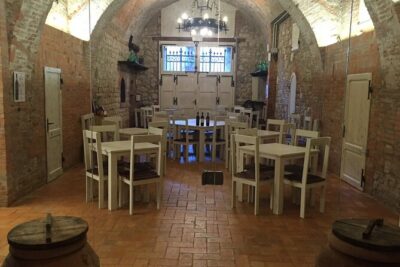
A cellar start matters. It sets the mood right away: cool air, quiet rooms, and that immediate sense that this is a working place, not a staged showroom. You’ll also get oriented quickly, which is useful if you’re traveling without a car and want the timing to be smooth. The tour uses a mobile ticket, so have that ready on your phone.
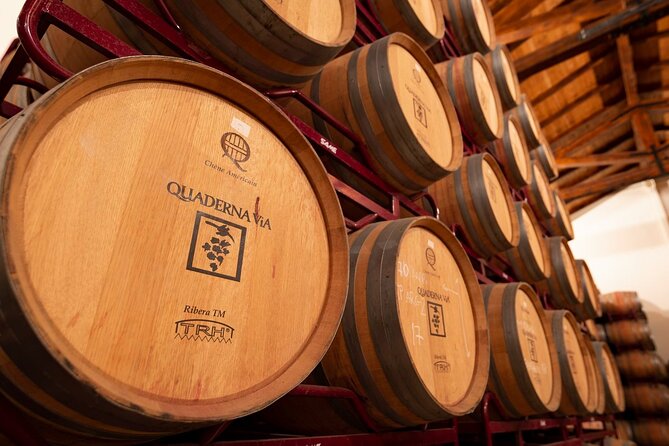
From there, you move into the winery premises and toward the wine bar area. This is where explanations make sense, because you’re standing right where the process happens. If you like the behind-the-scenes part of wine—how grapes become wine, how storage works, how the facility is laid out—you’ll appreciate the guided walk through the premises.
One practical note: the whole thing is designed for groups of up to 20 people. That size is big enough for a social feel, but small enough that the guide can keep the conversation moving.
You can also read our reviews of more tours and experiences in Spain.
Winery and Premises Walk: What You Learn Without Feeling Like School
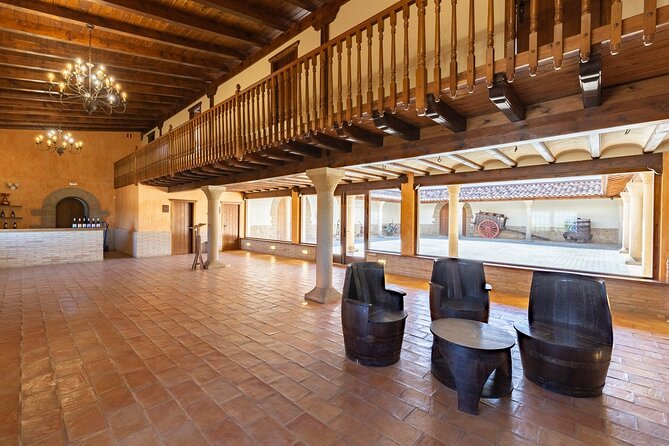
The tour includes an explanatory walk through the premises. What makes this type of visit worth it is how it connects the dots for you. Instead of hearing wine facts in a vacuum, you see where the steps happen—so tasting becomes more than just trying flavors.
From the way the tour is described, the focus is on the process of producing wine and then translating that into what you’re tasting. You’ll be walked through the space, and you’ll get context that helps you notice differences in the glasses later.
This is also where the energy of the group helps. One of the best-reviewed parts is the friendly feel with other visitors—people get pulled into the games and conversation, which keeps the tour from feeling like a solo experience inside a group setting. If you like meeting new people while traveling, this format works.
If you’re the type who prefers silent, solo experiences, you might find the social vibe a bit more active than a private tour. Still, the overall approach stays informal, not pushy.
Vineyard Time and the Views You’ll Actually Remember
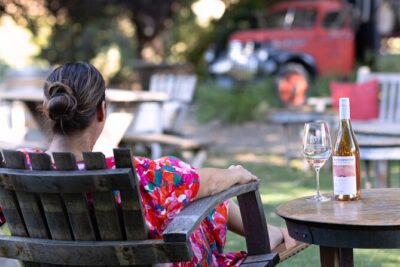
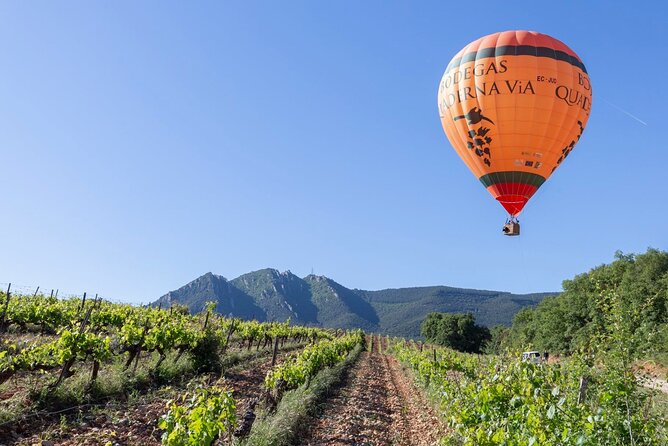
You’ll also visit the vineyards. In this part of Navarra, the outdoors isn’t just scenery—it’s part of the logic of the wine. Grapes are the starting point, so stepping into the vineyard zone helps the whole tasting click.
Some people specifically mention the views. That makes sense here because vineyard areas tend to give you open sightlines and a clearer sense of where you are in the region. Even if you’re not a landscape photographer, a good view changes your mood during a tasting. You slow down. You taste more mindfully. You take the photos you’ll want later.
Timing-wise, the tour is built to be active but not exhausting. Expect a short outdoor component that breaks up the indoor learning, then brings you back for the tasting and snack portion.
Wine Tasting That’s Built Around Organic Wines and Wine Games
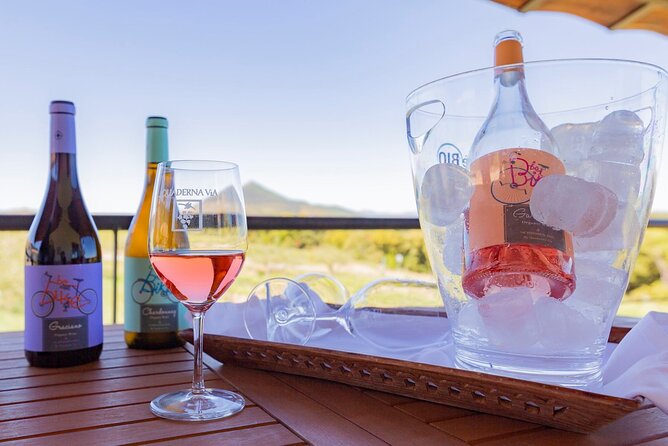
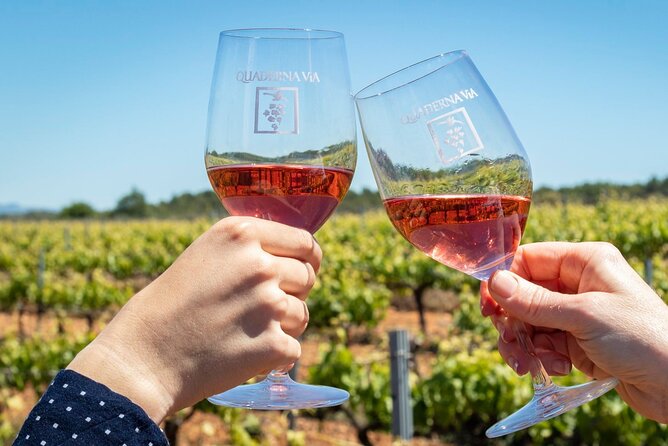
Here’s the heart of the experience: tasting. The plan describes an informal tasting with games around wine, and it also states that you’ll sample at least 5 organic wines. Those two descriptions point to the same goal: you don’t just sip and move on—you sip and learn, with a playful twist.
What you should look for while tasting:
- You’ll likely be encouraged to compare wines, rather than treating each glass as its own world.
- The games help you focus on differences—so even if you’re not a wine expert, you’ll have prompts that make tasting easier.
- Because the wines are described as organic, you may hear explanations tied to growing practices or how that shows up in the glass (you may find the guide points out specific traits).
The informal format is the win. If you’ve ever been stuck at a tasting where everything feels scripted, this setup tries to keep things light. That’s where the social energy matters again: the tasting becomes an activity you share, not just a service you receive.
One potential consideration: if you were expecting a formal, step-by-step sommelier presentation with lots of technical detail, this isn’t built that way. It’s more friendly and interactive, which most people love.
Aperitif With Local Products: Turning Wine Into a Meal Moment
After the wine portion, you’ll have an aperitif with local products. This is a smart design choice. Wine tastes better with food, and an aperitif format keeps the pacing comfortable during a 80–90 minute visit.
Because the tour is short, the snack part is important. It keeps you from feeling like you’re only halfway awake when you reach the tasting. It also makes the experience feel like a real break in your day, not a quick stop.
If you’re hungry when you arrive, don’t count on it replacing a full meal later. But it should help you reset and enjoy the wines without the heavy feel that can come from drinking on an empty stomach.
Price and Time: Why $12.61 Can Be Good Value in Navarra
The price is listed at $12.61 per person, and the experience runs about 1 hour 30 minutes (often noted as 80–90 minutes).
For the cost, you’re getting:
- A guided winery and premises visit
- Vineyard time
- Wine tasting with organic wines
- An aperitif with local products
- A small-group setting (max 20)
- A mobile-ticket process
That combination is what makes the value feel real. Even if you’re not obsessed with wine, the tour gives you a structured look at how wine is made and what it tastes like in context—then adds food so it feels complete.
In other words: you’re paying for experience design, not just for the right to drink. And that’s where the bargain shows up.
Group Size, Pace, and Who This Tour Fits Best
With a maximum of 20 travelers, the pace is generally manageable. You don’t feel squeezed into a line, and you’re more likely to actually hear the guide’s explanations instead of catching only half the words over background noise.
This tour suits you best if:
- You want a short, social winery stop without a half-day commitment
- You’re curious about wine production but don’t want to feel tested
- You like tastings that include interactive elements and group dynamics
- You’re traveling in the Igúzquiza / Navarra area and want something practical and worth the time
It may not fit you as well if you prefer quiet, private tours where you don’t interact with others. The games and shared energy are part of the point.
One Real-World Caution: When Things Break, How It’s Handled Matters
There’s at least one negative account tied to a same-day disruption. In that situation, an equipment problem forced a choice between visiting later or taking a refund, and the provider response described an outcome handled quickly.
You can’t predict whether a small winery will run into a hiccup. What you can do is travel with good habits: keep your phone available, double-check messages, and stay flexible if the day’s plan changes. Most of the time, the experience runs smoothly—just remember you’re dealing with a working cellar, not an airport conveyor belt.
Tips to Get More Out of Your Visit (Without Overthinking It)
If you want this to go smoothly and feel fun, do these simple things:
- Arrive a few minutes early so the cellar meet-up starts on time.
- Keep your phone accessible since the experience uses mobile tickets and may communicate with guests.
- Pace yourself during the tasting. The aperitif helps, but 5+ wines can still add up.
- Ask one question you genuinely want answered. Guides usually respond best when you lead with curiosity, not a checklist.
Also, service animals are allowed, and the experience says most travelers can participate. If you have specific mobility needs, plan to reach out in advance so they can confirm what the walk through premises and vineyard stop involves.
Should You Book This Navarra Winery Visit?
I think you should book this tour if you want a short winery experience that feels social, includes organic wine tasting, and finishes with a real local aperitif. The price-to-time-to-inclusion combo is strong, and the small group size helps the guide’s explanations land.
I’d hesitate only if you need everything to be ultra-predictable and quiet, or if you’re the type who dislikes interactive formats like wine games. Also, if you’re very schedule-tight, remember that small operations can have occasional disruptions—so build in a bit of breathing room.
If your goal is to spend a couple of hours in Navarra learning by tasting, this is the kind of stop that tends to stick with you.