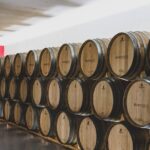
REVIEW · ALICANTE
From Alicante: Winery Tour and Wine Tasting with Tapas
Book on GetYourGuide →Operated by Sagrada Travel · Bookable on GetYourGuide
A good wine afternoon shouldn’t feel like homework. This 3-hour Alicante-region winery tour mixes vineyard walk-throughs, a real look at production, and then a tasting of 3 wines with tapas to finish the story in your glass. I like how the visit moves in order, from grapes to old machines to the tasting room, so the time actually makes sense.
Two things I especially like: the small group (up to 8) pace (you’re not shouting over strangers), and the chance to buy bottles at the winery store at the end. One possible drawback to weigh: you’ll do some walking on uneven vineyard and production-room surfaces, and the tour isn’t suitable for wheelchair users or people with mobility impairments.
In This Review
- Key moments to look forward to
- Why this Alicante winery tour fits a simple afternoon
- Pickup options and the small-group rhythm (up to 8)
- Vineyard time: planting, harvest effort, and why it’s not automatic
- Production rooms and the museum of old machines
- The tasting setup: 3 wines plus tapas
- Buying bottles at the winery store (and not overthinking it)
- The “extra stops” factor in Alicante (what you might get)
- Price and value: what $69 really buys
- Language options and how to get the most from the guide
- Who should book this tour (and who shouldn’t)
- Quick packing checklist so you’re comfortable
- Should you book this Alicante winery and tapas tour?
- FAQ
- How long is the wine tour from Alicante?
- Where are the pickup and drop-off points?
- What’s included in the tour price?
- Is the wine tasting included?
- Is tapas included with the tasting?
- What languages are the guides?
- When can I book the tour?
- Can I get a refund if plans change?
- Is this tour suitable for children?
- What should I bring, and what’s not allowed?
Key moments to look forward to

- Vineyard start: how grapes are planted, plus what harvest takes in real labor terms
- Production-room walkthrough: what goes into each wine and how long the process takes
- Museum stop: older production machines you can actually see and compare to modern steps
- 3-wine tasting + tapas: structured tasting with food pairing support
- Transfer included: pickup and drop-off options in the Alicante area keep things easy
Why this Alicante winery tour fits a simple afternoon
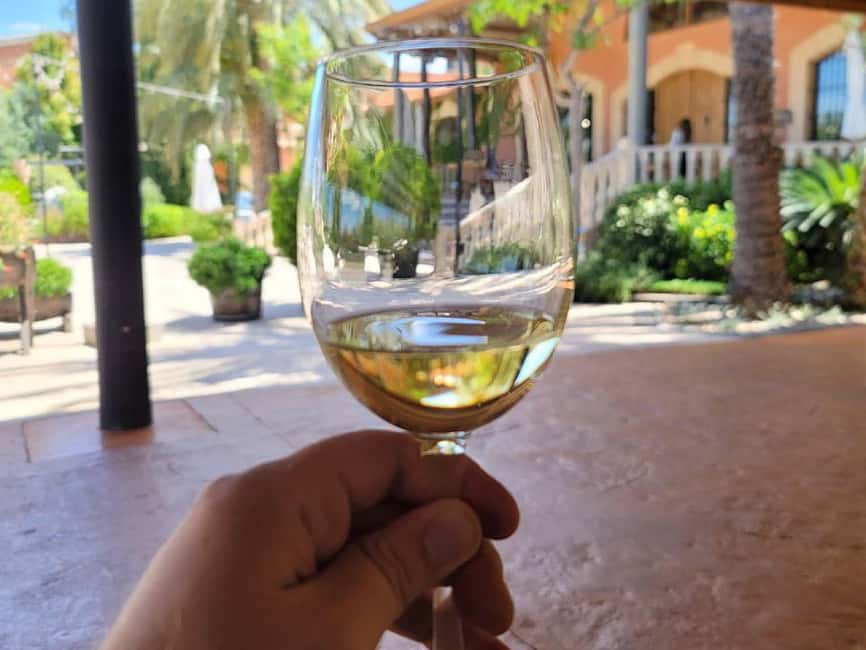
You’re in the Valencian Community, and you want wine culture without spending half the day in transit or hunting down tickets. This tour is built for that. It lasts about 3 hours, it includes transportation to and from the winery, and it keeps you moving from outside to inside: vineyard first, then production rooms and museum, then tasting.
The format matters. Wine tours that start in a tasting room feel like jumping to the ending. Here, you get the middle of the story first—planting, harvest, production steps, and old machinery—so the final tasting doesn’t feel random.
You can also read our reviews of more tours and experiences in Alicante.
Pickup options and the small-group rhythm (up to 8)
The experience starts with pickup at one of four locations in the Alicante area:
- The Outlet Stores Alicante
- Hotel Port Alicante City & Beach
- Hotel Port Jardín Milenio
- Shuttle bus stop
You’ll also get a smooth return to four drop-off points, which are the same set of locations. The driver is easy to spot, wearing a T-shirt with a logo, and that small detail helps when you’re juggling time and street corners.
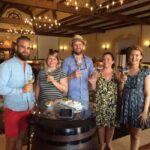
Why the small group (limited to 8) is a real plus: you can hear explanations without strain, and you’re more likely to get your specific question answered—especially during the vineyard and production parts, where the guide is walking you through how things actually work.
Vineyard time: planting, harvest effort, and why it’s not automatic

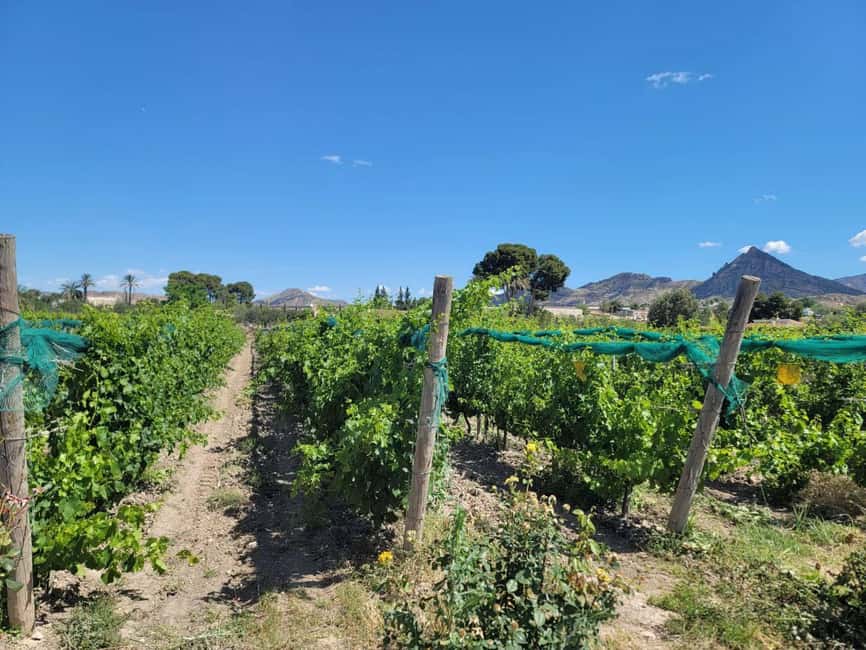
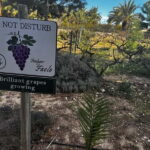
The tour begins in the vineyards, where you’ll learn how vines are planted and what it takes to keep them healthy through the season. It’s not just scenic. The emphasis is on the human work: how much effort goes into getting the right grapes, and how and when the harvest is done.
This is the section that makes you think differently about the tasting later. When you understand that harvest timing and grape care are decisions, not fate, you taste more with your brain and less with guesswork.
Practical tip: wear comfortable shoes. You’ll be walking, and vineyards aren’t made for slippery soles or “nice but unwalkable” footwear. Bring water, plus a hat and sunscreen if the sun is doing its thing.
Production rooms and the museum of old machines
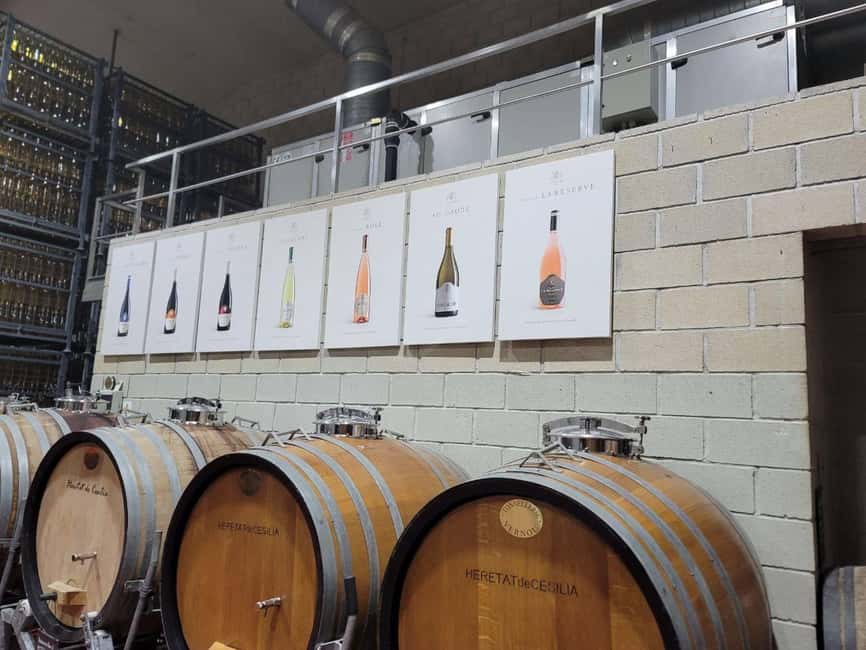
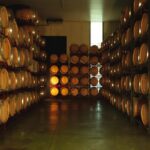
After the vineyard, you move into the production areas. Here’s where the guide’s job becomes very clear: explain the process of each wine and the time it takes to make it. That “time” piece is important. Wine isn’t only a flavor—it’s also a timeline, and different styles follow different schedules.
Then comes the museum section and the old production machines. This is one of those parts that can feel optional on paper, but it’s one of the best ways to connect history to technique. You get to see the physical tools of the past, and that helps you understand what modern production is changing—or keeping.
If you like photos, bring your camera. The combination of working production rooms and older equipment tends to give you better-than-average shots (and you’ll want them when you’re trying to remember what you liked in the tasting later).
The tasting setup: 3 wines plus tapas
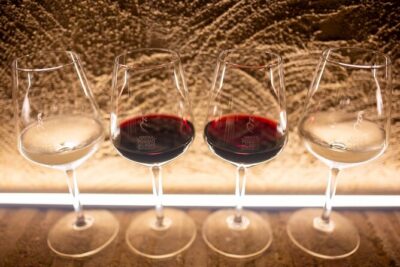
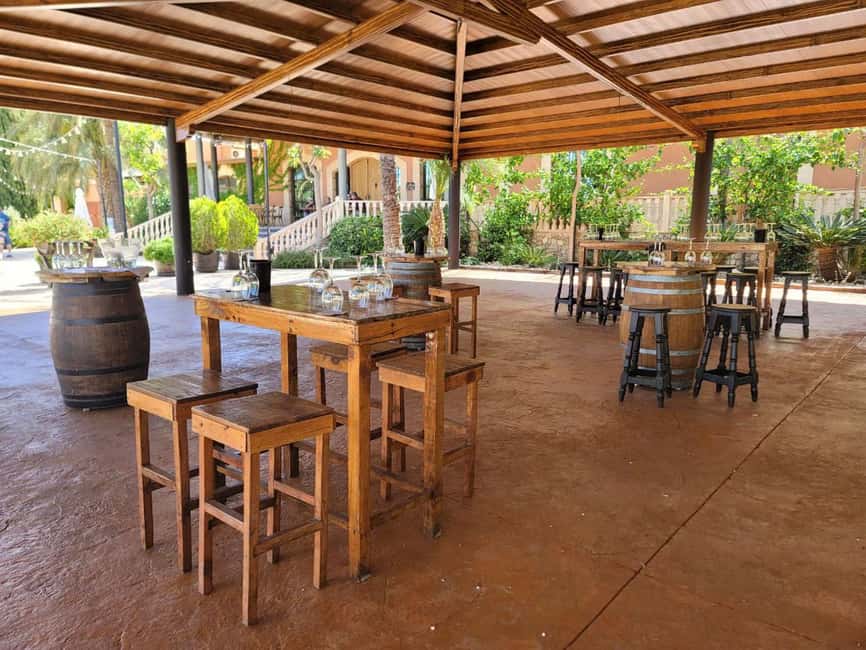
You finish with a wine tasting featuring 3 different wines, paired with tapas accompaniment. This is where the tour turns from “information” into “you can actually judge it.”
What I like about this setup is that it’s not a free-for-all. You’re tasting multiple glasses, not just one. That makes it easier to spot what changes between wines—whether it’s style, balance, or how the flavors land after you swallow.
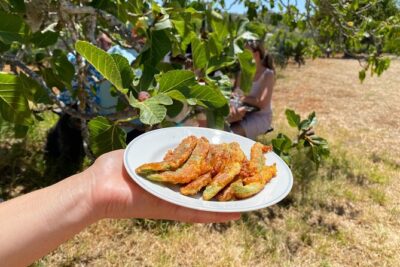
The tapas pairing matters too. Food changes the experience. Even simple bites can soften harsh edges, highlight certain notes, and make the tasting feel smoother instead of heavy.
A small rule to keep in mind: smoking isn’t allowed, and consuming food and drinks isn’t allowed during the tour. The tour provides the tapas with the tasting, but you shouldn’t plan on snacking on your own along the route.



Buying bottles at the winery store (and not overthinking it)
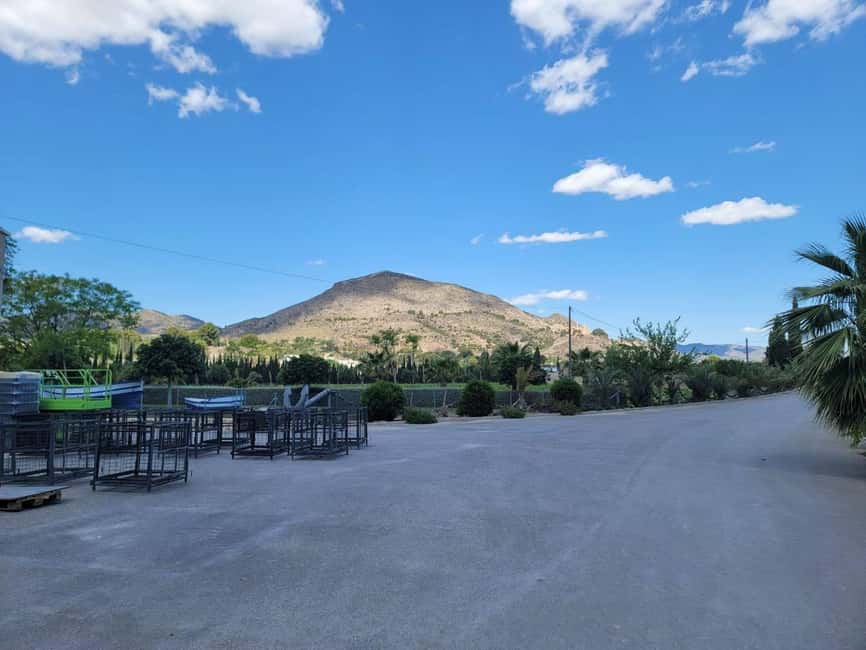
Near the end, you’ll have time to buy your favorite wine in the winery’s store. This is one of the smartest add-ons on a short tour because it prevents the typical post-tour regret spiral.
Practical reality check: you’re tasting three wines, not a menu of twenty. So yes, you might fall for more than one, but you’ll usually find at least one clear favorite. That’s exactly the moment to pick up a bottle you truly want at home.
Also, think about how you’ll carry it. The tour includes transfer, but you’ll still be responsible for how you manage your purchases after.
The “extra stops” factor in Alicante (what you might get)
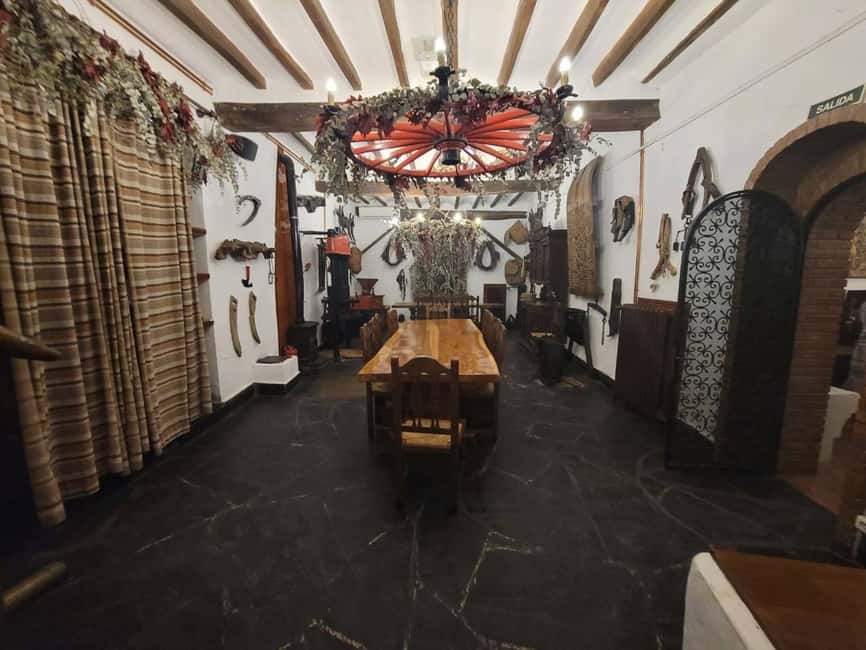
One of the reasons people like this kind of afternoon tour is that it sometimes includes a bit of the city vibe around the wine time. In at least some instances, groups have reported a surprise stop after the wine tasting, including a Gaudí-inspired church and castle ruins with a magnificent view.
I can’t promise this as a fixed feature of every departure, but it’s a good sign that the operator knows how to connect the wine outing with local landmarks rather than treating the day like a straight line.
If you’re the type who wants more than just a vineyard, keep this possibility in mind when you plan your Alicante evening.
Price and value: what $69 really buys
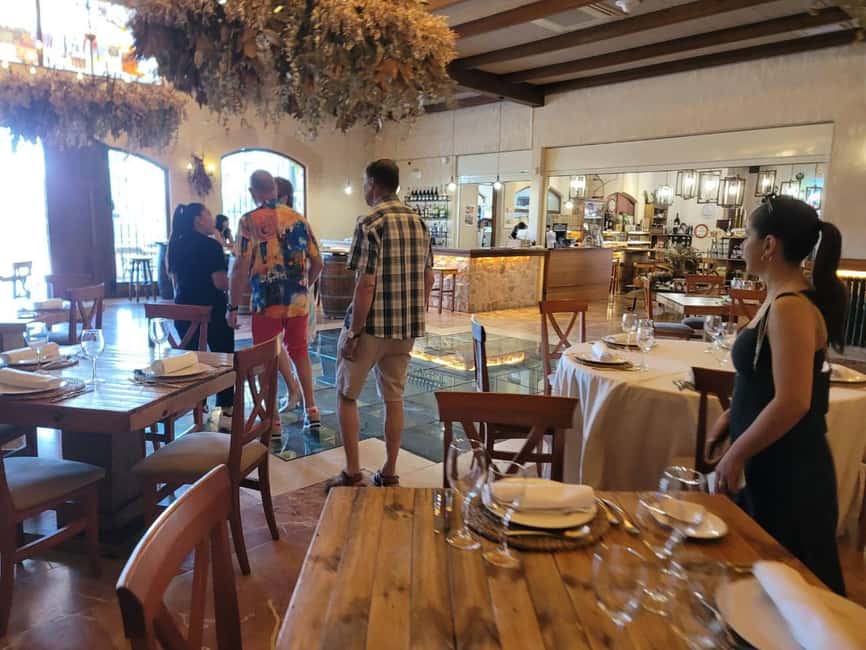
At $69 per person, this isn’t a budget bargain, but it’s also not “fancy day out only.” Here’s what you’re paying for in plain terms:
- Guided winery tour (vineyard + production rooms + museum machines)
- Wine tasting of 3 wines
- Tapas accompaniment
- Transportation from pickup points to the winery and back
For many wine tours, the tasting might be the main event and everything else feels like scenery. Here, the tasting is paired with a structured look at how wine gets made. That tends to make the tasting feel more meaningful, which is the part that actually sticks with you after the day ends.
Also, the small group cap of 8 helps justify the price. You’re not packed in like a human cork.
Language options and how to get the most from the guide
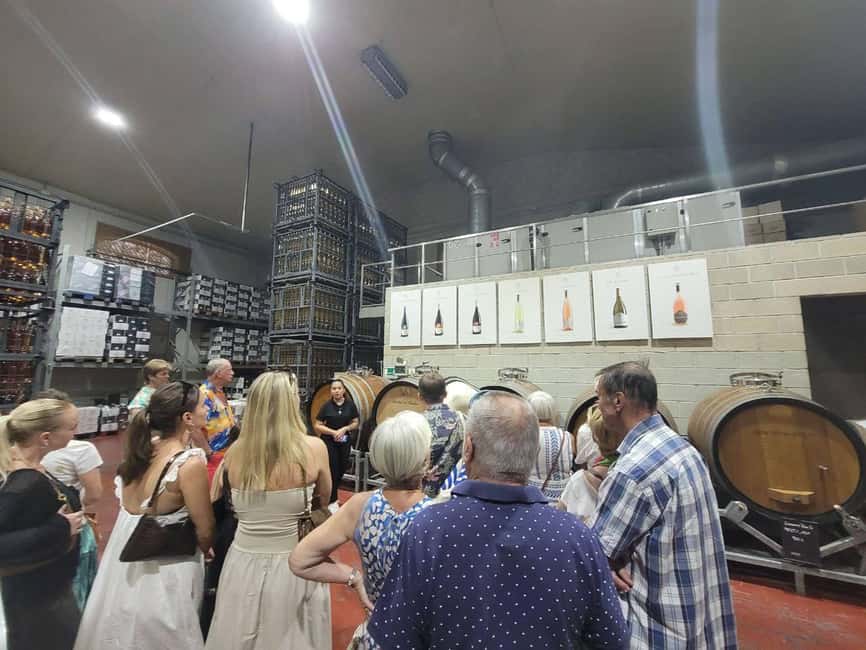
The tour runs with a live guide in Spanish, English, or Russian. That’s a big deal because winery tours can get technical fast, especially when they start talking about process steps and timing. If your guide is speaking your language, you’ll catch the details that turn “tasted three wines” into “now I know why I liked them.”
If you’re a beginner, you don’t need to memorize wine terms. Just pay attention to the guide’s explanation of what changes from one wine to the next. That’s usually the fastest path to figuring out what you’ll enjoy back home.
Who should book this tour (and who shouldn’t)
This experience is a strong match if you want:
- A short, structured winery visit that doesn’t swallow your entire day
- A small group so you can hear and ask questions
- A tasting format with 3 wines plus tapas
It’s less of a match if:
- You need wheelchair access or mobility support (it’s listed as not suitable for people with mobility impairments and not for wheelchair users)
- You’re traveling with kids under 10 years old (not suitable)
It also helps if you’re comfortable doing a bit of walking on outdoor and production-area surfaces. The tour asks for comfortable shoes for a reason.
Quick packing checklist so you’re comfortable
Do a little prep and you’ll enjoy the day more:
- Comfortable shoes (no slippery tread)
- Hat and sunscreen for the vineyard portion
- Water
- Camera for vineyard views and old machines
And mentally plan for this: no smoking and no self-serve snacking during the tour. Tapas show up with the tasting, so you don’t need to bring extras for that moment.
Should you book this Alicante winery and tapas tour?
If you want a 3-hour winery experience that’s organized—from vines to production to tasting—and you like the idea of a small group plus 3-wine sampling with tapas, I’d say yes. The price is fair when you look at what’s included: guided access, transport, and a tasting with enough variety to help you actually choose a favorite.
But if walking is a problem for you, or if you need wheelchair access, skip this one. Also, if you’re hoping for a long, leisurely wine picnic day, this isn’t that. It’s designed to be efficient and informative, with the tasting as the payoff.
FAQ
How long is the wine tour from Alicante?
The duration is 3 hours.
Where are the pickup and drop-off points?
Pickup and drop-off are available at four locations: The Outlet Stores Alicante, Hotel Port Alicante City & Beach, Hotel Port Jardín Milenio, and a shuttle bus stop.
What’s included in the tour price?
It includes a guided winery tour, a visit to the vineyard, visits to the production rooms and museum/old machines, transportation to and from the winery, and a wine tasting of 3 wines with tapas accompaniment.
Is the wine tasting included?
Yes. You’ll taste 3 different wines.
Is tapas included with the tasting?
Yes. Tapas accompaniment is included with the wine tasting.
What languages are the guides?
The live guide is available in Spanish, English, and Russian.
When can I book the tour?
You can book it no earlier than 2 days before your desired date.
Can I get a refund if plans change?
Yes. Free cancellation is available up to 24 hours in advance for a full refund.
Is this tour suitable for children?
No. It’s not suitable for children under 10 years old.
What should I bring, and what’s not allowed?
Bring comfortable shoes, a hat, a camera, sunscreen, and water. Smoking is not allowed, and consuming food and drinks is not allowed during the tour.