REVIEW · ALICANTE
Alicante: Historic Winery (1707), 3 Wine Tasting & Transfer
Book on Viator →Operated by Alicante Getaway · Bookable on Viator
A 1707 winery visit feels oddly time-stopped. This Alicante outing is built around an old workhouse setting and ends with learning about organic wines tied to the Mediterranean climate. You’ll walk the estate, hear how grapes become wine, then taste three pours: white, rosé, and red.
It also runs in a small group (up to 4 travelers), which keeps the conversation practical. The only real drawback to know up front: this is a basic, no-frills tasting of traditional local wines, so if you’re a serious wine nerd, you may want more advanced tastings elsewhere.
In This Review
- Key things to know before you go
- The value of a private car transfer from Alicante
- Entering the 18th-century workhouse winery (the 1707 part)
- Organic farming in a Mediterranean climate: what you’ll actually learn
- From vineyard to bottle: the winemaking walk-through
- The 3-wine tasting: white, rosé, red with snack pairing
- Meet Igor and the guide’s language setup
- Group size and pacing: why small feels better here
- Who this tour suits best (and who should think twice)
- Price and value: what $83.08 covers
- What to bring so you taste better
- Should you book the Alicante Historic Winery (1707) tasting?
- FAQ
- How long is the tour?
- Where does the tour take place?
- What wines are included in the tasting?
- Is transportation included, and is it by bus?
- How many people are in the group?
- What’s included with the wine tasting?
- What languages are available?
Key things to know before you go
- Up to 4 people means more time to ask questions during the tour
- Private transportation by car (not a bus) keeps the experience calm and direct
- A 1707 winery and old workhouse frame the tasting with real place-based history
- Organic farming + vineyard-to-bottle explanation gives you context, not just a pour
- Tasting includes 3 wines (white, rosé, red) plus breadsticks, olives, and a small tapa
- English is available, with the guide also speaking Spanish and Russian
The value of a private car transfer from Alicante
For wine tours, transportation can make or break the vibe. This one avoids the big-bus routine because you travel by private car, not a bus. That matters in practice: you spend less time herding, waiting, and managing a group schedule, and more time actually tasting and talking.
You’re also not stuck guessing how to get to Novelda. You’re picked up for a smooth transfer, and the experience runs like a single, guided plan.
One more small detail that helps: the group is capped at four travelers. That keeps the timing easier and lets the guide pace the tour around questions instead of rushing everyone through a checklist.
You can also read our reviews of more tours and experiences in Alicante.
Entering the 18th-century workhouse winery (the 1707 part)
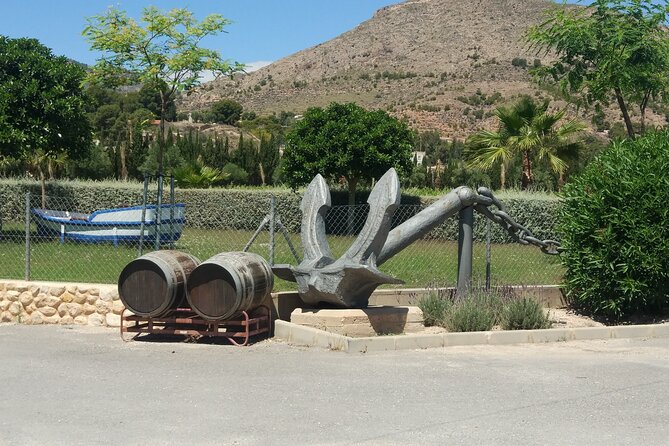
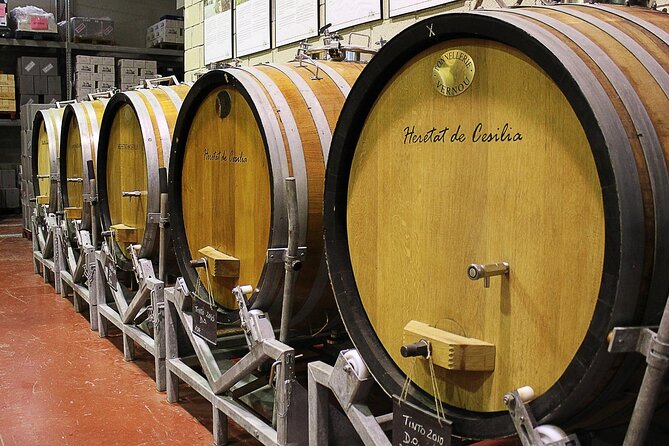
The heart of the experience is the historic property in Novelda, tied to a winery founded in 1707. The tour starts at an old 18th-century workhouse, where the building feels like it holds its breath. That’s not just scenery—this is the kind of setting that makes the whole idea of wine feel local and long-term, not trendy.
From there, you move into the winery spaces and get the story of how the estate developed over time. The place was tied to the Marquises of La Romana, and you’ll hear how vineyards and the house fit into that history. Even if you don’t care about genealogy, it helps you understand that this wine isn’t being packaged as a one-off event—it’s been produced through changing generations and farming routines.
Expect a guided flow: tour the estate, learn how grapes are grown and managed, then connect that to how wine is made. If you like experiences where context matters, this portion is where it pays off.
Organic farming in a Mediterranean climate: what you’ll actually learn
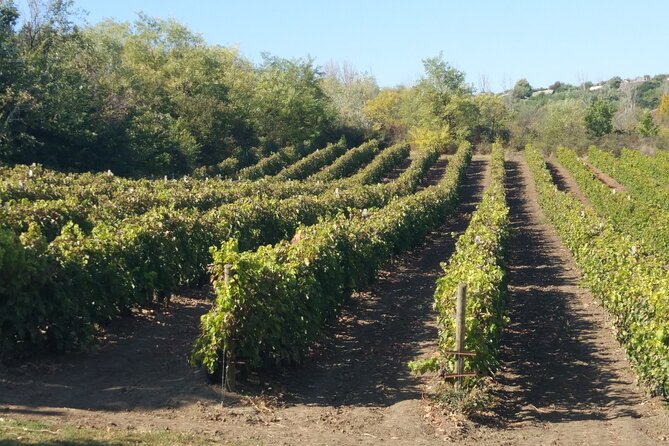
This tour isn’t just about tasting. You’ll also learn why the Mediterranean climate matters for grape growing. The guide explains how weather patterns, sun, and seasonal rhythms shape the way grapes develop.
Then you get the practical part: how organic wine production works on the estate. You’ll hear how organic farming methods are applied after touring the property. In other words, you’re not only getting the “eco” label—you get a sense of what the vineyard team does differently and why it affects the final wine.
For many people, the big lightbulb moment is realizing how vineyard choices translate into what you taste later. You’ll connect vineyard-to-bottle steps directly to the tasting, so when you get a white, rosé, or red in front of you, you have a framework for describing what’s happening.
From vineyard to bottle: the winemaking walk-through
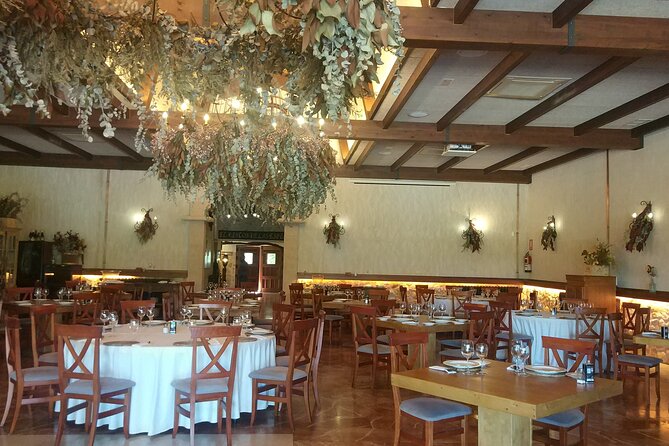
Once you’ve seen the estate, the tour shifts into the process of making wine, from the vineyard to the bottle. This is where the experience becomes useful even if you’re new to wine.
You’ll be shown how wine is produced, and the guide keeps it tied to the property’s way of working. The best part is that the story stays grounded: where grapes come from, how they’re handled through production, and what ends up in the glass.
This part also helps if you’ve ever tasted wine and thought, I like this but I can’t explain why. You’ll get vocabulary and cause-and-effect, not just tasting notes.
Time check: this winery portion is listed at about 1 hour 30 minutes, so it’s substantial enough to feel like more than a quick peek.
The 3-wine tasting: white, rosé, red with snack pairing
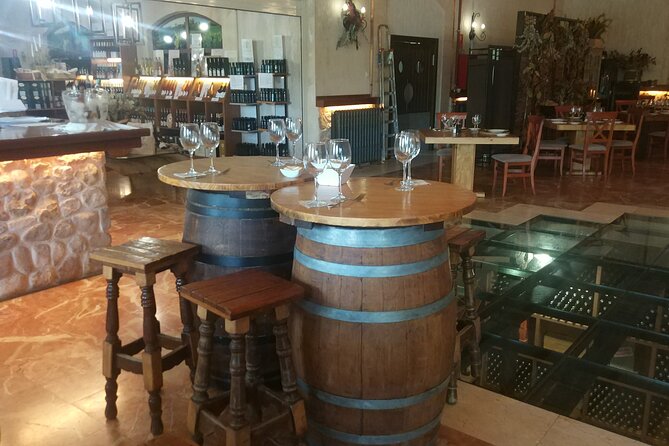
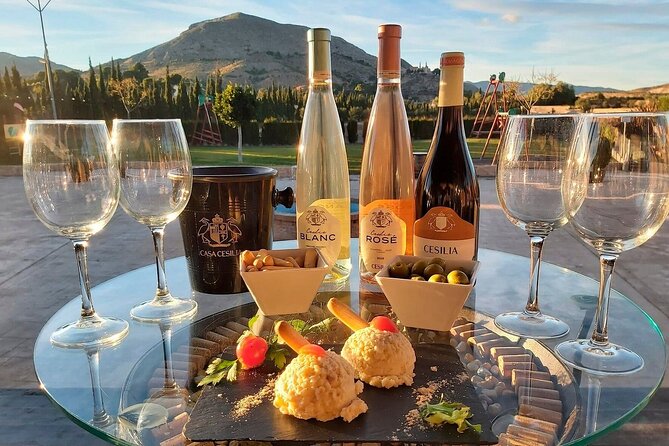
Now for the fun part: the tasting of three different wines—white, rosé, and red. You’ll get a guided explanation of each wine as you taste, not just a pour and a shrug.
Included with the tasting are breadsticks, olives, and a small tapa. It’s a simple snack setup, but it works. It helps you taste more clearly instead of feeling like you’re judging wine on an empty stomach.
Here’s how I’d think about the lineup if you want to get the most out of it:
- White first: good for picking up freshness and acidity
- Rosé next: a bridge that helps you notice balance and fruit character
- Red last: where you’ll focus more on texture, depth, and how the flavors linger
One guest highlighted that the Sauvignon Blanc in the white slot was the best of the three. That tracks with how crisp Mediterranean whites often land—clean, bright, and easy to understand.
If you’re curious, you can also ask the guide what makes each wine style different. Since the group is small, you’re more likely to get a real answer instead of a rushed script.


Meet Igor and the guide’s language setup
You’ll have an in-person guide, and the experience is offered in English. The guide can also speak Spanish and Russian, which is a nice safety net if your group includes mixed-language friends or if you want to clarify something.
On the transportation side, one driver name comes up clearly: Igor. In at least one case, Igor was described as careful and attentive, making the drive feel safe. That matters more than people expect. Wine tours can involve winding roads and timing. When the ride is handled well, you arrive relaxed—and you taste better.
Group size and pacing: why small feels better here
A cap of 4 travelers changes the whole tone. The guide can slow down for questions. You’re not stuck listening from the back of the line. And because the duration is about 2 hours 30 minutes total, you get a full experience without dragging out into a long day that makes everyone tired.
Also, the tour isn’t a massive production. It’s structured like a classic winery visit: walkthrough, history and farming explanation, then tasting. That makes it a great choice when you want something authentic without turning it into a performance.
Who this tour suits best (and who should think twice)
This is a good fit if you:
- like traditional local wines and the story of how they’re made
- want a straightforward tasting with organic farming context
- enjoy historic buildings and understanding how long wine production has shaped a place
- prefer a small group and a private car experience
It’s less ideal if you:
- already know wine styles well and want a more technical, advanced tasting format
- expect a high-end lineup of premium, aged bottles (this experience is positioned as a basic tasting of local wines)
One person described it as basic and no-frills, and said the wines felt just okay compared to expectations. That doesn’t mean it’s bad. It means your enjoyment depends on whether you’re coming for the history and the easy-to-follow organic context—or for a serious connoisseur-level tasting.
Price and value: what $83.08 covers
At $83.08 per person, this tour can feel like a bargain or like a stretch, depending on what you’re comparing it to.
Here’s what you’re paying for, in practical terms:
- private transportation by car (not bus)
- a guided tasting of 3 wines (white, rosé, red)
- food/snack support: breadsticks, olives, and a small tapa
- in-person guide service
- all fees and taxes included in the listed price
When the price includes transport plus tasting, the math is easier. You’re not trying to separately pay for getting there and then paying again once you arrive. And the tasting isn’t token-sized—you get three wines and a guided explanation for each.
If you want a simple, guided way to learn about Mediterranean organic wine production, the value is strong. If you’re hunting for rare bottles or deep cellar aging, you might feel underwhelmed by the basic format.
What to bring so you taste better
This is a short tour, but you still want to show up prepared. Bring:
- a light layer (buildings can feel cool even when the day is warm)
- comfortable shoes for walking through the estate
- a curious attitude for questions about organic farming and the vineyard-to-bottle process
Also, plan your day around the wine. Even with snacks, you’ll taste alcohol. Let the tour be the anchor, not a stop between bigger nights out.
Should you book the Alicante Historic Winery (1707) tasting?
Book it if you want a historic, small-group winery visit where the focus is learning: old estate, organic farming context, and a guided tasting of three approachable wines.
Skip it (or consider a more advanced option) if you’re only interested in top-tier, technically intense wine tasting and you’re likely to find a basic format underwhelming.
If your goal is to understand how a place like Novelda produces wine—then tastes are tied to real explanations—this one is a solid choice.
FAQ
How long is the tour?
The experience runs for about 2 hours 30 minutes.
Where does the tour take place?
The winery visit happens in Novelda.
What wines are included in the tasting?
You’ll taste three wines: white, rosé, and red.
Is transportation included, and is it by bus?
Yes. Transportation is included and it’s by private car, not by bus.
How many people are in the group?
The tour has a maximum of 4 travelers.
What’s included with the wine tasting?
Along with the 3 wine tastings, you get breadsticks, olives, and a small tapa.
What languages are available?
The tour is offered in English, and the in-person guide can also speak Spanish and Russian. Mobile tickets are used.