REVIEW · ALICANTE
Alicante (Pinoso): Tour Experience Back from the Vineyard to the glass
Book on GetYourGuide →Operated by Bodegas y Viñedos Volver · Bookable on GetYourGuide
A good glass starts in the vineyard. This 90-minute Volver visit takes you from working vines to the wine-making spaces, then ends with a tasting of four wines paired with local products. It’s a smart way to understand how the grapes become the bottle, without feeling like you’re stuck in a classroom.
I especially like that you actually tour the site: the vineyard, the production areas (including red and white winemaking), and the barrel and bottle cellar. Second, I like the way the tasting connects to the winery’s philosophy, with four wines plus local food pairings that make it easier to taste with context rather than random guessing.
One thing to consider: you’ll be walking on uneven winery grounds, so comfortable shoes matter. If you don’t love standing and moving for about 1.5 hours, you may want to bring extra patience and take slower steps.
In This Review
- Key highlights you should not skip
- Back from the Vineyard to the Glass at Volver: what the 90 minutes feel like
- Volver in the Alicante area: why this winery visit matters
- Vineyard time: the fruit behind the bottle
- Touring production: fruit reception, red & white, barrels, and bottles
- Tasting four wines with local pairings: how to taste smarter
- Price and value: what $23 (about 20€) buys you
- Best time and best language: planning your visit around the schedule
- Who should book this tour (and who might skip it)
- Small planning tips that improve the day
- Should you book Back from the Vineyard to the Glass at Volver?
- FAQ
- Where does the tour start?
- How long is the experience?
- What is the price for adults and children?
- What days does it run, and is it year-round?
- What languages are offered, and when?
- What do you actually visit during the tour?
- Is wine tasting included?
- Do I need to bring anything?
- Is there a cancellation option if my plans change?
Key highlights you should not skip
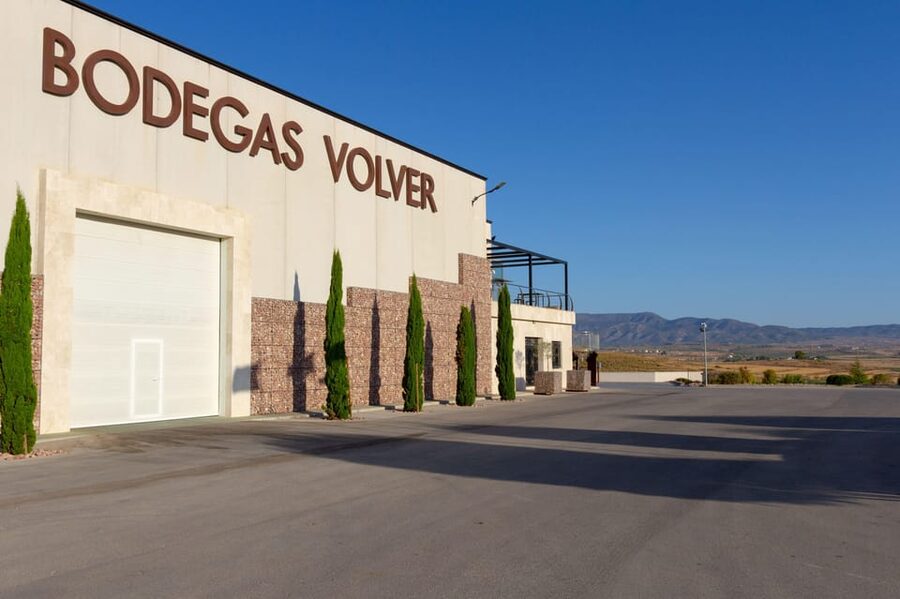
- Bodegas y Viñedos Volver inside the Alicante Denomination of Origin: you learn the local winemaking story tied to the region.
- Vineyard visit at the foot of the vines: you see where the fruit is grown before you taste it.
- Production stops you can picture: reception of fruit, red and white production, barrel room, and bottle cellar.
- Tasting of four wines: you sample the winery’s approach in one guided session.
- Pairing with local products: the food helps you notice differences between wines.
Back from the Vineyard to the Glass at Volver: what the 90 minutes feel like
This tour is built around a simple idea: you don’t really understand wine until you connect place, process, and taste. You’ll spend about 1.5 hours onsite, with the experience centered at Bodegas y Viñedos Volver. It’s listed as lasting 2 hours as well, so treat it as roughly 90 minutes to 2 hours on the ground.
The flow stays tight and logical. You start at the winery, get oriented, walk through the vineyards and key production spaces, then finish with a guided tasting. The format is especially good if you want a strong introduction to Alicante-area winemaking without committing to a full-day excursion.
Dates run all year, from Tuesday to Sunday, with different start times depending on language. If you want English, plan for Tuesday and Thursday at 11:00 or Saturday and Sunday at 10:00. If Spanish is your preference, you’ll typically see Wednesdays and Fridays at 11:00, plus Saturday and Sunday at 12:00.
You can also read our reviews of more tours and experiences in Alicante.
Volver in the Alicante area: why this winery visit matters
Bodegas Volver isn’t presented as a generic “factory tour.” The visit frames the winery as part of the Alicante Denomination of Origin, described as one of the oldest in Spain. That matters because it gives you a reason to care about regional grape styles and local traditions, not just the mechanics of bottling.
You also learn about the Cañizares family and their working methods in the vineyards and winery. Even if you’re not a hardcore wine person, that family-and-process angle helps the tour feel human. It turns wine from a product into something made through choices over time.
The whole experience is designed to connect back to the theme in the title: from the vineyard to the glass. You’ll get a guided version of that story, but you also end up doing your own matching as you taste—seeing whether what you learned about the vineyard and production actually shows up in the glass.
Vineyard time: the fruit behind the bottle
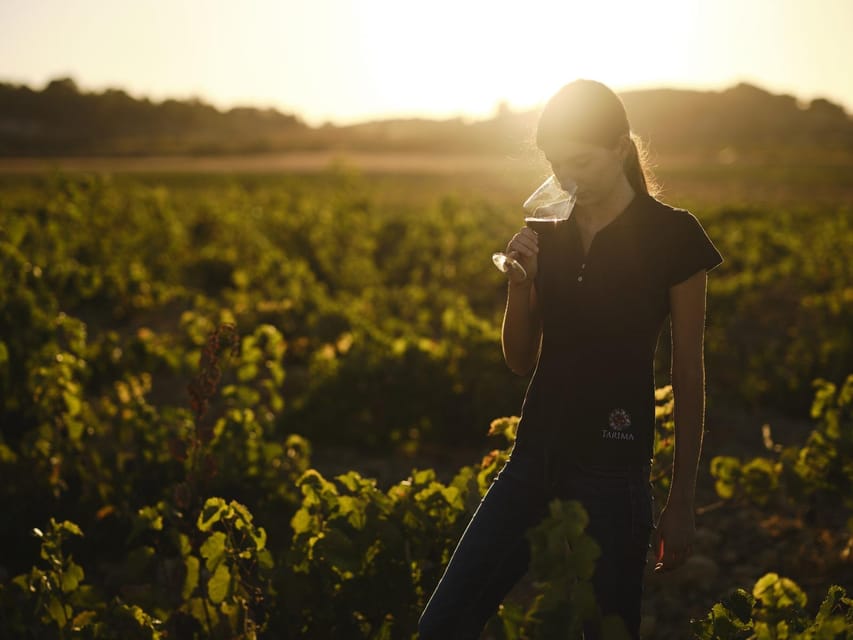
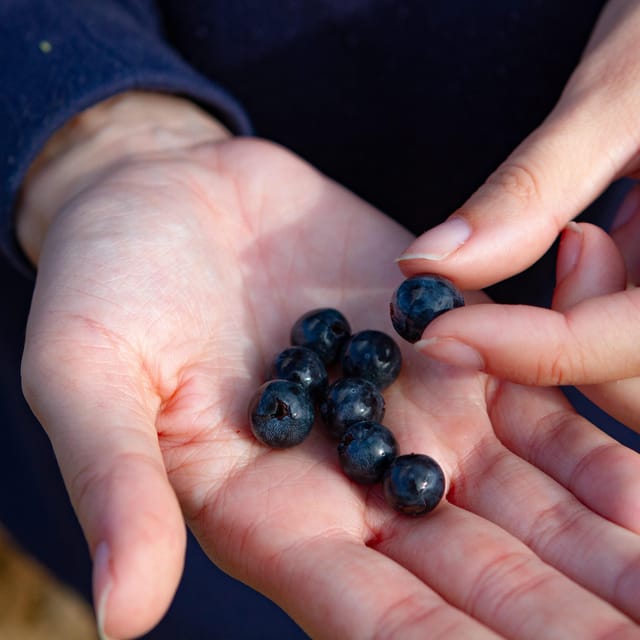
The tour includes a vineyard visit, and that’s the part that usually makes these tours stick with you. You’ll see the vineyards surrounding the winery and learn how the site and the fruit are handled to produce the best grapes possible.
The tour description emphasizes working methods at the foot of the vineyards and how that fruit becomes the foundation for the wines. In practical terms, this is where you start building “taste expectations.” When you later sample four wines, you’ll have a mental picture of the growing environment and how the winery approaches the crop.
Practical tip: wear comfortable shoes. Winery grounds can be uneven, and you’ll be on your feet through the vineyard portion. If your feet get tired easily, plan to slow down, especially on the way in and out of production areas.
Touring production: fruit reception, red & white, barrels, and bottles
This visit stands out because it doesn’t only show the fun parts. You also walk through the production process in sections, with stops that map to what’s happening to the wine.
Here’s what’s included:
- Reception of the fruit
- Red wine production
- White wine production
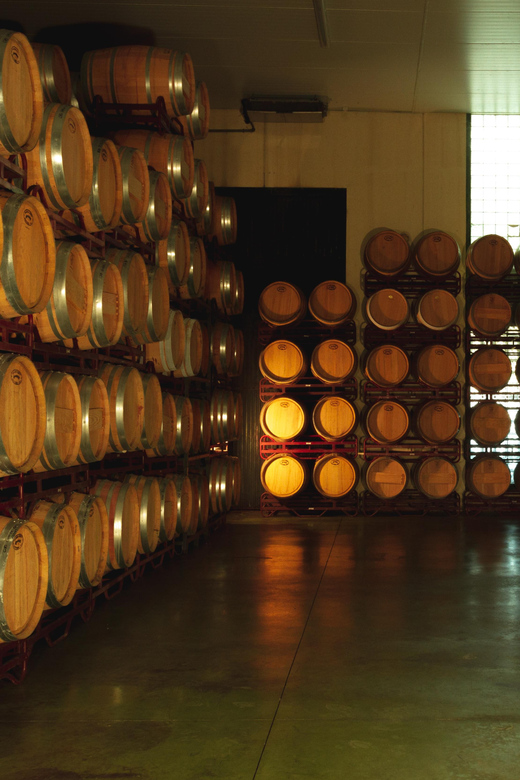
- Barrel cellar
- Bottle cellar
Seeing fruit reception helps you understand that winemaking starts before any barrel or bottle exists. You’re shown the early stage where the winery handles incoming grapes, which is useful if you’ve ever wondered why different vintages or different vineyards can taste so different.
Then you separate red and white production. That matters because it reinforces a key idea: even when the winery’s goal is consistent quality, red and white follow different paths. You get that difference explained through the physical spaces, not just in theory.
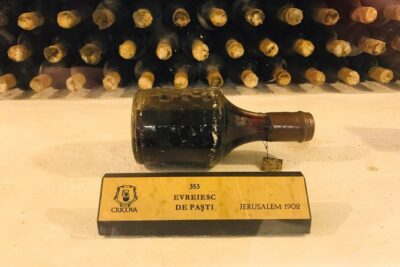
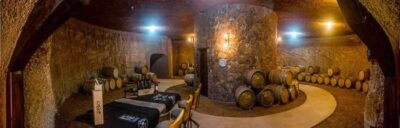
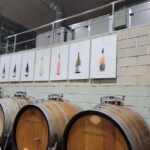
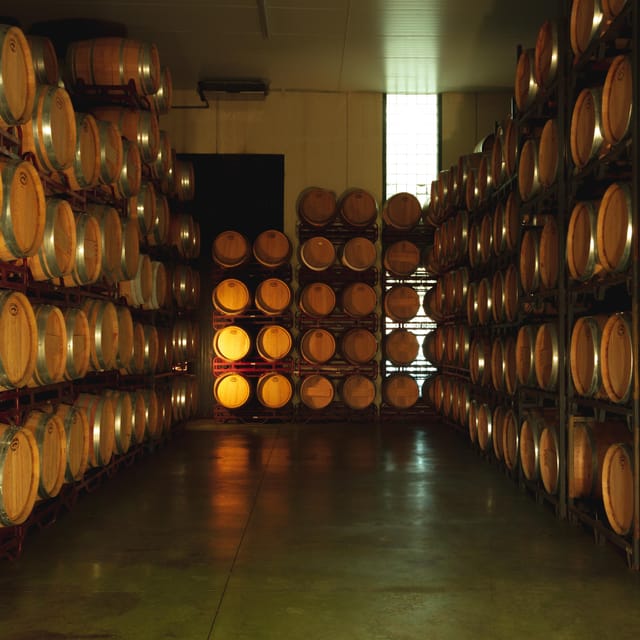
The barrel room and bottle cellar are where the tour shifts from production to evolution. The description specifically calls out how wines evolve in the barrel room and bottle cellar until they are ready to be enjoyed. Even if you don’t know the technical terms, you can still connect the dots: time in those spaces influences the flavors you’ll detect during tasting.
If you like photos and memory anchors, this is a good tour to watch your step and keep track of what you saw where. The layout supports that kind of mental mapping.
Tasting four wines with local pairings: how to taste smarter
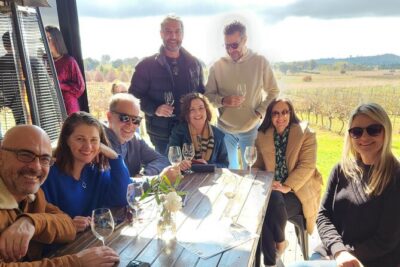
The tour culminates with a tasting of four wines, paired with local products. The pairing part is not an afterthought. It’s built in so you can taste each wine with food context, which makes differences easier to notice.
The tasting is also described as representing the philosophy of the winery. That phrase can sound vague, but in this setting it means you’re sampling multiple expressions that reflect how the winery thinks about quality. If you’re new to wine, tasting four at once is a practical way to get your bearings quickly. If you already know wine, it gives you a quick but structured way to compare styles.
Local products are included with the tasting, and that helps in two ways:
- You can reset your palate between wines.
- Food can bring out flavors you might miss if you’re tasting wine “dry.”
One more important point: the tour notes that the tasting with local products is a must for minors. The data doesn’t specify drink rules for minors, so don’t assume everyone will be drinking wine in the same way. What you can count on is that the local pairing element is part of the experience for the whole group.
If you want to get the most out of the tasting, ask the guide to explain what you should be paying attention to in the glass. You’ll hear the wines described, but you’ll enjoy it more if you also look for the differences the guide is highlighting.

Price and value: what $23 (about 20€) buys you
Let’s talk value in plain terms. Adults are listed at 20€ (also shown as about $23 per person), and the experience runs around 1.5 hours. For that price, you get:
- Vineyard visit
- Tour of production areas (fruit reception, red and white production, barrel cellar, bottle cellar)
- Tasting of four wines
- Pairing with local products
- A live guide in English or Spanish, depending on the day/time
This is not just a sip-and-go. It’s closer to a guided “see how it’s made, then taste it” experience. That’s why the price feels reasonable: you’re paying for access and context, not only the wine.
Where value can vary is personal. If you already know the basics of winemaking and you want a longer, deeper technical class, this may feel short. But for many visitors, the tight runtime is a benefit. You still leave with a full story arc: vineyard to cellar to glass.
Best time and best language: planning your visit around the schedule
Because the tour runs Tuesday through Sunday all year, you’re not boxed into one specific day. The language schedule is the part to pay attention to so you get what you want out of it.
English:
- Tuesday and Thursday at 11:00
- Saturday and Sunday at 10:00
Spanish:
- Wednesday and Friday at 11:00
- Saturday and Sunday at 12:00
So if your group has mixed language comfort, double-check which days match your needs. It’s also worth thinking about timing relative to your broader day in the Alicante region. Morning starts generally mean cooler walking and easier logistics around the winery grounds.
Who should book this tour (and who might skip it)
This tour fits best if you want:
- A guided winery visit with both vineyard and production stops
- A structured introduction to Alicante Denomination of Origin themes
- A tasting with food pairing, not just wine samples in a room
It also makes sense for couples and solo travelers who want a clear itinerary without a long commute or complicated planning. The tour is listed as wheelchair accessible, which is a meaningful factor for visitors who need it.
On the other hand, you may consider a different option if you want a very long format, specialized technical education, or a purely scenic wine experience with no production walk-through. This one is intentionally balanced: nature plus winery work.
Small planning tips that improve the day
A few practical things help you enjoy the tour more:
- Bring comfortable shoes for walking around vineyards and production spaces.
- Wear clothes you’re comfortable moving in. The tour includes both outdoor vineyard time and indoor cellar stops.
- When the guide explains the vineyard work and then later the cellar evolution, take quick mental notes. You’ll taste more thoughtfully after that connection clicks.
- If you’re visiting with kids, remember the tasting experience includes local products and the tour notes it as required for minors, so plan for a group format rather than an adult-only wine stop.
Should you book Back from the Vineyard to the Glass at Volver?
If you want a solid, well-paced winery visit where you can actually connect what you see—vineyard, red and white production, barrels, bottles—to what you taste, then yes, I think this is worth booking. For the adult price, you get a full guided pathway plus a tasting of four wines paired with local products, which is the kind of value that feels fair.
I’d book it especially if you’re visiting the Alicante area and want an experience that’s more than just a quick pour. The vineyard-to-glass approach gives you a clear story arc, and the production stops make the tasting feel grounded.
FAQ
Where does the tour start?
The tour starts at Bodegas y Viñedos Volver.
How long is the experience?
It runs about 1 hour 30 minutes approximately, and it’s also described with a 2-hour duration window.
What is the price for adults and children?
Adults are listed at 20€ (about $23 per person), and children are listed at 12€.
What days does it run, and is it year-round?
It’s available all year round from Tuesday to Sunday.
What languages are offered, and when?
English is offered on Tuesday and Thursday at 11:00, and on Saturday and Sunday at 10:00. Spanish is offered on Wednesday and Friday at 11:00, and on Saturday and Sunday at 12:00.
What do you actually visit during the tour?
You visit the vineyard and different production areas, including reception of the fruit, red and white wine production, barrel cellar, and bottle cellar.
Is wine tasting included?
Yes. The experience includes a tasting of four wines with local products.
Do I need to bring anything?
You should wear comfortable shoes.
Is there a cancellation option if my plans change?
Yes. You can cancel up to 24 hours in advance for a full refund.