REVIEW · ALICANTE
Explore an urban winery and enjoy a Jumilla wine tasting
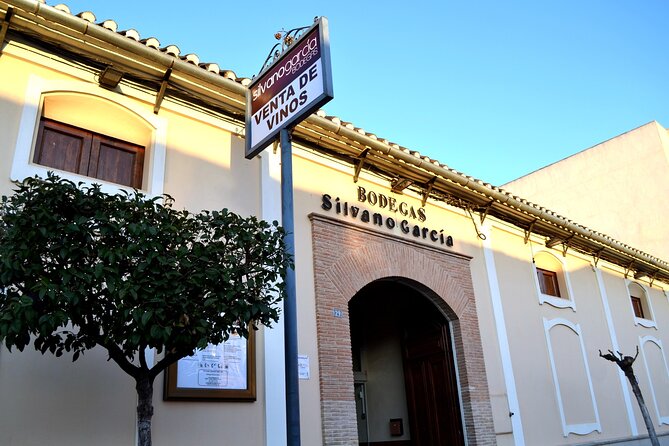
Book on Viator →Operated by Bodegas Silvano García · Bookable on Viator
Wine tasting should feel like a story. This one is built for your senses, inside an urban winery in Jumilla. You get welcome vermouth, a walk through the old winery, then hands-on stops like an aroma room and a raising room before a guided tasting of Jumilla wines with a small local appetizer.
Two things I really like: the pace (you get history, but it stays short), and the structure (you smell first, then taste, so the wines make more sense). One thing to keep in mind: visits run in English, French, and Spanish only as availability allows, so if language matters a lot, book ahead and double-check when you reserve.
You’ll be in a small group (up to 20), and the setting is designed for learning without feeling formal. In about 1 hour 45 minutes, it’s a compact way to understand the flavor choices behind what’s in your glass, not just sip and move on.
In This Review
- Key highlights at a glance
- How the urban winery format changes the whole tasting
- Meeting at 11:30 in Jumilla: what that means for your day
- Entering the old winery and the “rooms” that teach your nose
- The old winery: history without dragging
- Aroma room: smell training you can actually use
- Raising room: connecting production and taste
- Welcome vermouth: a smart opener before the tasting flight
- The appetizer board: why the cheese and sausage matter
- Wine tasting with 4 or 6 wines: how to choose your path
- If you choose 4 wines
- If you choose 6 wines
- Guide-led commentary in real time: Victoria and Paloma’s impact
- Price and value: what $18.14 buys you in real-world terms
- Who should book this Jumilla winery tasting
- Should you book Bodegas Silvano García’s urban winery tasting?
- FAQ
- How long is the tour?
- What time does the tour start?
- Where do I meet for the experience?
- How much does it cost?
- How many wines are included?
- What is included in the snack?
- Is alcohol included?
- What languages are available?
- How big is the group?
- Are service animals allowed?
- FAQ
- Can I cancel for a full refund?
- Do I need to bring cash for tips?
Key highlights at a glance
- Urban winery experience in Jumilla with a guided, step-by-step tasting flow
- Welcome vermouth to start you off before the tasting proper
- Aroma room + raising room, designed to connect smells and production with what you taste
- Choose 4 or 6 wines, so you control how deep you want to go
- Cheese and sausage board + local olive oil tasting as your food anchor
- A human guide experience, with standout commentary from guides like Victoria and Paloma
How the urban winery format changes the whole tasting
Jumilla wine tasting doesn’t have to mean a long drive and a countryside tour. This experience is set up as an urban winery visit, which makes it feel less like a chore and more like a guided evening-out. You’re in an environment built for visitors, so the stops are arranged in a logical order: learn a bit, see the production spaces, then train your nose, then taste with guidance.
I also like that it’s not stuck in one mode. You get a mix of storytelling and sensory work: a short history section, then physical rooms where you can smell different components, then the tasting itself. That flow matters because wine can be confusing if you only taste and never practice what to notice.
The wine menu is designed to stay approachable. You can pick 4 wines for a shorter, punchier tasting, or 6 wines if you want more comparison and variety. That choice is a big deal for value, because it tailors the intensity to your day.
You can also read our reviews of more tours and experiences in Alicante.
Meeting at 11:30 in Jumilla: what that means for your day
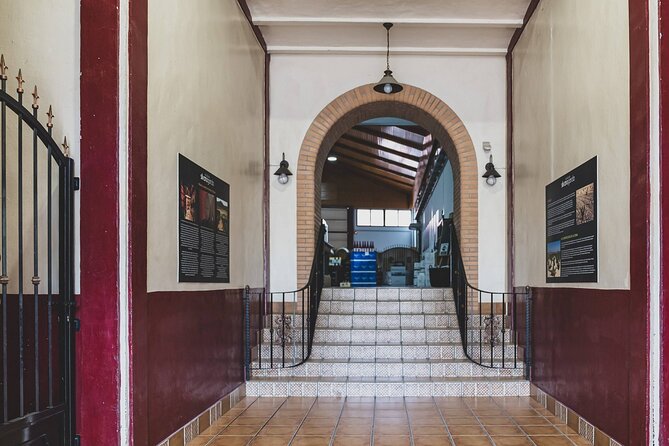
This tour starts at 11:30 am and runs about 1 hour 45 minutes. The meeting point is Av. de Murcia, 29, 30520 Jumilla, Murcia, Spain, and the tour ends back there. If you’re trying to plan a day in Jumilla, this timing is great: it’s early enough to still have time for lunch after, and it’s short enough that you’re not stuck all afternoon.
The group size is limited to 20 travelers, which usually keeps the tasting interactive. In a bigger group, guides often rush. Here, the format is built for commenting and guiding you through the aromatics and then the flight.
You’ll also use a mobile ticket, so have your phone ready. This is the kind of tour where being on time helps the flow, because you’re moving through rooms and then landing at the tasting table.
Entering the old winery and the “rooms” that teach your nose
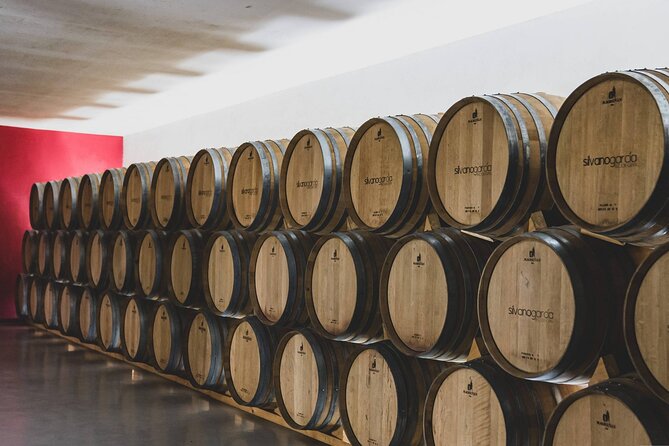
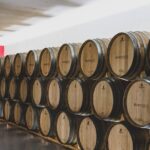
The tour route is clear and purposeful: welcome vermouth, then a visit to the old winery, followed by an aroma room and a raising room. Each stop adds a layer.
The old winery: history without dragging
The old winery visit gives context, but it’s kept under control. One guide-driven tip here is pacing: you should treat this part as your orientation. Even if you’re not a wine scholar, a bit of background helps you understand why the later tasting feels the way it does.
I like that the story isn’t long. That means you’re not sitting through paragraphs while your appetite and attention slowly fade. You’re getting enough to anchor what you’ll taste next.
Aroma room: smell training you can actually use
The aroma room is the star for anyone who thinks wine tasting is only about flavor. Here, you’re guided through the different ingredients and aromas wine can contain. Practically, this helps you stop guessing.
Instead of saying it tastes fruity or not, you start noticing whether you’re picking up herb notes, spice hints, or other cues. It also makes the tasting easier to follow because the guide can connect what’s in the room to what’s arriving in the glass.


Raising room: connecting production and taste
The raising room (think of it as the part of the process related to how wines develop) adds production context. Even if you’re not obsessed with cellar details, this stop gives you a reason for why the wines you sample can show different structure and aging character.
And it matters because you’ll taste not just “good” wine, but wines with different expressions. When a guide links those expressions to the raising context, the whole experience feels less random.
Welcome vermouth: a smart opener before the tasting flight
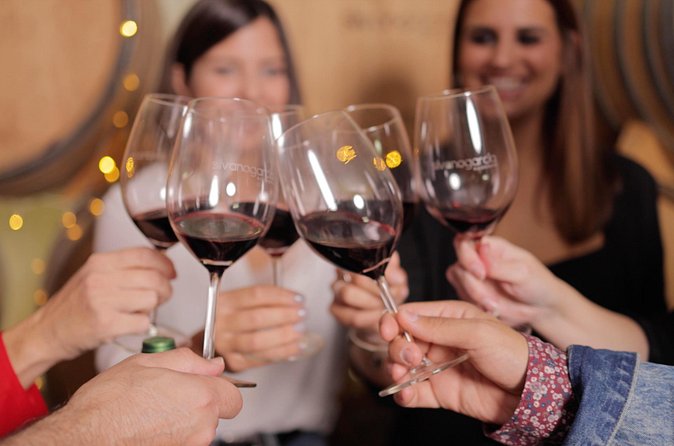
The tour starts with a welcome vermouth. For a lot of people, vermouth is the missing piece in wine tourism because it’s often treated as a drink, not a learning moment. Here, it’s used as the introduction, so it sets the theme: you’re tasting with intention.
From the tasting notes shared from the experience, the vermouth that stood out included a white style with an intense nose of aromatic herbs and spices, with a balance between sweetness and bitterness. That kind of opener is helpful because it trains your palate before you move into the structured wines.
If you’re someone who normally skips vermouth because you assume it will be too sweet, this format is worth a shot. Starting with vermouth can reset expectations fast.
The appetizer board: why the cheese and sausage matter
Food isn’t just a bonus here. You get a small snack alongside the wine tasting, built around a cheese and sausage board featuring area products. This matters because it gives you something salty and fatty while you move through multiple wines.
That’s practical. If you’re only tasting wine with empty-mouth hunger, flavors blur. The snack gives you contrast and helps you notice changes from one wine to the next.
You may also be served olives and local olive oil as part of the experience. The tour includes an olive oil tasting, which adds another sensory layer. It helps you understand why the guide talks about balance and aromatics. Oil can amplify aromas and make subtle tastes easier to pick up.
Wine tasting with 4 or 6 wines: how to choose your path
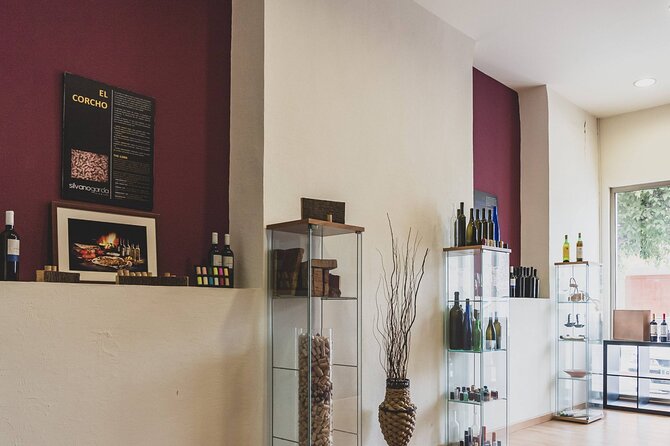
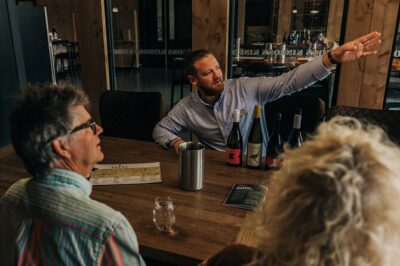
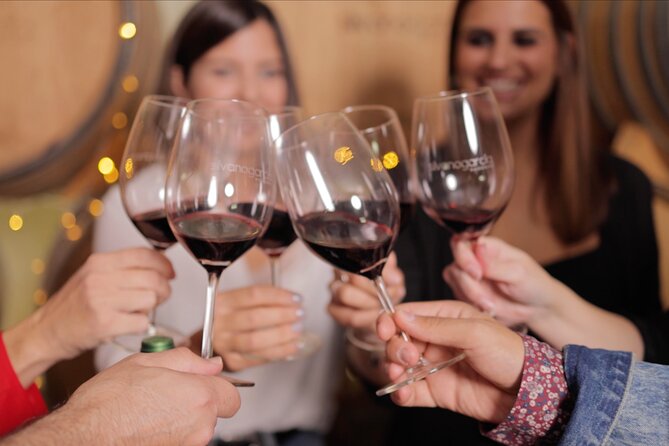
You can select between 4 or 6 wines for the tasting, and the tasting itself is commented, not silent. That’s a big value point. Wine tourism gets expensive when it turns into a self-guided sampling station. Here, you’re guided through what you’re tasting.
If you choose 4 wines
Picking 4 wines is ideal when you want variety without feeling rushed. You get enough comparison to understand the range of expressions, but you don’t spend your whole time flipping between too many glasses.
This option also tends to work well if you’re pairing the tour with a lunch plan later. In 1 hour 45 minutes, you’ll still have time to keep your day moving.
If you choose 6 wines
Choosing 6 wines is for people who like to compare. It’s also a good fit if you want to catch more surprises. In the standout tasting experience notes, the selection included a range from fresh and aromatic whites to reds with structure and complexity, plus finishes that felt designed for closure rather than just continuation.
Two specific items that stood out:
- Section Vivina, the blue one (people liked it enough to mention it clearly)
- A sweet Muscat wine finish with notes like candied fruit, honey, and a touch of citrus, balanced by acidity
Those kinds of moments are exactly why I like the 6-wine option. It’s not only about tasting more. It’s about getting to the “end note” choices that make the flight memorable.
Guide-led commentary in real time: Victoria and Paloma’s impact
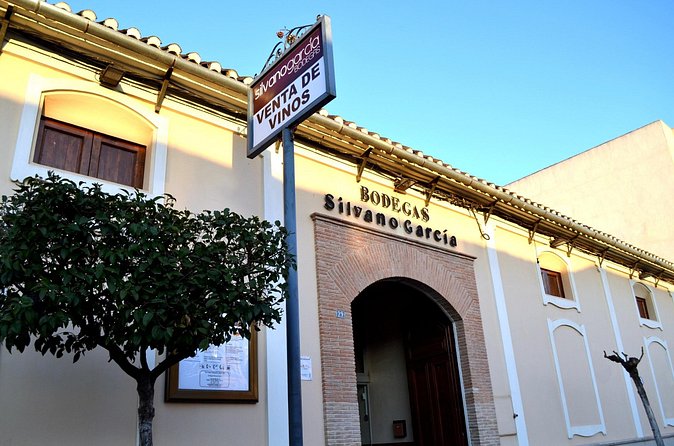
The guided commentary is where this experience becomes more than a drink stop. The tour includes a guide, and the vibe stays friendly and explanatory. If you end up with Victoria, there’s a clear example of how strong the history storytelling can be, including fascination around the vineyard’s story and why it connects to what you’re tasting.
If Paloma is your guide, the tasting approach tends to be personable and well presented. When people highlight the guide by name, that’s usually a sign the explanations were clear and the pacing worked.
Also, the tour runs in English, French, and Spanish depending on availability or reservation. So if you’re traveling as a small group with mixed language needs, it’s worth planning ahead so you don’t lose time to last-minute swaps.
Price and value: what $18.14 buys you in real-world terms
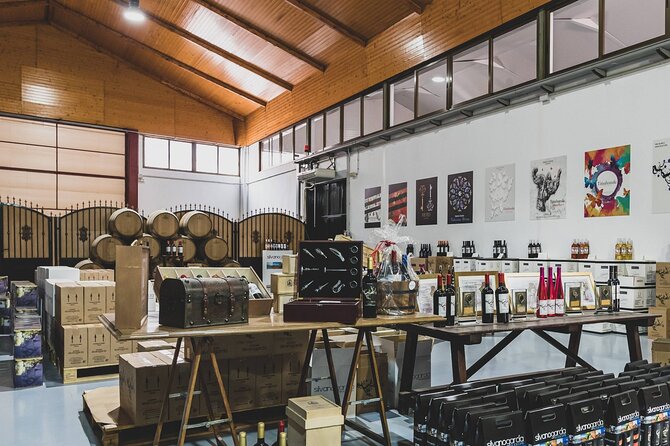
At $18.14 per person, this is one of those wine experiences that feels like a practical bargain, not a special-occasion splurge. You’re paying for more than alcohol. Your price includes:
- Snacks (cheese and sausage board, and an olive oil tasting component)
- Alcoholic beverages (wines, plus the welcome vermouth)
- A guide
- The key sensory stops (old winery, aroma room, raising room)
For value, the big win is time plus structure. In roughly 1.5 hours, you get several learning steps plus a tasting flight. Many wine tours either focus heavily on the building with less tasting, or focus heavily on pouring with less explanation. This one tries to do both in a tight time box.
The only “cost” is your choices. If you select 6 wines, you’ll drink more. If you select 4, you’ll still get a guided arc, just with fewer comparisons. Either way, you’re not paying extra just to get into the building.
One note: tips aren’t included. That’s typical, but plan for it if you want to reward great guidance.
Who should book this Jumilla winery tasting
This tour fits best if you want a guided tasting with structure, not just a casual sip-and-stand. It’s also a good match if you like learning through your senses—smell first, taste second.
You’ll likely enjoy it if:
- You’re new to wine and want a guided way to understand aroma and balance
- You enjoy comparisons across multiple wines in a short time
- You like food-and-drink pairings more than solo tastings
- You want a small group (max 20) experience in Jumilla
It may not be ideal if:
- You want a long, deep cellar tour with lots of production detail and time to linger
- Your schedule needs a different start time than 11:30 am
- You need a guaranteed language option, since language depends on availability
Should you book Bodegas Silvano García’s urban winery tasting?
I’d book this if you’re aiming for a smart, compact wine experience in Jumilla that goes beyond the glass. The strongest reasons are the format: welcome vermouth, sensory rooms (aroma and raising), and a guided tasting with real food support. The fact that the tasting includes 4 or 6 wines gives you control, and the presence of guides like Victoria and Paloma in people’s memories is a good sign that the explanations land.
If you’re the type who likes to understand why a wine tastes the way it does, this is the kind of tour that helps you leave with clearer senses, not just a full stomach.
FAQ
How long is the tour?
It runs about 1 hour 45 minutes.
What time does the tour start?
The start time is 11:30 am.
Where do I meet for the experience?
The meeting point is Av. de Murcia, 29, 30520 Jumilla, Murcia, Spain.
How much does it cost?
The price is $18.14 per person.
How many wines are included?
You can choose between tasting 4 or 6 wines.
What is included in the snack?
You get a cheese and sausage board, and the tasting also includes an olive oil tasting.
Is alcohol included?
Yes. Wines are included, along with a welcome vermouth. Alcohol is only served to travelers over 18, and non-alcoholic beverages are available for guests under 18.
What languages are available?
Visits are offered in English, French, and Spanish, subject to availability or reservation.
How big is the group?
The tour has a maximum of 20 travelers.
Are service animals allowed?
Yes, service animals are allowed.
FAQ
Can I cancel for a full refund?
Yes. Cancellation is free, and you can cancel up to 24 hours in advance for a full refund.
Do I need to bring cash for tips?
Tips are not included, so if you want to tip, you’d handle that separately.