REVIEW · OSAKA
Osaka Winery Tour with Wine Tasting & Vineyard Walk
Book on GetYourGuide →Operated by Goen Japan · Bookable on GetYourGuide
A quiet stroll through vines beats another museum day. This Osaka winery tour pairs Katashimo Winery’s 1914 roots with a guided walk through older Osaka streets. You get history you can actually see, plus tasting you can actually taste.
I love that you visit a 100-year-old aging cellar tied to cultural heritage, not just a quick photo stop. I also love the guide’s mix of wine talk and local culture, with the pacing built into a tight 2-hour experience. One possible drawback: you’ll be on your feet for the walking portion, so plan comfy shoes.
From the moment you meet at the winery area, it feels like you’re stepping into a smaller Osaka than the usual neon zones. The tour leans into what makes regional Japanese wine interesting: small-batch choices, place-specific stories, and tastings that stay focused. If you’re expecting a long vineyard hike or a full day out, this one is brief by design.
In This Review
- Key things that make this tour worth your time
- Katashimo Winery: Japan’s oldest in the west, and why you’ll care
- Where it starts: the Katashimo winery area and quick orientation
- Inside the 1914 winery cellar: what makes the aging visit memorable
- The walking portion: Edo-period streets, an ancient camphor tree, and older Osaka moods
- Wine tasting 101: three Japanese wines, small bites, and how to taste smarter
- G20-selected bottles: what that label tells you about the tasting
- Timing and pacing: why a 2-hour format can be a win
- What to expect from the guide: stories that connect wine to place
- Price and value: is $83 reasonable for what you get?
- Who this tour suits best (and who might want something else)
- Should you book the Katashimo Osaka winery tour?
- FAQ
- FAQ
- Where do I meet for the Osaka Winery Tour with Wine Tasting & Vineyard Walk?
- How long is the tour?
- How much does the tour cost?
- What’s included in the tour price?
- What will I taste during the tour?
- What kind of winery experience do you get?
- Is there a walking component?
- Do you offer tours in English?
- Can I cancel if my plans change?
Key things that make this tour worth your time
- Katashimo Winery (1914): Japan’s oldest winery in western Japan, with cellar access that feels special.
- A designated heritage aging cellar: You see where wine matures, not just where it’s sold.
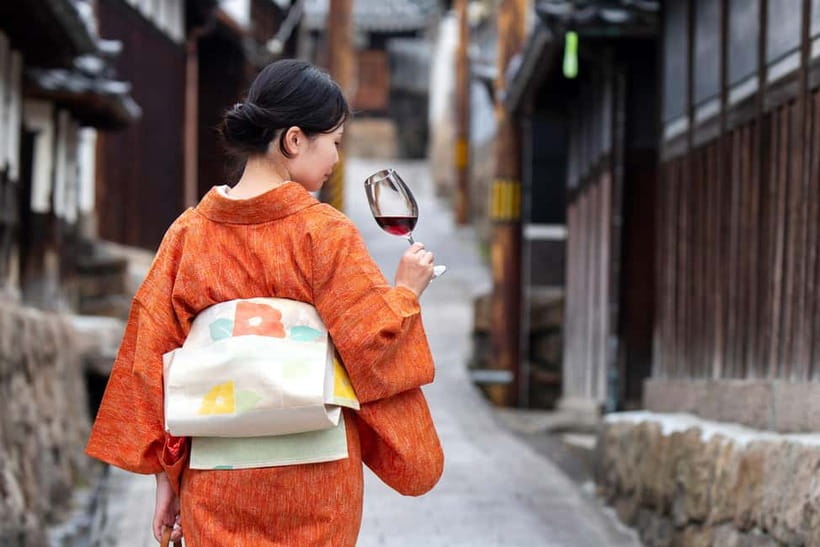
- Edo-period streets on foot: Wooden building streets and older Osaka atmosphere you won’t get from postcards.
- The 1,000-year camphor tree stop: A living landmark that anchors the walk in real time.
- Tasting 3 Japanese wines: Including bottles selected for the G20 Summit.
- Small bites with wine: Help you taste more clearly without it turning into a hard-sell meal.
Katashimo Winery: Japan’s oldest in the west, and why you’ll care
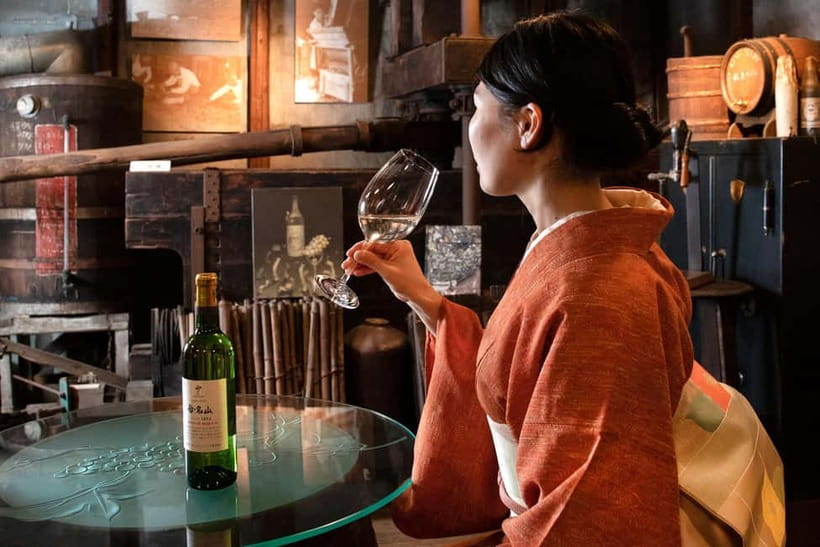
If you like wine tours that actually explain what you’re seeing, Katashimo Winery is a strong pick. This is one of the reasons the tour works as more than a tasting event: you start with the winery’s timeline and purpose, then you taste the results of those years.
Katashimo has been operating since 1914, and that long run shows up in the experience. You’re not just trying a few pours; you’re getting context for why Japanese winemaking has its own rhythm. The guide’s job is to connect the dots between place, aging, and flavor, so the tasting isn’t random.
And the “oldest winery” angle matters in a practical way. When a winery has been around that long, it tends to hold on to traditions and know-how, which shapes everything from cellar routines to how the tasting is presented. You’ll feel that the tour is built to make you notice details, not just drink.
Where it starts: the Katashimo winery area and quick orientation
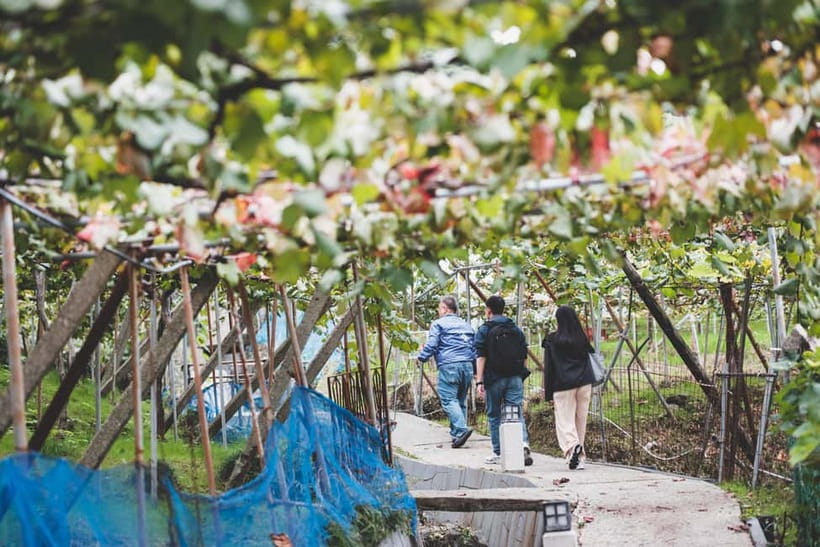
You meet at the front of カタシモワイナリー 直売所 (Katashimo Winery direct sales store). It’s a good meeting point because it’s clearly tied to the winery itself, so you’re not hunting for a generic lobby.
From there, the tour flows naturally. You begin with a winery bar-style start, then move into the cellar viewing and the walking portion. Because everything is part of one loop back to the same meeting area, you don’t waste time with transfers after you arrive.
The tour also runs in English and Japanese, which is helpful if you’re traveling with mixed language comfort. You’ll get real guidance in what to look for and how to taste, instead of figuring it out on your own.
Inside the 1914 winery cellar: what makes the aging visit memorable
The highlight in the winery portion is the tour of the aging cellar, including a 100-year-old space that’s listed as a cultural heritage site. This is the kind of stop that turns a tasting into something more grounded.
Why this matters: wine changes in the cellar through time and conditions. When you see the aging setup, you understand why the guide can talk about styles and character with confidence. Without that setting, tasting often becomes “this tastes fruity” or “this tastes dry.” With the cellar context, you’re more likely to notice how a wine got to where it is.
The cellar visit also gives you a quieter moment in the schedule. After a lot of cities feel loud and fast, standing in an older aging room slows you down. You listen more. You ask questions more. You remember more.
The walking portion: Edo-period streets, an ancient camphor tree, and older Osaka moods
The walk is where the tour becomes a day trip inside a day trip. You leave the winery vibe and head into a more traditional Osaka feel, including Edo-period wooden building streets.
This isn’t just for scenery. Older street layouts change how neighborhoods feel and how people used to move—so it’s easier to understand the area as a lived-in place rather than a theme park. If you’re the kind of traveler who likes seeing everyday history, this part will land.
One of the most memorable landmarks on the route is a 1,000-year-old camphor tree. Trees like this aren’t “pretty background.” They’re time markers. When you see something that’s survived centuries, wine history suddenly feels less abstract. You start thinking in long timelines, which is exactly what winemaking is.
During the walk, the guide shares cultural storytelling tied to the streets and local landmarks. One review also mentioned a shrine visit as part of the experience. If the group route includes a shrine stop, it’s worth treating it as a quiet pause during the walk—something you can respect, not just pass by.
Wine tasting 101: three Japanese wines, small bites, and how to taste smarter
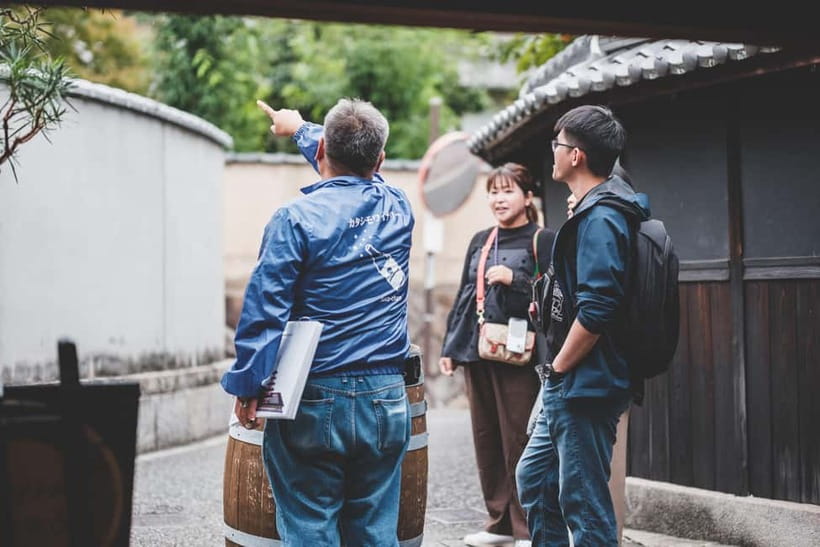
The tasting part is focused: 3 different kinds of Japanese wine plus small bites. That “small bites” detail matters more than you might think. Food helps you reset your palate between pours, so you don’t end up muddling all three wines together.
Here’s how I’d approach it as you go:
- Taste first, then listen. Let the guide’s explanations land after your first impressions.
- Compare structure, not just flavor. Ask yourself whether the wine feels light or weighty, and whether it finishes clean or fades slowly.
- Take notes in your head. Even one quick mental note—like which one felt more crisp or more rounded—helps you remember after the tour.
The schedule is tight, so you won’t get a long, slow seminar. Instead, you get enough guidance to make your own comparisons. For many travelers, that’s exactly the right amount. You finish with a clearer sense of what Japanese boutique winemaking can do.
G20-selected bottles: what that label tells you about the tasting
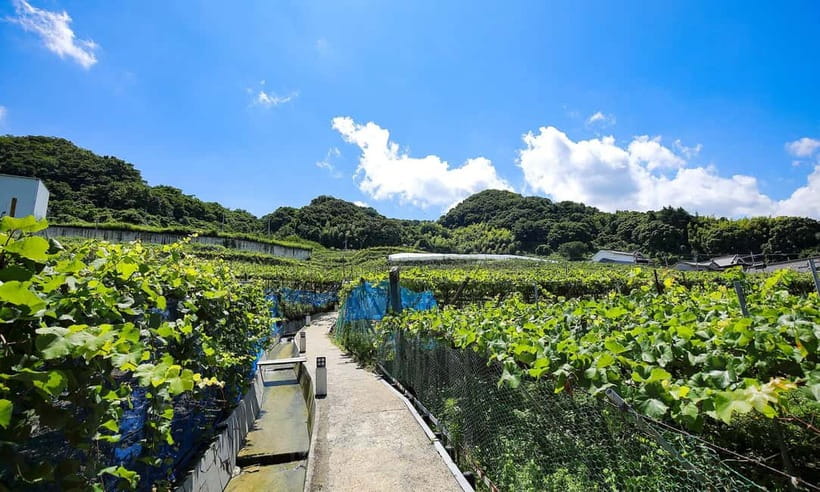
One of the more interesting details is that the tasting includes G20 Summit-selected bottles. That doesn’t mean the wine is automatically “best,” but it does signal something useful: these are wines recognized on an international stage, not only local ones.
For you, that translates into confidence. You’re not gambling on unknown labels in a random store aisle. Even if you’re a casual wine drinker, you can feel the selection is thoughtful.
Also, because you’re tasting on-site at Katashimo, it’s easier to connect the “global recognition” idea to the “local place” idea. That’s the difference between buying a bottle later and remembering why that bottle mattered.
Timing and pacing: why a 2-hour format can be a win
This tour runs about 2 hours, which is a sweet spot for many people. It’s long enough to include the cellar, the walking portion, and a proper tasting. It’s short enough that you don’t feel trapped in a full afternoon plan.
It’s also a good structure if you’re based in central Osaka and want something away from the usual crowds. The tour is positioned as a day trip you can reach in roughly 40 minutes by train from Osaka city. That’s practical: you get out, you see something different, and you’re back before the day gets away from you.
Pacing-wise, the experience doesn’t feel rushed so much as tightly managed. You’ll get enough time to see the important parts, then taste and go. It’s designed for clarity, not lingering.
What to expect from the guide: stories that connect wine to place
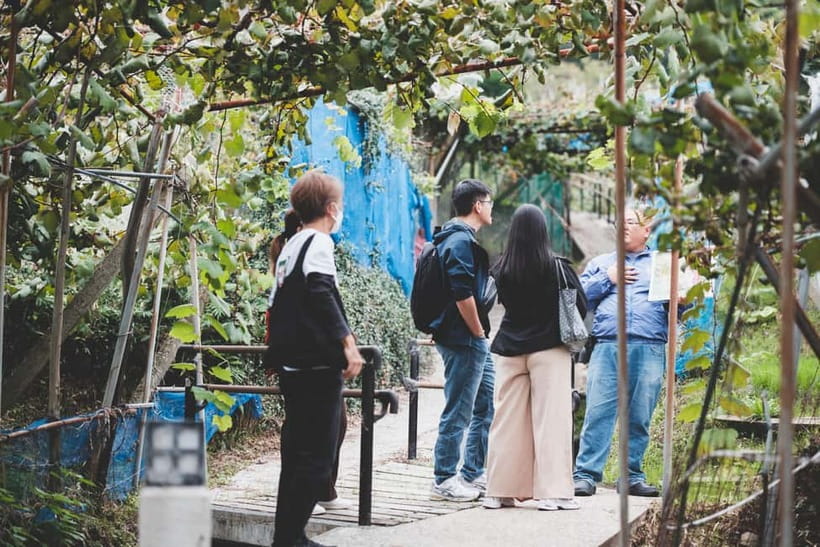
The tour is led by a professional guide and leans heavily on cultural storytelling. That’s the ingredient that turns a standard tasting into something you’d actually recommend.
The guide’s English support matters here. When someone can explain not only the wine but also how the winery and neighborhood fit into Japan’s broader culture, you get more value out of the hour. You don’t just buy a “wine flight.” You walk away with a better sense of why things taste the way they do.
Based on the feedback for this tour, the explanation tends to be strong—clear enough to answer questions and help you understand the differences among the wines. If you like asking why something works, you’ll likely enjoy this format.
Price and value: is $83 reasonable for what you get?
At $83 per person for a 2-hour guided experience, you’re paying for more than wine. You’re paying for:
- a guided winery visit that includes a wine museum ticket
- access to the aging cellar
- 3 tastings (not just one or two)
- small bites paired with the pours
- a guided walking component with local storytelling
In practical terms, that’s a pretty solid value if you’re going to drink at least a few glasses anyway. If you were to do tasting elsewhere, the cost would add up fast—especially once you factor in guide time and the specialty cellar access.
This pricing also makes sense because the tour is built around entry-level “winemaking context” without requiring you to be a wine nerd. You don’t need special background to get value out of the cellar and tasting explanations.
Who this tour suits best (and who might want something else)
I think this tour fits best if you want:
- wine tasting in a setting with real historic depth
- a guided explanation that connects culture, not just flavors
- an Osaka-area experience that avoids the most famous tourist bottlenecks
You might want to choose a different format if you:
- hate walking or prefer fully seated experiences
- expect a long vineyard trek or large-scale scenery
- want an all-day food-and-wine crawl with multiple meals
But for a focused, high-quality two hours, this is the type of tour that feels efficient and satisfying.
Should you book the Katashimo Osaka winery tour?
Yes, you should book it if you want a short trip that combines historic Osaka streets with a cellar visit and a tasting that’s actually guided. The best part is the mix: wine is the hook, but the walk and cultural storytelling are what make it feel like a real local outing.
If you’re torn, use this rule of thumb: if you’ll enjoy both wine and wandering through older neighborhoods on foot, this is a great match. If you’re only here for wine and nothing else, you may prefer a simpler tasting-focused option. If you’re here for culture plus wine, Katashimo delivers.
FAQ
FAQ
Where do I meet for the Osaka Winery Tour with Wine Tasting & Vineyard Walk?
Meet at the front of Katashimo Winery (カタシモワイナリー 直売所).
How long is the tour?
The tour duration is 2 hours.
How much does the tour cost?
The price is listed as $83 per person.
What’s included in the tour price?
Included items are wine tasting of 3 kinds of Japanese wine, small bites with wine, a professional guide, and wine museum tickets.
What will I taste during the tour?
You’ll taste 3 different kinds of Japanese wine, including bottles selected for the G20 Summit.
What kind of winery experience do you get?
You’ll explore Katashimo Winery, including a historic wine cellar and a designated 100-year-old aging cellar area.
Is there a walking component?
Yes. Part of the experience is a guided walking tour through older Osaka, including Edo-period architecture.
Do you offer tours in English?
Yes. The live guide is available in English and Japanese.
Can I cancel if my plans change?
Free cancellation is available up to 24 hours in advance for a full refund.