REVIEW · PARIS
Champagne Area Small-Group Tour including a Top Champagne house & Family Winery
Book on Viator →Operated by Paris TRIP · Bookable on Viator
Chalk tunnels, then four tastings. I like the small-group size (max 8) and I like that the day mixes a major name like Moët & Chandon with a more personal family-producer stop. The main drawback to plan for is a long, mostly seated day in a shared minivan—some people have found the seating tight.
You’ll start in Paris early (7:30am) and spend about 11 hours total cruising the Champagne countryside to Epernay and the surrounding villages. A big focus here is understanding Champagne production in the real cold, damp places where it all happens—then tasting what that work turns into.
If you want a lot of time to roam, eat slowly, and do multiple big-house tastings, this isn’t the format. Food isn’t included, and tastings are limited to what’s scheduled.
In This Review
- Key Highlights at a Glance
- A Full-Day Champagne Excursion: Why It Works (and Why It’s Long)
- Getting Started in Paris: Meeting Point and First Impressions
- The Drive Into Champagne: Views, Village Stops, and Real-World Timing
- Moët & Chandon in Epernay: Chalk Cellars and a Big-House Feel
- Hautvillers and Dom Pérignon’s Tomb: The Meaning Behind the Place
- Family Producer Stop: Four Tastings and Terroir Talk You Can Actually Use
- Reims and Other Champagne Houses: What You Might Get on the Day
- Price and Value: What $322.34 Really Buys You
- Comfort, Cellar Clothing, and How to Get the Most From Tastings
- Who This Tour Suits Best (and Who Should Skip)
- Should You Book This Champagne Area Small-Group Tour?
- FAQ
- What is the duration of the tour?
- Where does the tour start and end?
- How big is the group?
- What tastings are included?
- Is food included?
- What should I wear for the cellar visits?
- What age is required to drink Champagne?
Key Highlights at a Glance
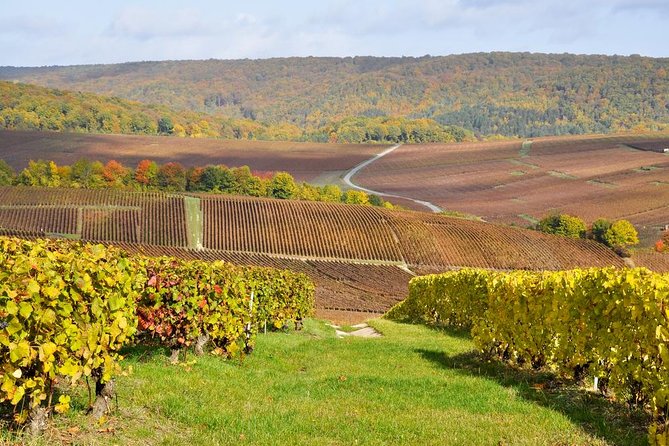
- Moët & Chandon cellar visit in Epernay with a guided look at how Champagne becomes Champagne
- Four tastings total, including stops at both a top house and a family producer
- Hautvillers and Dom Pérignon’s tomb, a classic Champagne pilgrimage moment
- Family-run winery time, where you can meet the people making the wine and hear their terroir story
- Cold, damp cellar conditions mean you should dress warm even in summer
A Full-Day Champagne Excursion: Why It Works (and Why It’s Long)
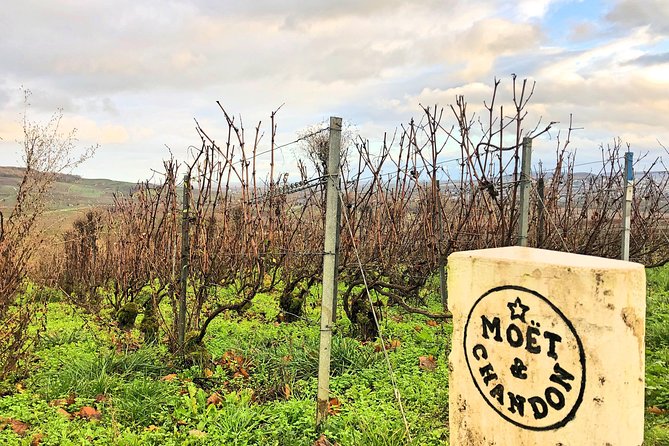
This is the kind of tour that feels like a whole day, because it is one. The upside is you get a genuine sense of how far Champagne culture stretches beyond Paris: vineyards, small villages, and the underground world that makes the wine possible. You also get a guide to connect the dots, from grapes to chalk cellars to the glass.
The schedule is built around tours and tastings, not around long free time. That’s great if you’re here for the why and the wow of the process. It’s less great if your ideal day includes lingering over meals or hopping between extra producers on your own. Plan to treat this as a Champagne education day with tasting as the reward.
And yes, you’ll be in transit for a while. On the plus side, the ride is by air-conditioned minivan, which matters when you’re leaving early and spending hours outside the city. On the minus side, you’re sharing space with up to 8 people, so you’ll want to travel light and be comfortable sitting for long stretches.
You can also read our reviews of more tours and experiences in Paris.
Getting Started in Paris: Meeting Point and First Impressions
The tour starts at 2 Av. Foch, 75016 Paris, with a 7:30am departure. The ending point is Arc de Triomphe Pl. Charles de Gaulle, 75008 Paris. That’s a helpful setup because it’s easy to connect with transit around central Paris and you end near one of the most recognizable landmarks in the city.
What I like about a start time like this is simple: you avoid spending your day fighting your way out of Paris with the late-morning crowd. What you should consider is that early mornings can feel abrupt when you’re on vacation—bring water, wear something you can handle in changing weather, and keep your jacket handy.
The Drive Into Champagne: Views, Village Stops, and Real-World Timing
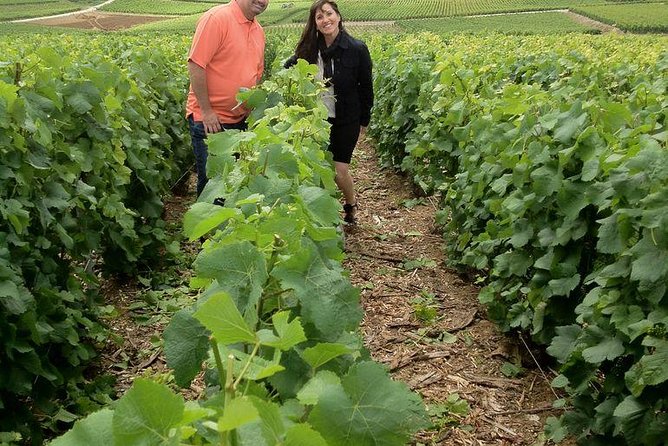
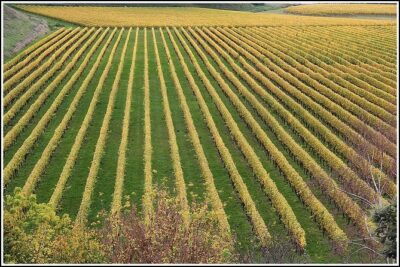
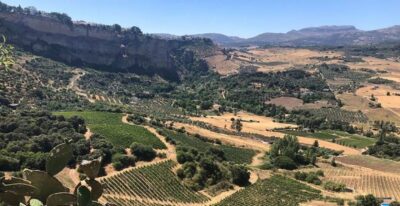
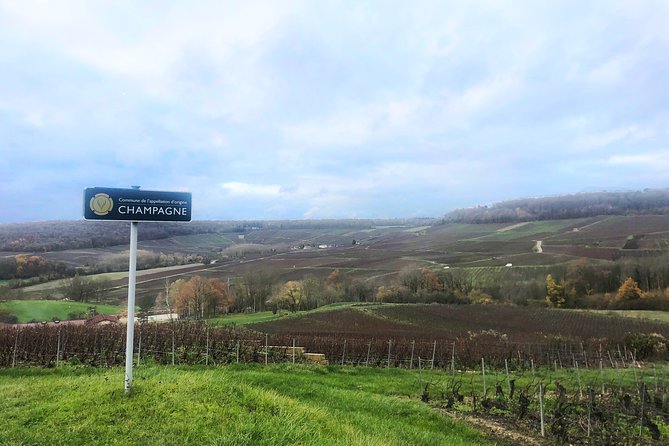
Once you leave Paris, you’re in countryside mode fast. The tour description calls out views of the countryside and includes a few stops en route to break up the long ride. Those in-between moments matter more than they sound. When your day includes underground visits, a little time above ground helps reset your eyes and your energy.
Timing here is tight by nature: you’re traveling, checking in, touring, then tasting, then traveling again. That’s why you’ll feel the day has a rhythm—there are moments to get photos and stretch, and other moments where you’re focused and moving forward.
If you’re sensitive to schedule changes, note that some tours may also include extra stops beyond the core Champagne-house and family-producer format. Reviews for this experience mention places like Reims and additional Champagne houses in some versions of the day, but the core theme stays the same: Epernay and Champagne production, then more tasting back in the region.
Moët & Chandon in Epernay: Chalk Cellars and a Big-House Feel
Epernay is where a lot of Champagne’s glamour shows up in real life—along with the serious engineering of the cellars. This tour specifically calls for a visit to Moët & Chandon Champagne cellars in Epernay, where you explore an underground labyrinth made possible by chalk.
This stop is valuable even if you’ve been curious about Champagne but never understood the machinery behind it. In the cellars, you can see and learn why Champagne needs cool, stable conditions, and how the environment supports the method that creates those bubbles.
You’ll also do a Champagne tasting here. The tasting is part of the “connect the lesson to the glass” design. I like that approach because it keeps you from walking away with only souvenirs and no takeaways. You come out knowing what those grapes and processes are supposed to taste like.
One practical note: cellars are usually cold and damp. The tour explicitly warns that the underground galleries are cold, so pack a warm layer. It makes the difference between enjoying the experience and rushing through it just to get back above ground.
Hautvillers and Dom Pérignon’s Tomb: The Meaning Behind the Place
You don’t just visit cellars and drink wine—you also go to Hautvillers to see the tomb of Dom Pérignon. For many people, this is a key emotional anchor of the Champagne region. It turns a sparkling beverage into a story with names, place, and tradition.
Hautvillers is also one of those villages where the atmosphere is part of the memory. Even if you don’t spend hours sightseeing, you’ll likely appreciate the sense of history that comes with standing near a figure who’s become synonymous with Champagne lore.
This stop is also a reminder that Champagne culture is both modern and old. Big houses operate with industrial scale, while villages like Hautvillers keep the older rhythm alive. That contrast is part of why this itinerary feels “complete” compared with tours that only do tasting and leave.



Family Producer Stop: Four Tastings and Terroir Talk You Can Actually Use
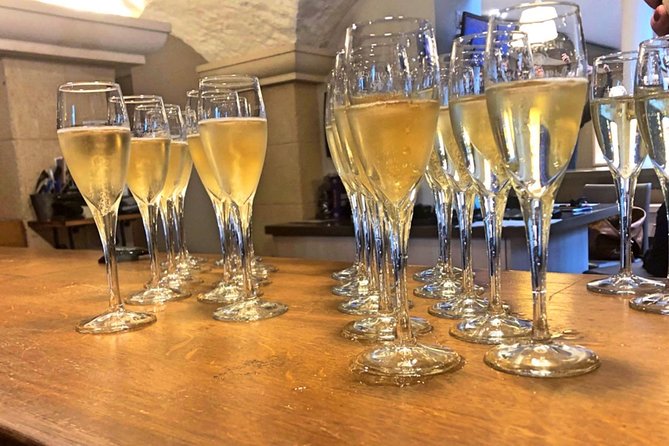
Later in the day, the tour shifts gears to a family-run winery where you can taste four different Champagnes. The example given is Champagne Roger-Constant Lemaire, described as a family estate dating back to the late 19th century, tied to Hautvillers.
What’s special here is the chance to get beyond brand marketing. The tour info highlights a focus on an exceptionally fresh palate and an emphasis on authenticity and terroir. The experience is designed so you can taste and then connect that idea of freshness and place to what’s in the glass.
This stop is also the most “human” part of the day. Reviews for this overall experience strongly praise the owners and the welcoming vibe at family-producer visits, including time spent talking about their growing approach and tasting multiple styles. If you want your Champagne tasting to feel like a conversation (not just a scripted pour), this is the portion most worth paying attention to.
Plan your taste buds carefully here: the day is already moving. If you’re the type who wants to take notes, bring a small notebook and write down what you liked and why while it’s fresh.
Reims and Other Champagne Houses: What You Might Get on the Day
Your core inclusions point to Moët & Chandon (or a similar top Champagne house) and a family producer, plus Hautvillers. However, some versions of this experience include additional stops. Reviews mention Mumm and the cathedral in Reims, with time for sightseeing and sometimes lunch suggestions.
So here’s how to think about it: if the schedule allows, you may see more than the absolute minimum. That can be a bonus, especially if you’re the type who likes variety—cellars plus cathedral plus more producers.
But if your priority is maximizing tasting depth, not just expanding the number of towns, don’t assume you’ll get multiple extra tastings beyond the scheduled four. Some feedback for this tour format complains that champagne time can feel limited compared with the price. Keep that in mind when you set expectations.
Price and Value: What $322.34 Really Buys You
At $322.34 per person, this isn’t a budget outing. So you should judge value by what you actually get, not by what’s advertised as a total Champagne vibe.
Here’s the math that matters most:
- You get round-trip transportation from Paris in a comfortable minivan.
- You get a small group (max 8).
- You get 4 Champagne tastings across the top house/family producer format.
- You also get guided visits that are tied to specific stops like Moët & Chandon cellars and Dom Pérignon’s tomb.
One reason price questions come up in feedback is that some people compare this to booking tasting tours directly and paying only for what they taste. Another factor is that the tasting portion can feel like a set number of pours—especially if you want more variety than the scheduled four samples.
Still, I think the value makes sense if you want:
- A guided day with minimal planning
- Access to cellars without arranging everything yourself
- A structured blend of big house + family producer
- A car service that removes navigation headaches
If you’re a serious Champagne collector who wants lots of bottles and lots of tastings, you might decide a DIY plan gives better control and more drinking time per euro. But if you want a guided, curated overview of the region’s top experiences, this price often feels more reasonable.
Comfort, Cellar Clothing, and How to Get the Most From Tastings
This tour runs in all weather, and the cellars are cold and damp. That means you should dress like you’ll be walking into a chilled basement—because you will.
Here’s what helps in practice:
- Bring a warm layer for the underground cellars
- Wear shoes you can walk in easily on damp floors
- If you’re sensitive to long seated time, pick a seat where you can stretch your legs when the van stops
Also pay attention to the tasting format. You’ll do scheduled tastings at each Champagne location. That’s the moment to slow down mentally. Try to notice differences in style—freshness, structure, and how the “big house” polish compares with what you learn about terroir from the family producer.
And if you care about getting more out of the day, ask questions during the family stop. The whole point is to connect what you tasted to what the grower and producer believe they’re expressing.
Who This Tour Suits Best (and Who Should Skip)
This fits you if:
- You want a guided full-day Champagne introduction from Paris
- You like structured stops: Epernay cellars, Hautvillers, and a family-producer tasting
- You’re happy with four scheduled tastings as your day’s alcohol focus
- You’d rather ride in a minivan and focus on wine and views than plan logistics
It’s not ideal if:
- You expect multiple extra tastings beyond the scheduled ones
- You hate tight seating in small-group vans
- You want long, unstructured free time for meals and wandering
If you’re traveling with friends for a celebration, the small group can feel social without being chaotic. If you’re traveling solo, you’ll likely appreciate the guide support more than you would on a DIY day.
Should You Book This Champagne Area Small-Group Tour?
Book it if you want a one-day Champagne education that feels organized: Moët & Chandon cellars in Epernay, Hautvillers and Dom Pérignon, plus a family winery tasting with four different Champagnes. It’s a good match for people who want real context with minimal planning, and who are happy with a set number of tastings.
Pass—or at least compare alternatives—if you’re mainly chasing maximum drinking time and don’t care about the guided stops. The price is high enough that you should make peace with the fact that your tasting amount is scheduled, and comfort will depend on how full the minivan is.
If you do book, pack a warm layer for the cellars, arrive rested for the early start, and treat the family-producer stop as the moment to ask the questions you actually care about.
FAQ
What is the duration of the tour?
The tour runs for about 11 hours.
Where does the tour start and end?
It starts at 2 Av. Foch, 75016 Paris at 7:30am and ends at Arc de Triomphe Pl. Charles de Gaulle, 75008 Paris.
How big is the group?
It’s a small-group tour with a maximum of 8 participants.
What tastings are included?
You get 4 Champagne tastings, including tastings at a top Champagne house (Moët & Chandon, Mercier, Taittinger or similar) and tastings at a family producer.
Is food included?
No. Food is not included.
What should I wear for the cellar visits?
Cellars and underground galleries are usually cold and damp, so dress warmly or bring a jacket.
What age is required to drink Champagne?
You must be 18 or older to be served alcohol. Guests under the legal drinking age will not be served.