REVIEW · DOURO VALLEY
Douro Valley: Quinta de S. Luiz Winery Tour and Tasting
Book on GetYourGuide →Operated by Kopke Group Fine Wines SA · Bookable on GetYourGuide
Port wine lovers tend to get instantly serious here. Quinta de S. Luiz gives you stunning Douro Valley views and a guided look at how Kopke Port wines are made, all in just about an hour. I also like that you can choose a classic or premium tasting, so you’re not stuck paying extra only to get the same, basic sip.
One possible drawback: at this time length, the visit can feel fast and sample-focused, especially if you’re hoping for lots of time comparing Port styles or getting deep answers to questions.
In This Review
- Key things to know before you go
- A quick intro to Quinta de S. Luiz and why it’s worth your hour
- Arrival and the best first move: take in the Douro before you taste
- Quinta São Luiz: vineyards, the chapel, and a sense of how Port is staged
- Rumilã vineyard walk
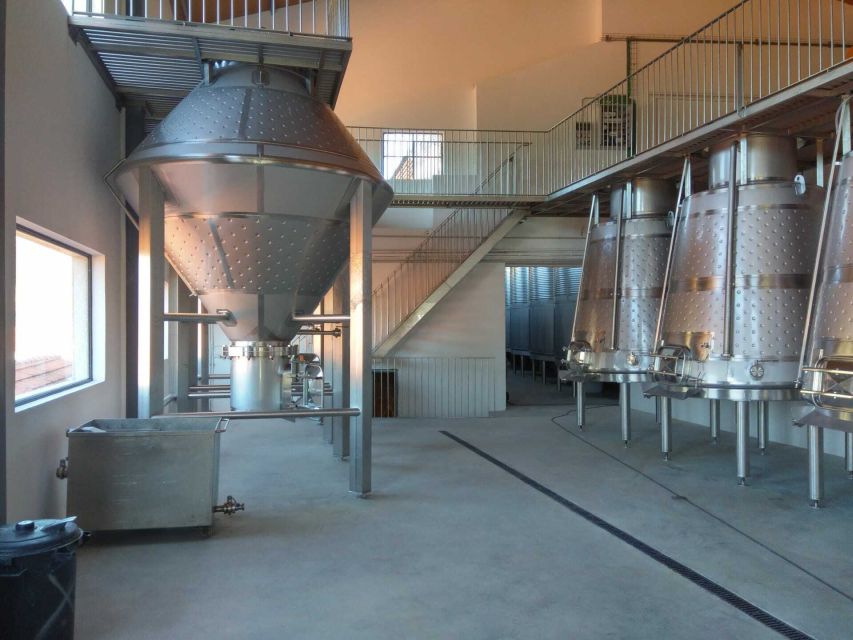
- Alambic house tour
- Chapel of Santa Quitéria
- The terrace option: when the view is the main course
- Classic vs premium tasting: how to choose the right session
- Kopke tasting experience: what you’ll likely taste and how to get more from it
- Learning the winemaking story: growing, harvesting, and crafting wine
- Languages and guide style: what to do if you want more conversation
- Price and value: is $25 fair for a 1-hour Port session?
- Who should book this tour, and who should skip it
- Should you book the Douro Valley: Quinta de S. Luiz tour?
- FAQ
- How long is the tour?
- What’s included in the price?
- Is food included?
- What languages is the guide available in?
- What should I bring?
- Is this tour suitable for wheelchair users or mobility impairments?
Key things to know before you go
- Panoramic Douro viewpoints right at the start, before you get into the wine details
- The Quinta São Luiz site is tied to Kopke and Portugal’s Port-wine story
- You may walk parts of the property including vineyards like Rumilã
- You’ll see the Alambic house and visit the Chapel of Santa Quitéria
- Choose classic vs premium tasting depending on how much you want in your glass
- Expect a mostly walking tour with comfortable-shoes energy
A quick intro to Quinta de S. Luiz and why it’s worth your hour
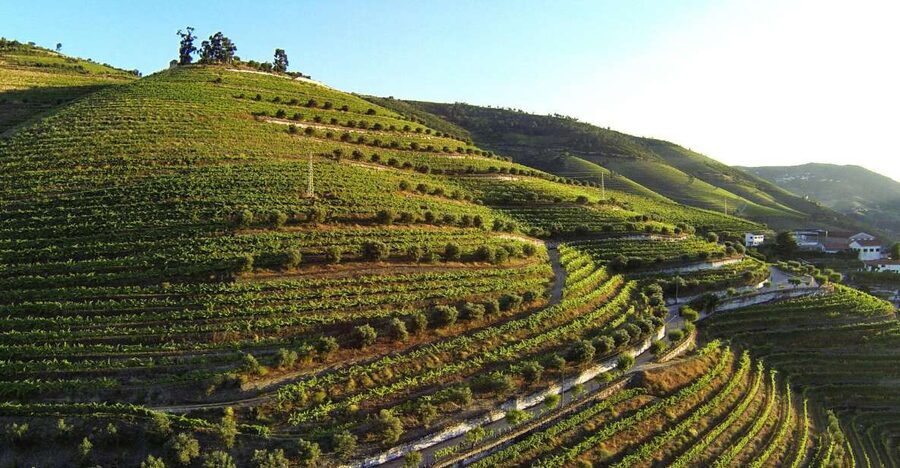
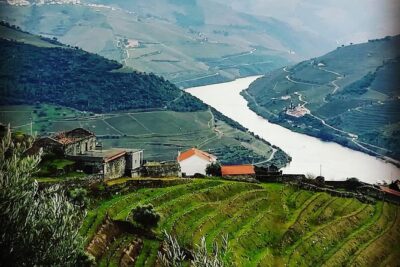
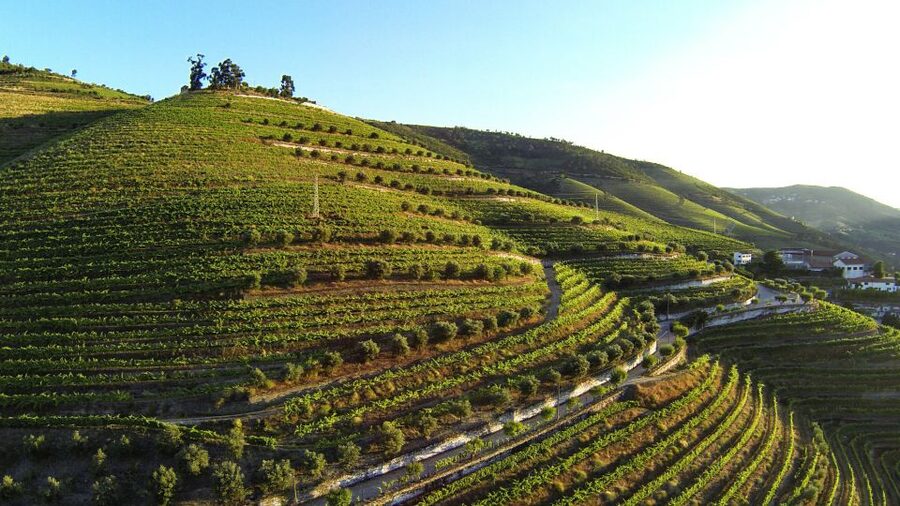
Quinta de S. Luiz sits in the Viseu District and looks out over the Douro River and its terraced hills. The overall vibe is simple: you’re there to understand how Port wine lives on the landscape, and then taste it. Even if you’re not a hardcore oenophile, the setting does half the work for you.
What makes this outing interesting is that it’s not only about drinking. You get a guided visit to the working property where Kopke wines are crafted, and you get to connect the view (those hills and slopes) to the process (how grapes become wine, then Port). And because it’s only 1 hour, it’s a good fit for people who want the Douro without turning the day into a two-half-day wine marathon.
The other reason to pay attention: Quinta São Luiz is described as the oldest Port Wine house in the world. That gives the tour an automatic sense of place. You’re not just touring a building; you’re touring a name people have been coming back to for a long time.
You can also read our reviews of more tours and experiences in Douro Valley.

Arrival and the best first move: take in the Douro before you taste
This tour is centered on views, so I’d treat the first minutes like your warm-up. You’re in the Douro Valley, and the tour is designed to get you looking outward—river, valley, and the patterned hills—before you focus on cellars and glasses.
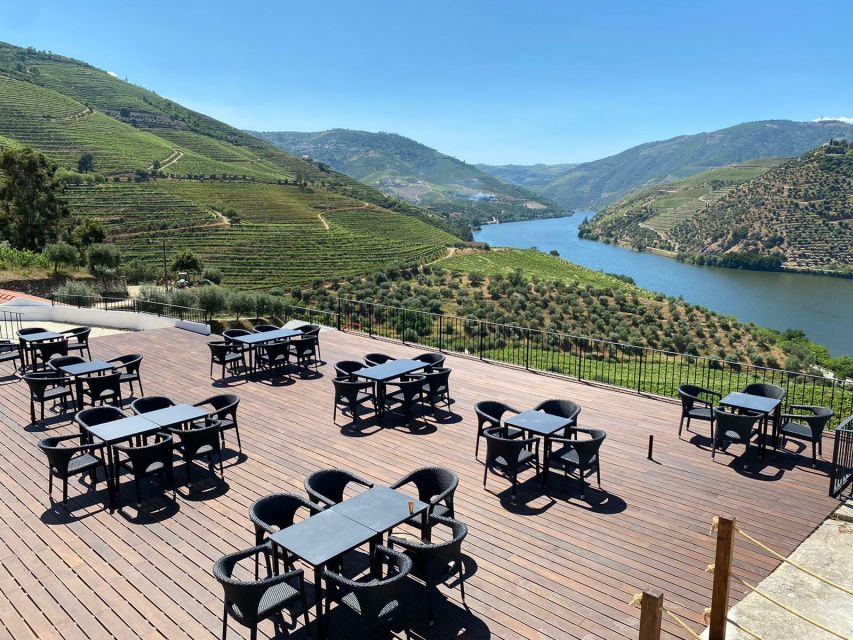
If you prefer a calmer approach, there’s also an option to sit outside on the Terrace S. Luiz and enjoy your tasting with a top-tier view. That matters because the Douro can be warm, and one good shade spot can make the difference between a fun hour and a sweaty one.
Practical note: bring what the tour asks for—comfortable shoes, a sun hat, and clothes you won’t mind getting a bit warm. Vineyard walks aren’t long, but they’re still real walking.
Quinta São Luiz: vineyards, the chapel, and a sense of how Port is staged
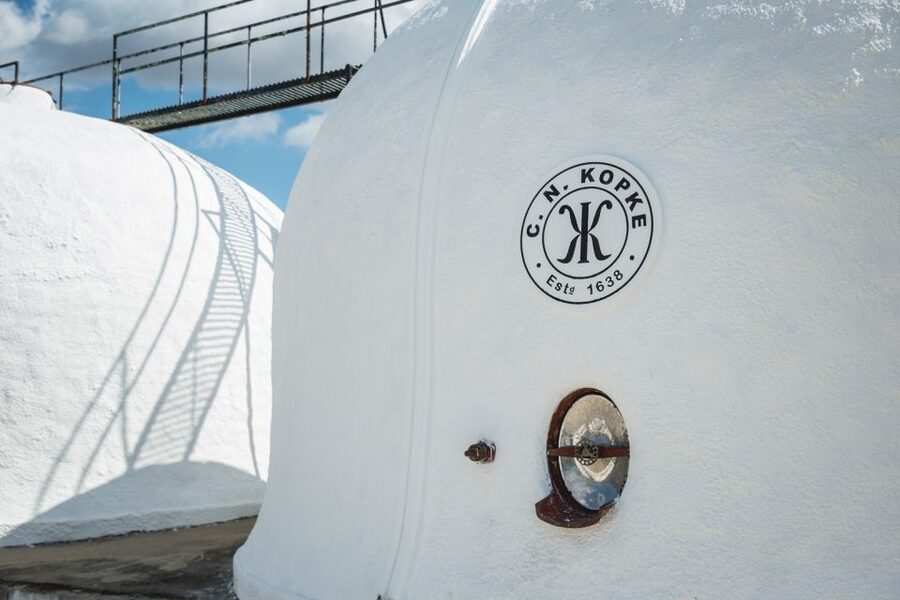
The visit focuses on the Quinta São Luiz experience, where the property nurtures vines, supports the winemaking activity, and supports the Kopke winemaking story. You’ll move through the property, and the stops are built like a guided route through different parts of the estate.
Rumilã vineyard walk
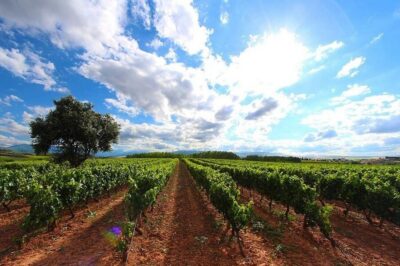
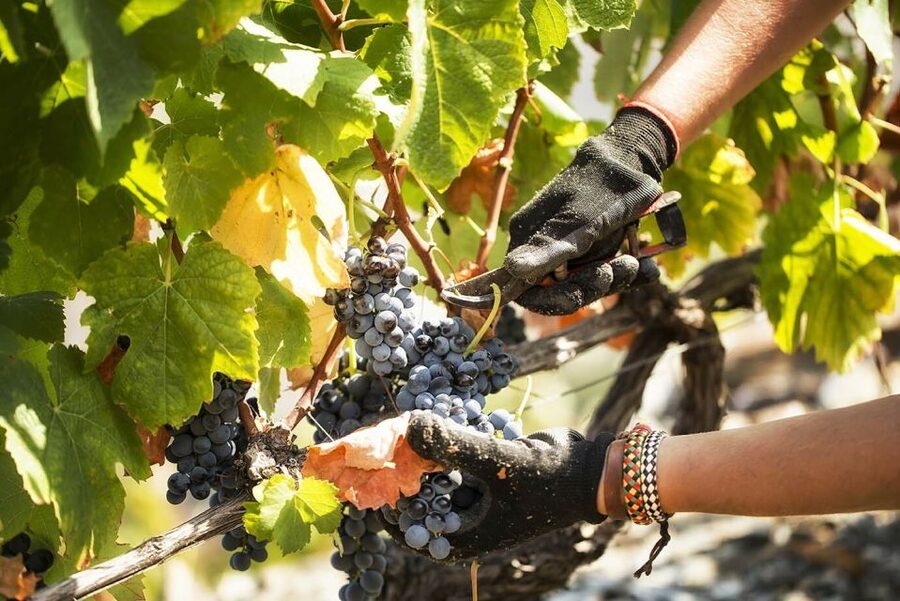
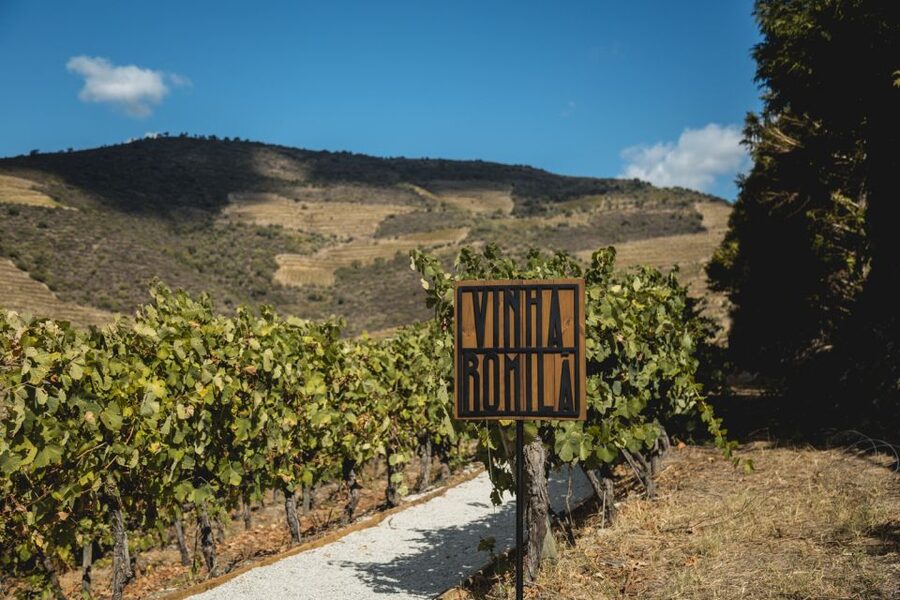
Walking through Rumilã is a smart part of the tour because it makes the wine feel physical. You’re not hearing wine terms in a vacuum. You’re seeing the vines and learning to connect them to harvest and growing decisions.
Even if you don’t remember every detail, I think the vineyard portion is the moment you’ll most likely remember a week later. The Douro’s slopes force you to picture why certain choices matter—like how you manage vines on steep terrain.
Alambic house tour
Then you’ll visit the Alambic house. This is one of those stops that can be either fascinating or disappointing depending on what you’re expecting. The tour is designed to explain processes of growing, harvesting, and crafting wine. That means the alambic stop is part of the narrative, not just an exterior photo stop.
If you like practical explanations, this is where you’ll probably enjoy asking follow-ups. If you’re hoping for a super technical, deep lecture, keep your expectations tied to the fact that the tour is 1 hour.
Chapel of Santa Quitéria
You’ll also visit the Chapel of Santa Quitéria. This is an excellent breather stop because it changes the tone from production to heritage. In a Port context, this kind of chapel visit helps you understand that winemaking culture isn’t only industrial—it’s also local, traditional, and tied to generations of farming.
The terrace option: when the view is the main course
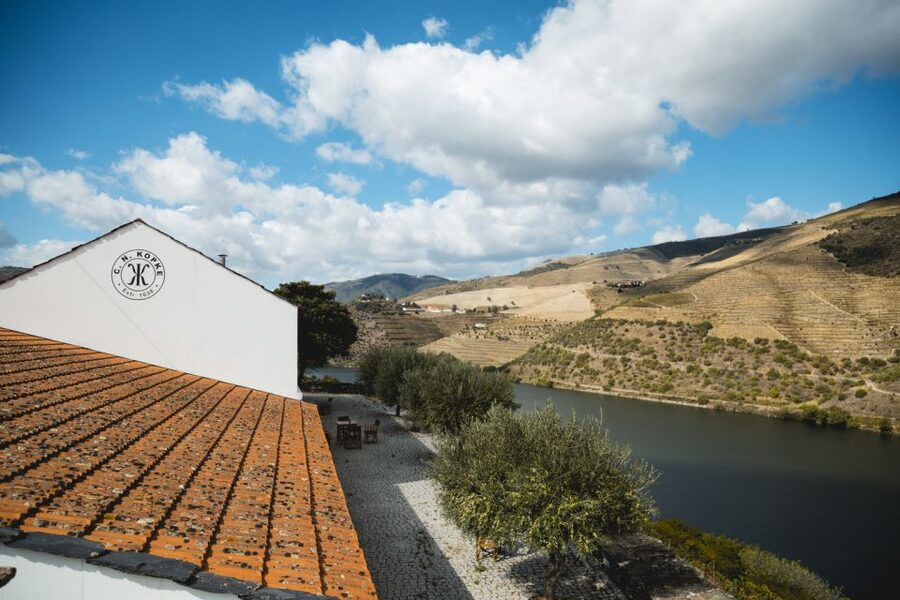
Not everyone wants the same style of sightseeing. If you’d rather relax than keep moving, the terrace setup lets you do that. You can sit outside and enjoy the tasting while taking in the Douro and its river valley.
This is also a good strategy if you’re traveling with someone who’s less interested in wine facts but does care about scenery. The terrace gives you a shared experience: your eyes get the view, and your glass gets the wine.
Classic vs premium tasting: how to choose the right session
One of the biggest practical decisions here is classic or premium. The tour includes wine tasting either way, but the difference is about how much you sample and how the experience feels at the tasting counter.
Here’s how I’d choose:
- Pick classic if you want a quick, friendly introduction to Kopke wines and you don’t need a lot of time comparing styles.
- Pick premium if you want more of the tasting to feel like a structured lesson—especially if you’re hoping to understand differences between Port types and not just drink what’s poured.
A caution based on what some people have felt in past similar short tastings: if you land in a more basic tasting format, you may receive only a small set of samples and still be left wanting clearer explanations. If Port styles are your goal, the premium option is the safer bet.
Also, go in with a mindset that you can steer your own learning. If your guide is open to it, ask what makes each sample different. The tour includes a live guide, and being curious tends to improve the whole hour.
Kopke tasting experience: what you’ll likely taste and how to get more from it
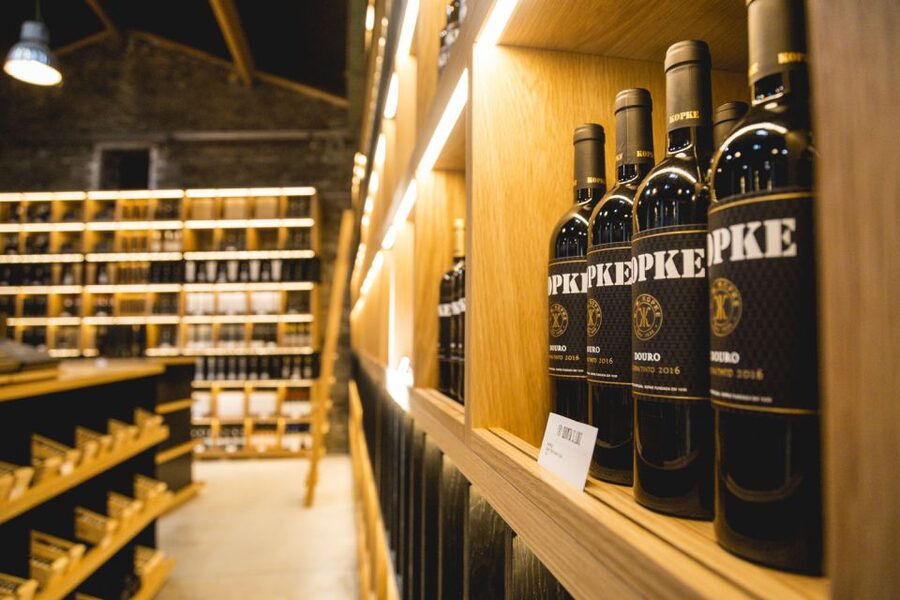
The tasting is the heart of the hour, and it’s focused on famous Kopke wines. Depending on the session, you’ll sample a small selection designed to represent different styles or entry points.
In at least one example from past experiences, a tasting included a white port and a tawny sample. That kind of pairing is useful because it forces you to taste across styles, not just within the same category.
How to maximize your tasting, even if the time is tight:
- Take one minute per glass and try to describe what you notice (sweetness, acidity, texture, aroma).
- Ask which Port type you’re tasting and how it’s typically served.
- If you care about ordering later, ask which style tends to match food—or just ask what they recommend most often.
The best tastings aren’t only about what’s poured. They’re about leaving with a couple of personal “reference points” you can remember later.
Learning the winemaking story: growing, harvesting, and crafting wine
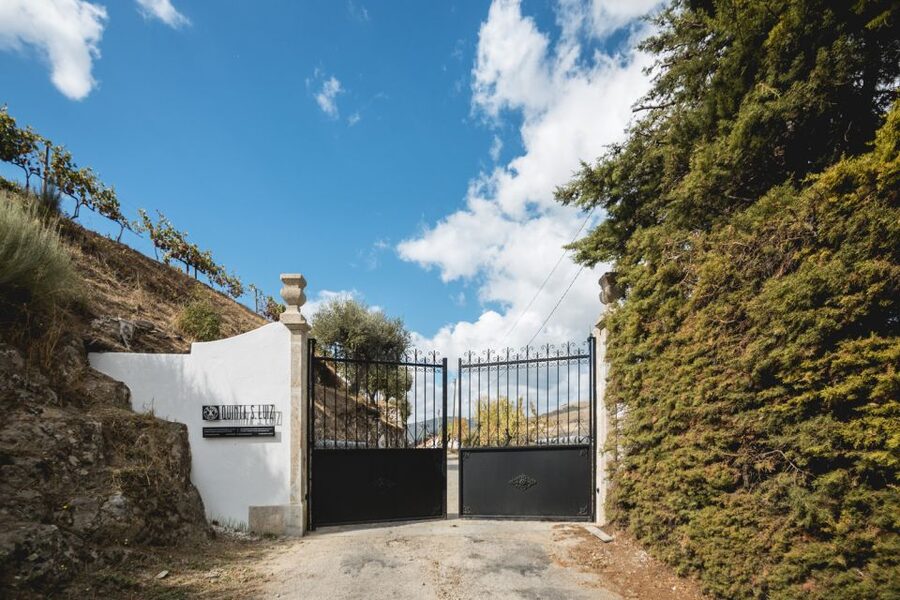
This tour includes learning the processes behind Port wine: growing, harvesting, and crafting. The guide is live, and the experience is meant to connect those steps to the place you’re standing in.
Here’s why that matters for value: it turns the hour from a sightseeing stop into a usable travel skill. Instead of saying Port tastes like sweet wine (which is true, but not helpful), you’ll start thinking in categories: where grapes grow, how harvest decisions work, and why production steps affect the final bottle.
Still, one reality of a 1-hour format: you won’t get every technical detail. If you’re the kind of traveler who wants a full classroom lecture, you might feel like you’re only scratching the surface. If you prefer a guided overview plus a few solid tasting anchors, this tour fits that style nicely.
Languages and guide style: what to do if you want more conversation
The tour includes a live guide in French, English, or Portuguese (and Spanish as well). That’s a real plus in the Douro, where not all tours make it easy to ask questions clearly.
Guide energy can strongly affect a short tour. Some people have been pleased by the guide and the overall tasting quality. Others have felt the pace or tone wasn’t as engaging as they expected.
My advice: if you want a more conversational experience, ask one question early in the tour, before the group rhythm sets in. You’ll usually get better answers if you establish curiosity right away.
Price and value: is $25 fair for a 1-hour Port session?
At around $25 per person for a guided winery visit plus tasting, this is a relatively straightforward paid experience. The value comes from combining three things in one slot:
1) access to a major Port-wine property
2) an organized guided route through multiple stops
3) actual wine tasting rather than only a look-around
Where value can feel weaker is if you’re expecting a long, deep Port comparison or a big tasting lineup. A short tour can mean fewer samples and less time for explanations.
So I think the best way to judge value is to match your expectations to the format. If you want a compact taste of place—views, vineyards, chapel, and a guided tasting—this can feel like a good deal. If you want hours of detailed Port education, you may feel under-served.
Who should book this tour, and who should skip it
This is a great fit if you:
- want a Port-focused stop in the Douro without a huge time commitment
- enjoy vineyard walks and scenic viewpoints
- like the idea of a short guided overview plus tastings
- want the option to choose classic vs premium
It’s not a great fit if you:
- need an accessibility-friendly tour (it’s not suitable for people with mobility impairments and wheelchair users)
- hate walking on uneven vineyard-adjacent surfaces
- need a long tasting with lots of pours and big explanations
If your priority is comfort and stillness, the terrace option can help. If your priority is deep learning, upgrade to premium and come ready with questions.
Should you book the Douro Valley: Quinta de S. Luiz tour?
I’d book this tour if you want an efficient, Port-centric outing in one of Portugal’s most scenic wine regions. The views, the Quinta São Luiz setting, and the chance to taste Kopke wines in a guided format make it a strong match for most Douro visitors.
But choose your session carefully. If you’re the type who wants clearer comparisons between Port styles and you don’t want the tasting to feel too basic, go for premium and ask your guide what you care about early.
If you’re unsure, the safest decision is to book only if you’re happy with a short experience: vineyard + winery stops + tasting, all wrapped up in about an hour.
FAQ
How long is the tour?
It lasts 1 hour. Starting times depend on availability.
What’s included in the price?
The tour includes a winery visit and a wine tasting.
Is food included?
No, food is not included.
What languages is the guide available in?
The live tour guide is available in French, English, Portuguese, and Spanish.
What should I bring?
Wear comfortable shoes and comfortable clothes, and consider bringing a sun hat.
Is this tour suitable for wheelchair users or mobility impairments?
No. It’s not suitable for people with mobility impairments and wheelchair users.