REVIEW · CHIANTI HILLS
Florence Hills : Winery Tour 18 km from Florence
Book on GetYourGuide →Operated by Tenuta San Vito in Fior di Selva · Bookable on GetYourGuide
Wine and olive oil, straight from the hills. This organic farm tour near Florence (about 18 km out) gives you that real Tuscan countryside feeling: vineyards, olive groves, and a family story that starts in 1960. Two big wins here are the vineyard walk and the guided time in the cellar before your tasting.
I also love the simple, food-and-wine format: you get to taste 3 different wines plus bread served with extra virgin olive oil. The main drawback to plan around is logistics: the hills are car-only, there’s no taxi station on site, and you’ll need to arrange transport in advance for the way back.
In This Review
- Key things to look forward to
- Tuscany’s wine hills, without the big-tour feeling
- How the 1.5-hour visit is likely to flow
- Organic farming: the certifications and rules you’ll hear about
- Chianti-style wines and olive oil you’ll taste in one sitting
- Getting to the winery hills: the one real constraint
- Taking bottles home: buy on site or ship to your door
- Is the $23 price a good deal?
- Who should book this tour (and who might want something else)
- Should you book Florence Hills Winery Tour?
- FAQ
- How far is Florence Hills Winery Tour from Florence?
- How long is the tour?
- What does the tour cost?
- What do I taste during the visit?
- Is the tour suitable for children?
- What languages are available for the host or greeter?
- Can I cancel after booking?
- Can I pay later instead of paying right away?
- Is the winery easy to reach without a car?
- Can I buy wine and olive oil during or after the tour?
Key things to look forward to
- Organic farming you can trace: cultivated since 1982, with certifications including A.I.A.B. and I.F.O.A.M., and oversight by I.C.E.A.
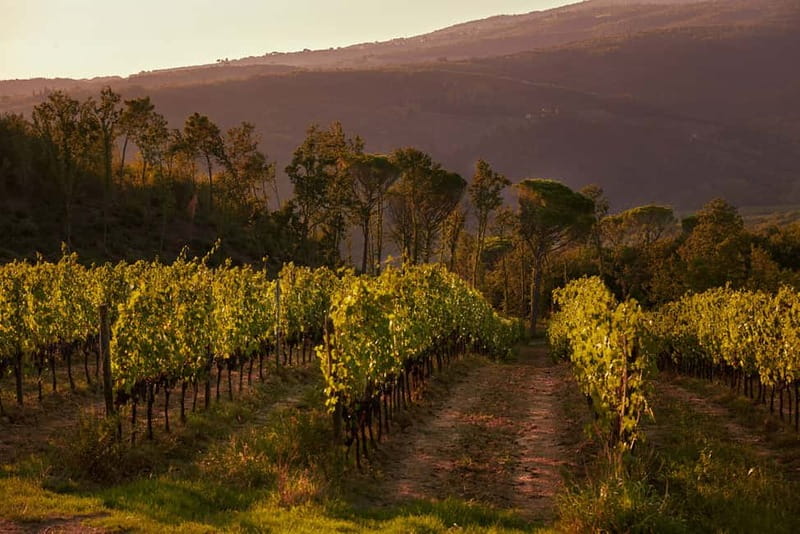
- A walk through vineyards and olive country: you can stroll the estate and spot restored holiday farmhouses in Tuscan style.
- A family timeline that starts in 1960: the guide connects today’s wines to how the farm began.
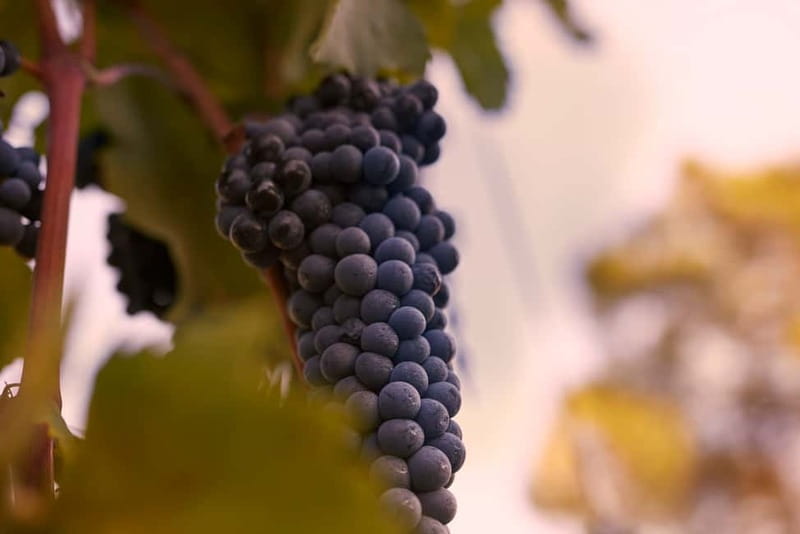
- Tasting that actually includes pairings: 3 wines plus bread with extra virgin oil.
- You can take the flavor home: buy on site or arrange door-to-door shipment.
Tuscany’s wine hills, without the big-tour feeling
This is the kind of Florence-area experience that works when you want Tuscany’s countryside, not just views. You’re heading out to Tenuta San Vito in Fior di Selva, set among vineyards and olive trees, where the day’s focus stays on farm life and product quality.
What makes it feel authentic is the attention to how the estate is run. The farm’s story is tied to a family start date (1960), and the tour frames the wines and olive oil as part of an agricultural system, not a quick photo stop. If you care about where food comes from, this setup gives you a clearer sense of the farm’s choices and priorities. And if you’re coming from Florence, it’s also a smart contrast: you trade city pace for slow hills air and real working land.
The tour’s promise is also clear: you’ll explore country life and taste organic wines plus extra virgin olive oil. The estate’s approach centers on respect for the environment and for customer health. That comes through in the way they describe their organic practices and certifications, which you’ll hear about as part of the visit.
One more practical note: this isn’t a kids’ experience. It’s listed as not suitable for children under 18, so plan it as an adults-only wine and food outing.
You can also read our reviews of more tours and experiences in Chianti Hills.
How the 1.5-hour visit is likely to flow
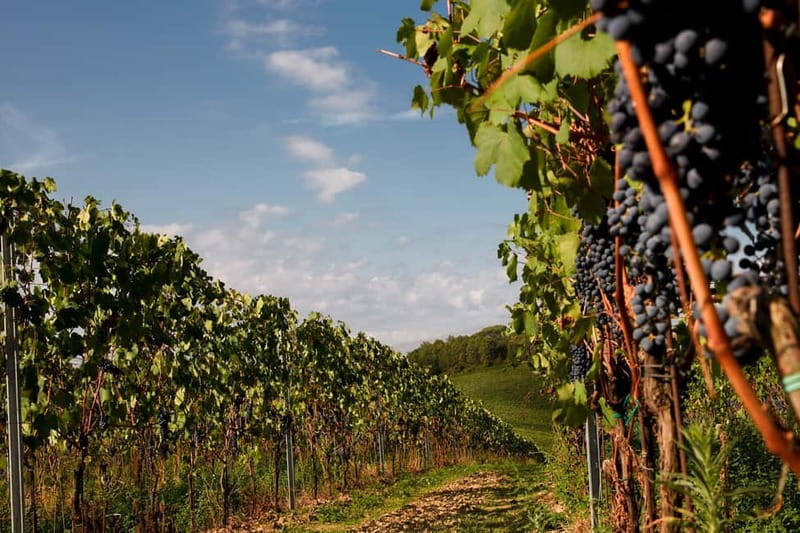
The total time is about 1.5 hours, so think of it as a compact, guided hit of countryside and tasting. In that short window, the tour is designed to do three things: show you the setting, explain the farm, and let you taste the results.
First, you can include a walk through the vineyards. During this stroll, you’ll get to see holiday farmhouses that have been restored in Tuscan style. Even if you don’t stay in them, it helps you understand how the estate fits into the region: agriculture first, with a calmer hospitality side that reflects local architecture.
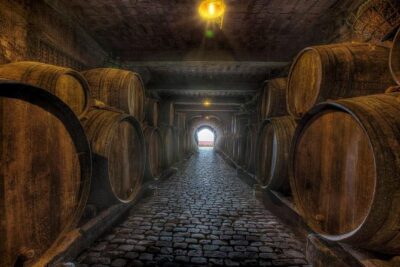
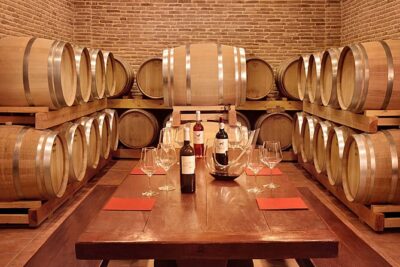
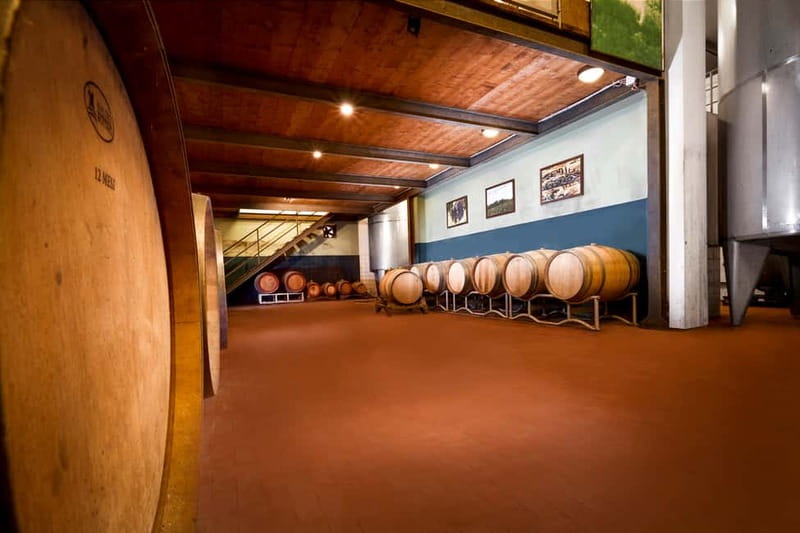
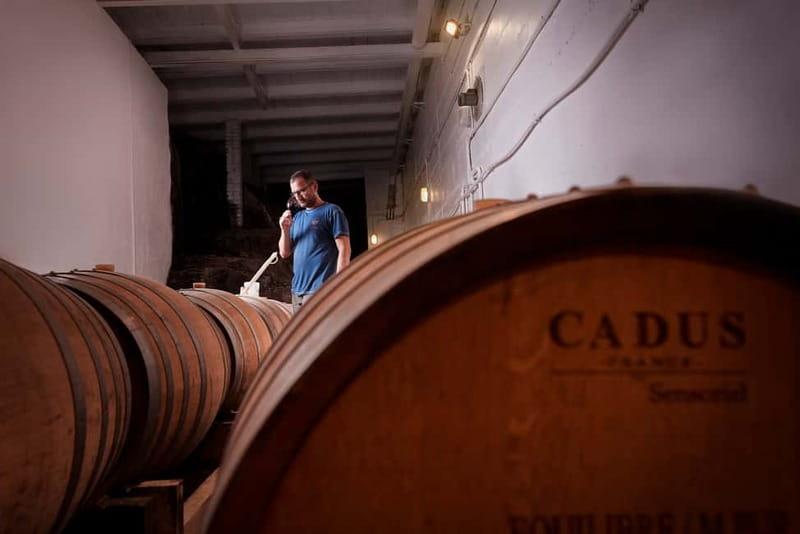
Next comes the cellar visit and explanation. Here, the guide tells the story of the family who started the farm in 1960, then connects that history to the estate’s organic approach. This part is where the tour becomes more than just sampling. You’re learning what they think matters, from how they farm to how they protect soil and product.
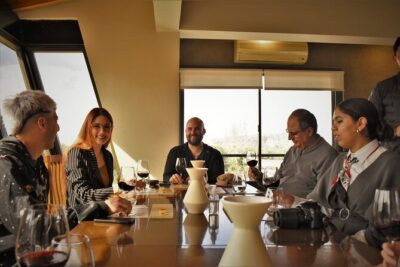
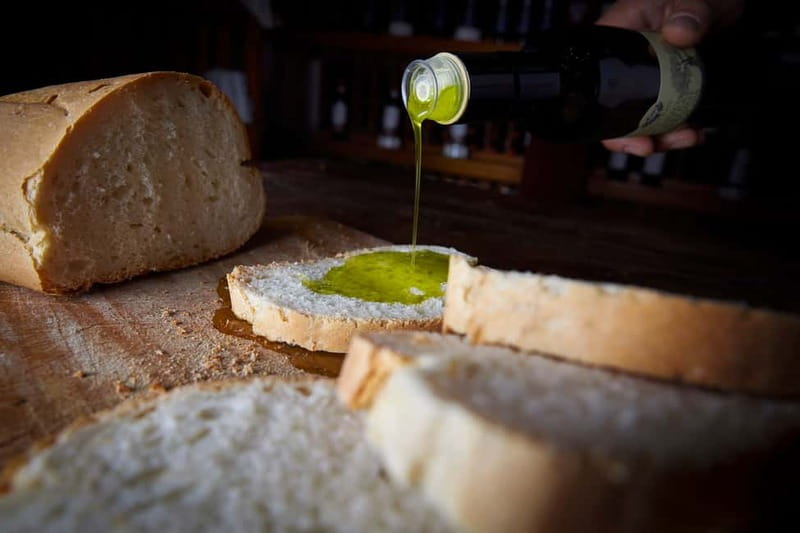
Then you’ll move into the tasting. You’ll sample 3 different wines and also try extra virgin olive oil, with bread included. The tasting format matters because it’s not just wine alone. The bread and oil pairing helps you understand the olive product as something you taste and evaluate on its own, not just as an afterthought.
A heads-up: because the tour also supports product sales on site, you might find the pacing can tilt toward pouring and purchasing rather than super-deep winemaking detail. If you want more explanation about how grapes turn into the glass, ask questions early and keep them specific (for example: what makes their style, and what they want you to notice in each wine). This is one area where you’ll get more value if you actively steer your curiosity.
Organic farming: the certifications and rules you’ll hear about
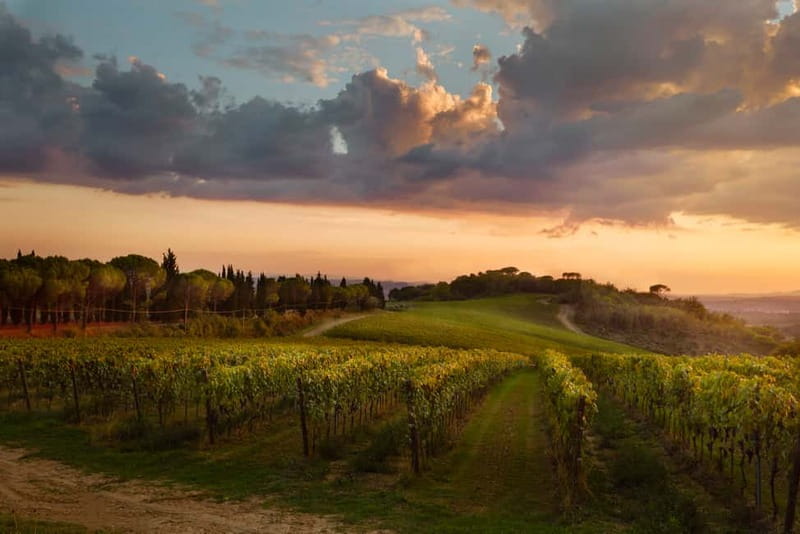
San Vito’s organic credentials aren’t vague. You’ll get the timeline and the names behind it, which helps if you’re the kind of visitor who likes specifics.
They say they’ve been cultivating crops in line with organic principles since 1982. They also note farming without weed-killers, pesticides, or synthetic chemical treatments. From 1985, all their products have been certified by A.I.A.B. (Associazione Italiana Agricoltura Biologica), and the winery is a member of I.F.O.A.M. (International Federation of Organic Agricoltural Movement).
The current certifying authority is I.C.E.A. (Istituto per la Certificazione Etica ed Ambientale). This is where you’ll hear about compliance with EU regulation 2092/91, and with international norms, including the USDA National Organic Program (NOP).
Then there’s the “how,” not only the “badge.” Their method of cultivation uses only substances derived from organic minerals for fertilisers and anti-pest treatments. The goal is to keep the soil productive without leaving chemical residues in the soil or in the wines.
Why this matters for you as a visitor: it changes what you’re tasting. Even if you don’t care about paperwork, this kind of approach tends to shape flavor in the glass through the farm’s long-term soil and plant management choices. And if you’re sensitive to the idea of chemical residues in food, this tour offers peace of mind because it’s framed around specific restrictions, not broad marketing claims.
It’s also a good moment to decide what type of wine-and-food traveler you are. If you like sustainable agriculture stories, you’ll probably enjoy how the guide connects certification, soil care, and the finished products you sample.
Chianti-style wines and olive oil you’ll taste in one sitting
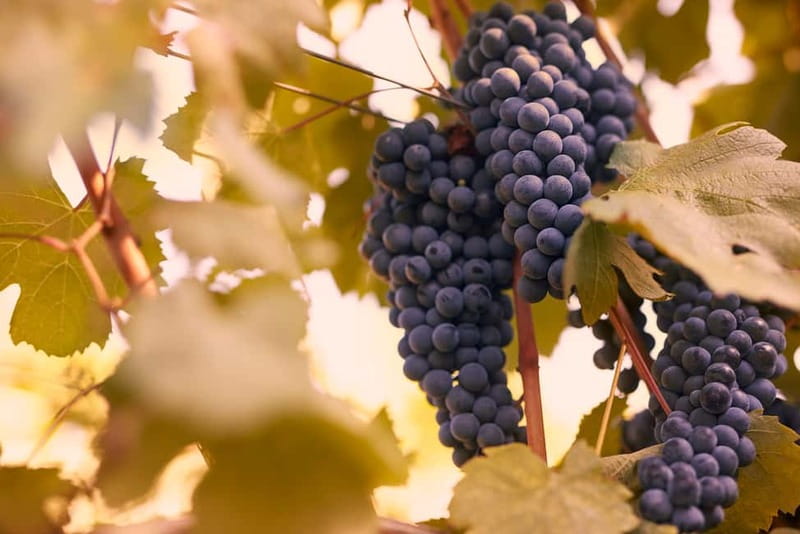
The tasting portion is the headline. You get to taste 3 different wines, along with bread and extra virgin olive oil. The experience also explicitly mentions Chianti wines in the mix, so you can expect the flavor world to sit in that Tuscan lane.
What’s worth knowing is that this is a tasting designed for real people, not lab techs. You’ll have time to compare, and the oil-and-bread element gives you a second angle for tasting. Olive oil isn’t just a drizzle here—it’s part of the meal-like experience.
Here’s how to get more out of the 3-wine tasting, even if you’re not a “serious sommelier” type:
- Take one wine at a time, then reset your palate with bread and oil between pours.
- Pay attention to texture and aftertaste, not only aroma.
- Ask the guide which wine pairs best with what foods they think match Tuscan cooking styles.
One thing to be aware of from the overall structure: the tour includes opportunities to buy bottles directly. That means the guide might spend some time talking about what’s for sale. If you prefer pure education over sales talk, lean into questions about the farm and their style before you start shopping. You’ll still have time to enjoy the tasting, but you’ll make sure you leave with more than just labels.
Getting to the winery hills: the one real constraint
This tour is best if you already have a plan for transport. The hills location is reachable only by car, and the important detail is that there’s no taxi station where you can just show up and grab a ride.
If you don’t have a car, you must book a transfer in advance for both directions. Even if you come by train to the nearest station, you still need to arrange a taxi in advance for the way back. In other words: do not treat this like a spontaneous add-on to your Florence day. Build it into your schedule with time buffers.
Why this affects the experience: because the tour itself is only 1.5 hours, you don’t want to lose minutes negotiating rides or waiting for transportation. The best version of this trip happens when you show up relaxed, not rushing.
On top of that, the host or greeter is available in English and Italian, so you should be able to follow the explanation comfortably. If your Italian is rusty, that’s a relief—wine tours can get heavy on vocabulary, but you’ll still get the story clearly.
Practical tip: plan for a bit of walking on uneven ground. You’ll be going through vineyards and olive country, and you’ll be happier if you wear shoes you don’t mind getting a little dusty.
Taking bottles home: buy on site or ship to your door
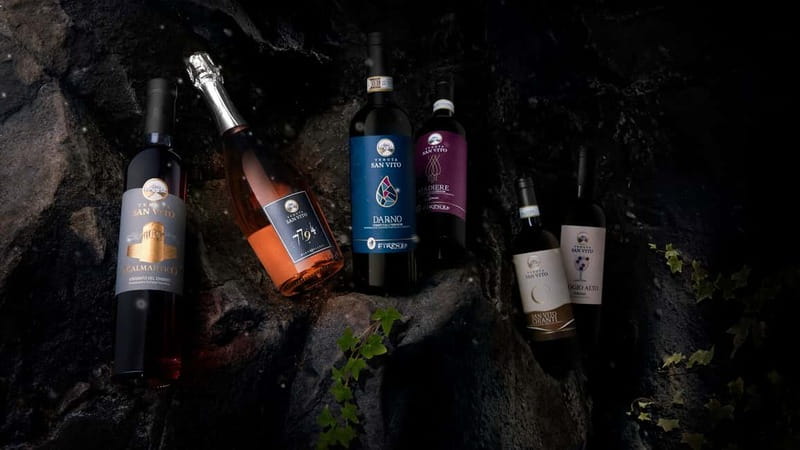
A nice feature of this tour is what happens after the tasting. You can buy the products directly on the estate, or arrange door-to-door shipment.
That’s more than a convenience. For many visitors, the hardest part of tasting Tuscan wine is remembering what you liked once you’re back in your apartment. Here, you get the chance to purchase what you sampled while it’s fresh in your memory. And if you’re traveling light or short on space, shipping can be the smarter play.
Because the tour lasts only 1.5 hours, don’t wait until the very end to decide. If you want bottles, tell the guide what you preferred early in the tasting. That way the purchasing part can feel smooth instead of rushed.
Also, if you’re considering shipment, ask about the practical details (costs, timing, and what they need from you) before you commit. The tour description says shipment can be arranged, but the specifics aren’t listed here, so you’ll want confirmation on the day.
Is the $23 price a good deal?
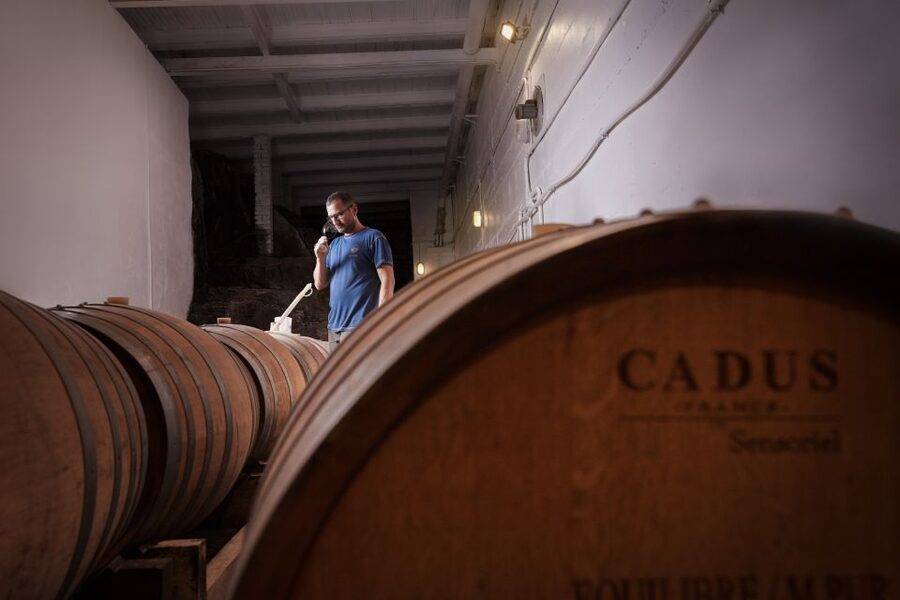
At $23 per person for about 1.5 hours, this tour is priced like an efficient, taste-forward experience rather than a long, full-day outing. The value comes from what’s included:
- 3 different wines
- Bread with extra virgin olive oil
- A guided visit that includes the estate story and the farm’s organic approach
For your money, you’re not just paying for access to a cellar. You’re paying for time in a place that’s organized around product quality and organic practices, then translated into a tasting you can actually evaluate. That’s a strong value mix for a Florence day, especially if you don’t want to spend the whole afternoon traveling.
It also helps that the tour is short enough to fit into most itineraries. You can do this on a day when you still want to return to Florence for dinner, without turning your schedule into a logistics puzzle.
If you’re the type who wants a lot of winemaking technique detail, you might feel the pace is brief. But for most wine-and-food travelers, three wines plus oil and bread in a guided organic farm setting is exactly the kind of value that makes the trip worthwhile.
Who should book this tour (and who might want something else)
This is a good fit if:
- You want country life near Florence, not a distant day trip.
- You care about organic farming and want to hear how it’s certified and practiced.
- You enjoy tasting wine and olive oil in a setting with vineyards and olive groves.
- You’re looking for a short, guided experience that still includes a vineyard walk and cellar time.
It may not be the best match if:
- You strongly prefer very deep, step-by-step explanations of winemaking processes. Because the visit is structured around tasting and sales, you may need to ask pointed questions to get the detail you want.
- You’re traveling with children. It’s listed as not suitable for those under 18.
- You don’t want to handle advanced transport planning. Since the hills are car-only and there’s no on-site taxi setup, you need to be ready for that.
Also consider your travel style. If you love museums and long explanations, you might treat this like a shorter, more sensory version of that. If you love food, wine, and place-based stories, this one clicks.
Should you book Florence Hills Winery Tour?
Yes—if you want an easy winetasting day that feels like real Tuscany and you’re comfortable planning transport to a hillside estate.
Book it if you’re excited by organic wine and olive oil, and you like the idea of pairing a vineyard walk with a cellar visit and a 3-wine tasting plus bread and extra virgin oil. At $23 for 1.5 hours, it’s also a sensible use of time from Florence.
Skip it or pick a different option if you need car-free convenience, are traveling with kids, or you expect a long, ultra-technical cellar lecture. For this tour, the best results come from arriving on time, asking questions if you want more detail, and enjoying the farm-to-glass experience at a relaxed pace.
FAQ
How far is Florence Hills Winery Tour from Florence?
It’s about 18 km from Florence in Tuscany.
How long is the tour?
The duration is 1.5 hours.
What does the tour cost?
The price is $23 per person.
What do I taste during the visit?
You taste 3 different wines and also bread with extra virgin olive oil.
Is the tour suitable for children?
No. It’s listed as not suitable for children under 18.
What languages are available for the host or greeter?
The host or greeter provides English and Italian.
Can I cancel after booking?
Yes. There is free cancellation up to 24 hours in advance for a full refund.
Can I pay later instead of paying right away?
Yes. You can reserve now & pay later (pay nothing today).
Is the winery easy to reach without a car?
No. The hills can be reached only by car, and there is no taxi station on the spot. If you don’t have a car, you must arrange transfers in advance, including the way back.
Can I buy wine and olive oil during or after the tour?
Yes. You can buy products directly, and you can also arrange door-to-door shipment.