REVIEW · CHIANTI HILLS
Florence: Tuscany Chianti Winery Private Day-Trip with Lunch
Book on GetYourGuide →Operated by SLOW TOUR TUSCANY · Bookable on GetYourGuide
Wine country without the hassle. This private Florence to Chianti day is built for people who want more than just a scenic bus ride: you roll along the ancient Cassia Vetus, wander medieval stone villages, and end at a family estate for a lunch that comes with 3 Chianti Classico wines and an extra-virgin olive oil tasting. When you get a guide like Gianni, the day can feel personal, with stories that make the region click instead of just sounding like facts.
Two things I really like about this experience are how it mixes viewpoints with walking time, and how it teaches you what you’re actually tasting. The stop in Greve in Chianti gives you a charming place to stretch your legs, then the wine-and-olive oil portion is practical, including how to spot a genuine extra-virgin olive oil. One drawback to consider: it’s a 6-hour outing, so you’ll spend a noticeable chunk of time driving between Florence and the countryside.
In This Review
- Key Things That Make This Chianti Day Worth It
- Leaving Florence on the Right Road: Cassia Vetus and Panoramas
- Greve in Chianti: Old Alleys, a Not-So-Expected Connection, and Coffee
- Montefioralle Hilltop Village: Stone Streets and Chianti Classico Stories
- The Olive Oil Lesson That Actually Helps You Shop
- A Family Wine Estate With Medieval Cellars and Original Oak Barrels
- Lunch on the Private Estate: Organic Ingredients and Real Pairing Time
- Price and Logistics: What $248.09 Gets You in 6 Hours
- Who This Tour Is Best For (and Who Should Skip It)
- Should You Book This Florence to Chianti Private Day Trip?
- FAQ
- Where is the meeting point in Florence?
- How long does the Florence to Chianti day trip last?
- Is the guide English-speaking?
- What does the private transfer include?
- What villages are included?
- What tastings are included?
- What’s included with lunch?
- Is there time to shop or buy regional food?
- Are pets allowed on this tour?
- What if I have dietary restrictions?
Key Things That Make This Chianti Day Worth It
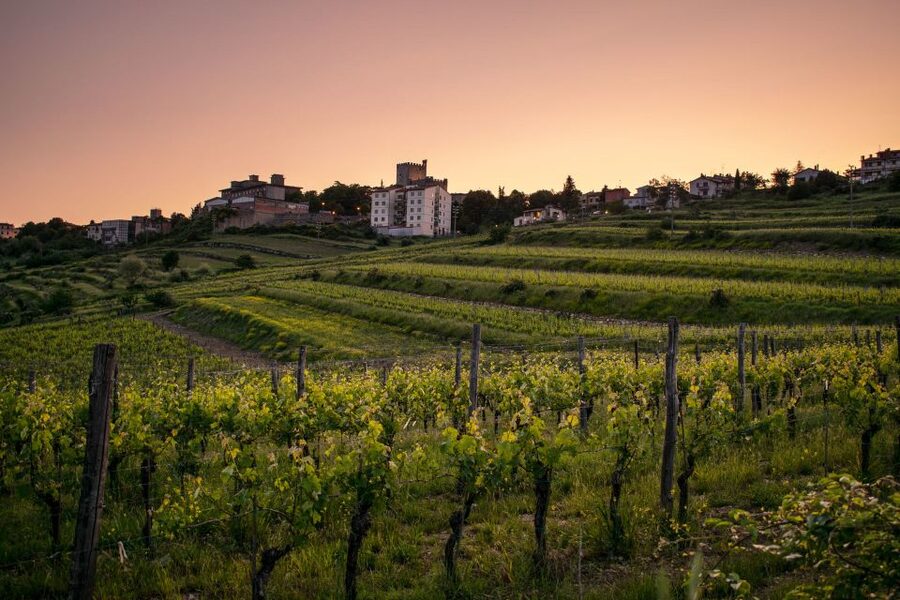
- Cassia Vetus road drive: panoramic countryside views on an ancient Roman route
- Greve in Chianti + coffee tasting: a medieval village break with real atmosphere
- Montefioralle hilltop hamlet: stone streets and views tied to Chianti Classico lore
- Family wine estate in medieval cellars: tasting in the setting where wine ages
- Lunch with structured tastings: 3 Chianti Classico wines plus extra-virgin olive oil
Leaving Florence on the Right Road: Cassia Vetus and Panoramas
If Florence is your base, this is the kind of day trip that fixes a common problem: you want Tuscany, but you don’t want to wrestle with transport and schedules. The day starts with a straightforward meeting point in central Florence—Piazza dei Cavalleggeri—where your English-speaking guide holds a sign with your name. That small detail matters. It keeps the morning calm, and you lose less time to confusion.
Then comes the best kind of warm-up: views. You’ll pass Piazzale Michelangelo as a photo stop, which is a quick way to orient yourself. You’re looking back over Florence while the van heads out into the hills, so you get that mental switch from city mode to countryside mode without a long wait.
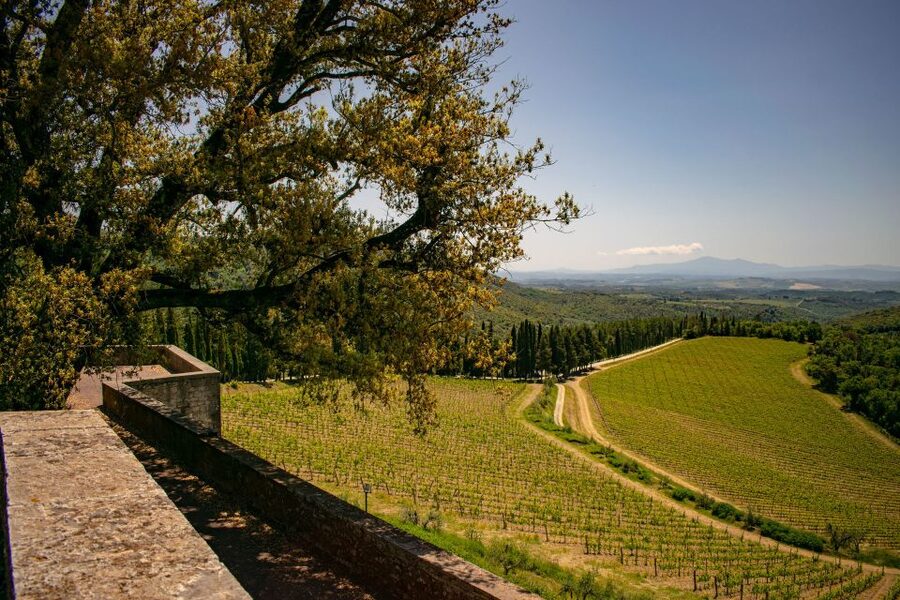
After that, the drive takes you along the Cassia Vetus, an ancient road with rolling hills on both sides. This stretch is one of the big reasons wine days feel different here. Instead of stopping only at the main towns, you get pauses for panorama spots along the route. It’s the kind of sightseeing that works even if you’re not a big history person, because the scenery does the heavy lifting.
You can also read our reviews of more tours and experiences in Chianti Hills.
Greve in Chianti: Old Alleys, a Not-So-Expected Connection, and Coffee
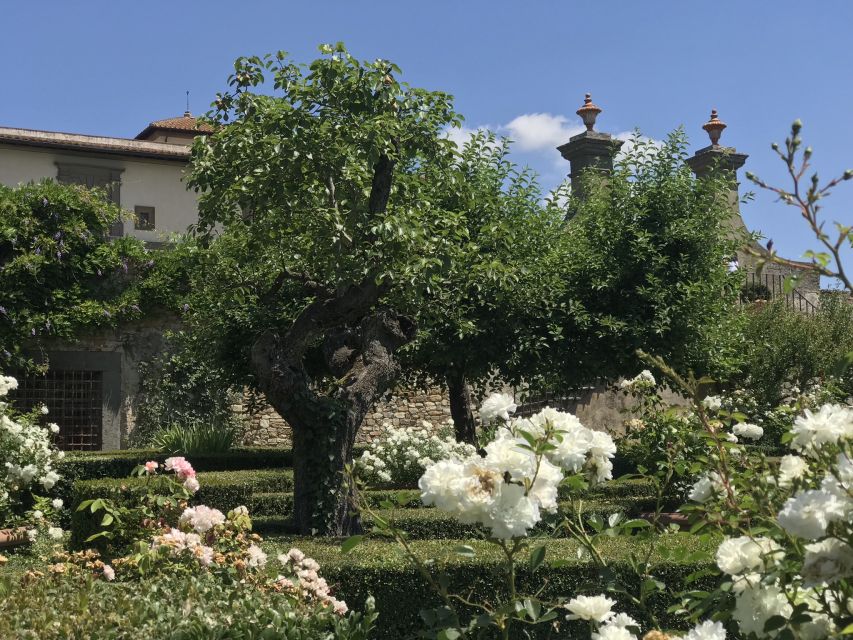
Your first real village stop is Greve in Chianti, a place that’s easy to wander at your own pace. You’ll have time for a visit and walking, plus a scenic drive segment that keeps the morning feeling active rather than rushed.
What makes Greve more interesting than a quick stroll is the way it connects to a bigger story. It’s described as the birthplace of Giovanni da Verrazzano, the Florentine traveler who discovered the Hudson Bay in the 15th century. Even if you only catch that on a quick explanation from your guide, it gives you a reason to look up at buildings and not just stare at shops.
You also get a coffee tasting. That’s a small inclusion, but it’s smart: it breaks up the day before the next walk and helps keep the pacing comfortable. Coffee in Italy can be a fast, low-key reset, and here it keeps you ready for the hilltop village later.
One practical note: Greve is a stone village with narrow alleys. That means good walking shoes pay off. You don’t need hiking gear, but slick soles and rushed strides aren’t the move.
Montefioralle Hilltop Village: Stone Streets and Chianti Classico Stories
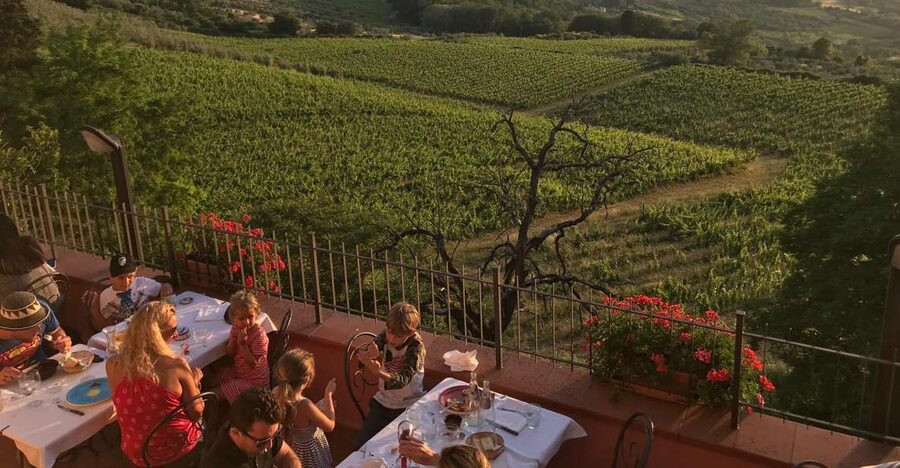
Next you head to Montefioralle, a hilltop hamlet known for being preserved in a stone form dating back to the 12th century. This is the stop where the day feels most old-world. You’re not just looking at Tuscany from a distance—you’re inside it, moving through tight lanes where the architecture does most of the storytelling.
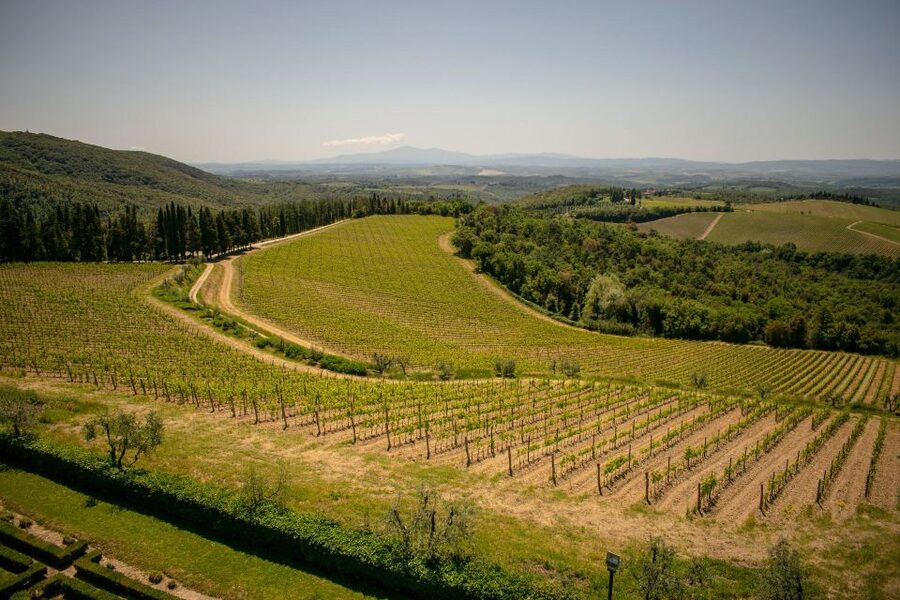
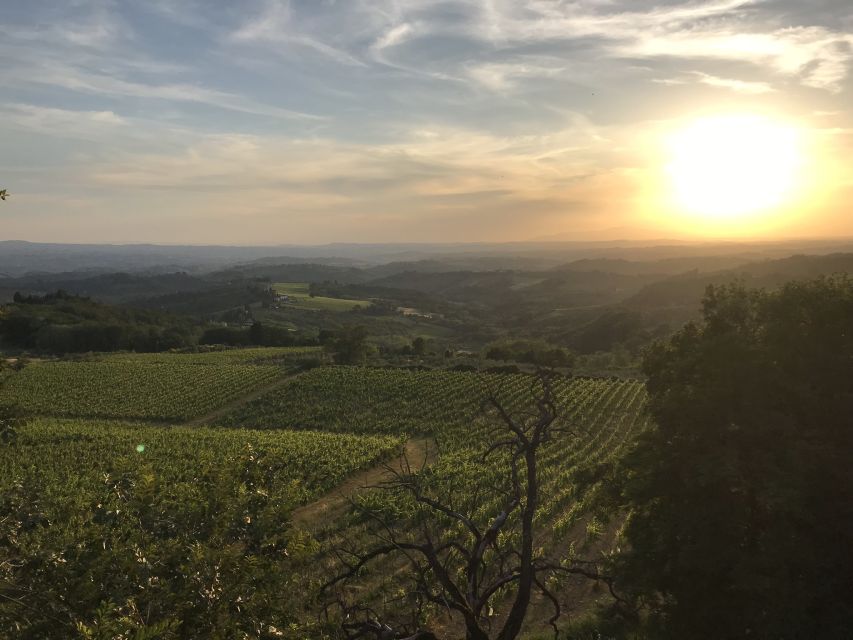
You’ll also have time for scenic viewing breaks on the way, and once you’re there, you get walking time plus viewpoints. That combination helps you take in what makes the area famous: vineyards, olive groves, and that layered sense of Tuscany spreading outward.
Montefioralle has another neat angle related to the Black Rooster—the emblem of Chianti Classico. You can expect anecdotes and local secrets tied to that symbol. Even if you don’t remember every detail, the point is that your wine knowledge won’t float around in theory. It gets grounded in place.
This stop is perfect if you like places that feel lived-in rather than staged. It’s not a museum stop. It’s a village stop.
The Olive Oil Lesson That Actually Helps You Shop
Between villages and lunch, you’ll spend time learning about extra-virgin olive oil and how to recognize a genuine bottle. That part is useful in a very hands-on way. Most people can tell you they like olive oil, but fewer people know what to look for when a store shelf is stuffed with labels.
Because this tour includes an olive oil tasting, the lesson has a purpose. You’re not just hearing advice; you’re tasting alongside the explanation. When you know what you’re detecting—freshness, balance, and the character of real extra-virgin—you’re more likely to shop confidently later.
This is also where I think the tour earns its value. Olive oil is easy to treat like a souvenir. Here, it’s taught as a product with real standards, so you come away with a practical way to evaluate what you buy at home.
A Family Wine Estate With Medieval Cellars and Original Oak Barrels
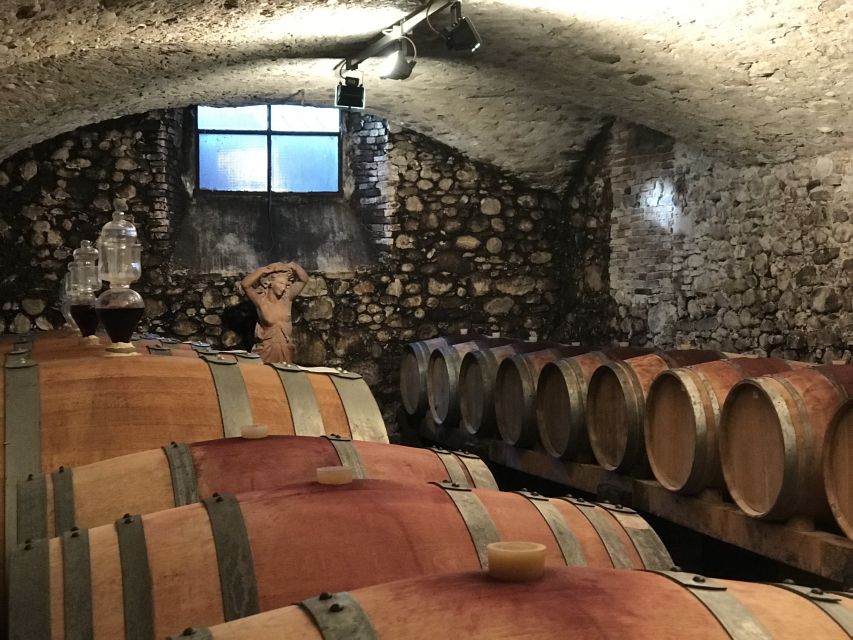
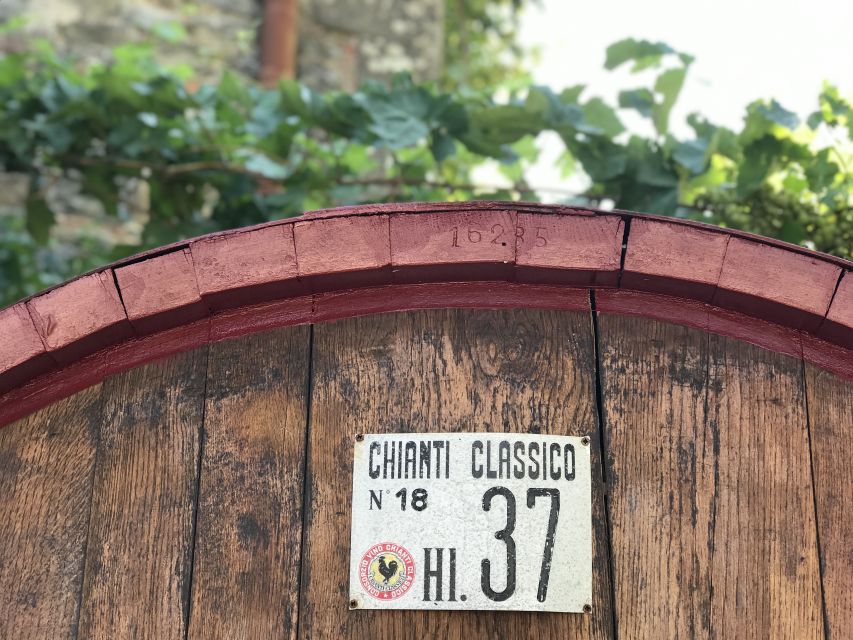
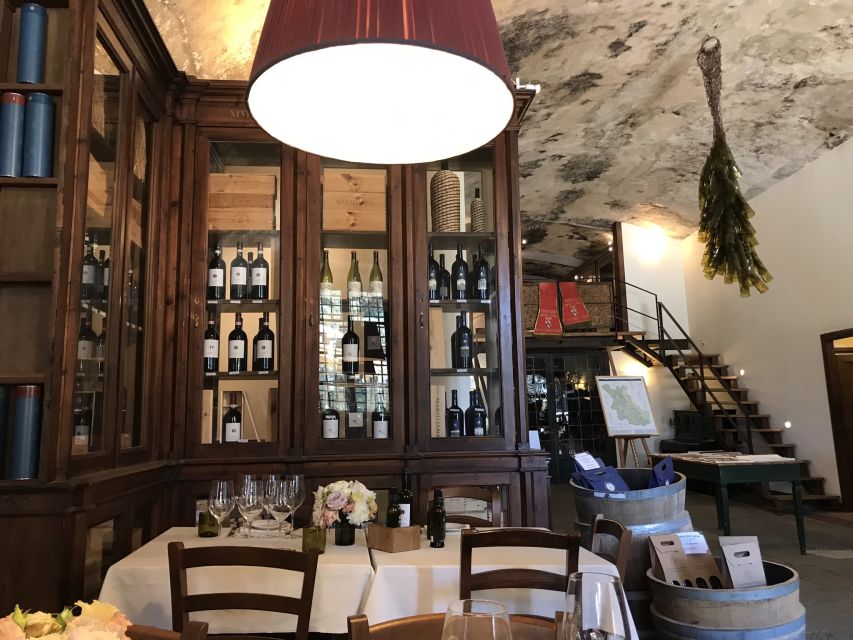
The heart of the day is the visit to a family-run wine estate with medieval cellars, where wine aging happens with original oak barrels. The fact that the barrels are still used for aging matters for the vibe. You’re not tasting in a modern showroom with a scenic poster behind it. You’re tasting in the environment tied to how the wine is made.
This matters for wine lovers because the setting helps you understand what the process is trying to achieve. It’s one thing to hear the words Chianti Classico. It’s another thing to taste with your eyes and nose in the same world where the aging is happening.
You’ll experience a pairing of 3 top Chianti Classico wines, and that structure is a big plus. Three wines gives you enough range to notice differences without turning the tasting into a confusing blur. You’re more likely to remember what you liked and why—and then order the right bottle later.
If you’re a serious wine person, this is also a solid day because you get both tasting and education. If you’re not a wine person, the estate visit and lunch setting still make it worthwhile, but you may wish you had a lighter day elsewhere since wine tastings are part of the experience.
Lunch on the Private Estate: Organic Ingredients and Real Pairing Time
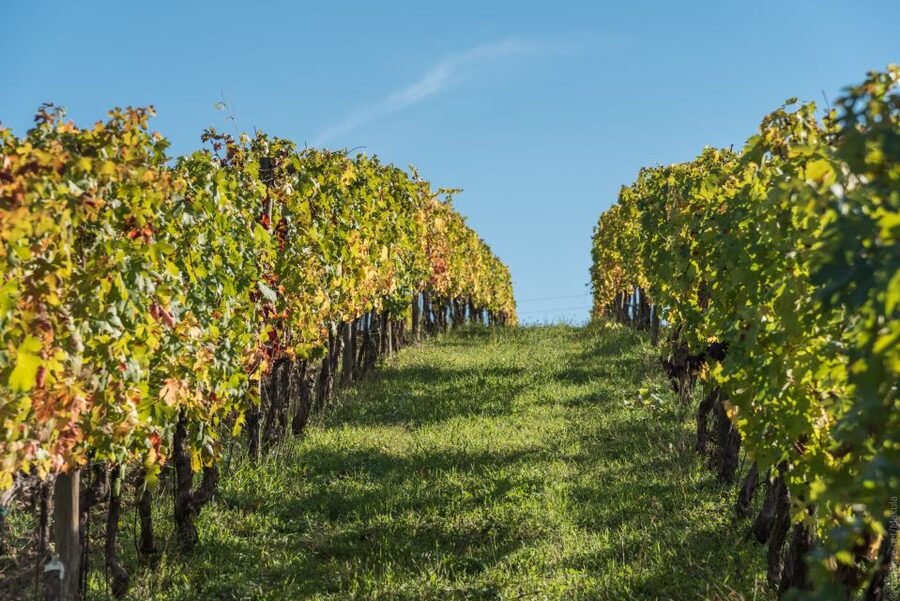
Lunch is served on the private estate, and it’s described as a typical Tuscan light lunch prepared with organic ingredients grown on the property. That detail may sound like marketing, but it’s exactly the kind of thing that makes the meal feel connected to where you are. You’re not just eating in Tuscany—you’re eating from a place that ties food to land.
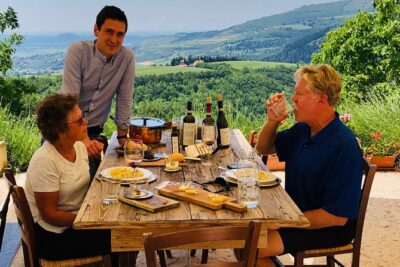
The lunch pairing is where the day gels. You’ll enjoy the meal while tasting 3 Chianti Classico wines, plus you’ll have an extra-virgin olive oil tasting as part of the food experience. In practical terms, this means you get multiple sensory anchors in one sitting: wine, olive oil, and the meal itself.
You also get time for shopping and regional food during the longer estate stop. This is a good chance to pick up items you can actually use, not just souvenirs you’ll feel guilty about later.
One more small but important point: dietary restrictions require advance notice. If you have allergies or special needs, tell your operator ahead of time so they can plan. The tour specifically asks you to inform them of dietary requests in advance, so do that rather than hoping for flexibility on the day.
Price and Logistics: What $248.09 Gets You in 6 Hours
At $248.09 per person for a 6-hour experience, you’re paying for more than a couple of photo stops. You’re buying convenience and a package that includes:
- private transfer from Florence
- timed stops at panorama points and villages
- entry-style experiences at a wine estate
- lunch on site
- tastings: 3 Chianti Classico wines and extra-virgin olive oil
- time for walking, plus shopping at the estate
So the value comes from stacking multiple high-effort parts into one organized day. If you tried to DIY this—drive, figure out timings, coordinate tastings, and still enjoy a calm lunch—you’d spend energy and probably end up stressed before lunch ever arrived.
The main trade-off is time in motion. Because it’s a day trip, you’ll be in the van between stops. If you hate car time, this may feel like too much. If you’re fine reading, looking out the window, and enjoying the stops as planned, it feels like a smooth way to see Chianti without turning your day into a checklist.
Who This Tour Is Best For (and Who Should Skip It)
This experience fits you best if you want a guided Chianti day that’s structured around real tastings and walking in medieval villages. It’s also a strong choice if you like explanations that translate directly into better buying decisions—especially for olive oil.
You’ll probably enjoy it less if you want a slow, open-ended country day with minimal structure. This is designed as a guided loop with set stops, so you’re not picking your own schedule minute by minute.
Also, it’s not a pet-friendly option. Pets aren’t allowed, so plan accordingly.
Should You Book This Florence to Chianti Private Day Trip?
I’d book this tour if you want your Tuscany day to feel complete: Florence-to-vineyards driving, two village walks, and then the pay-off—lunch plus 3 Chianti Classico wines and extra-virgin olive oil tasting at a family estate.
It’s especially worth considering if you want to learn what you’re tasting, not just drink it. The olive oil portion is practical, and the estate setting with medieval cellars and oak barrels helps the experience feel grounded.
If you’d rather avoid any wine-and-tasting focus, you might look for a different kind of Tuscany outing. But for wine lovers who also like great small-town walking, this is a very solid use of a day in Florence.
FAQ
Where is the meeting point in Florence?
The tour meets at Piazza dei Cavalleggeri in the center of Florence. Your guide will hold a sign with your name.
How long does the Florence to Chianti day trip last?
The duration is listed as 6 hours.
Is the guide English-speaking?
Yes. The tour includes a live tour guide in English.
What does the private transfer include?
You get private transfer, meaning you’re taken from the meeting point and driven between stops during the day.
What villages are included?
You’ll visit Greve in Chianti and Montefioralle.
What tastings are included?
You’ll have a tasting of 3 Chianti Classico wines and a tasting of extra-virgin olive oil.
What’s included with lunch?
Lunch is described as a typical Tuscan light lunch prepared on the private estate, along with the wine pairing and olive oil tasting.
Is there time to shop or buy regional food?
Yes. During the estate stop you’ll have time for shopping and regional food.
Are pets allowed on this tour?
No. Pets are not allowed.
What if I have dietary restrictions?
You should inform the operator of any special dietary requests or restrictions in advance so they can plan for you.