REVIEW · FRANCE
Saint-Émilion: 2 hours – Visit of the vineyard, the cellar and tasting
Book on Viator →Operated by Chàteau Haute-Nauve · Bookable on Viator
A two-hour wine lesson, straight from the vines. At Château Haute-Nauve in Saint-Émilion, you’ll tour the vineyard, spot the wind turbine and a 6 meter wine bottle, then end with a guided tasting of four wines.
I love the way the guide (Marie-Anne or Florent) connects what happens out in the vines to what your glass shows at the end. I also like that the tasting includes two Saint-Émilion Grand Cru wines, not just entry-level bottles.
One consideration: it’s a tight 2 hours, so if you want lots of free time for lingering, you’ll probably do a separate stop in town.
In This Review
- Key highlights before you go
- Entering the vines: Saint-Émilion plots, seasons, and the Haute-Nauve approach
- The cellar stop: fermentation, pumping, and pressing explained simply
- Barrel cellar aging: where the wine changes its texture and style
- The 4-wine tasting at the end: rosé to Grand Cru
- Price and value: what $30.04 buys you in Saint-Émilion
- Practical tips so the tour clicks for you
- Who should book Château Haute-Nauve and who might want something else
- Should you book this vineyard and cellar tour?
- FAQ
- How long is the Saint-Émilion vineyard, cellar, and tasting tour?
- Is the tour offered in English?
- Where does the tour start and where does it end?
- How many wines will I taste, and what kinds are they?
- Is alcohol included?
- How big are the groups?
- Can I cancel for a full refund?
Key highlights before you go
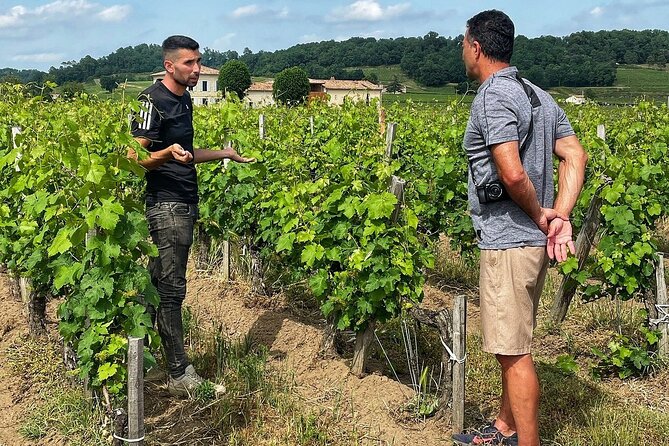
- Vineyard walk that follows the year: see how work changes with the seasons, not just a quick photo stop
- Family story (4th generation): you’ll get the estate’s background while you walk between plots
- Sustainability in practice: crop freezes, sustainability choices, diversification, and new wines are part of the story
- Vine-to-winery production steps: fermentation, pumping, and pressing are shown with the real equipment
- Guided barrel-aging look: you’ll visit the cellar area where wine ages in barrels
- A focused 4-wine tasting: rosé, a Saint-Émilion, and two Saint-Émilion Grand Cru wines
Entering the vines: Saint-Émilion plots, seasons, and the Haute-Nauve approach
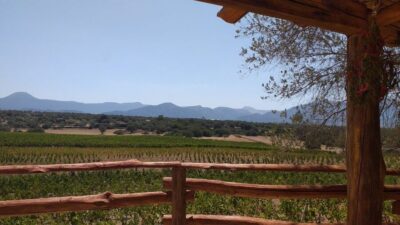
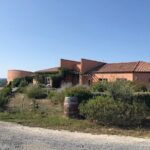
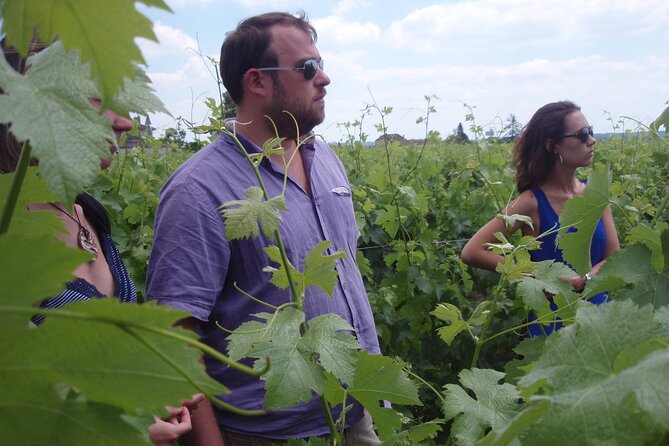
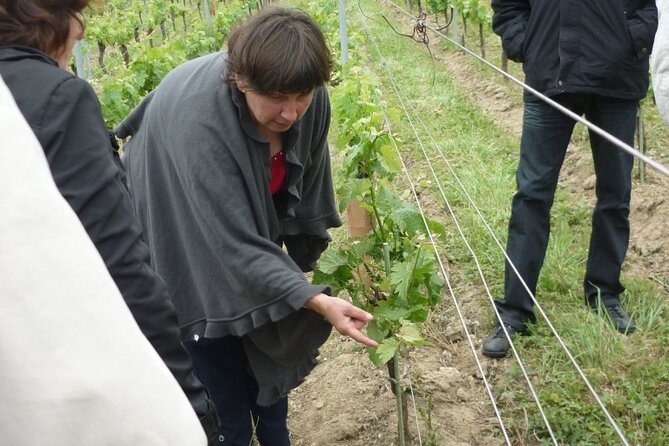
This is the kind of Saint-Émilion tour that makes you pay attention to what you’re actually looking at. Instead of starting in the cellar and working backward, you begin in the vineyards at Château Haute-Nauve. You’ll walk through the vines and learn how the estate fits into the Saint-Émilion appellation—what makes the area distinct, and how that shows up in the wine.
A big plus for me is that the guide doesn’t treat the vineyard like scenery. You’ll hear about the family history, specifically that the estate is a 4th generation winegrowing family. That context matters because it frames decisions as long-term: pruning styles, vineyard choices, and how the team thinks about risk year after year.
As you move between different plots of vines, you’ll get a clearer sense of how site differences can affect the grapes. And you’ll learn how vineyard work evolves throughout the year. That’s useful because most people only think about harvest season. Here, you get a smoother timeline: what growers do before the grapes are ready, and how the work shifts as the season progresses.
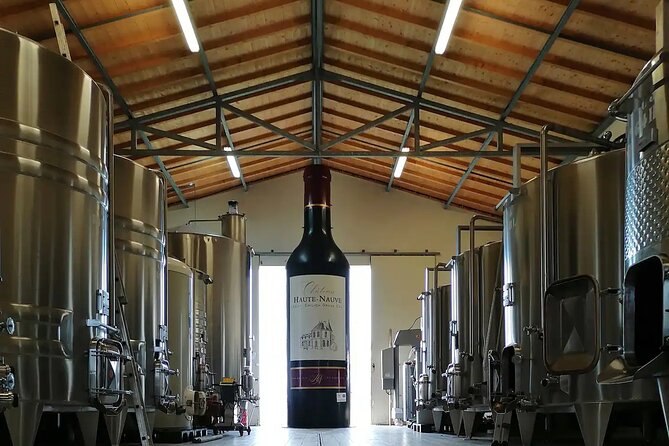
There are also two visuals that do more than decorate the tour. You’ll see a wind turbine and a 6 meter high wine bottle. The point is practical: the guide explains how the château is tackling real challenges—especially crop freezes—while pushing sustainability and diversification. You’ll also hear about developing new wines, which adds a modern angle to an area that’s often framed as traditional.
If you like the idea of connecting today’s conversation about climate and farming to something concrete, this is a good match. The vineyard walk sets the tone: you’re not just tasting a finished product; you’re seeing the inputs and decisions behind it.
You can also read our reviews of more tours and experiences in France.
The cellar stop: fermentation, pumping, and pressing explained simply
After the vineyard portion, the tour shifts to the winery side of things. This is where the experience gets hands-on in a very approachable way. You’ll tour the production area and learn the steps between grapes and wine, including fermentation, pumping, and pressing.
One reason this part works so well is that you’re shown the bigger equipment—think tanks and machinery—so the process doesn’t stay abstract. You’ll see where the wine moves during production, and you’ll understand what each stage is trying to accomplish. Even if you’re a total beginner, this style helps. The guide can describe what you’re seeing in plain language, so you don’t need to already know every wine term.
There’s also a story aspect here. The guide explains more than the mechanics. You may hear about how the estate handles marketing and how the wine is presented and positioned. That’s valuable if you’re the type of person who wonders how small decisions in the cellar end up as branding, sales, and reputation later.
This is also the section where you’ll appreciate the tour’s small-group format. With a cap of 15 people, questions don’t get lost in the shuffle. If something confuses you—like why a particular step is needed—you’re more likely to get a clear answer on the spot.
Barrel cellar aging: where the wine changes its texture and style
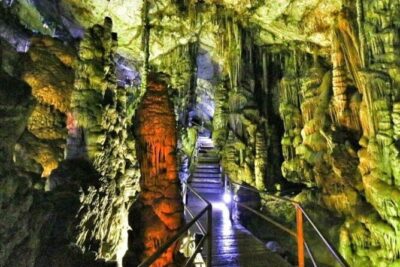
Next comes the barrel cellar, where the tour slows down just enough to let wine aging sink in. You’ll learn about the methods used to age the wine and what aging does beyond just time.
In many wineries, barrel aging can sound like a vague concept: barrels sit, wine sits, and then you bottle. Here, you’re guided through it in a way that connects to what you tasted later. You’ll understand that aging is part of shaping the wine’s structure—how it softens, integrates, and develops its final balance.
The barrel cellar stop is also a nice contrast to the energy of the vineyard. Out there, the focus is on seasons and growth. In the barrels, the focus shifts to patience and transformation. If you’re the kind of person who enjoys a tour where each room explains a different chapter of the same story, you’ll like this layout.
The 4-wine tasting at the end: rosé to Grand Cru
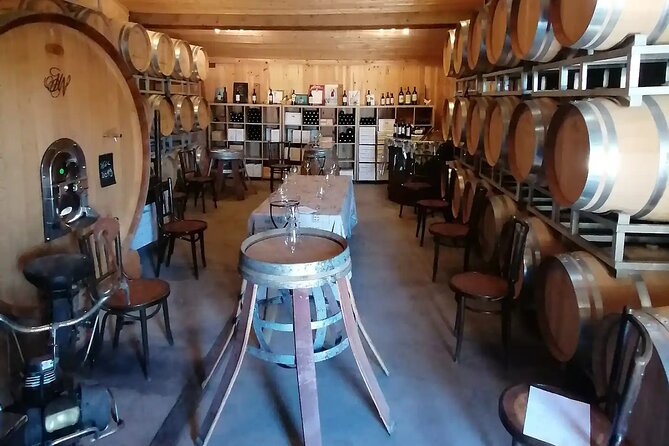
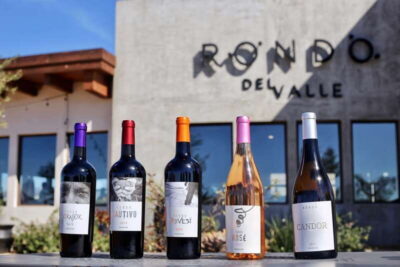
The finale is the guided tasting of four wines. This is where the tour pays off, because you’re tasting with context. You’re not just sampling bottles; you’re linking what you saw—vineyard choices, fermentation, and aging—to how the wine tastes.
Here’s what you can expect to taste:
- one Rosé
- one Saint-Émilion
- two Saint-Émilion Grand Cru
That spread is smart. Starting with rosé gives you a fresh entry point. Then you move into the appellation wines, and finally you compare the Grand Cru expressions. Even if you don’t consider yourself a wine expert, tasting two Grand Cru wines in one session helps you notice differences in style and emphasis without needing a huge lineup of bottles.
The tasting is guided, which matters more than most people think. A good guide doesn’t just pour wine; they help you taste more accurately. You’ll likely get pointers on what to notice—aroma, structure, and finish—so the tasting becomes information you can actually use the next time you shop for wine.
One more detail I appreciate: the tasting is directly tied to Château Haute-Nauve wines. That keeps everything coherent. You don’t drift into generic explanations about Bordeaux. Instead, the tour ends with what the estate is producing right now.
Price and value: what $30.04 buys you in Saint-Émilion
At $30.04 per person for about 2 hours, this is positioned as a straightforward, focused wine experience. You’re paying for three things at once:
1) a vineyard walk with estate context and seasonal farming explanations
2) a production tour with key steps like fermentation, pumping, and pressing
3) a guided tasting of four wines, including two Grand Cru bottles
If you compare that to the cost of a standard guided tasting alone, the vineyard-and-cellar structure is the real value. It gives you more than a sip-and-skip stop. You’re learning what’s behind the bottles, which tends to make the tasting feel more meaningful.
It also helps that it’s a small group, with a maximum of 15 people. Less crowding usually means better questions and a more relaxed pace. And since it’s offered in English, you don’t have to gamble on understanding the key points.
There’s also a practical timing benefit. Tours like this are easy to fit into a half-day in the Saint-Émilion area. You can treat it as your wine anchor, then spend the rest of your day walking in town or grabbing a meal nearby—without losing too much time.
Practical tips so the tour clicks for you
To get the most out of a vineyard-to-tasting tour, keep a few practical things in mind:
- Wear shoes you can walk in. Vine rows and vineyard paths aren’t always smooth like a city sidewalk.
- Bring a light layer. Even in pleasant weather, cellar areas can feel cooler.
- Go in with a flexible mindset about wine. The point isn’t memorizing terms. The point is connecting what you see to what you taste.
- Use the tasting to compare. Since you’ll taste two Saint-Émilion Grand Cru wines, treat it like an exercise: notice what feels similar, and what feels different.
If you’re traveling in a group, this format is also good because it doesn’t require everyone to be a wine nerd. The production steps are explained clearly, and the vineyard story gives non-experts something concrete to follow.
Who should book Château Haute-Nauve and who might want something else
I think this tour is a great fit if you:
- want a small-group vineyard and cellar visit
- like having a clear path from farming to production to tasting
- enjoy structured tastings with real estate wines
- want Grand Cru in a single experience, not a multi-stop day
You might want to pick a different experience if you prefer:
- a longer, slower tasting that includes food or extended time at the bar
- a tour that focuses only on the historic side of Saint-Émilion with minimal production detail
- a self-paced winery visit without much explanation
Because it’s about two hours, it’s best as a focused stop, not a full-day plan.
Should you book this vineyard and cellar tour?
Yes, I’d book it if you want a coherent Saint-Émilion wine story with real production steps and a tasting that includes two Saint-Émilion Grand Cru wines. The vineyard walk, the visit to the cellar equipment, and then the barrel-aging stop create a logical progression. You also get the kind of guide-led explanation that keeps the experience from feeling like a checklist.
If you’re short on time, this format is efficient. If you like learning while you walk and taste, it’s an easy win.
FAQ
How long is the Saint-Émilion vineyard, cellar, and tasting tour?
It lasts about 2 hours.
Is the tour offered in English?
Yes, the tour is offered in English.
Where does the tour start and where does it end?
It starts at Château Haute Nauve1 Haute Nauve, 33330 Saint-Laurent-des-Combes, France, and it ends back at the meeting point.
How many wines will I taste, and what kinds are they?
You’ll taste 4 Château wines: a Rosé, a Saint Émilion, and two Saint Émilion Grand Cru wines.
Is alcohol included?
Yes. Alcoholic beverages are included for the tasting of the 4 wines.
How big are the groups?
The tour has a maximum of 15 travelers.
Can I cancel for a full refund?
Yes. You can cancel up to 24 hours in advance for a full refund.
—
If you want, tell me when you’re visiting Saint-Émilion and what else is on your schedule (walking in town, a second winery, a meal plan). I can suggest a practical half-day flow around this 2-hour stop.