REVIEW · EPERNAY
Epernay: Winery and Cellar Tour with Champagne Tasting
Book on GetYourGuide →Operated by Timonfaya Travel Lanzarote · Bookable on GetYourGuide
Chalk tunnels under the Champagne hills are cool. This Epernay-area winery and cellar tour mixes a proper walk underground with hands-on tasting, led in English. I especially liked how the visit turns Champagne from a label into a real, physical process you can see with your own eyes.
I love the family-run feel here: the tour is guided, personal, and focused on how the wine-growing life is passed from father to son. I also liked the tasting setup, because you sample specific cuvées (including Brut styles) alongside explanations, not just a quick sip-and-go.
One thing to plan for: there’s no hotel pickup/drop-off, so you’ll want to be ready to reach the meeting point on your own.
In This Review
- Key Highlights You’ll Care About
- Entering The Chalk Cellars Beneath Champagne Country
- What You’ll See Above and Below: The Estate Walk, Stop by Stop
- Meeting the Family Growers and Their Three-Generation Way of Doing Things
- Champagne Tasting: Sélection Brut and Vieilles Vignes Brut
- Why the Chalk Cellars Matter for Taste (And Not Just Photos)
- 90 Minutes Well Spent: Timing, Group Feel, and Pace
- Price and Value: What $53 Buys in the Champagne Region
- Who This Tour Fits Best (And Who Should Skip It)
- Practical Tips Before You Go
- Should You Book This Champagne Cellar Tour?
- FAQ
- How long is the Champagne winery and cellar tour?
- What language is the guide?
- What champagnes are included in the tasting?
- Will I taste more than two champagnes?
- Where does the tasting and cellar visit take place?
- Is hotel pickup included?
- Is this tour suitable for children?
- What’s the cancellation policy?
- What do I do about payment?
Key Highlights You’ll Care About
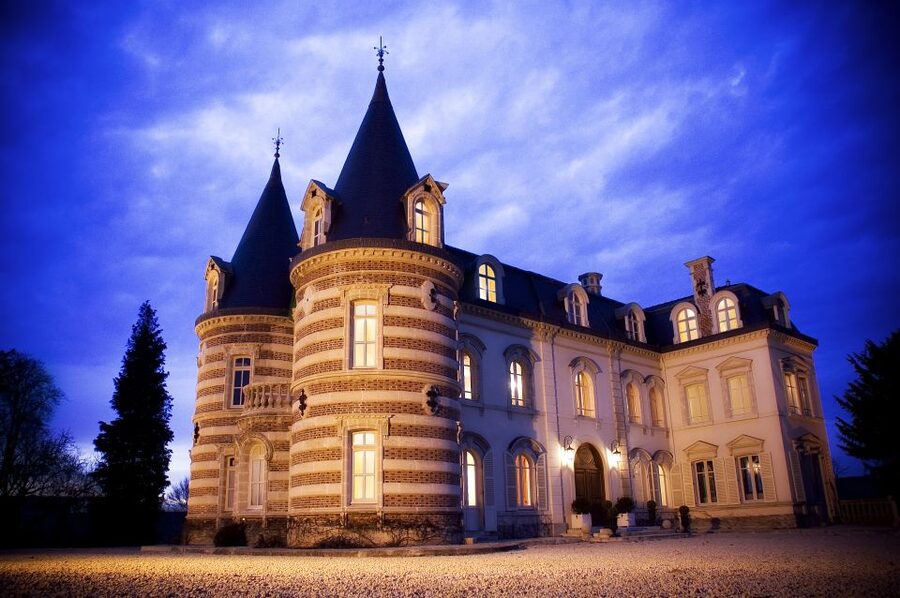
- Centuries-old chalk cellars: Walk through underground spaces built at the start of the 1800s, dug under 25 meters of chalk.
- A long, walkable cellar network: You move across sections totaling about 1.5 kilometers, with a huge capacity of 3 million bottles.
- English guidance with real know-how: You get explanations from a host/guide, and reviews highlight clearly competent, personal guidance (often in small groups).
- Two named Brut cuvées are included: the Sélection (Brut) and the Cuvée de Réserve – Vieilles Vignes (Brut).
- You meet the people behind the bottles: The tour includes time with local wine growers and the family character of their Champagne house.
- Sensory tasting, not just drinking: The tasting is guided so you know what to notice as you sample.
Entering The Chalk Cellars Beneath Champagne Country
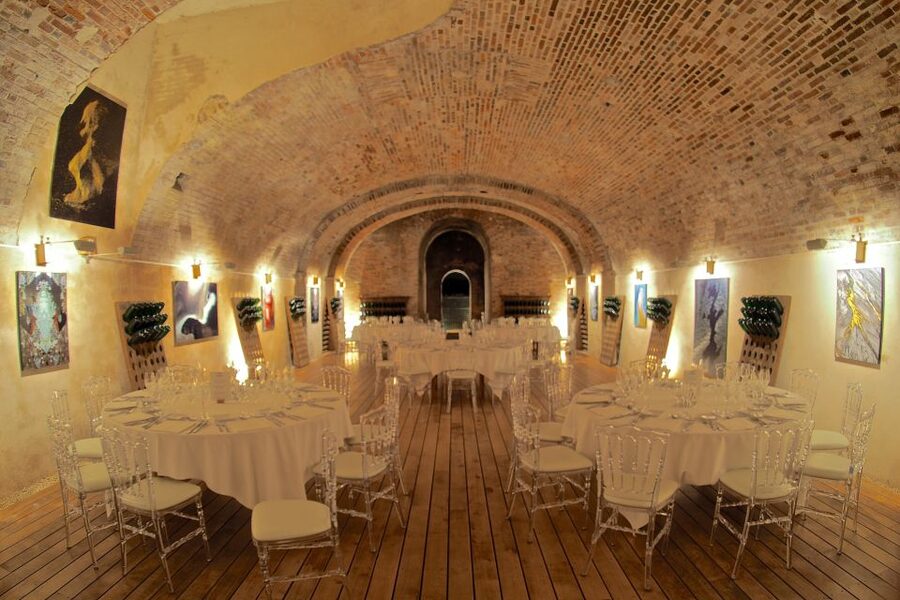
This tour’s best trick is also its simplest: it takes you under the ground, where Champagne actually matures. Instead of staying above the vines and talking in generalities, you walk into the cellar system built at the beginning of the 19th century.
The scale is part of why it works. You’re talking about a cellar buried under 25 meters of chalk, with an overall length around 1.5 kilometers and capacity for 3 million bottles. You don’t need to memorize those numbers to feel what they mean. You’ll feel the cool air, the stillness, and the sense that this is a working production space, not a museum set.
The centennial cellars also set the tone for the rest of the visit. When you see the layout and the way everything stays controlled underground, the tasting makes more sense. You can connect the dots between time, temperature stability, and how Champagne ends up tasting like Champagne.
You can also read our reviews of more tours and experiences in Epernay.
What You’ll See Above and Below: The Estate Walk, Stop by Stop
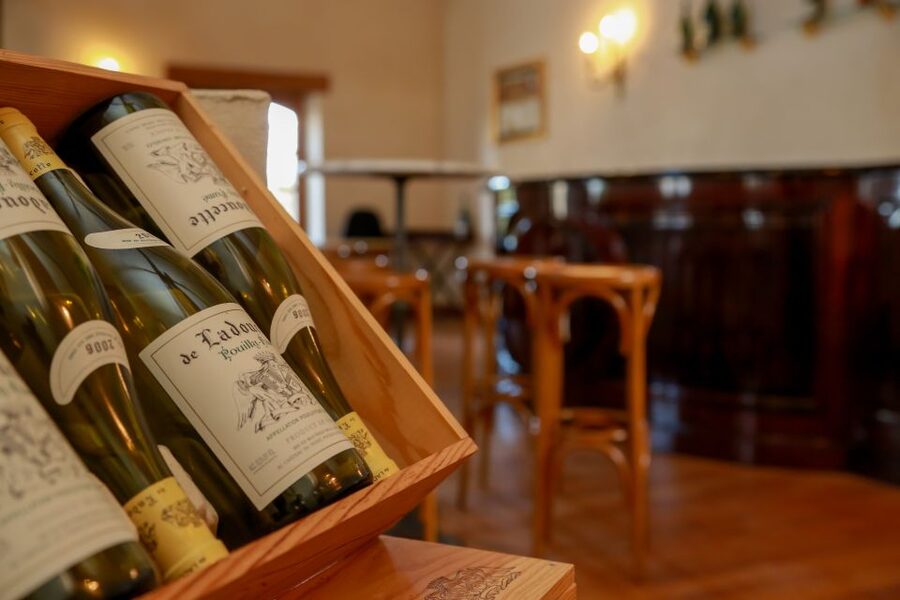
Your visit starts at the estate and then becomes a guided walk through key production areas. The itinerary is straightforward, but the locations are chosen for a reason: they show how Champagne is made and stored, not just where bottles are kept.
Here’s what to expect as you move through the underground spaces:
- The cellar unit: This is where you get your first real sense of the environment—how long-term aging relies on the deep chalk layers. It’s the kind of place where you’ll notice sound changes and how people speak more quietly because the space feels older than your plans.
- The vat house: This section is about production. Even if you’re not a wine expert, a good guide can point out how raw materials become something that’s ready for the next stages.
- The underground galleries: These are the connecting corridors that make the whole system feel like a network. They also help you understand why the cellar can hold so much and still stay stable.
- The chai: This is a classic Champagne term you’ll hear often in the region. Seeing it in context makes the word feel practical: it’s part of the production and storage rhythm.
The tour may sound long on paper, but the flow is about keeping you moving at a human pace for about 90 minutes total. That matters because cellar tours can either be too rushed (no chance to absorb) or too slow (you start zoning out). Here, the walking segments keep you engaged without turning it into an endurance event.
Meeting the Family Growers and Their Three-Generation Way of Doing Things
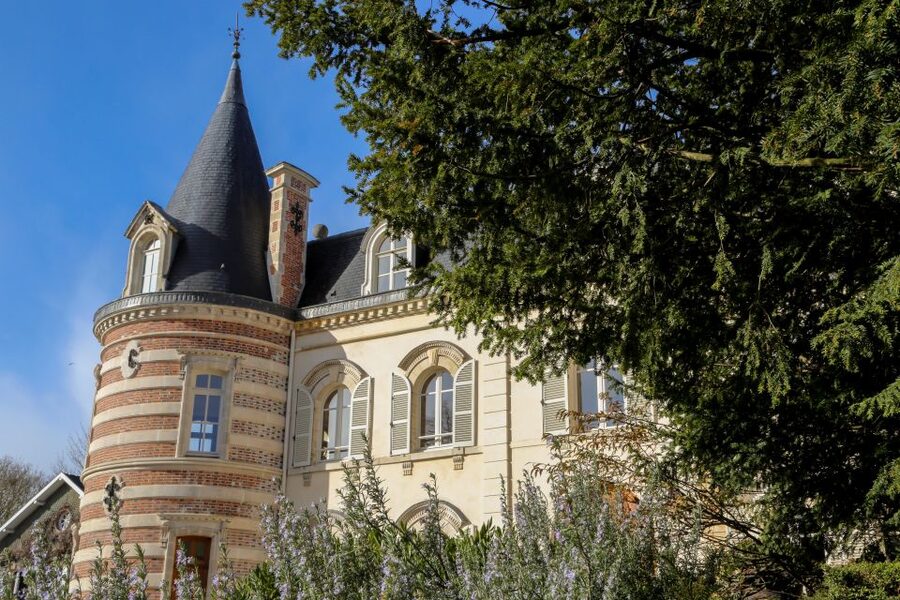
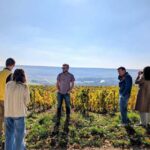
Champagne can feel like a polished industry. This experience brings you back to the people. Part of the visit focuses on the local wine growers, specifically the families who have passed down practices from father to son for three generations.
When you meet the family behind the Champagne, you learn the difference between having grapes somewhere and actually being the ones who steward them over time. You’ll hear how they keep the house character consistent, even as methods evolve.
This is also where the tour feels most “real” compared with bigger, more anonymous operations. Reviews consistently mention how personal and small-group the feel is, and that usually means you can ask questions and get answers that are about daily work—not only marketing language.
If you want Champagne that feels grounded in craft, this family angle is a big part of the value.
Champagne Tasting: Sélection Brut and Vieilles Vignes Brut
After the cellar walk, you shift into tasting mode. Your included tasting covers 2 cuvées, both Brut:
- the Sélection (Brut)
- Cuvée de Réserve – Vieilles Vignes (Brut)
In the overall activity description, there’s also mention of tasting three different champagnes. Since the listed included items name two cuvées, I’d treat that third pour as something that could vary by session. If you’re booking with a specific expectation, it’s worth asking what the third champagne will be when you confirm your time slot.
Either way, the way the tasting is presented is what matters. You’re not just handed glasses. You listen to the host explain secrets of the Champagne-making process, then sample the cuvées with guidance so you can connect flavor to process.
A helpful mindset for this part: use your senses like the guide does. Notice:
- the first sip impression (what jumps out first)
- how the bubbles feel
- how the finish changes as the glass warms slightly
Even if you’re new to Champagne, this kind of guided tasting makes it easier to describe what you’re tasting, and that makes the experience feel less intimidating.
Why the Chalk Cellars Matter for Taste (And Not Just Photos)
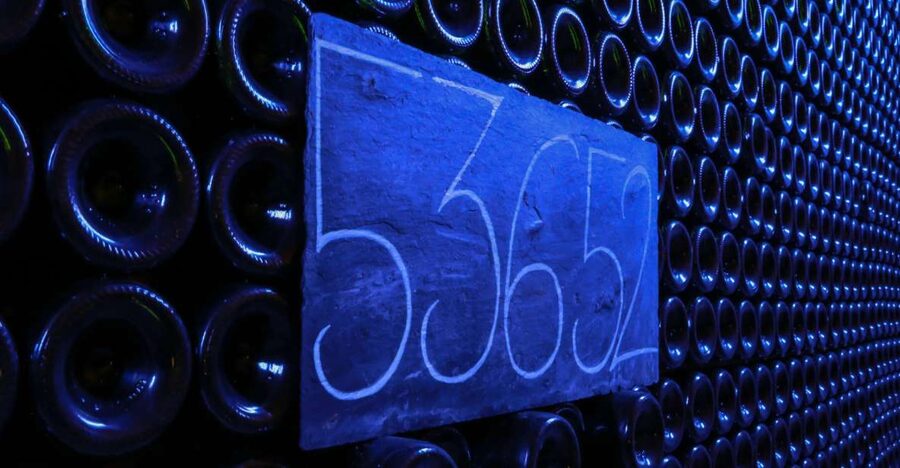
People often tour Champagne cellars for the photo. You’ll get those too, but the real benefit is the practical connection to taste.
Deep chalk storage helps Champagne stay consistent. The chalk environment supports stable conditions, which is important for aging over time. When you’ve walked through the cellar system—especially one described as buried under 25 meters of chalk—you start to understand why these producers care so much about cellar design.
Then the tasting lands better. If the guide explains the process while you’re standing in these spaces (or just stepped out of them), you don’t feel like you’re learning “wine stuff.” You feel like you’re learning how the place influences the bottle.
This is the kind of knowledge that actually sticks, because it has a physical setting. You remember the smell of the underground galleries and then you remember what the Brut tasted like. That’s how wine learning becomes useful, not just interesting.
90 Minutes Well Spent: Timing, Group Feel, and Pace
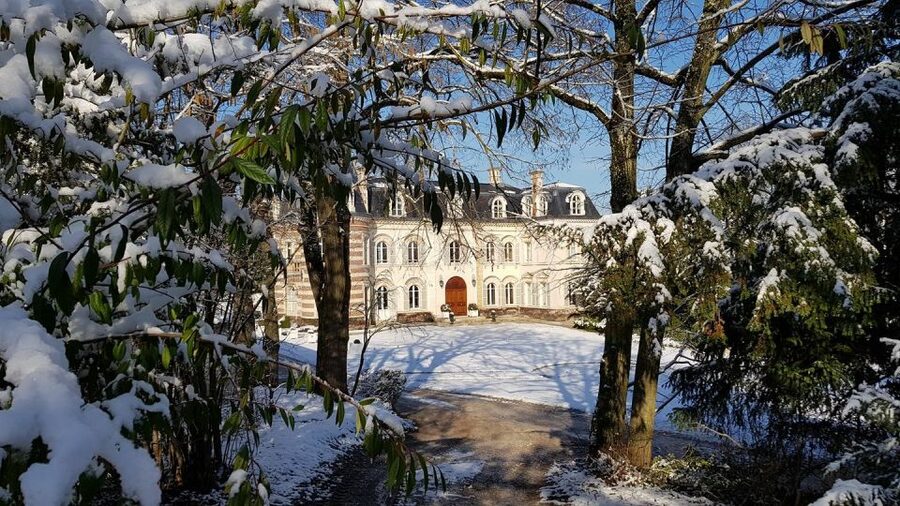
This experience is 90 minutes, which is a smart length for a Champagne cellar visit. Long enough to cover multiple production areas and do tasting properly. Short enough that you’re not rushing to catch dinner afterward.
Reviews you’ll likely echo after you go:
- guides who communicate clearly
- tours that feel personal rather than industrial
- a friendly, family-company atmosphere
A notable name you might encounter is Alice, mentioned as a tour guide who made the visit enjoyable and friendly. Even if your guide is someone else, the point is consistent: this tour tends to focus on hospitality and clarity.
The pace also matters. Cellar walking can be slow because stairs and passages require attention. Here, you’re able to cover several sections in one visit, then taste at the end. It’s a good structure for first-time Champagne visitors and returning enthusiasts who want a more human, less scripted experience.
Price and Value: What $53 Buys in the Champagne Region
At $53 per person, you’re not buying a discount. You’re buying something closer to “a guided education plus tasting” in one package.
For this price, you get:
- a guided walk through historic cellars built at the start of the 19th century
- explanations from an English-speaking host
- included tasting of two named Brut cuvées (and possibly a third pour depending on the session)
- access to production-relevant spaces like the vat house and underground galleries
Is it the cheapest way to drink Champagne? No. But you’re also not paying just for wine. You’re paying for context—what to look for, what to notice, and why the cellar matters.
If you’ve ever done “tasting only” stops where you leave knowing what you liked but not why, this is the opposite. You’ll likely leave with more than a preference. You’ll leave with a clearer mental map of how Champagne is made and stored.
Who This Tour Fits Best (And Who Should Skip It)
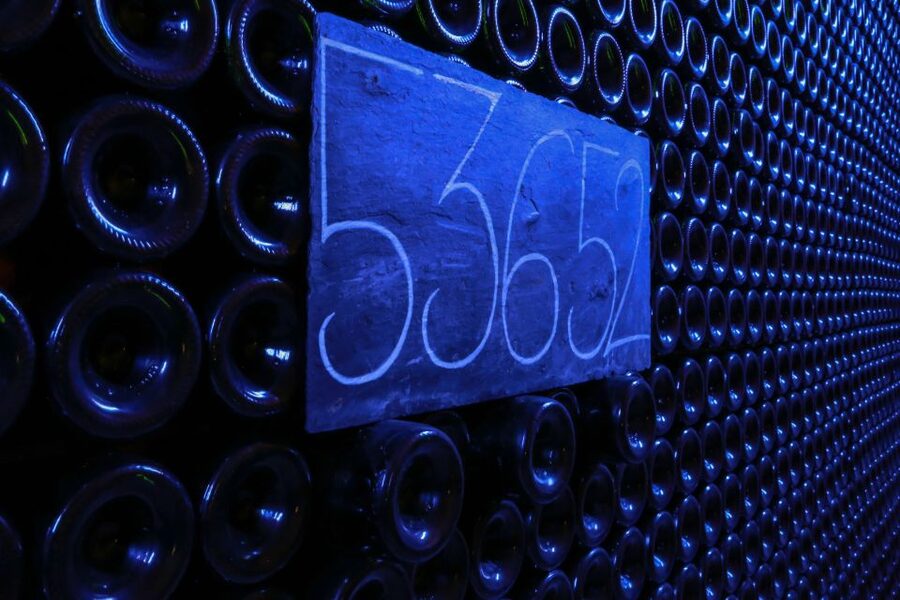
This is an ideal pick if you:
- enjoy guided tours with a clear storyline
- want Champagne education without pretension
- like meeting real families and learning how wine growers work day to day
- are happy with a cellar walk and a tasting in one tight block
It’s also a good match if you’re short on time. Ninety minutes is manageable, and you don’t need a full half-day to get something meaningful.
You should skip it if:
- you’re traveling with kids (it’s not suitable for children under 18)
- you strongly prefer self-guided experiences with no structured tasting
- you don’t want to handle transportation on your own (since hotel pickup and drop-off aren’t included)
Practical Tips Before You Go
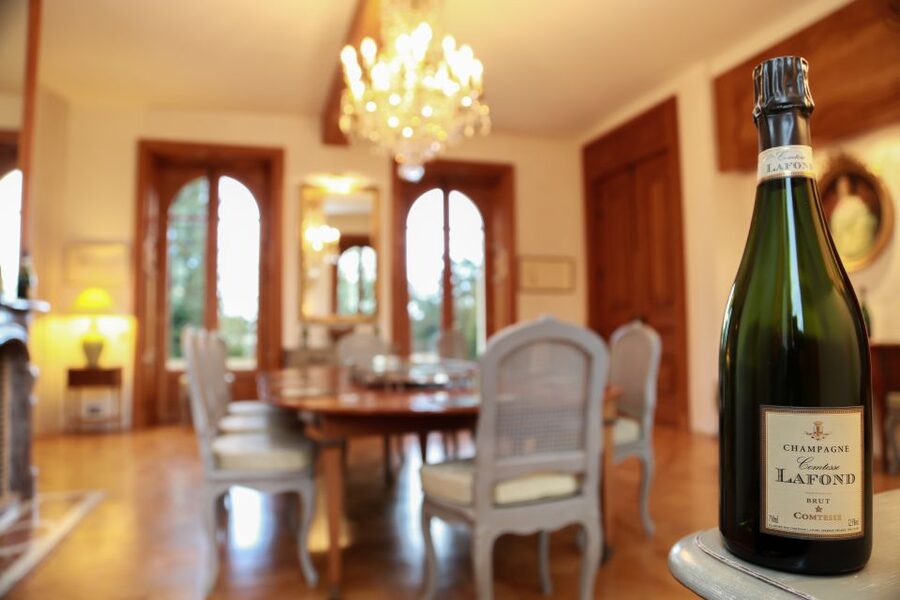
This tour runs in the Champagne region, and the cellar environment is cool and underground. Bring that common sense with you:
- wear comfortable shoes you trust for walking through cellar pathways
- plan to arrive ready to start; there’s no pickup, so your timing matters
- if you’re sensitive to strong smells, understand that cellars have a real, earthy scent—part of the charm
Also, if tasting-specific expectations matter to you, remember: the listed included items name two cuvées, while the broader description mentions tasting three. Ask your host what the third champagne is for your session so there are no surprises.
Should You Book This Champagne Cellar Tour?
Yes, I’d book it if you want a Champagne experience that feels hands-on, family-centered, and built around real cellar spaces. The walk through centennial chalk cellars plus the guided explanations gives you context most quick tastings don’t. And the included Brut cuvées (Sélection and Vieilles Vignes Reserve) make it an efficient way to try more than one style.
I’d think twice only if you hate independent logistics. Because there’s no hotel pickup, you’ll want to be confident getting to the estate meeting point on time. If that part is easy for you, this tour is one of those “worth it for the guide and the setting” experiences in Champagne country.
If you’re staying near Epernay, this is a strong choice for a focused 90-minute cultural stop—less spectacle, more craft.
FAQ
How long is the Champagne winery and cellar tour?
The tour lasts about 90 minutes.
What language is the guide?
The host/greeter provides the tour in English.
What champagnes are included in the tasting?
The included tasting lists two cuvées: the Sélection (Brut) and the Cuvée de Réserve – Vieilles Vignes (Brut).
Will I taste more than two champagnes?
The activity description mentions tasting a total of three champagnes, but the included list names two cuvées. It’s a good idea to confirm what the third pour is for your specific session.
Where does the tasting and cellar visit take place?
The experience is in the Champagne area around Epernay, and the description also notes the family greeting you in Mareuil-sur-Ay while you discover their centennial cellars.
Is hotel pickup included?
No. Hotel pickup and drop-off are not included, so you’ll need to arrange your own way to the meeting point.
Is this tour suitable for children?
No. It is not suitable for children under 18.
What’s the cancellation policy?
You can cancel up to 24 hours in advance for a full refund.
What do I do about payment?
You can reserve first and pay later, keeping your plans flexible.