REVIEW · RODENGO SAIANO
Franciacorta: visit the vineyard, cellar, and enjoy an Edea To tasting
Book on GetYourGuide →Operated by Azienda Agricola Mirabella · Bookable on GetYourGuide
Pinot Blanc in Franciacorta has a pulse. This Edea Tour at Mirabella pairs a relaxed vineyard walk with a look inside the winery’s famous production spaces, then ends with a guided tasting of the Edea wine line.
I really like how the visit teaches you the why, not just the what: the walk through the Pinot Blanc vineyard-collection sets the stage, and the historic production setting explains the choices behind the style. The tasting is the payoff, with a guided run-through of three Mirabella bottles paired with simple, satisfying bites.
One practical thing to plan for: the cellar is cooler, so bring a jacket so you don’t spend the good part shivering.
In This Review
- Key points you’ll care about
- Why Franciacorta works best on a vineyard-first tour
- Vineyard walk at the Pinot Blanc collection: what you’re really looking at
- The 1942 winery cellar: concrete tanks and the family story
- The Edea To tasting: how to taste three styles without getting lost
- Edea Brut Blanc de Blanc
- Satèn Brut Millesimato
- Rosé Brut
- Shopping and pacing: what the 2-hour winery segment feels like
- Price and value: what $38 gets you and why it’s fair
- Who this fits best (and who might want a different style of tour)
- Should you book this Mirabella Edea Tour?
- FAQ
- FAQ
- What wines are included in the tasting?
- What do I get during the tour?
- How long is the experience?
- Where do I meet the group?
- What should I wear or bring?
- Is the tour suitable for families or with pets?
Key points you’ll care about
- Pinot Blanc vineyard-collection stroll: you’ll see the grape variety-focused planting and learn Mirabella’s production philosophy as you walk the rows
- Historic 1942 cellar: watch fermentation happen in the original concrete tanks, a big part of why this winery has a distinct feel
- Mirabella technics, explained clearly: you get the story behind cultivation and aging, not just general wine facts
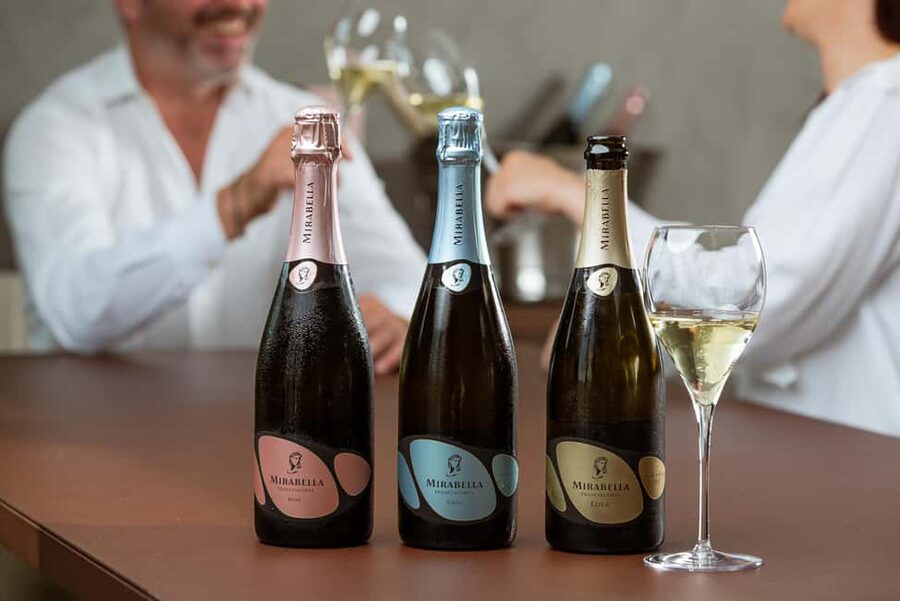
- Three-bottle Edea To tasting: Blanc de Blanc, Satèn, and Rosé, each presented as a different expression of the same region
- Snacks that fit the wines: taralli and breadsticks are served to support aromas and balance
Why Franciacorta works best on a vineyard-first tour
Franciacorta is one of those wine areas where the landscape and the craft are tightly linked. The best way to understand it is to start where the wine begins, then follow the process into the cellar. That’s exactly how this Mirabella experience is set up, so you don’t feel like you’re jumping randomly between photos, shopping, and a quick pour.
The value here is that you’re not only tasting. You’re getting context—cultivation techniques, how the land influences the grapes, and how the winery handles fermentation and aging. For me, that’s what turns a tasting from a nice detour into something you can actually bring home as knowledge.
And because it’s led by English- and Italian-speaking staff, you can ask questions without doing interpretive cartography in your head.
Vineyard walk at the Pinot Blanc collection: what you’re really looking at
Your visit starts with time outdoors, moving through the Pinot Blanc vineyard-collection. You’ll have a guided pace that lets you admire the rows and, more importantly, connect the planting to the wine style Mirabella is known for.
This part matters because Franciacorta’s identity is strongly tied to Pinot Blanc. When you see the focused grape planting in person, the tasting later feels more logical. The guide also explains the vineyard approach—things like cultivation techniques and how the team thinks about the bond between land and wine. It’s the kind of explanation that makes it easier to spot what you like, instead of just guessing.
What to watch for on the walk
Keep your eyes on the grape variety focus and how the rows are organized. It’s not only scenic. It’s a clue to why the winery emphasizes certain flavors and textures later in the glass.
What to bring
Wear closed, comfortable shoes. If you’re someone who likes to take your time, this outdoor segment is where you’ll slow down and notice details.
The 1942 winery cellar: concrete tanks and the family story
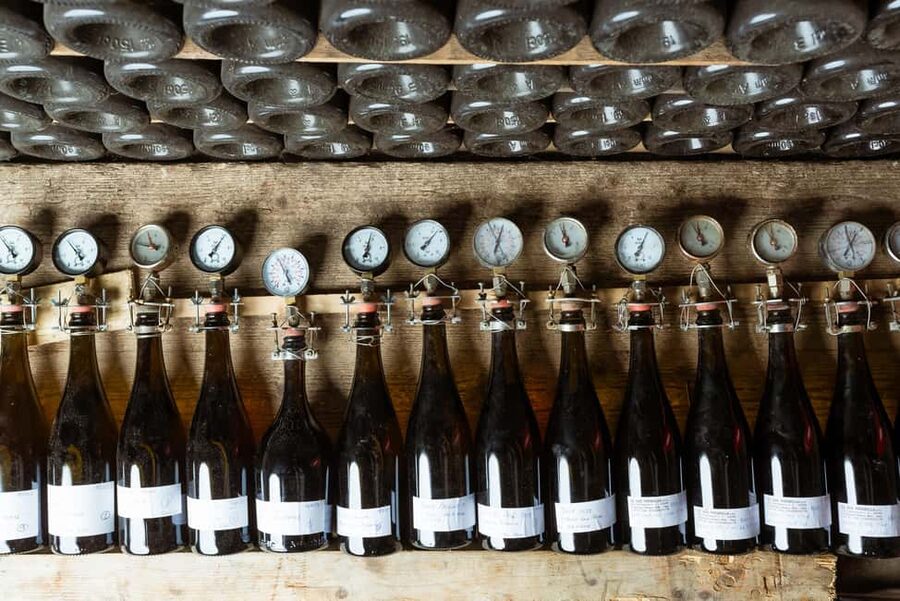
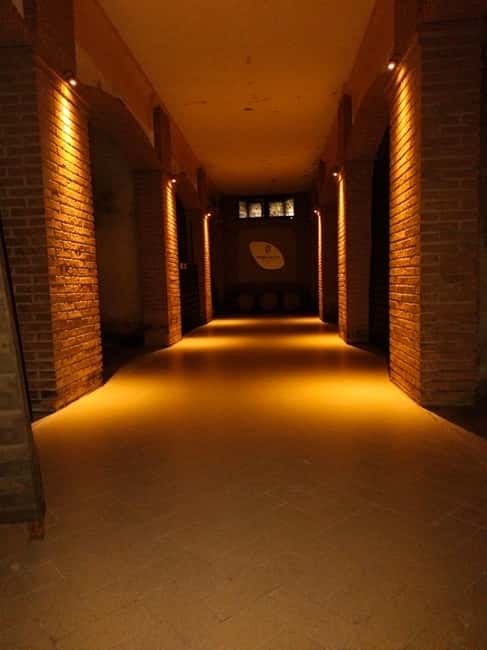
Next comes the real gear shift—from sunlight and grape rows to the cellar’s quieter world. The highlight is the historic 1942 wine cellar, where the first fermentation still happens in the original concrete tanks.
That concrete detail isn’t trivia. It helps explain why the wines can feel mineral and precise in the glass. Concrete can influence temperature stability and the way fermentation develops. Even if you don’t obsess over cellar materials, you’ll understand the point: the winery is leaning on time-tested infrastructure and matching it with modern know-how.
You also hear about origins—how Mirabella came to be and how the winery’s approach developed. One of the best parts of the experience is that you’ll get both the family story and the technics. A guide can make that feel either like a lecture or a conversation; here, the tone is described as passionate and professional, and you’ll likely feel that immediately when the guide starts connecting the history to the choices in the cellar.
Cellar tip that saves your mood
Bring your jacket even if it’s warm outside. The visit includes cooler areas, and it’s not fun to lose attention because you’re cold.
The Edea To tasting: how to taste three styles without getting lost
The tasting is the payoff: a guided review of three most representative Mirabella wines from the line. You’ll also get taralli and breadsticks to help balance the tasting and support the aromas.
Here’s how to think about the three pours, so you can taste with purpose instead of just comparing sweetness levels:
Edea Brut Blanc de Blanc
This is described as elegant and mineral. When you taste it, look for the crisp, precise structure and the sensation of freshness that comes through in Blanc de Blanc styles. If you like Chardonnay-like clarity (even though this is Pinot Blanc-based), this one is often the easiest entry.
Satèn Brut Millesimato
This one is called creamy and refined. The word “Satèn” points you toward a texture-focused experience. During the tasting, pay attention to how the wine feels on the palate—more cushion than edge—and whether the aromas seem smoother and rounder than the Blanc de Blanc.
Rosé Brut
For the third step, you get intense and fruity character. The goal here is to notice how fruit expression changes with style. Compare it to the first two: does the Rosé feel brighter and more overt, or does it stay controlled and elegant?
Pairing with taralli and breadsticks
Taralli and breadsticks are simple, savory bites. That matters because they don’t bully the wine with heavy flavors. They’re there to help you keep your sense of aroma sharp and keep the tasting comfortable.
If you’re the type who likes bringing home a bottle that matches what you truly liked, this tasting setup is built for that. More than once, people leave feeling confident enough to buy from the tasted selection.
Shopping and pacing: what the 2-hour winery segment feels like
In the winery part of the experience, you’ll have a mix of stops: photo moments, guided touring, a bit of walking, and time for shopping. That balance is practical. It means you’re not trapped indoors the whole time, and you also get a chance to translate tasting notes into purchases.
The pacing is especially helpful if you’re not a deep technical wine person. You can enjoy the setting, hear the production story, and then focus your attention where it counts: the three pours.
One small detail that can help you make the most of your time: the visit notes that you should not enter the wine cellar directly into the winemaking area. That’s a good safety and respect rule, and it also helps keep the experience flowing without crowding.
Price and value: what $38 gets you and why it’s fair
At $38 per person, this is positioned as a one-day Franciacorta taste-and-tour experience, not just a sampling session. You’re paying for four main things:
- A guided outdoor visit through the Pinot Blanc vineyard-collection
- A guided look inside a historic cellar, including the 1942 concrete fermentation context
- A structured tasting of three wines, with explanation for each style
- Snacks (taralli and breadsticks) that make the tasting more enjoyable and less rushed
When you price this kind of experience by its components—guided cellar access plus a multi-wine tasting plus food support—it starts to feel like a bargain, especially in a region where vineyard experiences can be priced like full-day excursions.
Also, the format is compact. It’s ideal if you’re doing a broader Lombardy trip and want a real wine experience without surrendering your entire day.
Who this fits best (and who might want a different style of tour)
This tour is a strong fit if you:
- want to understand how Pinot Blanc and Franciacorta are connected
- like tasting with guidance so you can identify what you enjoy
- appreciate a historic production space, including concrete fermentation
- travel as a couple or small group and want an easy, organized plan
It also works for families and for visitors traveling with kids or pets—just let the team know when you book.
If you’re only after the quickest possible tasting with zero walking and minimal explanation, you might prefer a shorter, tasting-only format. But if you’re willing to dress for a cooler cellar and walk a bit, this tour gives you a lot of meaning per hour.
One more note: the experience is described as well organized, and that matters. In wine country, a smooth flow keeps you focused on the good stuff—the vineyard story and the tasting—rather than handling confusion.
Should you book this Mirabella Edea Tour?
Yes, I’d book it if you want a real sense of place in Franciacorta—vineyard first, cellar second, and tasting with clear structure. The biggest selling point is the combination: the Pinot Blanc vineyard-collection walk plus the 1942 concrete tank cellar visit, then a guided tasting of the three core styles (Blanc de Blanc, Satèn Millesimato, and Rosé Brut).
Book it especially if you care about value and want more than a quick pour. You’ll leave with a better understanding of why these wines taste the way they do—and with three bottles worth comparing side by side.
FAQ
FAQ
What wines are included in the tasting?
You’ll taste three Mirabella Franciacorta wines: Edea Brut Blanc de Blanc, Satèn Brut Millesimato, and Rosé Brut.
What do I get during the tour?
The experience includes a visit to the Pinot Blanc collection vineyard, a look at the historic 1942 wine cellar, and a guided tasting of the three wines, served with taralli and breadsticks.
How long is the experience?
It’s listed as a 1-day experience. The winery portion includes a guided visit that includes photos, a guided tour, shopping, and a walk (about 2 hours).
Where do I meet the group?
Meet at V. Cantarane, 2. Park in the outdoor square and notify the winery at the reception area of the Enoteca.
What should I wear or bring?
Bring a jacket, since the cellar is cooler. Wear closed, comfortable shoes (avoid heels or unstable footwear).
Is the tour suitable for families or with pets?
Yes. The experience is suitable for everyone, and kids and pets are welcome—just let the team know when you book.